
As a local chiropractor, I understand that many of you may be experiencing upper back pain, and you're certainly not alone in this struggle. Discomfort in this area can stem from various factors, including poor posture, muscle tension, or even the stress of daily life. The good news is that there are effective, natural strategies you can incorporate into your routine to alleviate this pain and enhance your overall well-being.
Chiropractic care focuses on the relationship between your spine and your nervous system, emphasizing the importance of proper alignment and function. By making a few targeted adjustments and adopting specific stretches, you can significantly reduce upper back pain. Additionally, assessing and improving the ergonomics of your workspace can have lasting positive effects.
So, what are some practical techniques you can begin to implement? Let's delve into some effective solutions that not only address your discomfort but also promote a healthier lifestyle. Remember, a proactive approach can lead to sustained relief and improved quality of life.
Understanding Upper Back Pain
As a local chiropractor, I often see patients who experience upper back pain, a prevalent issue that many encounter at some stage in their lives. This discomfort can be frustrating and may hinder your daily activities and overall well-being. Understanding the nuances of upper back pain is essential for discovering effective relief and preventing future issues.
The upper back, or thoracic spine, comprises twelve vertebrae that connect your neck to your lower back. It's designed not only to provide stability and support for your upper body but also to allow for some movement. When pain arises in this area, it can be attributed to various factors, making it difficult to identify the precise cause.
Patients frequently describe upper back pain as a dull ache, a sharp sensation, or a tightness that may radiate to the shoulders and neck. In some cases, this discomfort can affect your posture, leading to feelings of stiffness or a hunched appearance. Common causes include poor posture during prolonged periods of sitting, muscle strain from lifting heavy objects incorrectly, or even stress that leads to muscle tension.
It's crucial to recognize your symptoms and understand how they affect your life. Instead of ignoring the discomfort, I encourage you to take proactive steps by evaluating your daily habits and lifestyle choices. Pay close attention to how your body feels during various activities. This awareness can help you identify patterns and triggers, guiding you toward more effective solutions for alleviating upper back pain.
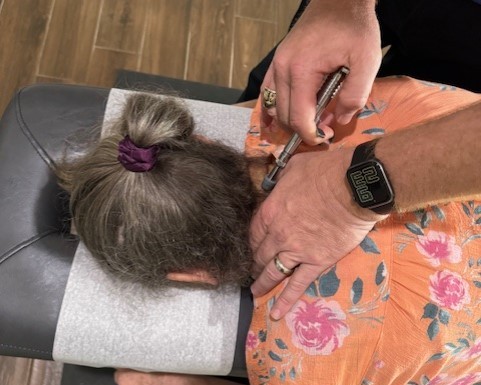
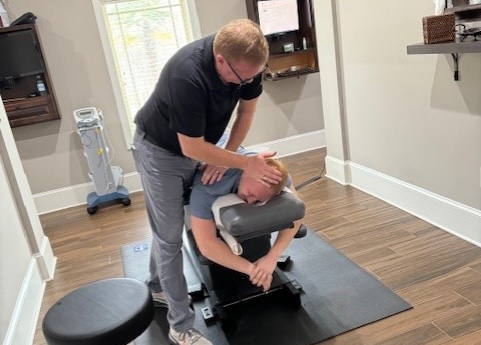
At our practice, we focus on understanding your pain as the first step toward achieving better health. Chiropractic care offers a natural and holistic approach to healing, helping restore balance and function to your spine and surrounding muscles. Together, we can work towards enhancing your quality of life and preventing future discomfort.
Common Causes of Discomfort
As a local chiropractor, I want to highlight how certain everyday habits can significantly impact your well-being, particularly when it comes to upper back pain.
Many people may not realize that poor posture is a leading contributor to discomfort in this area. Additionally, muscle strain resulting from daily activities, along with the stress you carry, can exacerbate your pain.
Poor Posture Effects
As a local chiropractor, I want to share with you the profound effects poor posture can have on your upper back, an issue that many of my patients face daily. When you slouch or hunch your shoulders, you inadvertently place excessive strain on the muscles and ligaments in your upper back. This misalignment can lead to tension buildup, resulting in soreness and stiffness that can hinder your ability to move comfortably.
Many individuals may not realize that spending long hours at a desk or frequently looking down at their phones can significantly contribute to poor posture. When your head juts forward, your upper back muscles must work harder to maintain balance, which can lead to fatigue and discomfort.
Even while standing, if you lean too far forward or backward, it can throw your spine out of alignment, causing similar issues.
It's crucial to be aware of your posture throughout the day. Whether you're sitting, standing, or walking, keeping your shoulders back and your spine straight can help alleviate discomfort. By making simple adjustments and taking regular breaks to stretch, you can greatly diminish the negative impacts of poor posture on your upper back and enhance your overall well-being.
As your chiropractor, I encourage you to consider the importance of maintaining proper posture, as it plays a vital role in your health. Together, we can work on strategies to improve your posture and alleviate any discomfort you may be experiencing.
Muscle Strain Factors
As a local chiropractor, I often see patients who are experiencing muscle strain in their upper back, and it's important to understand that this discomfort can stem from various everyday factors that are easily overlooked.
One of the most significant contributors is improper lifting techniques. When lifting heavy objects, it's crucial to bend at your knees rather than your waist. This simple adjustment can prevent unnecessary strain on your back muscles.
Repetitive motions, whether from certain jobs or sports activities, can also be to blame. Engaging in the same movements over and over can lead to overuse and fatigue in your upper back muscles.
Additionally, if you lead a sedentary lifestyle, long periods of inactivity can weaken your muscles, making them more vulnerable to strain when you do finally engage in physical activities.
It's also worth noting that sleeping in awkward positions or on an unsupportive mattress can add to your discomfort.
Sudden movements, like twisting or reaching abruptly, can catch your back muscles off guard, leading to strain. Furthermore, if you're carrying extra weight, this can place additional stress on your back muscles, increasing your risk of strain.
By being aware of these factors, you can take proactive steps to prevent muscle strain. Regular chiropractic adjustments, maintaining proper body mechanics, and incorporating strength and flexibility exercises into your routine can help keep your upper back healthy.
Stress and Tension
Stress and tension can often lead to significant discomfort in the upper back, and as a chiropractor, I see this all too frequently in my practice. When life gets hectic with work deadlines, personal responsibilities, or financial worries, your body tends to respond by tightening up, particularly around the shoulders and upper back. This tightening can result in muscle stiffness, pain, and even headaches.
Many people may not realize that their posture plays a critical role in this discomfort. When under stress, you might find yourself hunching your shoulders or clenching your jaw, which can intensify the tension. It's essential to take breaks throughout your day to stretch and reset your posture, which can help relieve some of that accumulated tension.
In addition to posture correction, I recommend incorporating relaxation techniques into your daily routine. Practices such as deep breathing or mindfulness meditation can be incredibly effective. Focusing on your breath sends calming signals to your body, which can help reduce tension in your back.
Regular physical activity is another powerful tool in managing stress. Even a brisk walk can release endorphins and help ease muscle tightness. As a chiropractor, I often suggest integrating gentle exercises or stretches specific to your needs.
Lastly, never underestimate the importance of a good night's sleep. Ensuring you get adequate rest is vital for your body to recover and effectively manage stress.
Effective Stretching Techniques
As a local chiropractor, I want to share how incorporating effective stretching techniques into your daily routine can significantly alleviate upper back pain. Stretching isn't just about flexibility; it's a natural way to release muscle tension, improve circulation, and promote a healthier spine. Here are some simple stretches you can easily integrate into your day to support your back health.
Let's start with the cat-cow stretch. This is a fantastic way to mobilize your spine. Begin on your hands and knees, ensuring your wrists are directly under your shoulders and your knees are under your hips. As you take a deep breath in, arch your back, lifting your head and tailbone towards the ceiling—that's the cow position.
When you exhale, round your back, tucking your chin into your chest and pulling your belly button toward your spine—this represents the cat position. Repeat this gentle flow for about 5-10 breaths to help ease tension in your upper back.
Next, consider the seated forward bend. Sit with your legs extended straight in front of you. Inhale deeply, lengthening your spine, and as you exhale, hinge at your hips to reach toward your toes. Hold this stretch for 20-30 seconds, and focus on feeling the release in both your back and hamstrings.
This stretch can help counteract the effects of prolonged sitting and promote better posture.
Another beneficial stretch is the standing doorway stretch. Stand in a doorway and place your arms on the door frame at shoulder height. Gently step forward through the doorway, allowing your chest to move forward. Hold this position for 20-30 seconds.
This stretch is excellent for opening up your upper back and chest, helping to relieve tightness and improve your overall posture.
Incorporating these stretches into your routine can lead to a noticeable reduction in upper back discomfort. Always remember to listen to your body and avoid pushing yourself into pain. Regular stretching, combined with chiropractic adjustments, can greatly enhance your overall spinal health and well-being.
Posture Improvement Tips
As a local chiropractor, I want to emphasize how crucial it's to improve your posture in order to alleviate upper back pain. Many people aren't aware that simple adjustments in your daily environment can make a world of difference.
Start by creating an ergonomic workspace that properly supports your body; this means ensuring that your chair, desk, and computer setup promote a healthy spinal alignment.
Additionally, consider focusing on strengthening your core muscles. A strong core provides better stability and helps maintain proper posture throughout the day.
These changes may seem small, but they can significantly enhance your overall well-being and comfort. Remember, taking care of your spine is a vital part of maintaining your health, and as your chiropractor, I'm here to support you on this journey to natural healing and improved posture.
Ergonomic Workspace Setup
As a local chiropractor, I want to emphasize the significance of creating an ergonomic workspace to support your overall health and well-being, particularly in preventing issues like upper back pain.
It all starts with your chair—ensure that it's adjusted to provide proper support for your lower back. Your feet should rest flat on the ground, while your knees should be at or slightly below hip level. If your chair lacks adequate lumbar support, consider using a lumbar roll or cushion for added comfort.
Next, let's talk about your computer monitor. It's crucial to position it at eye level, at least an arm's length away from you. This setup helps prevent you from leaning forward or straining your neck, both of which can lead to discomfort and misalignments.
If you're using a laptop, I highly recommend investing in a separate keyboard and mouse to facilitate better ergonomics.
Your desk height is also important—ensure that it allows your elbows to remain at a 90-degree angle while you type. Maintain straight wrists with your hands positioned at or slightly below elbow height.
Additionally, proper lighting is key; good lighting reduces eye strain, which can further contribute to poor posture over time.
Remember, regular breaks are essential for your well-being. I encourage you to stand up, stretch, and walk around every hour to relieve tension and reset your posture.
By implementing these ergonomic adjustments, you can create a workspace that not only enhances your comfort and productivity but also supports your overall health.
As your chiropractor, I'm here to help you understand how these changes can contribute to a healthier lifestyle and better spinal health.
Strengthening Core Muscles
As a local chiropractor, I want to emphasize the importance of strengthening your core muscles for overall health, particularly for improving posture and alleviating upper back pain. A strong core acts as a natural support system for your spine, helping to keep you upright and reducing strain on your upper back.
Fortunately, incorporating core-strengthening exercises into your routine is simple and effective.
Let's start with planks. To perform this exercise, get into a push-up position but rest on your forearms instead of your hands. Make sure your body forms a straight line from your head to your heels. Engage your core muscles and hold this position for about 20-30 seconds. As you build strength, you can gradually increase the duration of your holds.
Next, I recommend trying bridges. Lie flat on your back with your knees bent and feet planted firmly on the floor. Gently lift your hips toward the ceiling while squeezing your glutes and engaging your core. Hold this position for a few seconds before lowering your hips back down.
Another excellent exercise is the dead bug. Lie on your back with your arms extended straight up toward the ceiling and your knees bent at a 90-degree angle. Slowly lower one arm and the opposite leg toward the floor while ensuring your back remains flat against the ground. Return to the starting position and switch sides.
I suggest incorporating these exercises into your routine two to three times a week. With consistency, you should begin to notice improvements in your posture, as well as a reduction in upper back pain.
Ergonomic Workspace Adjustments
As a local chiropractor, I want to emphasize the importance of proper ergonomics in enhancing your comfort and productivity while working.
Let's start with your chair. It's essential that your chair provides adequate support for your lower back and allows your feet to rest flat on the floor or on a footrest. Adjust the chair height so that your knees are at or slightly below hip level. This alignment helps distribute your weight evenly and minimizes strain on your back, which is crucial for your overall spinal health.
Next, let's discuss your desk setup. Your monitor should be positioned at eye level, approximately an arm's length away. This prevents you from leaning forward or tilting your head, both of which can lead to upper back pain and discomfort.
If you primarily use a laptop, I encourage you to invest in a separate keyboard and mouse. This will help you maintain a more natural posture while working, keeping your elbows at a 90-degree angle during typing.
It's also important to pay attention to the placement of your keyboard and mouse. They should be positioned close enough that your wrists can remain straight and your forearms parallel to the ground. If you find yourself reaching for these devices, it's a sign that your workspace needs adjustment.
Lastly, I can't stress enough the importance of taking regular breaks. Stand up, stretch, and move around every hour. This simple practice can relieve tension and improve circulation, significantly reducing the risk of discomfort and supporting your overall well-being.
When to Seek Professional Help
As a local chiropractor, I want to emphasize the importance of addressing upper back pain, especially when self-care methods like stretching, strengthening exercises, or heat therapy aren't providing the relief you need.
If your pain persists or worsens, it's a clear sign that seeking professional help is essential. Persistent discomfort may indicate an underlying issue that requires a thorough evaluation and tailored treatment plan.
If your pain lasts longer than a few weeks or is severe enough to disrupt your daily activities, it's time to consult with a healthcare professional. Additionally, be aware of symptoms like numbness, tingling, or weakness in your arms or legs—these could indicate nerve involvement, and early intervention is crucial to prevent further complications.
Pay close attention to any changes in your posture or mobility as well. If you find that your range of motion is limited or that everyday movements are becoming increasingly difficult, it's a good idea to reach out to a chiropractor.
We specialize in assessing and treating musculoskeletal issues, and we can provide valuable insights and personalized treatment options to help you regain your strength and mobility.
Furthermore, if your upper back pain is accompanied by other concerning symptoms such as fever, unexplained weight loss, or changes in bowel and bladder function, it's imperative to seek immediate medical attention.
These signs could point to more serious health conditions that need to be addressed promptly.
Listening to your body is vital. If your upper back pain isn't improving or if you have any uncertainties about your symptoms, don't hesitate to reach out to me or another healthcare professional.
Your health and well-being are our top priorities, and together we can work towards a natural healing approach that fits your needs.
Conclusion
As a local chiropractor, I want to share some valuable insights on how you can effectively relieve upper back pain. Understanding the root cause of your discomfort is the first step towards healing. Incorporating effective stretches into your daily routine can make a significant difference, and I encourage you to focus on improving your posture throughout the day.
Creating an ergonomic workspace is essential in supporting your body's natural alignment and reducing strain on your upper back. It's important to pay attention to how your body feels—if you experience persistent pain, don't hesitate to seek professional guidance. Chiropractic care can provide targeted relief and help you develop a personalized plan for recovery.
With consistent effort and awareness of your body's needs, you can achieve a more comfortable, pain-free life. Remember, healing takes time, and I'm here to help you every step of the way.