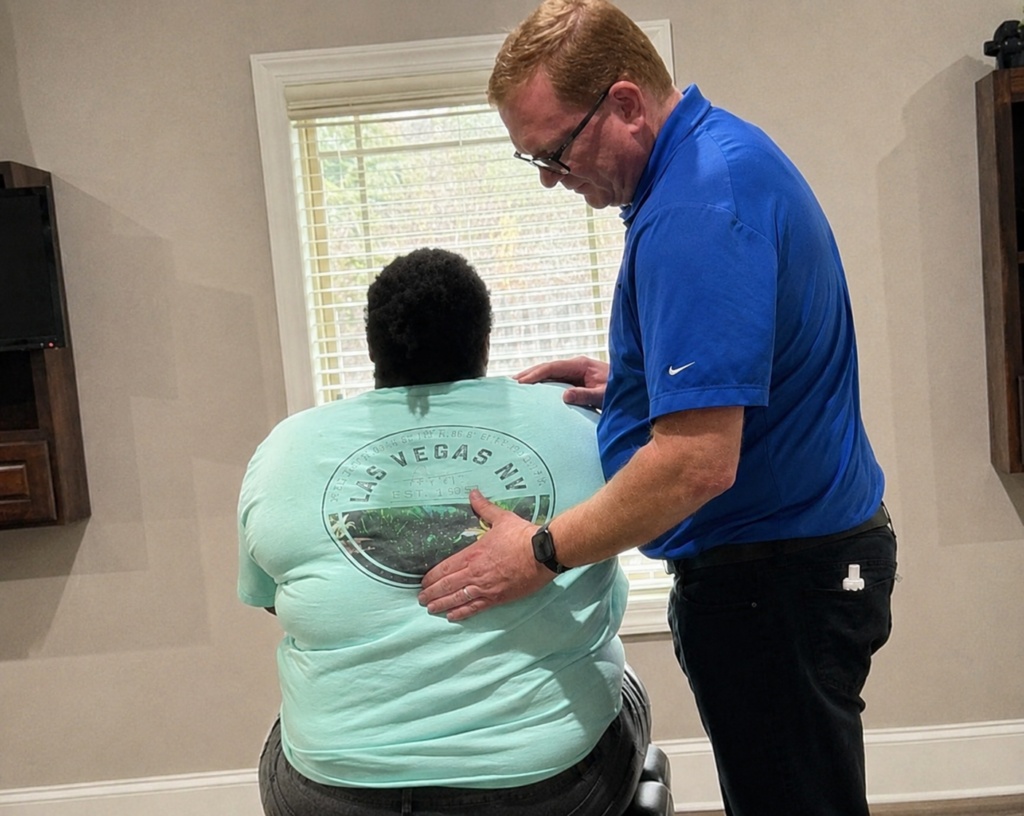

As your local chiropractor, I understand that many of you may be grappling with chronic pain, feeling its stronghold on your everyday life. However, I want to share that there's an opportunity for you to embark on a wellness journey that not only targets the pain but also promotes your overall well-being.
Chiropractic care focuses on holistic strategies that can significantly improve your quality of life. By incorporating mindful practices, making nutritional adjustments, and engaging in customized physical activities, you can start to regain control over your health.
As you contemplate the potential for change, it's important to recognize that the journey to relief may be more complex than it initially appears. If you're curious about where to begin and what specific steps can make a positive impact, I'm here to guide you. Together, we can explore the benefits of chiropractic care and natural healing approaches tailored to your individual needs. Let's take the first step toward a pain-free life!
Understanding Chronic Pain
Chronic pain is a common challenge that affects millions of individuals worldwide, and as a chiropractor, I want to help you understand its implications on your daily life and overall well-being. If you're struggling with persistent discomfort that doesn't seem to subside, it can take a toll not only on your body but also on your emotional health. Learning about chronic pain is essential for effective management, and that's where chiropractic care can play a vital role.
Unlike acute pain, which typically signals an injury or illness and resolves after a short time, chronic pain lingers beyond the normal healing period, often lasting for months or even years. You might be dealing with conditions such as arthritis, fibromyalgia, or neuropathic pain, and it's important to realize that pain isn't merely a physical sensation.
It's deeply intertwined with psychological factors, lifestyle choices, and even your social interactions. This complexity makes it difficult to identify the specific source of your pain, often leading to feelings of frustration and helplessness.
One effective approach to understanding your pain is to identify patterns. I encourage you to keep a journal where you can document when your pain intensifies, which activities seem to worsen it, and how you feel emotionally during these flare-ups. This self-awareness is empowering and can provide valuable insights when you share your experiences with healthcare professionals, including myself.
Chiropractic care focuses on natural healing and aims to address the root causes of your pain, not just the symptoms. By aligning your spine and improving your overall function, we can work together to reduce discomfort and enhance your quality of life.
The Importance of Mindfulness
As your local chiropractor, I want to share how mindfulness can play a crucial role in your journey toward managing chronic pain and improving your overall health. Understanding and practicing mindfulness can significantly help reduce stress and enhance your well-being.
By incorporating simple mindfulness techniques into your daily routine, you can foster a sense of calm and presence that complements your chiropractic care.
Let's delve into the benefits of mindfulness and explore some effective meditation strategies that can support your healing process. Embracing these practices not only aids in pain management but also promotes a holistic approach to your health, ensuring that you feel more balanced and centered throughout your treatment.
Benefits of Mindfulness Practice
As a local chiropractor, I often encounter patients grappling with the complexities of chronic pain. One powerful tool that I recommend incorporating into your wellness journey is mindfulness practice. This approach can significantly enhance your overall well-being and complement the chiropractic care you receive.
Mindfulness helps you develop a deeper awareness of your body and mind, enabling you to recognize your pain without judgment. By observing your discomfort in a non-reactive way, you can alleviate anxiety and stress, both of which can intensify your pain experience.
Focusing on the present moment is a key aspect of mindfulness. Rather than getting stuck in past discomfort or worrying about future flare-ups, you learn to ground yourself in the here and now. This mindset shift can greatly reduce emotional suffering, making your pain feel more manageable.
Additionally, mindfulness equips you with better coping strategies for discomfort. By acknowledging your pain without resistance, you can create space for it, rather than allowing it to overwhelm your thoughts. This acceptance can lead to a significant sense of relief.
Regular mindfulness practice can also improve your sleep quality and enhance your mood, both of which are crucial for those dealing with chronic pain.
Techniques for Mindfulness Meditation
As a local chiropractor, I want to share how incorporating mindfulness meditation into your routine can significantly improve your ability to manage chronic pain. By using specific techniques, you can develop a greater awareness of both your body and mind, which can help reduce your perception of pain.
First, find a quiet space where you can relax without interruptions. Sit comfortably, close your eyes, and take a few deep breaths. Focus on your breathing, allowing your thoughts to drift away like clouds. When you feel pain, recognize it without judgment. Instead of resisting, observe the sensations with a sense of curiosity.
One effective technique I recommend is the body scan. Begin by bringing your attention to each area of your body, starting from your toes and moving up towards your head. Pay attention to any tension or discomfort, and consciously relax those areas. This practice can complement the adjustments and treatments you receive in our office.
Another technique is loving-kindness meditation. Silently repeat phrases such as "May I be happy, may I be healthy," directing compassion towards yourself. This can help shift your emotional response to the pain you experience.
Regular practice, even if it's just a few minutes a day, can build resilience and change the way you relate to chronic pain.
Nutritional Strategies for Relief
As a local chiropractor, I understand that managing chronic pain can often feel daunting. However, I want to share with you how specific nutritional strategies can play a significant role in your journey toward relief. One of the key factors in alleviating chronic pain is tackling inflammation, which is frequently a major contributor to discomfort.
By incorporating anti-inflammatory foods into your diet, you can make a substantial difference. For instance, consider including omega-3 fatty acids, which are abundant in fatty fish like salmon and in nuts such as walnuts. Don't forget to load up on a variety of colorful fruits and vegetables that are packed with antioxidants.
It's also wise to minimize your consumption of processed foods, sugar, and refined carbohydrates. These types of foods can worsen inflammation and may lead to unwanted weight gain, putting additional stress on your body. Instead, I encourage you to focus on whole foods. Opt for whole grains, lean proteins, and healthy fats that not only nourish your body but also support your overall well-being.
Hydration shouldn't be underestimated either. Drinking adequate water is essential for maintaining your body's functions and can help alleviate some pain symptoms. Additionally, herbal teas like ginger and turmeric can provide excellent anti-inflammatory effects.
I recommend keeping a food diary to monitor what you consume and how it impacts your pain levels. This can be a valuable tool in identifying any food sensitivities or triggers you might have.
Lastly, I encourage you to consult with a healthcare professional or a nutritionist who specializes in chronic pain management. Together, we can create a personalized nutrition plan that's tailored to meet your unique needs and support your healing journey.
Physical Activity and Movement
As a local chiropractor, I want to emphasize the importance of regular physical activity in managing chronic pain effectively. Incorporating movement into your daily life can significantly enhance your body's strength, flexibility, and overall functionality. You don't need to dive into intense workouts right away; even gentle exercises can provide substantial relief.
I recommend starting with low-impact activities that you enjoy, such as walking, swimming, or yoga. These exercises promote better circulation, reduce stiffness, and encourage the release of endorphins—your body's natural pain relievers. Ideally, aim for at least 30 minutes of moderate activity on most days of the week. Consistency is crucial, so it's important to find a routine that fits your lifestyle and stick to it.
Pay attention to how your body responds during exercise. If you notice an increase in pain, it's essential not to push through it. Instead, consider modifying your movements or taking a brief pause. As your body becomes more accustomed to regular activity, you can gradually increase the intensity of your workouts.
Incorporating strength training can also be beneficial; it helps build muscle support around painful joints, making daily movements easier and more comfortable.
Don't forget the importance of stretching in your routine. Stretching helps maintain flexibility, alleviates tension, and improves your range of motion—key factors in managing pain.
Lastly, I encourage you to consider joining a local group or finding a workout buddy. Having support can keep you motivated and accountable, making it easier to stick to your commitment to movement.
Exploring Alternative Therapies
As a local chiropractor, I want to share some valuable insights into managing chronic pain through alternative therapies that can enhance your overall treatment plan.
Techniques such as chiropractic adjustments, acupuncture, herbal remedies, and mindfulness practices can provide effective avenues for relief and improved well-being.
These approaches not only focus on alleviating pain but also promote a holistic approach to health.
Let's delve into how incorporating these natural healing methods can significantly benefit your wellness journey.
Acupuncture for Pain Relief
As a local chiropractor, I want to introduce you to the fascinating world of acupuncture, a time-honored practice that complements the principles of chiropractic care.
Rooted in Traditional Chinese Medicine, acupuncture offers a distinctive approach to pain relief that many of my patients have found beneficial. By strategically inserting thin needles into specific points on the body, acupuncture stimulates your body's natural healing processes, making it an excellent option for various conditions like back pain, migraines, and joint discomfort.
When you visit an acupuncturist, they'll take the time to assess your unique needs and develop a tailored treatment plan just for you. During the session, you might feel a slight prick as the needles are inserted, but most individuals describe the sensation as calming rather than painful.
Many patients report that acupuncture sessions significantly reduce their pain levels, often leading to enhanced mobility and an overall sense of well-being.
It's important to approach acupuncture with an open mind, as outcomes can differ from person to person. Some may experience immediate relief, while others might need several sessions to notice substantial changes.
If you're looking for a holistic approach to manage your chronic pain, incorporating acupuncture into your wellness routine could be a valuable step. I encourage you to explore this alternative therapy and see for yourself the potential benefits it can offer alongside chiropractic care.
Herbal Remedies and Healing
As a local chiropractor, I want to share how herbal remedies can complement your healing journey alongside chiropractic care. Many individuals find that incorporating natural options can enhance their overall wellness, especially when used in tandem with conventional treatments.
Consider exploring herbs known for their anti-inflammatory and pain-relieving properties. For example, turmeric, which contains curcumin, is renowned for its powerful anti-inflammatory effects and can help alleviate pain. Ginger is another fantastic choice; it's recognized for its ability to reduce muscle soreness and joint discomfort.
You might also want to look into boswellia, an herb derived from the resin of the Boswellia tree. It may help improve mobility and ease discomfort, particularly in conditions like arthritis. Additionally, willow bark is a noteworthy herb, containing salicin, a compound similar to what you find in aspirin, making it effective for pain relief.
Before you start incorporating these herbal treatments, I strongly recommend consulting with a healthcare professional, especially if you're currently on any medications. They can provide guidance on potential interactions and the right dosages for your needs.
While herbal remedies can be beneficial, they work best as part of a comprehensive approach that includes lifestyle changes and professional medical advice.
Mindfulness and Meditation Practices
As a local chiropractor, I'm here to share how mindfulness and meditation practices can be invaluable in managing chronic pain. These techniques help you focus on the present moment, leading to greater awareness and a reduction in the emotional distress often linked to pain.
To get started, I recommend simple breathing exercises. Find a comfortable position, close your eyes, and take deep, slow breaths. This practice not only helps ground you but also promotes a sense of calm, which is essential for healing.
Additionally, consider exploring guided meditations tailored for pain relief. Many of these will incorporate visualization techniques, allowing you to envision the pain fading or transforming into a sensation that feels more manageable. By dedicating just a few minutes each day to this practice, you can create significant changes in your perception of pain and your response to it.
Another way to integrate mindfulness into your routine is by being present during everyday activities, like eating or walking. Focus on the sensations, tastes, and sounds around you. This approach not only serves as a distraction from pain but also enhances your appreciation for the small joys in life.
Building a Support Network
Building a support network is vital for anyone navigating the challenges of chronic pain, and as your local chiropractor, I want to emphasize the importance of holistic healing and community support. Chronic pain can be overwhelming, but having a reliable group of friends, family, and health professionals can significantly enhance your journey toward relief and recovery.
Start by reaching out to those closest to you. Engaging in honest conversations about your experience with pain can foster empathy and understanding among your loved ones. Don't hesitate to express what you need—many people are eager to help, but they may not know how to support you effectively.
Additionally, I encourage you to consider joining local or online support groups. Connecting with others who share similar experiences can provide invaluable insights and encouragement. Speaking with someone who truly understands what you're going through can be incredibly validating. Share your journey, listen to theirs, and exchange coping strategies that have worked for you.
Furthermore, it's essential to seek out healthcare professionals who specialize in chronic pain management, like chiropractors. We focus on natural healing methods that can alleviate discomfort and improve your overall well-being. Through adjustments, physical therapy, and lifestyle advice, we can offer tailored guidance and treatment options to suit your unique needs.
Our expertise can help enhance your understanding of your condition and provide practical solutions for managing your pain more effectively.
Creating a Personalized Wellness Plan
As a local chiropractor dedicated to helping patients manage chronic pain and enhance their quality of life, I want to emphasize the importance of creating a personalized wellness plan. This plan should reflect your individual needs, preferences, and lifestyle. To get started, it's essential to focus on key areas that influence your overall well-being and set achievable goals for each.
1. Physical Activity: Incorporating gentle exercises that you find enjoyable, such as walking, swimming, or yoga, can be incredibly beneficial. Regular movement is vital in reducing pain and improving mobility. Even committing just a few minutes each day can make a significant difference.
As a chiropractor, I can help guide you in finding exercises that complement your treatment and fit your physical condition.
2. Nutrition: The role of nutrition in pain management can't be overstated. A balanced diet rich in whole foods—think fruits, vegetables, lean proteins, and whole grains—can support your healing process.
It may be beneficial to consult with a nutritionist or health coach to develop a dietary plan that aligns with your health goals and addresses specific issues related to your pain.
3. Mindfulness and Stress Management: It's important to recognize that chronic pain can be intensified by stress. Engaging in mindfulness practices such as meditation, deep breathing exercises, or journaling can be effective in managing pain.
These techniques not only help reduce stress but also promote a state of relaxation that's conducive to healing.
As you outline these components of your wellness plan, I encourage you to regularly evaluate and refine them based on what works best for you.
Remember, your wellness journey is unique, and it's crucial to be patient and compassionate with yourself as you navigate this path.
Conclusion
As you embark on your wellness journey, it's important to understand that saying goodbye to chronic pain is within your reach, especially through chiropractic care. By integrating mindfulness practices, nourishing your body with anti-inflammatory foods, and maintaining an active lifestyle, you can take significant steps towards reclaiming your life.
Chiropractic care focuses on aligning your spine and optimizing your nervous system, which can greatly contribute to alleviating pain. I encourage you to explore various alternative therapies, including chiropractic adjustments, which can help restore balance and promote healing in your body. Additionally, building a strong support network—whether through friends, family, or healthcare professionals—can enhance your journey towards wellness.
Together, we can develop a personalized wellness plan tailored to your unique needs. With regular adjustments and a commitment to your health, you can move towards improved well-being and a brighter, pain-free future. Remember, you are not alone in this journey, and I'm here to help guide you every step of the way!