
If you’re dealing with back pain, standing tall can be a game changer. Good posture isn’t just about exuding confidence; it’s crucial for the health of your spine. By making simple adjustments to how you carry yourself, you can find relief from discomfort and enhance your overall well-being. But what steps can you take to address these challenges? Let’s delve into some essential tips that can empower you to stand strong and support your back.
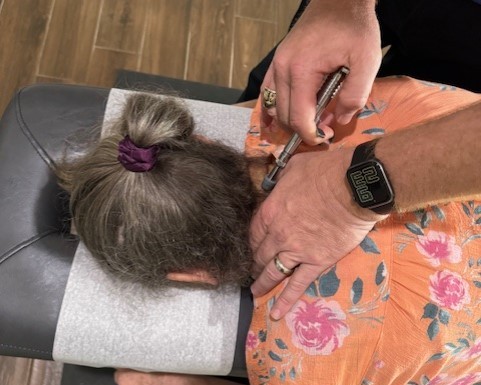
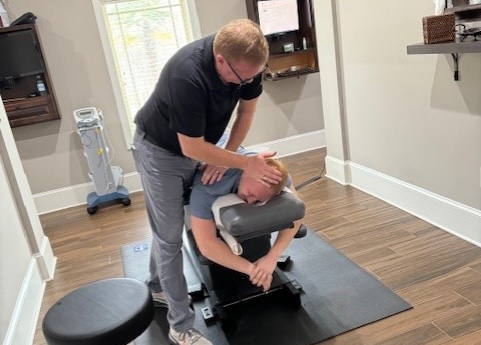
First and foremost, consider visiting your local chiropractor. Chiropractic care focuses on aligning your spine and ensuring optimal function, which can significantly reduce pain and improve your quality of life. Regular adjustments can help maintain proper posture and prevent future issues.
Next, be mindful of your posture throughout the day. Whether you’re sitting at a desk, standing in line, or lifting objects, keep your shoulders back, spine straight, and ears aligned with your shoulders. This conscious effort will help reduce strain on your back.
Incorporating core-strengthening exercises into your routine can also make a big difference. A strong core supports your spine and helps you maintain good posture. Simple activities like planks, bridges, or even yoga can be beneficial.
Lastly, remember that staying active is key to a healthy back. Regular movement helps keep your spine flexible and strong. Aim for activities you enjoy, whether it be walking, swimming, or cycling, as this will make it easier to stay consistent.
By focusing on these straightforward practices and seeking chiropractic care, you can take a proactive approach to your back health. Embrace the journey to a pain-free life and stand tall with confidence!
Understanding the Anatomy of Back Pain
Back pain can feel like an unwelcome shadow, lingering and affecting your daily life. To effectively tackle this issue, it’s essential to understand the anatomy behind it. Your spine is made up of vertebrae, discs, muscles, and nerves, all working in harmony to support your body. When any of these components are out of balance, discomfort can arise.
The lumbar region, or lower back, is particularly susceptible due to its critical role in bearing weight and facilitating movement. The muscles surrounding the spine provide stability, but if they become weak or tense, they can lead to discomfort. Additionally, nerves that exit the spinal column can become irritated, causing pain that may radiate down your legs.
Chiropractic care is an excellent choice for addressing back pain naturally. A chiropractor can help restore balance to your spine and improve the function of your muscles and nerves. By realigning the spine through gentle adjustments, we can relieve pressure on nerves and promote healing, allowing your body to function optimally.
Here are some helpful tips to manage and prevent back pain:
- Maintain Good Posture: Whether sitting, standing, or lifting, be mindful of your posture. Keeping your spine aligned helps reduce strain on your muscles and ligaments.
- Stay Active: Regular physical activity strengthens your back muscles and improves flexibility. Simple exercises like walking, stretching, and core strengthening can make a significant difference.
- Use Proper Lifting Techniques: When lifting heavy objects, bend at your knees, not your back. Keep the object close to your body and use your legs to lift.
- Incorporate Stretching: Gentle stretching can help relieve tension in your back muscles. Consider incorporating a daily stretching routine to enhance flexibility and reduce discomfort.
- Stay Hydrated: Drinking plenty of water helps keep your spinal discs hydrated and functioning well.
Common Causes of Back Pain
While many factors contribute to back pain, understanding the common causes can help you take charge of your health and wellness. You might be surprised to learn that everyday habits and conditions can lead to discomfort.
Here are some prevalent causes you should be aware of, along with tips on how chiropractic care can help:
- Poor lifting techniques: Lifting heavy objects without using your legs and core can strain your back muscles, leading to injury. To protect your back, always bend at the knees and keep the object close to your body. Chiropractic adjustments can help align your spine and improve your lifting posture, reducing your risk of injury.
- Sedentary lifestyle: Sitting for long periods can weaken your core muscles, which support your spine, making you more vulnerable to pain. To combat this, take regular breaks to stand, stretch, and move around. Incorporating gentle exercises and chiropractic care can strengthen your core and promote a healthier spine.
- Muscle imbalances: Weakness in certain muscle groups can lead your body to compensate in ways that create tension and discomfort in your back. A chiropractor can assess your posture and muscle function, providing tailored adjustments and exercises to correct imbalances and alleviate pain.
By recognizing these common causes of back pain and seeking chiropractic care, you can take proactive steps toward a healthier, pain-free life.
Importance of Good Posture
Maintaining good posture is crucial for your overall health, especially when it comes to the well-being of your spine. As a local chiropractor, I want to emphasize how proper posture can help prevent back pain and improve your quality of life. When you sit or stand correctly, you evenly distribute your body weight, which reduces strain on your muscles and ligaments. This alignment is essential for your spine to maintain its natural curves, providing the support your body needs.
Many people may not realize that poor posture can lead to muscle fatigue and tension, making everyday activities uncomfortable. By being mindful of your posture, you can also enhance your breathing and digestion. Good posture allows your body to function more efficiently, boosting your overall energy levels.
Practicing good posture isn’t just about looking confident; it’s a vital part of protecting your spine and minimizing pain. Remember, chiropractic care is an excellent way to help you achieve and maintain good posture. Regular chiropractic adjustments can align your spine, alleviate discomfort, and promote natural healing.
Here are some simple tips for maintaining good posture throughout your day:
- At Your Desk: Sit with your back straight, shoulders relaxed, and feet flat on the floor. Consider using a chair that supports your lower back.
- Standing: Keep your shoulders back, head up, and distribute your weight evenly on both feet. Avoid locking your knees.
- Movement: Incorporate stretches and gentle exercises into your routine to strengthen your core muscles, which support your spine.
- Mindfulness: Take breaks to check in on your posture throughout the day. A quick stretch or adjustment can make a significant difference.
Effective Stretches for Relief
Incorporating effective stretches into your daily routine can significantly relieve back pain and enhance your flexibility, aligning perfectly with the principles of chiropractic care.
Regular stretching not only loosens tight muscles but also increases blood flow and improves overall mobility, which is essential for maintaining a healthy spine.
Here are three simple yet effective stretches you should consider adding to your daily regimen for optimal health:
- Cat-Cow Stretch: Begin on all fours, with your hands under your shoulders and knees under your hips. As you inhale, gently arch your back and lift your head, allowing your spine to flex. As you exhale, round your back and tuck your chin towards your chest. This dynamic stretch is fantastic for improving spinal flexibility and can be easily integrated into your daily routine.
- Child’s Pose: Start by kneeling on the floor and sitting back on your heels. Extend your arms forward on the ground, letting your forehead rest gently on the mat. This calming pose not only stretches your lower back but also promotes relaxation and stress relief—key components in maintaining spinal health.
- Seated Forward Bend: Sit on the floor with your legs extended in front of you. Keeping your spine straight, reach for your toes. If you can’t reach them right away, that’s perfectly fine—just stretch as far as you can. This stretch targets the hamstrings and lower back, helping to alleviate tension and enhance your overall mobility.
In addition to these stretches, remember to stay mindful of your posture throughout the day, especially if you sit for long periods.
Taking breaks to stand, walk, or stretch can greatly benefit your spinal health.
Implementing these simple stretches and tips can support your journey toward natural healing and wellness, reinforcing why chiropractic care is an excellent choice for achieving optimal health.
Ergonomic Adjustments for Your Workspace
To address back pain effectively, it’s essential to create an ergonomic workspace that promotes spinal health. Start by adjusting your chair height so that your feet rest flat on the floor; this helps maintain proper posture, which is crucial for a healthy spine.
Additionally, position your monitor at eye level to minimize neck strain. These simple adjustments can significantly enhance your comfort and overall well-being.
Remember, while these changes can alleviate discomfort, they work best in conjunction with regular chiropractic care. A chiropractor can assess your posture and spinal alignment, helping you to achieve optimal health and prevent future pain.
Incorporating stretches and taking breaks to move around during your workday can also support your spinal health. By making these adjustments and prioritizing chiropractic care, you can pave the way for a healthier, pain-free lifestyle.
Chair Height Optimization
While it may seem like a small detail, adjusting your chair height can have a significant impact on your overall comfort, spinal health, and productivity at work. A well-positioned chair is essential for maintaining proper posture, which can reduce strain on your back and neck—two areas that are often affected by poor seating choices.
Here’s how to find the right chair height for optimal wellness:
- Your feet should rest flat on the floor or on a footrest, with your knees bent at a 90-degree angle. This alignment helps promote good circulation and reduces pressure on your lower back.
- Your thighs should be parallel to the ground. This positioning allows for better blood flow and comfort during long periods of sitting.
- When your elbows rest on the desk, they should also form a 90-degree angle. This keeps your shoulders relaxed and minimizes tension in your neck and upper back.
Taking a few moments to optimize your chair height can lead to a more enjoyable and pain-free work experience.
Remember, your spine deserves the best care possible! By making small adjustments to your workspace, you can help maintain your spinal alignment and overall health.
If you do experience discomfort or pain, consider visiting your local chiropractor for a natural and effective approach to pain relief and wellness. Chiropractic care focuses on the health of your spine and nervous system, helping you achieve optimal health naturally.
Don’t underestimate the power of simple adjustments—your body will thank you!
Monitor Positioning Techniques
Optimizing your monitor position is crucial for not only your productivity but also for your overall spinal health and well-being. As a chiropractor, I want to emphasize how important it’s to create a workspace that supports your body and reduces the risk of pain.
Start by positioning your monitor about an arm’s length away. This distance helps minimize eye strain, allowing you to work comfortably for extended periods. The top of your screen should be at or just below eye level. This setup encourages a neutral neck posture, which is essential for maintaining spinal alignment. When your neck is in a neutral position, you’re less likely to experience discomfort or tension.
Tilting your monitor back slightly—about 10 to 20 degrees—can also help reduce glare and improve visibility, making it easier on your eyes. Make sure to adjust the screen’s brightness and contrast to a level that feels comfortable for you; this can further reduce strain on your eyes and neck.
It’s also important to keep your keyboard and mouse close to your body. This prevents you from reaching too far and straining your back and shoulders.
Remember, a well-positioned workspace can make a significant difference in how you feel throughout the day.
By following these simple techniques, you can create an ergonomic setup that not only enhances your productivity but also promotes a healthier spine.
And if you ever experience discomfort or pain, don’t hesitate to seek chiropractic care. Chiropractic adjustments can help realign your spine and support your journey toward optimal health and wellness.
Lifestyle Changes to Support a Healthy Back
To support a healthy back, making some key lifestyle changes can have a profound impact on your well-being. As a chiropractor, I want to share how small adjustments can lead to big improvements in your spinal health, helping you feel better and reducing the risk of future pain.
First and foremost, incorporating proper ergonomics at work is essential. This means setting up your workstation to support your back. Ensure your chair provides good lumbar support, and your computer screen is at eye level to avoid straining your neck. Remember, a well-aligned workspace can help prevent discomfort and promote better posture throughout the day.
Regular stretching and exercise are also vital for a healthy back. Engaging in gentle stretches can help keep your spine flexible and strong. Activities like yoga or simple back stretches can relieve tension and improve your overall mobility. Additionally, consider low-impact exercises such as walking or swimming, which are great for strengthening your core muscles—an important support system for your spine.
Maintaining healthy posture habits is crucial, too. Be mindful of how you sit, stand, and move throughout the day. Keep your shoulders back, and when lifting objects, always bend at the knees and use your legs to lift rather than straining your back. These small changes can make a big difference in how your back feels.
As you make these adjustments, don’t forget the benefits of chiropractic care. Regular visits to a chiropractor can help ensure your spine is aligned and functioning optimally. Chiropractic adjustments can alleviate pain and discomfort, enhance your body’s natural healing abilities, and support your journey to a healthier lifestyle.
Proper Ergonomics at Work
As you spend long hours at your desk, ensuring proper ergonomics is crucial for maintaining a healthy back and overall well-being. A well-arranged workspace not only supports your posture but also minimizes strain on your spine.
Here are a few simple adjustments you can make to enhance your comfort and promote natural healing:
- Chair Height: Adjust your chair so your feet rest flat on the floor, with your knees at or slightly below hip level. This position helps maintain the natural curve of your spine and reduces pressure on your back.
- Monitor Position: Place your monitor at eye level, about an arm’s length away. This setup helps keep your neck in a neutral position, preventing unnecessary strain that can lead to discomfort.
- Keyboard and Mouse Placement: Keep your keyboard and mouse close enough so you can maintain your elbows at a 90-degree angle. This alignment allows for comfortable arm movement and reduces tension in your shoulders and back.
By implementing these ergonomic changes, you can significantly improve your comfort and support your spine’s health.
Remember, chiropractic care is an excellent way to address any discomfort and promote optimal wellness. Regular adjustments can help align your spine, alleviate pain, and enhance your body’s natural healing abilities.
Prioritize your health by creating a supportive workspace and considering chiropractic care as a key component of your wellness journey.
Regular Stretching and Exercise
While it may be easy to fall into a sedentary routine during long work hours, as your local chiropractor, I want to emphasize the importance of incorporating regular stretching and exercise into your daily life for optimal back health.
Taking short stretching breaks every hour can work wonders for your spine, hamstrings, and hip flexors. Simple stretches like the cat-cow or seated forward bend can relieve tension and enhance your flexibility, making it easier for you to maintain a healthy posture throughout the day.
Additionally, engaging in regular exercise—whether it’s a brisk walk, swimming, or practicing yoga—can significantly strengthen your core muscles, which provide essential support for your back.
Just 20-30 minutes of activity a few times a week can lead to remarkable improvements in how you feel. Consistency is crucial; by making these habits a priority, you’ll not only alleviate existing discomfort but also prevent future pain, allowing you to stand tall and move freely.
Remember, chiropractic care can be a fantastic complement to these practices. Regular adjustments can help align your spine, improve your overall mobility, and enhance your body’s natural ability to heal.
By embracing both chiropractic care and a routine of stretching and exercise, you’re taking proactive steps towards achieving lasting health and wellness.
Prioritize these habits, and you’ll be well on your way to a pain-free life!
Healthy Posture Habits
Maintaining healthy posture habits is vital for supporting a strong back and overall wellness, especially in today’s world where many of us spend hours hunched over screens.
As a local chiropractor, I want to share some simple adjustments you can incorporate into your daily routine that can greatly improve your posture and help you feel your best.
By focusing on these habits, you can enhance your spinal health and embrace a pain-free lifestyle. Here are a few tips to help you maintain good posture:
- Sit with your back straight and your feet flat on the floor. This position helps support the natural curve of your spine, reducing the risk of discomfort and injury.
- Keep your computer screen at eye level to avoid leaning forward. This way, you can maintain a neutral spine and reduce strain on your neck and shoulders.
- Engage your core muscles whenever you’re standing or walking. A strong core supports your spine and helps maintain proper alignment, which is essential for preventing back pain.
By incorporating these posture habits into your daily life, you can promote a healthier spine and overall well-being.
Remember, chiropractic care is a natural and effective way to address any pain or discomfort you may be experiencing.
Regular visits to your chiropractor can help ensure your spine is aligned and functioning at its best, allowing you to live a more active and fulfilling life.
Take control of your health today—your back will thank you!
When to Seek Professional Help
When should you consider seeking professional help for back pain? If your discomfort lasts longer than a few weeks, it’s a good idea to consult with a chiropractor. Ignoring pain that travels down your legs or comes with numbness or weakness can lead to more serious problems. If you experience sudden, intense pain or find it difficult to stand, walk, or carry out daily activities, don’t wait—reach out for help right away.
Additionally, if your pain follows an injury or is accompanied by symptoms like fever, unexplained weight loss, or issues with bladder or bowel control, it’s essential to see a professional immediately. Remember, early intervention can help prevent further complications and speed up your recovery.
Chiropractic care focuses on the root cause of your pain and aims to restore your body’s natural balance. It’s a holistic approach that emphasizes natural healing and wellness.
Here are a few general tips to help you manage back pain at home:
- Stay Active: Gentle movement can help keep your back muscles strong and flexible. Activities like walking or light stretching can be beneficial.
- Practice Good Posture: Pay attention to how you sit, stand, and lift. Proper posture can significantly reduce strain on your back.
- Use Heat and Ice: Applying heat can relax tight muscles, while ice can help reduce inflammation. Alternate between the two for relief.
- Stay Hydrated: Drinking plenty of water supports spinal health by keeping the discs in your spine hydrated.
- Get Enough Sleep: Proper rest allows your body to heal. Make sure your mattress supports your back well.
Trust your body—if something feels off, don’t hesitate to reach out for help. Chiropractic care is here to support your journey to optimal health and wellness. Taking action now can lead to better long-term outcomes for your back and overall well-being.
Long-Term Strategies for Prevention
To ensure that back pain doesn’t become a recurring issue, it’s essential to embrace long-term strategies that support your spinal health and overall well-being. By integrating these practices into your daily life, you can significantly lower your chances of future discomfort.
As a local chiropractor, I believe that natural approaches, particularly chiropractic care, are the best methods for achieving optimal health.
- Stay Active: Regular exercise is vital for a healthy spine. Focus on strengthening your core muscles, which provide support to your back. Activities such as yoga and Pilates are excellent choices, as they not only build strength but also enhance flexibility and balance.
- Practice Good Posture: Being mindful of how you sit and stand can make a big difference. Use ergonomic furniture to support your spine, and remember to take breaks to stretch and move around during long periods of sitting.
Good posture can greatly reduce strain on your back.
– Nourish Your Body: Staying hydrated and eating a balanced diet are crucial for maintaining tissue health. Incorporate anti-inflammatory foods like leafy greens, nuts, and fatty fish into your meals to help alleviate pain and support recovery.
Remember, chiropractic care is an effective way to address back pain and promote overall wellness. Regular visits to your chiropractor can help keep your spine aligned and functioning optimally.
Conclusion
Standing tall isn’t just about exuding confidence; it plays a crucial role in alleviating back pain and enhancing your overall well-being. By understanding your body and making simple adjustments to your workspace, you can significantly improve your spinal health. Good posture is your best friend—it’s essential for preventing discomfort and supporting a healthy spine.
Incorporate gentle stretches and practical lifestyle changes into your daily routine to nurture your back. Simple activities like taking short breaks to stretch, practicing deep breathing, and being mindful of your posture while sitting or standing can make a world of difference. Remember, if you’re experiencing persistent pain, chiropractic care can provide you with the natural, effective relief you need without the risks associated with medications or surgeries.
Chiropractic care focuses on aligning your spine and improving your overall health. By visiting a chiropractor, you can receive personalized treatment that addresses the root cause of your pain rather than just masking the symptoms. Commit to these long-term strategies, and you’ll not only reduce discomfort but also pave the way for a more active, pain-free life. Embrace the journey to wellness through chiropractic care and discover the benefits of natural healing for your body.