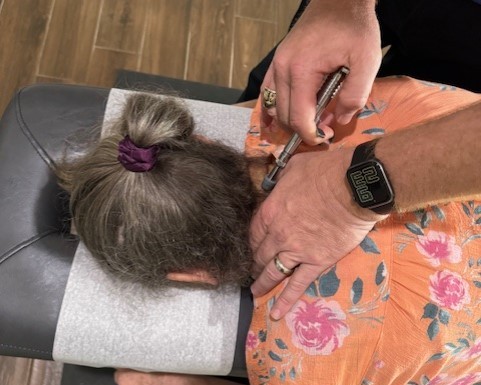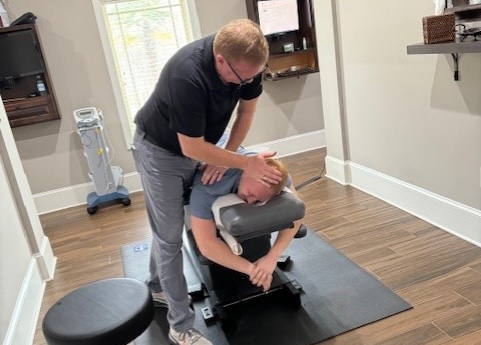

Chronic back pain can be a frustrating experience, affecting your daily life in numerous ways. Fortunately, you can find relief through simple yet effective strategies that prioritize posture, exercise, and stress management—approaches that align perfectly with chiropractic care. By consistently applying these techniques, you can regain control over your comfort and well-being, naturally.
Curious about the specific steps that can lead to a healthier back? Let’s explore some essential methods that could transform your approach to pain relief and enhance your overall wellness. Remember, chiropractic care is designed to address the root causes of discomfort, helping you achieve optimal health without the need for surgeries or medications.
Here are some valuable tips to help you alleviate chronic back pain:
- Focus on Posture: Maintaining good posture while sitting, standing, and even sleeping is crucial. Consider using ergonomic chairs and proper lumbar support to help keep your spine aligned.
- Stay Active: Regular, low-impact exercise can strengthen the muscles that support your back. Activities like walking, swimming, or yoga not only improve flexibility but also promote spinal health.
- Manage Stress: High stress levels can lead to muscle tension, exacerbating back pain. Incorporate relaxation techniques such as deep breathing, meditation, or gentle stretches into your daily routine.
- Listen to Your Body: Pay attention to any discomfort and adjust your movements accordingly. If certain activities cause pain, modify them or consult with your chiropractor for personalized advice.
- Stay Hydrated: Drinking plenty of water supports spinal health by keeping the discs in your spine hydrated and healthy.
- Chiropractic Adjustments: Regular visits to your chiropractor can help identify misalignments and restore proper function to your spine, providing lasting relief.
- Warm-Up Before Activity: Always take a few minutes to warm up your muscles before engaging in physical activity to prevent strain.
- Use Heat and Cold Therapy: Applying heat can relax and soothe tense muscles, while cold therapy can help reduce inflammation and numb sharp pain.
- Maintain a Healthy Weight: Excess weight can put added stress on your spine. Eating a balanced diet and engaging in regular exercise can help you maintain a healthy weight.
- Educate Yourself: Knowledge is power. Understanding how your spine works and the best practices for spinal health can empower you to take control of your wellness journey.
By integrating these strategies into your daily life and prioritizing chiropractic care, you can pave the way toward a pain-free, healthier future. Remember, your spine is the foundation of your health—taking care of it is the key to overall well-being!
Maintain Good Posture
When you maintain good posture, you not only support your spine but also reduce the strain on your muscles and ligaments. Proper alignment helps distribute your body weight evenly, preventing discomfort and fatigue.
Whether you’re sitting at your desk, standing in line, or walking, being mindful of your posture can make a significant difference in your overall well-being.
As a chiropractor, I often emphasize the importance of good posture for spinal health. Keep your shoulders back and relaxed, your head aligned with your spine, and your feet flat on the ground when seated.
If you’re standing, distribute your weight evenly on both feet and engage your core slightly. It’s essential to avoid slouching or leaning forward, as these habits can lead to unnecessary pressure on your back and contribute to chronic pain.
Making small adjustments throughout your day can lead to lasting changes. For example, take a moment to check your posture while working at your computer—ensure your screen is at eye level and your chair supports your lower back.
Over time, good posture becomes a habit that supports your overall health and helps alleviate chronic back pain.
Incorporating chiropractic care into your wellness routine can further enhance your posture and spinal alignment. Regular adjustments can help keep your spine in optimal condition, allowing your body to function at its best.
Focus on your posture today, and consider visiting a chiropractor for personalized guidance on achieving a healthier tomorrow. Remember, a strong foundation begins with a well-aligned spine!
Incorporate Stretching Exercises
Incorporating stretching exercises into your daily routine can significantly enhance your flexibility and alleviate tension in your back. As a chiropractor, I’ve seen firsthand how dedicating just a few minutes each day to stretching can lead to a noticeable reduction in tightness and discomfort.
It’s particularly important to focus on stretches that target the muscles in your lower back, hamstrings, and hips, as these areas are often contributors to back pain.
Simple stretches, such as the cat-cow stretch, seated forward bend, and child’s pose, can be incredibly beneficial. These movements promote blood flow and increase your range of motion, both essential for a healthy spine.
Remember to breathe deeply while you stretch; this not only helps your muscles relax but also enhances the overall benefits of each stretch.
Aim to hold each stretch for 15 to 30 seconds and repeat them 2-3 times. Consistency is key—consider incorporating these stretches into your morning or evening routine. Over time, you’ll likely find yourself feeling more agile and experiencing less discomfort throughout your day.
While stretching is a great way to support your back health, don’t forget that regular chiropractic care can play a crucial role in achieving optimal health and wellness.
Chiropractors are trained to assess and address the underlying causes of pain, helping you not only relieve symptoms but also improve your overall quality of life. By combining stretching with chiropractic adjustments, you can take a proactive approach to your well-being, ensuring that you live pain-free and stay active.
Strengthen Core Muscles
Strong core muscles are vital for maintaining a healthy spine and preventing chronic pain. When your core is well-developed, it provides essential support to your spine, helping to evenly distribute weight and reduce strain on your back.
As a chiropractor, I emphasize the importance of strengthening your core not just for pain relief, but also for enhancing your overall wellness.
To effectively strengthen your core, focus on exercises that target your abdominal muscles, obliques, and lower back. Simple movements such as planks, bridges, and bicycle crunches can be easily incorporated into your daily routine.
Start with the basics, and as you build strength, gradually increase the intensity of your workouts. Consistency is key—dedicating just a few minutes each day to core exercises can lead to significant improvements over time.
It’s also crucial to pay attention to your form during these exercises to prevent injury and ensure you’re engaging the right muscle groups. Adding variations to your workouts can keep them fresh and challenging, making it easier to stick with your routine.
Remember, strengthening your core not only helps alleviate back pain but also enhances your overall stability and mobility. This can lead to better posture and improved physical performance in your daily activities.
As you embark on your journey to a stronger core, consider how chiropractic care can complement your efforts. Regular chiropractic adjustments can help maintain spinal alignment and support your body’s natural healing processes, making it a valuable part of your wellness strategy.
Use Heat and Cold Therapy
As a local chiropractor, I want to share how using heat and cold therapy can significantly enhance your journey towards relief from chronic back pain.
These simple yet effective methods can be a fantastic complement to chiropractic care, which aims to address the root cause of your discomfort.
Heat therapy works wonders by helping to relax tense muscles and promoting better blood flow to the affected areas.
This increased circulation can aid in healing and provide a soothing effect on your back. You can apply heat through a warm towel, heating pad, or a warm bath—whatever feels best for you!
On the other hand, cold therapy is excellent for reducing inflammation and numbing sharp pain, especially after physical activity.
Applying an ice pack or a bag of frozen vegetables wrapped in a cloth for about 15-20 minutes can help alleviate those uncomfortable flare-ups.
By combining both heat and cold therapy, you can create a balanced approach to managing your pain.
However, it’s essential to remember that these methods should complement your chiropractic care.
Regular chiropractic adjustments can help maintain spinal alignment and support your body’s natural healing process, allowing you to enjoy life with improved mobility and comfort.
Here are some general tips to maximize your relief:
- Listen to Your Body: Pay attention to how your body responds to heat and cold. Everyone is different, so find what works best for you.
- Stay Consistent: Incorporate these therapies into your regular pain management routine along with your chiropractic visits.
- Stay Active: Gentle stretches and movements can enhance the benefits of heat and cold therapy, helping to keep your muscles flexible and strong.
- Communicate with Your Chiropractor: Always discuss your pain management strategies with your chiropractor to ensure they align with your overall treatment plan.
Remember, chiropractic care is your best ally in achieving optimal health and wellness.
Together, with heat and cold therapy, you can take significant strides towards a pain-free life!
Benefits of Heat Therapy
When dealing with chronic back pain, heat therapy can be a valuable addition to your wellness routine, especially when combined with chiropractic care. Applying heat to the affected area helps to increase blood flow, which promotes healing and reduces stiffness. You can utilize a heating pad, a hot water bottle, or even enjoy a warm bath to experience the soothing effects of heat.
This gentle warmth helps to relax tight muscles, providing noticeable relief from discomfort. Many people find that just 15-20 minutes of heat application can lead to significant improvement in how they feel.
In addition to its immediate benefits, heat therapy can also enhance your flexibility, making it easier to carry out daily activities. Remember to pay attention to your body; if you start to feel discomfort, it’s best to take a break.
Integrating heat therapy into your routine, along with regular chiropractic adjustments, can contribute to better mobility and an overall improved quality of life as you manage chronic back pain.
Always consider how chiropractic care can complement your use of heat therapy. A chiropractor can provide personalized advice and adjustments to help you achieve optimal health, ensuring that your spine is properly aligned and functioning well.
This holistic approach can lead to natural healing and enhanced well-being, allowing you to live life to the fullest.
Benefits of Cold Therapy
While heat therapy can provide soothing relief, I want to highlight the benefits of cold therapy as an effective tool for managing chronic back pain. Applying cold packs to the affected area can help numb pain and reduce inflammation. This method works by constricting blood vessels, which can decrease swelling, especially after an injury or during a flare-up.
Using cold therapy after intense physical activity or during painful episodes can offer quick relief. Just a few simple guidelines can make this process safe and effective: always wrap ice packs in a cloth to protect your skin and limit the application time to 15-20 minutes at a stretch.
Incorporating cold therapy into your pain management routine can beautifully complement the benefits of heat therapy. By balancing both treatments, you can enhance your comfort and mobility significantly.
As a chiropractor, I encourage you to explore natural healing methods like cold therapy alongside chiropractic care. This holistic approach can help you achieve optimal health and well-being, making it a great choice for pain relief.
Stay Active With Low-Impact Activities
Staying active is vital for managing chronic back pain, and low-impact activities can be an excellent way to achieve this without placing undue stress on your body. As a chiropractor, I encourage you to engage in exercises like walking, swimming, or cycling. These activities not only help strengthen your back muscles but also improve your flexibility, which is essential for maintaining a healthy spine.
Incorporating these exercises into your routine promotes better blood circulation, a key factor in healing and reducing pain. You don’t need to overexert yourself; consistency is what matters. Begin with short sessions and gradually increase the duration as you become more comfortable.
Adding gentle stretches to your routine can further enhance your range of motion and alleviate tightness around the spine. It’s also beneficial to find a workout buddy or join a local low-impact fitness class to help keep you motivated.
Remember, the goal is to stay active while being mindful of how your body feels. If something doesn’t seem right, don’t hesitate to modify the activity or take a break.
Chiropractic care can play a significant role in your journey to wellness. Regular adjustments can help align your spine, reduce discomfort, and enhance your overall mobility, making it easier to stay active.
Consider Physical Therapy
If you’re dealing with chronic back pain, chiropractic care could be the holistic solution you’ve been searching for. Unlike other treatments, chiropractic focuses on the spine and its alignment, which plays a crucial role in your overall health. By addressing misalignments, or subluxations, in your spine, chiropractors can help restore your body’s natural ability to heal itself and alleviate pain.
Chiropractic care is tailored to your unique needs, offering various techniques to target your specific issues. Whether you’re experiencing muscle tension, nerve pain, or stiffness, a skilled chiropractor can create a personalized plan to help you regain strength and improve your quality of life.
Here are some tips to enhance your recovery and maintain a healthy spine:
- Stay Active: Regular movement is key. Simple activities like walking or gentle stretching can keep your spine flexible and strong.
- Practice Good Posture: Pay attention to how you sit, stand, and move throughout the day. Good posture can prevent unnecessary strain on your back.
- Ergonomic Workspace: If you spend a lot of time at a desk, make sure your workspace is set up to support proper posture.
- Stay Hydrated: Drinking plenty of water supports spinal health by keeping the discs in your spine hydrated and functioning well.
- Listen to Your Body: If something doesn’t feel right, don’t push through the pain. Pay attention to your body’s signals and seek help if needed.
Chiropractic care not only aims to relieve your pain but also promotes overall wellness. By choosing this natural approach, you’re taking important steps toward achieving optimal health and a better quality of life.
Don’t hesitate to reach out to a local chiropractor to discuss your condition and explore how chiropractic care can help you on your healing journey.
Benefits of Physical Therapy
When struggling with chronic back pain, chiropractic care can be a transformative option for your recovery. This holistic approach focuses on restoring optimal spinal alignment, which is crucial for managing pain effectively. A skilled chiropractor will create a personalized treatment plan tailored to your unique needs, allowing you to heal at a comfortable pace.
Through chiropractic adjustments, you can regain strength, flexibility, and mobility—key factors in alleviating pain. You’ll also learn valuable techniques to improve your posture and body mechanics, which helps prevent future injuries. By addressing the root cause of your discomfort rather than just the symptoms, chiropractic care empowers you to take control of your health.
In addition to pain relief, regular chiropractic visits can enhance your overall well-being. By promoting proper spinal function, you may experience an increase in energy and a boost in mood, thanks to the natural endorphins released during treatment.
To support your recovery journey, consider incorporating these simple tips into your daily routine:
- Maintain good posture while sitting and standing to reduce strain on your back.
- Engage in gentle stretching exercises to enhance flexibility and relieve tension.
- Stay active with low-impact activities like walking or swimming, which can strengthen your back without causing stress.
- Practice stress-reducing techniques, such as deep breathing or meditation, to promote relaxation.
Types of Therapies Available
Chiropractic care is an excellent choice for managing chronic back pain and promoting overall wellness. While there are various therapies available, chiropractic treatment focuses on addressing the root cause of pain through spinal adjustments and holistic care. By aligning your spine, we can help reduce pain, improve mobility, and enhance your body’s natural ability to heal.
In addition to chiropractic adjustments, incorporating physical therapy exercises can be beneficial. A trained therapist can help you with specific movements designed to strengthen your back and increase flexibility, complementing the adjustments you receive in our office.
Another supportive therapy to consider is acupuncture, which targets pain points and aids in healing. While some may find relief through this method, chiropractic care directly addresses spinal misalignments that often contribute to pain.
Massage therapy is another great option, as it helps to release muscle tension and improve your comfort. Many patients find that combining massage with chiropractic adjustments leads to a more thorough recovery.
Cognitive-behavioral therapy can also play a role in managing chronic pain. By focusing on the emotional aspects of pain, you can learn valuable coping strategies that work well alongside chiropractic care.
Moreover, don’t underestimate the power of heat and cold therapy. Applying heat can relax tight muscles, while cold therapy can reduce inflammation. These simple methods can be easily integrated into your daily routine for added relief.
Ultimately, the best approach to managing chronic back pain is through a comprehensive plan that prioritizes chiropractic care. By focusing on spinal health and incorporating supportive therapies, you can achieve long-term relief and enhance your overall well-being.
Choosing the Right Therapist
Choosing the Right Chiropractor for Your Health Needs
When it comes to finding the right chiropractor for your health and wellness journey, it’s important to choose someone who understands your unique situation and can provide effective, natural treatment. Here are four key factors to consider when making your choice:
- Qualifications: Ensure the chiropractor is licensed and has specialized training in spinal health and holistic care. This is crucial for addressing issues like back pain effectively.
- Experience: Look for a chiropractor who’s successfully treated patients with similar conditions to yours. Their experience can be invaluable in helping you achieve your health goals.
- Approach: Opt for a chiropractor who utilizes evidence-based techniques and tailors treatment plans specifically to your individual needs. This personalized approach can significantly enhance your recovery and overall wellness.
- Communication: Choose a chiropractor who listens to your concerns and answers your questions thoroughly. Feeling comfortable and understood throughout your treatment is essential for a successful healing process.
Remember, selecting the right chiropractor can greatly impact your recovery journey and overall health. Chiropractic care focuses on the root cause of pain and promotes natural healing, making it a great choice for those seeking pain relief and a healthier lifestyle.
By addressing spinal alignment and function, you can pave the way for optimal health and well-being.
As a takeaway, consider incorporating simple wellness practices into your daily routine, such as maintaining good posture, staying active, and being mindful of your body mechanics. These habits can complement your chiropractic care and support your journey toward a healthier you.
Manage Stress and Anxiety
Managing stress and anxiety is crucial for anyone experiencing chronic back pain, especially since emotional strain can intensify physical discomfort. When you’re feeling stressed, your muscles tend to tighten, which can lead to increased pain. One effective way to alleviate this tension is by incorporating relaxation techniques into your daily routine.
Start with deep breathing exercises. These simple techniques can help calm your mind and release tension from your body. Just a few minutes of focused breathing each day can make a significant difference in how you feel.
Another beneficial practice is mindfulness or meditation. These techniques help you stay grounded in the present moment, which can significantly reduce anxiety and promote a greater sense of well-being. Even just a few minutes of meditation can help clear your mind and ease your worries.
Regular physical activity is also essential. Activities like walking or yoga not only lower stress levels but also release endorphins, your body’s natural pain relievers. These endorphins can help you manage your back pain more effectively.
Don’t forget the power of support. Reach out to friends, family, or even a mental health professional if you’re feeling overwhelmed. Sharing your feelings can lighten your emotional load and introduce you to new coping strategies.
As a chiropractor, I believe that managing stress and anxiety is an integral part of your overall health. By focusing on these aspects of wellness, you can create a more favorable environment for your body’s recovery.
Evaluate Your Sleeping Position
Evaluate Your Sleeping Position for Better Spinal Health
Did you know that your sleeping position plays a significant role in your spinal health and can affect your back pain? The way you sleep impacts the alignment of your spine, which can either help or hinder your comfort.
As a chiropractor, I want to share some helpful tips to assess and improve your sleeping habits for better overall wellness:
- Back Sleepers: If you prefer sleeping on your back, it’s important to use a supportive pillow that keeps your neck aligned with your spine. A simple trick is to place a pillow under your knees. This helps to reduce pressure on your lower back and encourages a healthier sleep posture.
- Side Sleepers: For those who sleep on their sides, using a thicker pillow is essential. This helps fill the gap between your head and the mattress, promoting better spinal alignment. Additionally, consider placing a pillow between your knees to provide extra support and reduce strain on your hips and lower back.
- Stomach Sleepers: Sleeping on your stomach can be tough on your neck and spine. If this is your go-to position, try switching to a thin pillow or even no pillow at all under your head. This can help reduce neck strain and encourage a more neutral spine position.
- Mattress Quality: The quality of your mattress is crucial for a good night’s sleep. Make sure your mattress provides adequate support. A medium-firm mattress is often recommended for those dealing with back pain, as it can help maintain the natural curvature of your spine.
By evaluating your sleeping habits and making these adjustments, you can significantly reduce chronic back pain.
Remember, chiropractic care is an excellent option for achieving optimal health and wellness. Regular chiropractic visits can help improve your spinal alignment and overall well-being, allowing you to enjoy restful sleep and a pain-free life.
Prioritize your spinal health and make these changes today!
Explore Alternative Treatments
When it comes to managing chronic back pain, chiropractic care stands out as a top choice for natural healing and wellness. Unlike other treatments, chiropractic adjustments focus on aligning the spine and improving overall function, which can lead to significant pain relief.
Let’s explore how chiropractic care can help you find comfort and promote a healthier lifestyle.
Chiropractic adjustments work by correcting misalignments in the spine, which can relieve pressure on nerves and muscles. This not only alleviates pain but also enhances your body’s ability to heal itself.
Regular chiropractic care can lead to improved mobility, increased energy, and a better quality of life.
If you’re looking for ways to support your back health at home, here are some simple tips you can incorporate into your daily routine:
- Practice Good Posture: Whether you’re sitting at a desk or standing in line, maintaining good posture can help reduce strain on your back. Keep your shoulders back and your spine aligned.
- Stay Active: Regular physical activity strengthens the muscles that support your spine. Simple exercises like walking, stretching, or yoga can make a big difference.
- Use Proper Lifting Techniques: When lifting heavy objects, bend at your knees and keep the object close to your body. Avoid twisting your spine while lifting to prevent injury.
- Invest in a Good Mattress: A supportive mattress can significantly impact your back health. Ensure your mattress supports your spine’s natural curves.
- Stay Hydrated: Keeping your body hydrated helps maintain the elasticity of your spinal discs, which can reduce discomfort.
By choosing chiropractic care, you’re opting for a holistic approach that not only addresses pain but also promotes overall wellness.
If you’re struggling with chronic back pain, I invite you to explore how chiropractic adjustments can be a vital part of your journey to better health.
You’re not just treating symptoms; you’re investing in a healthier, more vibrant future!
Acupuncture for Pain Relief
Chiropractic care provides a holistic approach to managing chronic back pain by addressing the underlying causes rather than just the symptoms. Unlike other methods, chiropractic focuses on the alignment of the spine and the overall health of the nervous system, which plays a crucial role in your body’s ability to heal itself.
Here’s how chiropractic care can benefit you:
- Improves Spinal Alignment: By realigning your spine, chiropractic adjustments can reduce pressure on nerves, which may help alleviate pain.
- Enhances Mobility: Regular chiropractic adjustments can improve your range of motion, making daily activities easier and less painful.
- Promotes Natural Healing: Chiropractic care encourages your body’s natural healing processes, allowing you to recover without relying on medications or invasive procedures.
- Reduces Muscle Tension: Adjustments can help relax tight muscles and relieve discomfort, promoting a sense of well-being.
In addition to chiropractic adjustments, here are some general tips for managing chronic back pain:
- Stay Active: Engage in low-impact exercises such as walking or swimming to strengthen your back and improve flexibility.
- Maintain Good Posture: Be mindful of your posture when sitting, standing, or lifting to reduce strain on your back.
- Use Heat or Cold Therapy: Applying a heating pad or ice pack can help soothe muscle tension and inflammation.
- Practice Stress Management: Techniques like deep breathing, yoga, or meditation can help reduce stress, which may contribute to muscle tightness.
Consider making chiropractic care a part of your health and wellness routine. It’s a natural, effective way to manage chronic back pain and promote overall well-being.
Chiropractic Adjustments Benefits
Chiropractic adjustments are a fantastic way to boost your overall health and well-being! By realigning your spine, these adjustments can help reduce tension and improve your posture. When your spine is in alignment, it eases nerve interference, which often means less pain and greater mobility for you.
Many of my patients report that regular chiropractic care not only alleviates their chronic back pain but also increases their energy levels and lifts their mood. You may even find that you sleep better; a well-aligned spine can promote deeper relaxation and a more restful night’s sleep.
One of the best things about chiropractic care is that it’s a non-invasive treatment option. This means that you can avoid the risks associated with medications or surgeries. Instead, chiropractic adjustments provide a natural path to pain relief and wellness that prioritizes your body’s ability to heal itself.
If you’re struggling with chronic back pain or just looking to improve your overall health, I encourage you to consider chiropractic care. It’s a safe, effective, and holistic approach to achieving optimal wellness.
Here are a few simple tips to enhance the benefits of your chiropractic adjustments:
- Stay Active: Regular movement can help maintain spinal alignment. Incorporate gentle exercises like walking, stretching, or yoga into your daily routine.
- Practice Good Posture: Be conscious of your posture while sitting and standing. Keeping your spine aligned can support the benefits of your adjustments.
- Hydrate: Drinking plenty of water helps keep your joints lubricated and supports overall health.
- Sleep Well: Create a sleep environment that promotes relaxation, and try to sleep on your back or side with proper support for your neck and spine.
Consult a Healthcare Professional
If you’re dealing with chronic back pain, consulting a chiropractor can be a vital step towards achieving natural relief and optimal health. Chiropractors specialize in spinal health and can provide personalized guidance to help you on your journey to wellness.
Here’s how you can make the most of your visit to a chiropractor:
- Keep a Pain Diary: Track your pain levels, what activities trigger discomfort, and any relief methods you’ve tried. This can help your chiropractor understand your unique situation better.
- Ask About Chiropractic Techniques: Inquire about the various techniques available, such as adjustments or soft tissue therapy, and how they can specifically benefit your condition.
- Follow Through with Care Plans: If your chiropractor recommends a treatment plan, such as regular adjustments or exercises, be sure to stick with it. Consistency is key to finding lasting relief.
- Stay Engaged in Your Health: Regularly check in with your chiropractor to discuss your progress. This helps them adjust your treatment as necessary and keeps you on the path to healing.
- Consider Lifestyle Changes: Your chiropractor may suggest exercises, stretches, or ergonomic adjustments to your daily routine that can further support your spinal health and reduce pain.
Conclusion
As a local chiropractor, my goal is to help you alleviate chronic back pain and enhance your overall well-being through natural methods. By implementing these ten steps, you can take charge of your health and pave the way to a pain-free life—without the need for medications or surgeries.
- Maintain Good Posture: Proper alignment is key to reducing strain on your spine. Be mindful of how you sit, stand, and move throughout the day.
- Incorporate Stretching and Strengthening Exercises: Gentle stretches and targeted exercises can strengthen your back and support muscles. Consider working with a chiropractor to create a personalized plan that suits your needs.
- Stay Active with Low-Impact Activities: Engage in activities like walking, swimming, or cycling to keep your body moving without putting too much stress on your back.
- Manage Stress: Stress can contribute to muscle tension and exacerbate pain. Incorporate relaxation techniques such as deep breathing, meditation, or yoga to help reduce stress levels.
- Evaluate Your Sleeping Position: Ensure you have a supportive mattress and pillow. Sleeping on your side with a pillow between your knees can help maintain spinal alignment.
- Explore Chiropractic Care: Regular chiropractic adjustments can help restore proper alignment, reduce pain, and enhance your body’s natural ability to heal.
- Stay Hydrated: Drinking plenty of water supports spinal health by keeping your discs hydrated and functioning properly.
- Limit Time Spent Sitting: Prolonged sitting can hurt your back. Take breaks to stretch and move around, especially if you have a desk job.
- Use Proper Lifting Techniques: When lifting objects, bend at your knees and keep your back straight. This reduces the risk of injury and strain.
- Listen to Your Body: Pay attention to any discomfort or pain signals. If something doesn’t feel right, don’t hesitate to reach out to your chiropractor for guidance.
By focusing on these steps and prioritizing chiropractic care, you can achieve optimal health and a pain-free lifestyle naturally. Remember, your spine is the foundation of your overall health, so taking care of it is essential for your well-being.