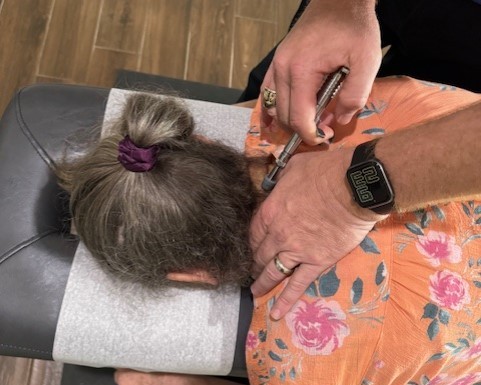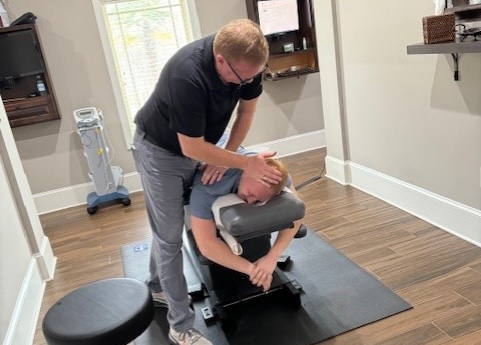

When considering your health, have you thought about how tailored treatment plans could greatly enhance your well-being? These personalized strategies focus on your unique medical history, lifestyle, and goals, fostering a collaborative relationship with your healthcare provider. This approach not only promotes better adherence to treatment but also guarantees that your specific health challenges are addressed. Yet, the real question remains: how do you effectively integrate these tailored plans into your daily life for best outcomes?
Understanding Tailored Treatment Plans
Understanding tailored treatment plans involves recognizing their unique approach to individual healthcare needs. These plans focus on you, considering your specific medical history, lifestyle, preferences, and goals. Instead of a one-size-fits-all solution, tailored treatment plans provide a roadmap designed just for you.
When you engage with a healthcare provider, they'll assess your unique circumstances. This might include detailed discussions about your symptoms, existing conditions, and any past treatments you've undergone. They'll also consider factors like your age, gender, and even cultural background, which can influence your health journey. By understanding these elements, your provider can create a plan that best fits your individual needs.
Tailored treatment plans can encompass various aspects of healthcare, from medication regimens to lifestyle modifications. For instance, if you're managing a chronic illness, your treatment might include a combination of medications, nutritional guidance, and exercise recommendations tailored specifically for you. This approach empowers you to take an active role in your health and fosters a sense of ownership over your care.
Additionally, these plans often require regular follow-ups to assess your progress and make necessary adjustments. This ongoing feedback loop allows for flexibility, ensuring that your treatment evolves as your needs change.
Ultimately, understanding tailored treatment plans means recognizing that effective healthcare is a partnership, one that seeks to enhance your well-being by honoring your unique health journey.
Importance of Personalization
Personalization in healthcare makes a significant difference in treatment outcomes. When your treatment plan is tailored to your unique needs, preferences, and circumstances, you're more likely to engage with and adhere to it. This engagement is essential because you're not just another patient; you're an individual with specific health issues, lifestyle choices, and emotional factors that can influence how you respond to treatment.
By focusing on personalization, healthcare providers can consider your medical history, genetic factors, and even your daily routine. This all-encompassing approach allows them to craft interventions that resonate with you on a personal level. For instance, if you find a particular medication difficult to tolerate, a personalized plan can help identify alternatives that suit you better. You'll feel more empowered in your healthcare journey, which can lead to improved motivation and better results.
Additionally, personalized treatment plans help in identifying potential risks or complications that may not be apparent in a generalized approach. By anticipating these challenges, you and your healthcare provider can proactively address them, ensuring a smoother path to recovery.
Ultimately, when you feel seen and understood in your healthcare journey, it fosters a stronger therapeutic alliance with your provider. This connection can enhance your trust and satisfaction, making you more likely to stick with your treatment and achieve your health goals.
Personalization transforms healthcare from a one-size-fits-all approach into a supportive, collaborative experience that prioritizes your well-being.
Key Components of Tailored Plans
A successful tailored treatment plan incorporates several key components that work together to address your individual health needs effectively.
These components guarantee that your treatment not only targets your specific issues but also enhances your overall well-being.
Here are the essential elements you'll want to take into account:
- Comprehensive Assessment: It all starts with a thorough evaluation of your medical history, lifestyle, and personal preferences. This helps identify your unique health challenges.
- Clear Goals: Establishing measurable and achievable goals is important. These objectives guide your treatment and provide benchmarks to track your progress.
- Personalized Interventions: Based on your assessment, tailored interventions—such as lifestyle changes, medication, or therapy—are designed specifically for you. This custom approach increases the likelihood of success.
- Ongoing Monitoring: Regular check-ins and assessments are critical. They allow you to adjust your plan as needed, guaranteeing that it remains effective and aligned with your evolving health status.
- Support Systems: Incorporating a support network, whether through family, friends, or professional resources, can greatly impact your journey.
Emotional and practical support can boost your motivation and commitment.
Role of Healthcare Providers
Healthcare providers play an essential role in creating personalized care approaches that cater to your unique needs.
They work collaboratively with you to develop treatment strategies and guarantee that your plan stays on track.
Continuous monitoring and adjustment are critical, so you can achieve the best possible outcomes.
Personalized Care Approach
Every patient deserves a treatment plan that reflects their unique needs and circumstances. A personalized care approach is essential for achieving the best health outcomes.
When healthcare providers tailor their strategies to match your individual profile, they enhance your engagement and satisfaction with the treatment process.
Here's how a personalized care approach can make a difference:
- Comprehensive Assessments: Providers conduct thorough evaluations to understand your medical history, lifestyle, and preferences.
- Individual Goal Setting: Together, you set realistic and achievable health goals that resonate with your aspirations.
- Customized Interventions: Treatment options are tailored to suit your specific health conditions and responses to previous treatments.
- Ongoing Monitoring: Your progress is regularly assessed, allowing for adjustments in the treatment plan as necessary.
- Empowerment: You're encouraged to actively participate in your care, fostering a sense of ownership over your health journey.
Collaborative Treatment Strategies
In today's complex healthcare landscape, collaborative treatment strategies are essential for optimizing patient outcomes. You'll find that effective collaboration among healthcare providers fosters a holistic approach to your care. When doctors, nurses, therapists, and specialists work together, they can combine their expertise to create a thorough treatment plan tailored just for you.
Communication is key in this collaborative environment. Regular discussions among your healthcare team guarantee everyone is on the same page regarding your diagnosis, treatment options, and progress. This shared understanding helps avoid duplication of efforts and minimizes the risk of conflicting treatments.
You benefit from a more streamlined process, where your providers can address your needs more efficiently. Additionally, involving you in these discussions empowers you to take an active role in your treatment. Your insights and preferences matter, and when providers listen to you, they can adjust strategies to better match your lifestyle and values.
Ultimately, collaborative treatment strategies not only enhance your care experience but also lead to better health outcomes. By working together, your healthcare team can provide the most effective, personalized support on your journey to well-being.
Continuous Monitoring and Adjustment
Continuous monitoring and adjustment are essential components of effective treatment plans. As a patient, you'll benefit from regular check-ins and evaluations by your healthcare providers. They play a vital role in ensuring your treatment remains relevant and effective as your condition evolves.
By maintaining open communication, you empower your providers to make informed decisions based on your progress and feedback.
Consider these key aspects of continuous monitoring:
- Regular Assessments: Frequent evaluations help identify changes in your health status.
- Personalized Feedback: Your input is significant for tailoring treatment to fit your unique needs.
- Proactive Adjustments: Quick responses to any setbacks can enhance your overall well-being.
- Data Tracking: Monitoring your symptoms and side effects aids in refining your treatment.
- Collaboration: Working together with your healthcare team fosters a supportive environment.
Integrating Lifestyle Factors
When creating your tailored treatment plan, it's crucial to contemplate how nutrition and physical activity impact your health.
Eating well fuels your body, while regular exercise boosts your overall well-being.
Nutrition's Role in Health
Nutrition plays an essential role in your overall health and well-being, influencing everything from energy levels to disease prevention. The food you consume directly impacts how your body functions, affecting your mood, mental clarity, and even your immune system.
By making informed choices about what you eat, you can foster a healthier lifestyle tailored to your unique needs.
Consider these key aspects of nutrition that contribute to your well-being:
- Balanced Diet: Aim for a variety of foods to guarantee you get all essential nutrients.
- Hydration: Staying hydrated supports bodily functions and enhances energy levels.
- Whole Foods: Focus on whole, unprocessed foods for maximum nutrient intake.
- Mindful Eating: Pay attention to portion sizes and eat slowly to improve digestion.
- Limit Sugars and Fats: Reducing added sugars and unhealthy fats can lower disease risk.
Physical Activity Benefits
Incorporating regular physical activity into your daily routine amplifies the benefits of a balanced diet and enhances your overall health. Engaging in exercise helps you maintain a healthy weight, boosts your energy levels, and improves your mood. When you move more, your body releases endorphins, which can combat feelings of stress and anxiety, leaving you feeling happier and more focused.
Moreover, physical activity strengthens your cardiovascular system, reducing the risk of heart disease and high blood pressure. You'll also improve your muscle strength and flexibility, which helps prevent injuries and enhances your overall mobility. Whether it's walking, jogging, cycling, or swimming, finding an activity you enjoy makes it easier to stick with it.
In addition, regular exercise promotes better sleep patterns, ensuring you wake up refreshed and ready to tackle the day. It also boosts your immune system, making you less susceptible to common illnesses.
Measuring Success and Outcomes
Success in tailored treatment plans hinges on effectively measuring outcomes. You need to track specific indicators that show how well the plan is working for you. This isn't just about feeling better; it's about quantifying improvements in your health, mood, and overall quality of life.
By establishing clear metrics, you can assess whether your treatment is achieving its goals and make necessary adjustments.
Here are some key metrics to evaluate when measuring success:
- Symptom Reduction: Track the frequency and intensity of your symptoms over time.
- Functional Improvement: Evaluate how well you're able to perform daily activities compared to before starting the treatment.
- Quality of Life: Use standardized questionnaires to gauge your overall satisfaction and well-being.
- Adherence to the Plan: Monitor how consistently you follow your tailored treatment plan, as this can greatly impact outcomes.
- Feedback from Healthcare Providers: Regular check-ins with your healthcare team can provide valuable insights into your progress.
Future of Personalized Healthcare
As we look ahead, personalized healthcare is poised to revolutionize how you experience treatment and wellness. Emerging technologies and data analytics are reshaping the landscape, making it easier to tailor healthcare solutions to your unique needs.
Imagine a future where your medical history, genetic makeup, lifestyle choices, and even preferences are integrated into your treatment plan. This level of customization can lead to more effective interventions and improved health outcomes.
With advancements in artificial intelligence, healthcare providers will be able to analyze vast amounts of data to predict health risks and recommend preventive measures. You'll no longer wait for symptoms to appear; instead, proactive strategies will be implemented to keep you healthier longer.
Wearable technology will monitor your essential signs in real-time, alerting you and your healthcare team to potential issues before they escalate.
Telemedicine will also play a significant role, allowing you to connect with specialists from anywhere, ensuring you receive the best care regardless of location. This convenience means you can have a personalized consultation without the barriers of travel or long wait times.
Moreover, as patient engagement increases, you'll find yourself more involved in your healthcare decisions. You'll have access to your health data, enabling you to make informed choices.
The future of personalized healthcare is bright, and it's all about you—your health, your choices, and your well-being. Embrace this transformation, as it promises to enhance not just your treatment but your overall quality of life.
Conclusion
To summarize, tailored treatment plans can greatly enhance your well-being by addressing your unique healthcare needs. By focusing on personalization, you foster a stronger partnership with your healthcare provider, promoting trust and satisfaction. With regular assessments and adjustments, your treatment can evolve alongside your goals, ensuring it remains effective. Embracing this collaborative approach not only improves your health outcomes but also empowers you to take an active role in your own wellness journey.