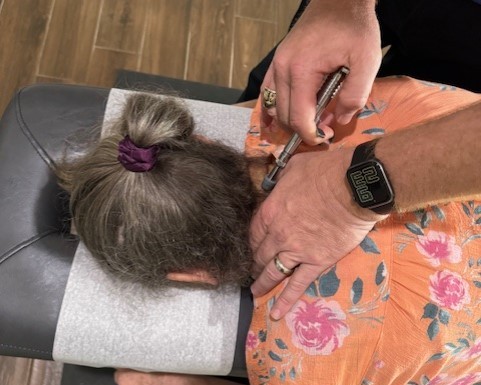

When you think about your health, have you considered how a tailored wellness plan could make a difference? By focusing on your unique body type, lifestyle, and personal goals, you can create a strategy that truly resonates with you. This approach not only enhances motivation but also fosters accountability, leading to sustainable results. But what are the essential components that make up a successful plan? Understanding these elements can be the key to revealing your ideal health journey.
Understanding Tailored Wellness
Understanding tailored wellness starts with recognizing that no two individuals are the same. Your body, your lifestyle, and your goals all play significant roles in shaping what wellness means for you. When you explore tailored wellness, it's essential to assess your unique needs. This means looking at factors like your age, gender, health history, and even your emotional well-being.
You might be someone who thrives on high-intensity workouts, or perhaps you prefer calming yoga sessions. Identifying your preferences can help you create a wellness plan that feels less like a chore and more like a lifestyle you enjoy. The key is to tune into what works for you rather than following generic advice.
Next, think about your nutritional habits. Are you someone who enjoys cooking, or do you rely on convenience foods? Tailoring your dietary choices to fit your lifestyle can enhance your overall health. You'll find that small adjustments, like incorporating more whole foods or experimenting with meal prepping, can make a significant difference.
Lastly, don't forget about your mental and emotional health. Engaging in mindfulness practices or seeking social connections can be just as important as physical activity. Tailored wellness isn't just about the body; it's about nurturing your mind and spirit too.
Benefits of Personalized Plans
Personalized wellness plans offer numerous advantages that cater specifically to your unique needs and preferences. One of the most significant benefits is that these plans help you achieve your health goals more effectively. By focusing on your individual circumstances, such as your lifestyle, medical history, and personal preferences, you're more likely to stay motivated and engaged in the process.
Another advantage is the increased accountability. When you have a tailored plan, you're more likely to track your progress, making it easier to recognize your achievements and identify areas for improvement. This sense of responsibility can foster a greater commitment to your wellness journey, ensuring you stay on the right path.
Moreover, personalized plans can lead to better results. Generic wellness programs often fail to address specific challenges you might face, whereas a customized approach takes into account your unique fitness level, dietary needs, and mental well-being. You'll find that the strategies designed for you yield more effective outcomes.
Additionally, personalized plans can enhance your overall well-being by incorporating elements that resonate with you emotionally and mentally. Whether it's a favorite type of exercise or a specific dietary choice, these familiar components can transform your wellness routine into an enjoyable experience rather than a chore.
Ultimately, investing in a personalized wellness plan sets you up for success. By aligning your health strategies with your individual needs, you're more likely to cultivate sustainable habits that lead to long-term health and happiness.
Key Components of Wellness Plans
Incorporating essential elements into your wellness plan is critical for achieving ideal health. First, consider nutrition. A balanced diet rich in whole foods, including fruits, vegetables, lean proteins, and healthy fats, forms the foundation of your wellness journey. Paying attention to portion sizes and meal timing can enhance your overall energy levels and support your health goals.
Next, exercise is another key component. Aim for a mix of aerobic, strength, flexibility, and balance training. Regular physical activity not only boosts your mood but also helps in weight management and reduces the risk of chronic diseases. Find activities you enjoy, as this will make it easier to stick with your routine.
Don't overlook the importance of mental health. Incorporating stress management techniques, such as mindfulness, meditation, or yoga, can greatly improve your overall well-being. Ensuring you have adequate sleep is also critical, as it allows your body to recover and rejuvenate.
Social connections play an essential role too. Building a support system of friends and family can provide encouragement and motivation throughout your wellness journey.
Finally, consider regular health check-ups and screenings, as they can help you stay informed about your health status and allow for early detection of potential issues.
Assessing Individual Needs
To create a wellness plan that truly works for you, it's crucial to assess your personal health and lifestyle.
Understanding your unique needs and aligning them with your goals will set a solid foundation for success.
Let's explore how to evaluate these factors effectively.
Personal Health Assessments
As you commence on your wellness journey, understanding your unique health needs is essential for achieving ideal results. Personal health assessments play an important role in identifying what works best for you. These assessments can include a variety of evaluations, from physical examinations to lifestyle questionnaires.
Start by gathering information about your medical history, fitness level, and dietary habits. This data helps you pinpoint areas needing attention and gives a clear picture of your overall health status. You might also consider using tools like biometric screenings to measure key health indicators, such as blood pressure, cholesterol, and glucose levels.
Don't forget the importance of mental and emotional well-being. Incorporating assessments that evaluate stress levels and emotional health can provide a more thorough view of your wellness.
Once you have this information, you're better equipped to make informed decisions about your health. Whether it's adjusting your diet, increasing physical activity, or managing stress, knowing your baseline allows you to tailor your approach effectively.
Personal health assessments set the foundation for a successful, personalized wellness plan that aligns with your unique needs.
Lifestyle and Goal Alignment
Aligning your lifestyle with your health goals is essential for achieving lasting wellness. To create an effective wellness plan, start by evaluating your individual needs.
Think about your daily habits, routines, and the obstacles that might be hindering your progress. Are you getting enough sleep? How's your diet? Do you exercise regularly?
Next, set clear, achievable goals. Instead of vague aspirations like "I want to be healthier," aim for specifics: "I'll walk 30 minutes a day, five days a week." This clarity helps you focus and track your progress.
Consider your environment, too. Are your surroundings supportive of your goals? If you want to eat healthier, stock your kitchen with nutritious options and limit junk food.
Lastly, don't forget to adjust your plan as needed. Life changes, and so should your approach. Regularly revisit your goals and evaluate what's working and what's not.
This ongoing evaluation guarantees you stay aligned with your health objectives and can adapt to new challenges. Remember, the journey to prime health is personal, so tailor your lifestyle to support your unique goals.
Nutrition Strategies for Wellness
When it comes to nutrition, balanced meal planning is key to your wellness journey.
You'll want to focus on nutrient-dense food choices that fuel your body and support overall health.
Let's explore how these strategies can make a significant impact on your well-being.
Balanced Meal Planning
Creating a balanced meal plan is fundamental for maintaining ideal health and well-being. It helps guarantee you get the right mix of nutrients your body needs to function at its best. Start by incorporating a variety of food groups into your daily meals, including fruits, vegetables, whole grains, lean proteins, and healthy fats.
Aim for colorful plates, as diverse colors often signify a range of nutrients. Don't forget to pay attention to portion sizes; even healthy foods can contribute to weight gain if consumed in excess.
Planning your meals around your daily activities can also be advantageous. For instance, if you have a busy day ahead, prepare meals in advance to avoid unhealthy choices on the go.
Try to include a source of protein in each meal, as it helps you feel full longer and supports muscle health. Additionally, stay mindful of your hydration—water is essential for overall wellness.
Experiment with different recipes to keep your meals enjoyable and satisfying. By dedicating time to balanced meal planning, you'll not only enhance your nutritional intake but also support your overall health and well-being.
Nutrient-Dense Food Choices
Nutrient-dense food choices are essential for fueling your body with the vitamins and minerals it needs to thrive. When you prioritize these foods, you're not just filling your plate; you're investing in your overall health.
Focus on whole foods like vegetables, fruits, whole grains, lean proteins, and healthy fats. These options provide high nutritional value without excess calories.
Incorporate a variety of colorful fruits and vegetables into your meals. Each color represents different nutrients that contribute to your body's needs. For instance, leafy greens like spinach are packed with iron, while berries offer antioxidants that protect your cells.
Choose whole grains over refined grains. Quinoa, brown rice, and oats not only provide fiber but also help you feel full longer, curbing unhealthy snacking.
Lean proteins such as chicken, fish, beans, and legumes are also key, as they support muscle repair and overall body function.
Healthy fats from sources like avocados, nuts, and olive oil can boost heart health.
Exercise Plans for Every Lifestyle
Finding the right exercise plan can transform your approach to fitness and overall wellness. Whether you're a busy professional, a stay-at-home parent, or a retiree, there's an exercise routine that fits your lifestyle and helps you achieve your goals.
If you're short on time, high-intensity interval training (HIIT) might be your best bet. This method packs a powerful workout into 20-30 minutes, combining short bursts of intense exercise with brief rest periods. You can easily fit it into your day, making it ideal for a hectic schedule.
For those who enjoy social interaction, group classes like yoga, Zumba, or spin can be motivating and fun. These classes create a sense of community and accountability, helping you stay committed to your fitness journey.
Plus, you'll learn new techniques and meet like-minded individuals.
If you prefer solitude or want to enjoy nature, consider walking, running, or cycling outdoors. These activities allow you to set your own pace and schedule. You can also explore local parks or trails, making your workout more enjoyable and invigorating.
For individuals looking for a low-impact option, swimming or Pilates can be excellent choices. Both provide full-body workouts while being easy on the joints.
Ultimately, the best exercise plan is one that you'll stick to long-term. Prioritize what you love and what challenges you in a manageable way.
Mental Health Considerations
Exercise plays a significant role in boosting your mental health, just as it does for your physical fitness. When you engage in regular physical activity, your brain releases endorphins, which help reduce stress and improve your mood. You might find that even a short workout can clear your mind and elevate your spirits, making it an essential component of your wellness plan.
In addition to exercise, it's crucial to pay attention to your emotional needs. Practicing mindfulness and meditation can enhance your self-awareness and help you manage anxiety. Setting aside time each day to focus on your breath or reflect on your thoughts can create a calming routine that promotes mental clarity.
Don't underestimate the importance of social connections, either. Engaging with friends and family can provide valuable support and reduce feelings of isolation. Consider scheduling regular catch-ups, whether in person or virtually, to strengthen those bonds that contribute positively to your mental well-being.
Moreover, be mindful of your nutrition. A balanced diet not only fuels your body but can also impact your mood. Foods rich in omega-3 fatty acids, antioxidants, and vitamins can help enhance your brain function and emotional stability.
Lastly, don't hesitate to seek professional help if you're feeling overwhelmed. A mental health professional can offer tailored strategies and support, ensuring you have the right tools to navigate life's challenges.
Prioritizing your mental health is just as important as focusing on your physical fitness.
Monitoring Progress and Adjustments
Tracking your progress is essential for achieving ideal health and ensuring your wellness plan remains effective. Regularly monitoring your goals allows you to see what's working and where adjustments are needed. Start by setting specific, measurable objectives. Whether it's losing weight, improving stamina, or enhancing mental clarity, clear targets give you a benchmark.
You should keep a journal to record your daily activities, dietary choices, and emotional well-being. This not only provides insights into your habits but also helps identify patterns that may impact your health. Make it a habit to review your journal weekly. This reflection can highlight successes and areas for improvement, keeping you motivated and accountable.
Don't hesitate to adjust your wellness plan based on your findings. If you notice you're not progressing as expected, tweak your diet, exercise routine, or self-care practices. Remember, your needs may change over time due to various factors like stress, seasonal changes, or shifts in your lifestyle. Staying adaptable is key.
Consider seeking feedback from health professionals or wellness coaches. Their expertise can provide valuable insights and help you make informed adjustments. Regular check-ins can also keep you on track, offering encouragement and accountability.
Finally, celebrate your milestones, no matter how small. Recognizing your achievements fosters a positive mindset and encourages continued progress. By actively monitoring and adjusting your wellness plan, you'll stay aligned with your health goals and pave the way for lasting success.
Building Sustainable Healthy Habits
Creating sustainable healthy habits is the cornerstone of any effective wellness plan. You need to focus on gradual changes that fit seamlessly into your lifestyle. Start by identifying one or two areas you want to improve, like nutrition or physical activity. Making small adjustments makes it easier to stick to them long-term.
When it comes to nutrition, try swapping out processed snacks for healthier options, like fruits or nuts. Instead of overhauling your entire diet overnight, aim to incorporate more whole foods into your meals each week. This approach helps you get accustomed to healthier choices without feeling overwhelmed.
Physical activity is another vital component. Instead of committing to a rigorous workout routine, begin with activities you enjoy. Whether it's walking, dancing, or cycling, make it fun! Set achievable goals, like exercising for 20 minutes a day, and gradually increase your duration and intensity.
Accountability also plays a significant role in building sustainable habits. Share your goals with friends or family, or consider joining a community group where you can support each other. This social aspect can boost your motivation and keep you committed.
Lastly, don't forget to celebrate your progress, no matter how small. Recognizing your achievements reinforces your commitment and encourages you to continue on your wellness journey.
Conclusion
Incorporating tailored wellness plans into your life can truly transform your health journey. By focusing on your unique needs and preferences, you're more likely to stay motivated and committed. Remember to regularly assess your progress and make adjustments as needed. Embracing a holistic approach that combines nutrition, exercise, and mental well-being will help you build sustainable habits. Start today, and take the first step towards a healthier, more balanced you!