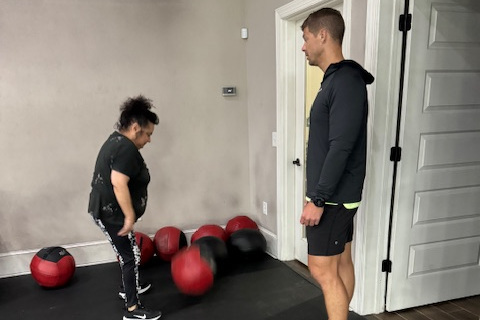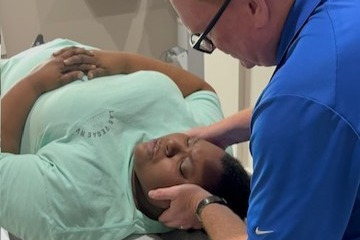

As a local chiropractor, I often see how injuries can set back even the most committed athletes. However, the recovery process doesn't have to feel overwhelming. It's important to understand some natural healing methods that can aid in your recovery, such as the RICE approach, physical therapy, and techniques for enhancing mental resilience. Each of these strategies plays a pivotal role in the healing process, and recognizing how they work together can transform your recovery experience. What if the secret to a successful comeback lies in the details of these holistic methods? By incorporating chiropractic care into your recovery plan, you can facilitate healing, restore mobility, and regain strength effectively.
Understanding Injury Types
As a local chiropractor, I want to help you understand the different types of injuries that can affect athletes, as this knowledge is vital for effective recovery and prevention of future issues.
Injuries can be categorized into two main types: acute and chronic.
Acute injuries, such as sprains or fractures, occur suddenly during physical activities. These injuries typically arise from a specific incident—like a fall or a collision—and you'll likely experience immediate pain, swelling, or even an inability to move the affected area.
Recognizing these symptoms is crucial, as seeking prompt chiropractic care can significantly enhance your recovery process.
On the flip side, we've chronic injuries, which develop gradually over time. These often result from repetitive stress or overuse of certain body parts, leading to conditions like tendinitis or stress fractures.
Unlike acute injuries, chronic injuries may not present immediate discomfort. Instead, you might notice a slow build-up of pain or stiffness. It's essential to pay attention to these subtle signs. Ignoring them can escalate into more severe problems that affect your overall health and athletic performance.
As your chiropractor, I encourage you to listen to your body and seek help for any persistent discomfort.
Early intervention through natural healing methods can make a significant difference in your recovery and help you maintain peak performance in your athletic pursuits.
The RICE Method
As a local chiropractor, I want to share with you an effective method for responding to injuries that can significantly aid in your recovery: the RICE method, which stands for Rest, Ice, Compression, and Elevation.
Understanding and utilizing these components can help minimize damage and accelerate your healing process.
First and foremost, Rest is crucial. When you experience an injury, it's essential to allow your body the time it needs to heal.
Avoid putting weight on the affected area, and resist the urge to push through the pain. Giving your body the opportunity to rest is the first step toward a successful recovery.
Next, let's talk about Ice. Applying ice to the injured area can reduce swelling and numb the pain, providing immediate relief.
I recommend using an ice pack wrapped in a towel for about 15 to 20 minutes every couple of hours during the first 48 hours following your injury. This simple step can make a significant difference in your comfort and recovery.
The third component is Compression. Using an elastic bandage to wrap the injured area can help manage swelling and provide additional support.
Be sure to wrap it snugly, but not so tight that it restricts blood flow. Proper compression is vital in stabilizing the injury and promoting healing.
Finally, Elevation is an important aspect of recovery. Whenever possible, keep the injured area elevated above the level of your heart.
This practice helps reduce swelling and encourages better blood flow, which is essential for healing.
By following the RICE method, you can take proactive steps toward your recovery.
As a chiropractor, my goal is to support your journey toward natural healing and improved well-being.
If you have any questions or need further assistance, don't hesitate to reach out!
Importance of Physical Therapy
As a local chiropractor, I want to emphasize the vital role that physical therapy plays in your recovery journey after an injury.
Our approach focuses on creating personalized rehabilitation programs that cater specifically to your individual needs. These programs not only aim to restore your strength but also incorporate natural pain management techniques to help alleviate your discomfort.
By participating in physical therapy, you're taking a crucial step towards a more effective and sustainable recovery, harnessing the body's innate ability to heal itself through holistic practices.
Let's work together to support your healing process and enhance your overall well-being.
Customized Rehabilitation Programs
A personalized rehabilitation program is crucial for athletes recovering from injuries, particularly when it comes to chiropractic care and natural healing. As your local chiropractor, I want to emphasize the importance of addressing your unique needs and goals during your recovery process.
When you visit my office, we'll conduct a thorough assessment of your specific injury, overall fitness level, and the demands of your sport to create a tailored rehabilitation plan just for you. This individualized approach not only accelerates your recovery but also helps minimize the chances of re-injury.
A customized program incorporates a range of exercises that focus on strength, flexibility, and functional movements specific to your sport. You'll discover that these targeted exercises are instrumental in restoring your mobility and building your confidence, enabling you to return to your sport more effectively.
Throughout your recovery journey, I'll closely monitor your progress, making necessary adjustments to your program to ensure you remain on track. A personalized rehabilitation plan not only fosters physical healing but also keeps you motivated.
As you engage in exercises designed specifically for you, you'll witness tangible improvements, making the recovery process feel achievable and rewarding. It's important to remember that consistency is vital.
Pain Management Techniques
As a local chiropractor, I want to share with you how effective pain management techniques can significantly enhance your recovery from an injury. One of the most beneficial approaches involves chiropractic care, which focuses on the body's musculoskeletal system. Through tailored adjustments and manipulations, we can alleviate pain, improve mobility, and promote overall healing.
In addition to spinal adjustments, we often incorporate physical therapy techniques into our practice. This includes specific exercises designed to strengthen the affected area and reduce discomfort. By working closely with our team, you'll learn how to optimize your movements, which can be crucial for your rehabilitation process.
We also utilize various modalities such as heat therapy, ice application, and electrical stimulation. These techniques can enhance blood circulation, decrease inflammation, and relieve muscle tension, facilitating a smoother recovery journey.
Open communication is essential in the chiropractic office. I encourage you to share your pain levels and any discomfort you might feel during treatments. This feedback is vital for us to adjust your care plan effectively, ensuring you get the best possible results.
Additionally, incorporating mindfulness and relaxation techniques can complement your pain management strategy. Practices like deep breathing and meditation not only help you cope with pain but also promote a holistic approach to healing.
By integrating these chiropractic and natural healing strategies into your recovery routine, you can regain your strength and confidence, paving the way for a swift return to the activities you enjoy.
Your journey to wellness is our priority, and we're here to support you every step of the way.
Mental Resilience Techniques
Injuries can be a significant mental hurdle for athletes, often leading to feelings of frustration and doubt. As a chiropractor, I want to emphasize the importance of cultivating mental resilience during your recovery journey, alongside the physical healing we support through chiropractic care.
One effective technique is visualization. I encourage you to take a few minutes each day to imagine yourself performing at your best—fully healed and thriving. This mental imagery can enhance your confidence and keep your focus sharp, complementing the physical adjustments and therapies we provide.
Setting specific, achievable goals is another powerful method. Break your recovery into small, manageable milestones. Celebrate each accomplishment, no matter how minor it may seem. These victories will reinforce your sense of progress and help maintain your motivation.
Remember, recovery is a journey, not a sprint, and we're here to guide you every step of the way.
Additionally, staying connected with your teammates, coaches, and even your chiropractic team can provide the encouragement and accountability you need. Engaging with your support system allows you to share your feelings and experiences openly; it's okay to express vulnerability.
This connection can help alleviate feelings of isolation and remind you that you're not alone in your struggle.
Incorporating mindfulness practices into your routine can also enhance your mental resilience. Techniques like meditation, deep breathing, or yoga can help you stay grounded and manage stress effectively.
By developing a regular mindfulness routine, you'll find it easier to focus on the present moment rather than getting lost in future worries, which aligns beautifully with the holistic healing philosophy of chiropractic care.
Lastly, maintaining a positive mindset is crucial. Challenge any negative thoughts and replace them with affirmations of your strength and determination.
Recovery takes time, and each day presents a new opportunity for growth. By implementing these mental resilience techniques alongside your chiropractic treatment, you'll not only heal faster but also emerge stronger and more focused.
Nutrition for Recovery
As a local chiropractor, I want to emphasize the significant role nutrition plays in your recovery journey.
Understanding the importance of vital nutrients, maintaining proper hydration, and timing your meals can greatly support your healing process.
By focusing on these elements, you can enhance your overall well-being and work towards getting back to optimal health.
Let's dive into how these factors can contribute to your recovery and support the natural healing capabilities of your body.
Essential Nutrients for Healing
As a local chiropractor dedicated to promoting natural healing, I want to emphasize the importance of a strategic approach to recovery from injuries. Essential nutrients play a significant role in your healing journey, and understanding their benefits can empower you to support your body effectively.
First and foremost, protein is vital for repairing tissues and building muscle. Incorporating lean meats, fish, eggs, dairy, beans, and legumes into your diet will provide the building blocks your body needs to recover.
Vitamins and minerals are also crucial players in the healing process. For instance, Vitamin C is essential for collagen formation, which is important for tissue repair. Including citrus fruits, strawberries, and bell peppers in your meals can enhance your recovery.
Additionally, zinc supports your immune system and accelerates healing, so be sure to add nuts, seeds, and whole grains into your diet as well.
Omega-3 fatty acids, found in fatty fish and flaxseeds, are known to help reduce inflammation, which can significantly speed up your recovery process.
It's also important to consume sufficient carbohydrates to fuel your body, especially if you're engaged in an active rehabilitation routine.
Lastly, don't underestimate the power of antioxidants. Colorful fruits and vegetables are rich in these nutrients and can help combat oxidative stress during your recovery.
By prioritizing these essential nutrients, you not only support your healing but also lay a strong foundation for your return to optimal health and performance.
As you make these dietary adjustments, you may notice a positive shift in your recovery progress. Remember, healing is a holistic process, and nutrition is a key component in achieving your health goals.
If you have any questions about how chiropractic care can further assist you in your healing journey, feel free to reach out!
Hydration's Role in Recovery
As a local chiropractor, I want to emphasize the crucial role hydration plays in your recovery process. Many people overlook this aspect, but staying properly hydrated can significantly enhance your body's healing capabilities. Water is essential for transporting nutrients, regulating your body temperature, and lubricating your joints.
On the flip side, dehydration can impede your recovery, leading to increased feelings of fatigue and muscle soreness. You might be surprised by the amount of fluid you lose during your workouts or physical activities. Even a small decrease in hydration can affect your performance and prolong the healing process.
I encourage you to make it a habit to drink water consistently throughout the day—not just when you feel thirsty. It's beneficial to consume fluids before, during, and after your activities.
Additionally, incorporating electrolytes into your hydration routine can be incredibly helpful. Key minerals like sodium, potassium, and magnesium play a vital role in maintaining fluid balance and supporting muscle function, which is particularly important for your recovery.
If your training sessions are intense or last for a long time, consider sports drinks or foods rich in electrolytes to replenish what you lose. Always listen to your body and adjust your fluid intake based on how active you're and the environmental conditions you're in.
Timing Meals for Recovery
As a local chiropractor, I want to emphasize the importance of meal timing in your recovery process after an injury or intense physical activity. Properly scheduling your meals can greatly enhance how quickly you heal and get back to your daily activities.
To support your recovery, aim to eat a balanced meal within 30 to 60 minutes after exercising or experiencing physical strain. This is a crucial window for replenishing glycogen stores and initiating muscle repair.
Your meals should primarily consist of protein and carbohydrates. Protein plays a vital role in rebuilding muscle fibers that may have been stressed during activity, while carbohydrates help restore the energy you've used up. A good rule of thumb is to maintain a ratio of approximately 3:1 carbs to protein. For instance, a smoothie made with banana and protein powder or a turkey sandwich on whole-grain bread would be excellent options.
Additionally, don't underestimate the power of hydration. Staying well-hydrated is essential as it aids in digestion and helps your body absorb the nutrients from your meals effectively.
As you plan your daily meals, try to space them out every 3 to 4 hours. This consistent intake of nutrients is beneficial as it provides your body with what it needs to heal, keeps your energy levels steady, and prevents feelings of fatigue.
By incorporating these meal timing strategies into your recovery routine, you can significantly enhance your healing process and return to your peak performance more quickly.
Active Recovery Strategies
As a local chiropractor, I want to emphasize the importance of active recovery strategies in your rehabilitation process.
These techniques are vital for maintaining mobility, alleviating muscle soreness, and enhancing blood flow to the injured area, all of which are essential for effective healing.
Rather than opting for complete rest, integrating active recovery into your routine can lead to a smoother and more efficient recovery journey.
Here are some active recovery strategies that I recommend:
- Gentle Stretching: Incorporating light stretching can help maintain the flexibility of your muscles and prevent stiffness. This promotes a greater range of motion as you recover.
- Low-Intensity Activities: Engaging in low-impact activities like walking, cycling, or swimming at a comfortable pace allows you to stay active without placing unnecessary strain on your injury.
- Foam Rolling: Utilizing a foam roller can relieve muscle tightness and enhance blood circulation, which supports the healing process while providing a soothing massage effect.
- Hydrotherapy: Taking advantage of water for recovery—whether through swimming or water aerobics—can minimize impact on your joints while still allowing for movement and exercise.
By incorporating these active recovery strategies, you can support your body's natural healing process and enhance your overall wellness.
If you have any questions or need guidance on how to implement these techniques safely, please feel free to reach out.
Role of Sleep in Healing
Sleep is a vital component of your recovery journey, especially if you're dealing with injuries or discomfort. As a chiropractor, I often see patients who underestimate the power of good sleep in the healing process. When your body is injured, it requires adequate rest to repair itself effectively.
During sleep, essential healing activities take place, including tissue repair and muscle growth. If you don't prioritize sleep, you may not only feel fatigued but also slow down your body's natural healing abilities.
Research highlights that deep sleep significantly enhances the production of growth hormones, which are essential for repairing damaged tissues. This means that by prioritizing quality sleep, you can positively impact how quickly you recover from an injury.
It's not solely about the number of hours you sleep; the quality of your sleep is equally important. Establishing a consistent sleep routine and creating a calming environment can greatly improve your sleep quality.
Moreover, sleep is crucial for mental recovery as well. A well-rested mind is better equipped to manage the psychological challenges that often accompany injuries, such as frustration and anxiety.
When you get enough restorative sleep, you'll find it easier to stay focused and motivated to participate in your rehabilitation exercises. Remember, healing is a holistic process, and ensuring you get quality sleep is a key step in your journey to recovery.
Long-term Injury Prevention
As your local chiropractor, I want to emphasize the importance of prioritizing sleep in your journey toward recovery and long-term injury prevention. Quality rest is essential, as it allows your body to repair itself more effectively, significantly reducing the risk of future injuries.
However, recovery isn't solely about sleep; it's vital to adopt a comprehensive approach to maintain your body in optimal condition.
Here are some key practices that I recommend for long-term injury prevention:
- Strength Training: Incorporating strength training into your routine is crucial. It helps to build muscle around your joints, enhancing their resilience to stress and strain, which is vital for overall joint health.
- Mobility Work: Regularly engaging in stretching and mobility exercises is essential for enhancing flexibility. This practice can significantly reduce the likelihood of strains or pulls, keeping you active and pain-free.
- Proper Nutrition: Fueling your body with balanced nutrition plays a significant role in supporting overall health. It aids recovery, strengthens your immune system, and helps reduce inflammation, all of which are essential for preventing injuries.
- Listening to Your Body: It's important to pay attention to any signs of discomfort or fatigue. Ignoring these signals can lead to overuse injuries down the line. As a chiropractor, I encourage you to tune in to your body's needs and address any issues before they escalate.
By integrating these practices into your life, you can take proactive steps toward maintaining your health and preventing injuries in the long run.
If you have any questions or need personalized guidance, feel free to reach out. Your health is our priority!
Conclusion
Injuries can be challenging, but as your local chiropractor, I want to share some time-tested healing methods that can help you recover and even come back stronger. First, it's essential to apply the RICE method—Rest, Ice, Compression, and Elevation—for immediate care of your injury. Following that, I encourage you to consider physical therapy, which can be a crucial part of your rehabilitation process.
Nutrition and sleep play vital roles in your recovery as well. Eating a balanced diet filled with anti-inflammatory foods and ensuring you get adequate rest will support your body's healing. Don't forget about the importance of mental resilience; maintaining a positive mindset can significantly impact your recovery journey.
Incorporating gentle movement, as guided by your chiropractor, can also be beneficial. These movements promote blood flow and help in the healing process. By prioritizing these strategies, not only will you facilitate your healing, but you'll also establish a foundation for long-term injury prevention and peak performance. Remember, chiropractic care can be a valuable asset in your recovery, helping to align your body and optimize your overall health.