
When it comes to recovery from injuries, many people think only of physical therapy or just taking time off to rest. However, as a local chiropractor, I want to share that there is so much more to the healing process. Successful recovery often includes a holistic blend of nutrition, mental strategies, and alternative therapies, including chiropractic care. By exploring these time-tested methods, you can gain valuable insights that not only help athletes get back to their sport but also improve their overall health and well-being. Have you considered that the key to a quicker recovery might lie in a comprehensive approach that incorporates natural healing techniques? Let's discuss how chiropractic care can play a crucial role in your recovery journey.
Rest and Recovery Techniques
As a local chiropractor, I want to emphasize the critical role that rest and recovery play in your healing process, especially if you're dealing with an injury. I understand that when you're sidelined, it can be tempting to push through the discomfort, but taking the necessary time to heal is vital for your overall well-being.
Firstly, let's talk about sleep. This is when your body does a significant amount of healing. I recommend aiming for 7-9 hours of quality sleep each night. If you're feeling particularly fatigued, don't hesitate to add in short naps during the day. Quality sleep not only helps reduce inflammation but also accelerates your recovery process.
Next, nutrition is a key component of healing. I encourage you to nourish your body with whole foods that are packed with vitamins, minerals, and protein. Incorporating lean meats, fish, nuts, fruits, and vegetables into your diet can greatly support tissue repair. Additionally, staying hydrated is crucial. Drinking adequate water helps your body function efficiently, which is essential for recovery.
While it may be counterintuitive, gentle movement can also be beneficial during your recovery. It's important to keep the body active to promote blood flow and prevent stiffness. Activities such as walking or gentle stretching can be very helpful. However, always listen to your body; if something causes pain, it's best to avoid it.
Lastly, I want to highlight the importance of mental recovery. Stress can significantly impede your physical healing, so it's essential to engage in activities that promote relaxation. Consider practices like meditation or yoga, which can help reduce stress levels. Surrounding yourself with supportive friends and family can also uplift your spirits during this recovery phase.
Physical Therapy Modalities
After taking the time to rest and recover, incorporating chiropractic care and physical therapy modalities can significantly enhance your healing journey. These natural methods are designed to improve flexibility, strength, and mobility, allowing you to return to your best self.
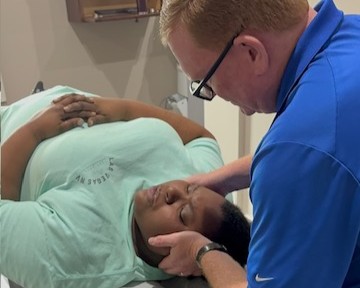
One common approach we utilize is manual therapy, where a skilled chiropractor uses their hands to adjust and manipulate the spine and soft tissues. This not only alleviates pain but also restores proper movement patterns. If you've been experiencing stiffness or soreness, this technique can truly transform your recovery experience.
Ultrasound therapy is another effective tool in our arsenal. By using sound waves, we can promote tissue healing and reduce inflammation in a targeted area. Many patients find the soothing sensation of ultrasound therapy deeply relaxing as it penetrates into the injured tissue, accelerating your recovery process.
Electrical stimulation is a technique favored by many of our active patients. It involves sending gentle electrical impulses to stimulate muscles and nerves, which can enhance circulation and alleviate muscle spasms. This can be particularly beneficial if you're facing muscle atrophy during your recovery period.
Additionally, we often recommend cryotherapy and heat therapy. Cold therapy can help reduce swelling and numb pain, while heat therapy promotes increased blood flow and relaxation of tight muscles. Depending on the nature of your injury, alternating between these two therapies can yield fantastic results.
Lastly, don't overlook the importance of therapeutic exercises. As a chiropractor, I can develop a personalized exercise program tailored to your specific needs, focusing on strengthening the injured area and preventing future injuries.
Nutrition for Healing
As your local chiropractor, I want to emphasize how crucial proper nutrition is in your journey to recovery and overall wellness. When your body is healing, it requires the right nutrients to repair tissues, reduce inflammation, and support your recovery process. To facilitate this healing, it's important to focus on a balanced intake of macronutrients: proteins, carbohydrates, and fats.
Let's start with protein. It serves as the essential building block for muscle repair. I recommend incorporating lean sources such as chicken, fish, beans, and legumes into your meals. These foods won't only aid in muscle recovery but also support your overall strength.
Next, don't underestimate the power of healthy fats. Foods like avocados, nuts, and olive oil aren't just delicious; they can help to reduce inflammation and promote cell health, which is vital during the healing process.
Carbohydrates are also essential—they provide your body with the energy it needs for recovery. I suggest making whole grains, fruits, and vegetables staples in your diet, as they're packed with the vitamins and minerals your body craves.
Hydration is another key aspect that often gets overlooked. Drinking enough water is vital as it helps transport nutrients throughout your body and supports the healing process. Be sure to stay well-hydrated, especially if you're participating in physical therapy or rehabilitation sessions.
In addition to these general guidelines, certain specific nutrients can significantly aid your recovery. For instance, Vitamin C is crucial for collagen production, which is essential for tissue repair, while zinc plays a vital role in immune function and wound healing.
Incorporate foods rich in these nutrients—think citrus fruits, leafy greens, and nuts—into your meals for optimal recovery.
As your chiropractor, I'm here to guide you through the natural healing process, and nutrition is a powerful tool that can enhance your recovery. Together, we can create a holistic approach that combines chiropractic care with proper nutrition for the best results.
Mental Resilience Strategies
Building mental resilience is incredibly important for individuals recovering from injury, and as a local chiropractor, I want to emphasize how this can aid your healing process. Developing a strong mindset can significantly influence your recovery journey.
To begin, it's essential to set realistic goals that focus on small, manageable milestones. Celebrate each achievement—no matter how minor it may seem—as this can boost your motivation and confidence.
Visualizing your recovery can also enhance your mental strength. Spend time imagining yourself back to full health, moving freely and feeling strong. This mental imagery helps you concentrate on your goals and reinforces a positive outlook.
Complementing this visualization, I encourage practicing mindfulness techniques such as meditation or deep breathing. These methods can help you stay present, reduce anxiety, and manage stress, which are all crucial during recovery.
Maintaining social connections during your healing process is equally important. Surround yourself with supportive friends, family, and even fellow patients who understand your challenges. Sharing your feelings can alleviate feelings of isolation and foster a sense of belonging and encouragement.
Additionally, consider journaling your thoughts and emotions; writing can provide clarity and help you process your experiences while maintaining perspective.
Lastly, don't hesitate to seek professional guidance. Chiropractors, along with other healthcare professionals, can offer tailored strategies for building resilience and coping with setbacks.
Remember, recovery isn't just about physical healing; it's also a mental journey. Embrace the process, stay determined, and keep moving forward. Your mental resilience won't only assist in your recovery but also prepare you for future challenges in your life.
Let's work together to ensure you're not just healing physically but also strengthening your mind.
Alternative Healing Practices
As a local chiropractor, I often see athletes recovering from injuries who are eager to explore alternative healing practices to support their rehabilitation. These methods not only aid in healing but also contribute to your overall well-being.
One such technique is acupuncture, which can effectively alleviate pain and improve circulation. By targeting specific points on your body, acupuncture stimulates your natural healing processes, making it an excellent addition to your recovery toolkit.
Another beneficial practice is yoga. Gentle yoga can enhance flexibility and strength while also helping to reduce stress. This holistic approach enables you to connect your mind and body, which is particularly valuable as you cope with the emotional aspects of injury recovery.
Incorporating focused breathing and mindfulness into your yoga practice can help you maintain balance during this journey.
Massage therapy is also an option that I highly recommend. It can help relieve muscle tension, decrease scar tissue, and improve blood flow to the injured area. Regular massage sessions may not only speed up your recovery but also provide a much-needed mental respite.
Additionally, consider exploring herbal remedies and supplements. Natural anti-inflammatories, such as turmeric, can be supportive in your healing process. However, it's vital to consult with a healthcare professional, like myself, before introducing any new supplements to your routine to ensure they align with your existing treatment plan.
Incorporating these alternative healing practices into your recovery regimen can provide a comprehensive approach to healing. By combining these methods with traditional rehabilitation strategies, you'll be setting the stage for a successful return to peak performance.
As your chiropractor, I'm here to guide you through these options and help you on your path to recovery.
Conclusion
As a local chiropractor, I want to share some time-tested methods that can significantly enhance your recovery from injuries. First and foremost, it's essential to prioritize rest. Your body needs time to heal, and pushing through pain can often lead to further complications.
Engaging in physical therapy is another vital component of the healing process. A trained therapist can guide you through exercises that promote strength and flexibility, which are crucial for recovery. Additionally, focusing on nourishing your body with wholesome foods can support your healing journey. Proper nutrition fuels your body and aids in tissue repair.
I also encourage you to cultivate mental resilience. Recovery can be a challenging emotional journey, and maintaining a positive mindset can make a tremendous difference in your healing process.
Don't overlook the benefits of alternative healing practices, such as chiropractic care, acupuncture, and massage therapy. These modalities can relieve pain, enhance mobility, and improve overall well-being.
Remember, healing is a journey, and embracing a holistic approach—one that includes chiropractic care—will not only help you recover faster but also prepare you for peak performance in the future. I'm here to support you every step of the way!