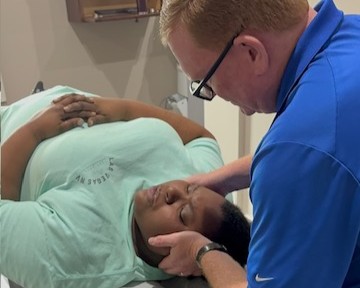

As your local chiropractor, I understand that managing chronic pain can feel overwhelming, especially with the wide range of strategies available. It's essential to not only recognize your pain but also to comprehend how it impacts your daily activities. Starting your journey toward relief can be daunting, but I'm here to help guide you through it.
One of the first steps in managing chronic pain is to establish a consistent routine that includes chiropractic care. This approach focuses on aligning your spine and improving your body's overall function, which can be incredibly beneficial. Alongside regular adjustments, incorporating techniques like mindfulness practices and gentle exercise can create a more balanced and effective pain management plan.
However, these strategies are just the beginning. There are numerous other effective techniques in natural healing that we can explore together. Whether it's nutritional advice, stress management, or specific therapeutic exercises, I'm committed to helping you find the right combination that enhances your journey toward relief and improves your quality of life. Together, we can make managing your chronic pain a more achievable goal.
Understand Your Pain
Understanding Your Pain: A Chiropractor's Perspective
As a chiropractor, I often encounter patients who are experiencing chronic pain. It's essential to take a moment to truly understand what you're feeling. Chronic pain isn't merely an inconvenience; it can disrupt your daily life, affect your mood, and cloud your thoughts. By recognizing this, you empower yourself to take the first step in managing it effectively.
Begin by identifying the specific nature of your pain. Is it sharp, dull, throbbing, or burning? Does it come and go, or is it constant? Observing when your pain intensifies and what activities or situations seem to trigger it is crucial. I recommend keeping a pain diary, where you can record your pain levels throughout the day along with your activities, meals, and emotional state. This information can help us identify patterns and potential triggers related to your discomfort.
It's also important to consider the emotional aspects of your pain. Chronic pain often brings feelings of frustration, sadness, or isolation. Acknowledging these emotions is vital, as they can significantly influence your overall experience. I encourage open communication about your feelings with me, your family, or even a therapist. Having a support system can make your journey toward healing a bit easier.
Lastly, educate yourself about your condition. Understanding the underlying cause of your pain can make it feel less daunting and help you regain a sense of control. I'm here to provide you with information and resources regarding your condition and discuss how chiropractic care can be a natural and effective approach to pain management.
The more you know, the better equipped you'll be to advocate for yourself and explore the most effective options for healing. Remember, we're in this together, and I'm here to guide you on your journey to wellness.
Develop a Routine
Developing a routine is an essential strategy for managing chronic pain effectively, and as your local chiropractor, I'd like to guide you through this process. Establishing a consistent daily schedule can create a sense of stability in your life, which is crucial for reducing anxiety and stress—two factors that often exacerbate chronic pain.
Start by identifying activities that are important to you, such as work, gentle exercise, social interactions, and self-care practices. Prioritize these tasks and allocate specific times for each throughout your day. This structured approach not only helps you stay focused but also provides a sense of accomplishment, even on challenging days.
It's equally important to incorporate rest periods into your routine. Understanding and respecting your limits is vital, so allow yourself time for relaxation or light activities that won't strain your body. These breaks are instrumental in managing fatigue and preventing flare-ups, which can significantly impact your quality of life.
I also recommend including gentle exercises or stretches in your daily routine. Engaging in appropriate physical activity can help maintain mobility and strengthen your body, but always listen to your body and modify as needed. As part of your chiropractic care, I can suggest specific stretches and exercises tailored to your condition.
Lastly, flexibility is key when it comes to your routine. Chronic pain can be unpredictable, so it's important to adapt when necessary. If you find that something isn't working, don't hesitate to adjust your schedule. Your routine should support your healing journey, not restrict it.
Practice Mindfulness
As a local chiropractor, I want to share how practicing mindfulness can significantly enhance your experience with chronic pain.
By concentrating on the present moment, you can lower stress levels and improve your overall wellness, which is particularly beneficial for those dealing with pain.
Let's discuss some effective mindfulness techniques that you can easily weave into your daily routine to complement your chiropractic care and promote natural healing.
Benefits of Mindfulness
As a local chiropractor committed to your well-being, I want to share how embracing mindfulness can significantly enhance your experience with chronic pain management. When you focus on the present moment, you can create a mental space where pain doesn't overshadow your thoughts. This shift in perspective can empower you to reclaim control over your body and mind.
Here are some key benefits of practicing mindfulness that can complement your chiropractic care:
- Reduced Stress: Mindfulness techniques help lower stress levels, which often exacerbate pain sensations. By managing stress, you may find your discomfort becomes more manageable.
- Enhanced Emotional Resilience: Mindfulness encourages you to respond to pain with acceptance rather than resistance. This approach fosters a more positive emotional state, making it easier to cope with discomfort.
- Improved Focus: By concentrating on your breath or your environment, mindfulness can serve as a distraction from pain, allowing you to engage more fully in daily activities and enjoy life.
- Increased Self-Awareness: Practicing mindfulness helps you develop a deeper understanding of your body and its signals. This awareness can assist in identifying patterns that contribute to your discomfort, enabling more informed discussions during your chiropractic visits.
Incorporating mindfulness into your routine can be a powerful addition to your chiropractic care, aiding not just in pain management but also in enhancing your overall quality of life.
Mindfulness Techniques to Try
As a local chiropractor, I want to introduce you to the concept of mindfulness and how it can significantly aid in managing chronic pain. One effective technique you can practice is focused breathing. I recommend dedicating a few minutes each day to sit in a comfortable position and concentrate solely on your breath.
Start by inhaling deeply through your nose, holding it for a moment, and then exhaling slowly through your mouth. This simple exercise can help center your mind and alleviate your pain perception.
Another beneficial technique is body scanning. This method involves mentally checking in with each part of your body, beginning with your toes and gradually moving up to your head. As you do this, acknowledge any areas of discomfort without judgment.
Instead of resisting those feelings, simply observe them. This practice fosters a more compassionate relationship with your pain and can enhance your healing process.
Additionally, I encourage you to explore guided imagery. Imagine a serene place, such as a tranquil beach or a lush forest, and immerse yourself in the sensory details—listen to the waves or feel the warmth of the sun.
This visualization can serve as a powerful distraction from pain and promote a sense of relaxation.
Lastly, incorporating mindfulness meditation into your daily routine can be transformative. Even just a few minutes each day can improve your capacity to cope with pain and contribute positively to your overall well-being.
Exercise Regularly
As a local chiropractor, I want to share how regular exercise can play a crucial role in managing chronic pain. It might sound surprising, but engaging in physical activity can actually lead to a reduction in discomfort and an improvement in your overall well-being.
When you move your body, it releases endorphins—your body's natural pain relievers. Moreover, consistent exercise helps you maintain flexibility, strength, and endurance, which are all vital in managing chronic pain effectively.
Here are some key benefits of incorporating regular exercise into your routine:
- Enhanced mood: Physical activity boosts endorphin levels, which can help alleviate the anxiety and depression that often accompany chronic pain conditions.
- Increased strength: By building muscle around painful areas, you can provide better support, alleviating pressure and reducing pain levels.
- Improved mobility: Stretching and strengthening exercises help keep your joints flexible and can prevent stiffness, allowing for easier movement.
- Better sleep quality: Regular exercise can enhance your sleep, which is essential for recovery and effective pain management.
To begin, I recommend choosing low-impact activities that align with your current fitness level, such as walking, swimming, or practicing yoga.
Focus on consistency rather than intensity; even short, regular sessions can yield significant benefits over time. Always pay attention to your body; if something feels off or painful, it's important to adjust your approach or seek guidance from a healthcare professional, like myself.
Together, we can explore how chiropractic care, combined with exercise, can help you achieve a more comfortable and active life.
Maintain a Healthy Diet
As a local chiropractor, I want to emphasize the importance of a healthy diet in managing chronic pain.
The foods you choose to eat can significantly impact your overall health and well-being. By incorporating anti-inflammatory foods into your meals and ensuring you stay well-hydrated, you can actively help reduce discomfort associated with chronic pain.
These dietary adjustments not only support your body's healing processes but also complement the chiropractic care we provide.
Together, we can work towards easing your pain and enhancing your quality of life through natural healing practices.
Anti-inflammatory Foods
As a local chiropractor, I often emphasize the importance of nutrition in managing chronic pain and enhancing overall wellness. One of the most effective ways to support your body is by incorporating anti-inflammatory foods into your diet. These foods play a crucial role in reducing inflammation, which is frequently associated with various chronic pain conditions.
By making mindful choices about what you eat, you can significantly impact how you feel each day.
Here are some anti-inflammatory foods I recommend adding to your meals:
- Fatty fish (like salmon and mackerel): These are loaded with omega-3 fatty acids, known for their powerful anti-inflammatory properties.
- Berries (such as blueberries and strawberries): These fruits are rich in antioxidants, which help fight oxidative stress in the body.
- Leafy greens (like spinach and kale): Packed with essential vitamins and minerals, they not only promote overall health but also help combat inflammation.
- Nuts (especially walnuts and almonds): These provide a great source of healthy fats and protein while also reducing inflammatory markers.
Incorporating these foods into your diet can complement the chiropractic care I provide, helping to alleviate pain and improve your quality of life.
Hydration Importance
As a local chiropractor, I want to emphasize the critical role that staying properly hydrated plays in managing chronic pain and enhancing your overall health. When you ensure you're drinking enough water, it helps keep your joints lubricated, which can significantly reduce stiffness and discomfort.
Proper hydration is also essential for regulating your body temperature and supporting metabolic processes, both of which are crucial when you're dealing with pain.
Many people don't realize that dehydration can actually worsen pain symptoms. It can lead to muscle cramps and fatigue, leaving you feeling even more drained. I recommend aiming for at least eight 8-ounce glasses of water each day, and you might need even more if you're physically active or living in a warmer climate.
In addition to drinking plenty of water, incorporating hydrating foods into your diet can also assist you in meeting your hydration goals. Foods such as cucumbers, watermelon, and oranges aren't only refreshing but also contain vital nutrients that support your overall well-being.
It's important to listen to your body. If you're feeling thirsty or fatigued, consider it a sign that you need to hydrate.
Explore Alternative Therapies
As a local chiropractor, I want to introduce you to the concept of alternative therapies, which can provide a refreshing approach to managing chronic pain alongside traditional medical treatments.
These therapies can empower you to take control of your pain and enhance your overall well-being. By exploring different avenues of care, you might discover relief options that you hadn't considered before.
Here are some popular alternative therapies that can complement chiropractic care:
- Acupuncture: This ancient practice uses thin needles placed at specific points on the body to help alleviate pain and stimulate the body's natural healing processes. It's a great option to explore in conjunction with chiropractic adjustments.
- Massage therapy: Incorporating regular massages into your routine can significantly reduce muscle tension, boost circulation, and provide deep relaxation. This can help lower your pain levels and enhance the effectiveness of chiropractic treatments.
- Yoga: A fantastic complement to chiropractic care, yoga combines physical postures with mindfulness and breathwork. It can improve your flexibility, strength, and promote relaxation, making it an excellent choice for managing chronic pain.
- Herbal remedies: Certain herbs, such as turmeric and ginger, are known for their anti-inflammatory properties, which may assist in reducing pain. However, it's vital to consult with a healthcare professional before starting any new supplements or herbal treatments.
Utilize Pain Management Techniques
As a local chiropractor, I understand that managing chronic pain can feel overwhelming, but there are effective techniques that can significantly improve your daily life. One of the key strategies I recommend is incorporating relaxation techniques into your routine. Methods such as deep breathing, progressive muscle relaxation, and guided imagery can help calm both your mind and body, ultimately reducing your perception of pain.
Physical activity is another essential component of pain management. Gentle exercises, including walking, swimming, or yoga, not only keep you active but also promote the release of endorphins—your body's natural pain relievers. It's important to start slowly and listen to your body; even short, consistent sessions can lead to noticeable improvements over time.
Don't underestimate the benefits of heat and cold therapy. Applying a warm compress or an ice pack to the affected area can offer immediate relief. Heat therapy can relax stiff muscles, while cold therapy can help reduce inflammation and numb sharp pain.
I also encourage my patients to explore mindfulness and meditation. These practices can train your mind to focus on the present moment, helping to alleviate stress and anxiety that may worsen your pain. Just a few minutes a day can enhance your sense of control over your discomfort.
Lastly, consider journaling about your pain experiences. This can be a powerful tool in understanding your condition. It allows you to track pain levels, identify triggers, and note effective coping strategies. By recognizing patterns, you can make informed decisions regarding your daily activities and the pain management techniques that work best for you.
At our practice, we're committed to helping you explore these natural healing methods alongside chiropractic care to empower you on your journey to better health.
Seek Professional Help
When dealing with chronic pain, it's important to understand that seeking professional help, such as chiropractic care, can significantly enhance your healing journey.
As a local chiropractor, I encourage you to explore the natural healing methods we offer. We focus on understanding your unique condition and provide personalized treatment plans that may include spinal adjustments, soft tissue therapies, and lifestyle advice aimed at alleviating your discomfort.
Additionally, I suggest looking into pain management programs that incorporate chiropractic techniques. These programs are designed to help you not only regain control over your pain but also improve your overall quality of life.
Together, we can work towards a healthier, pain-free future. Don't hesitate to reach out for guidance tailored specifically to your needs!
Consult Medical Specialists
Chronic pain can often feel like an unyielding storm, making even the simplest daily tasks a struggle. If you find yourself caught in this storm, exploring chiropractic care could provide you with the relief and guidance you need.
As a chiropractor, my goal is to help you understand the underlying factors contributing to your pain and develop a personalized treatment plan that aligns with your body's natural healing capabilities.
Chiropractic care focuses on the relationship between your spine, nervous system, and overall health. Here are some ways we can work together to manage your chronic pain:
- Spinal adjustments: These are gentle manipulations that help realign your spine, which can alleviate pressure on nerves and reduce pain.
- Rehabilitation exercises: I can guide you through specific exercises tailored to improve your mobility and strengthen the muscles that support your spine.
- Lifestyle advice: We'll discuss daily habits and ergonomics that may be contributing to your pain, allowing you to make adjustments that promote healing.
- Holistic approaches: I may incorporate techniques such as massage therapy or nutritional advice to support your overall well-being.
By consulting with a chiropractor, you'll benefit from a comprehensive approach to pain management that focuses on natural healing.
Don't hesitate to reach out for support; together, we can navigate through your pain and work towards improving your quality of life. Embracing chiropractic care could be the key to finding relief and restoring balance to your body.
Explore Therapeutic Options
As a local chiropractor, I want to emphasize the importance of exploring various therapeutic options for effectively managing chronic pain. It's crucial to understand that you don't have to navigate this journey on your own—professional guidance can truly make a difference in your healing process.
Chiropractic care is one of the most beneficial avenues to consider. We focus on aligning the spine and improving the function of the nervous system, which can significantly alleviate pain and enhance overall mobility. During your visits, I'll assess your condition and create a personalized treatment plan tailored to your specific needs.
In addition to chiropractic adjustments, incorporating physical therapy into your regimen can further enhance your recovery. A skilled therapist can work alongside me to guide you through exercises that improve strength and flexibility, helping to reduce discomfort in your daily life.
Don't overlook the potential benefits of holistic approaches, such as acupuncture and massage therapy, which can complement chiropractic care by promoting relaxation and reducing muscle tension. I encourage you to discuss these options with me, as they may provide additional relief.
Another important aspect of managing chronic pain is addressing the emotional component. Cognitive-behavioral therapy (CBT) can be an effective resource in helping you develop coping strategies and enhancing your mental resilience. While it may not be my primary focus, I can help connect you with professionals who specialize in this area.
Remember, being proactive in your health is key. Maintain open communication with me and your healthcare team. Ask questions, express your concerns, and advocate for your needs.
Together, we can work towards finding the best combination of therapies to help you reclaim your quality of life.
Consider Pain Management Programs
Navigating the challenges of chronic pain can often feel daunting, but as a local chiropractor, I want to introduce you to the benefits of chiropractic care and natural healing within pain management programs.
These programs provide a structured approach that can truly transform your experience with pain, allowing you to regain control over your life.
When you become part of a pain management program that incorporates chiropractic care, here's what you can anticipate:
- Thorough evaluations: I'll assess your pain and overall health to create a personalized treatment plan that addresses your unique needs.
- Holistic, multidisciplinary approach: You'll have the opportunity to collaborate with a team of health professionals, including chiropractors, physical therapists, and wellness coaches, all dedicated to your recovery.
- Education and self-management strategies: I'll teach you techniques to manage pain effectively, improve mobility, and enhance your daily activities.
- Empowering community support: Engaging with others who understand what you're going through can provide invaluable emotional support and inspiration on your healing journey.
Chiropractic care focuses on natural healing methods, aiming to restore balance and wellness in your body.
Together, we can work towards a pain-free life, empowering you to thrive.
Build a Support Network
Building a support network is essential for anyone managing chronic pain, and as a chiropractor, I want to emphasize how this network can enhance your journey towards healing and wellness. Having understanding friends, family, or joining support groups can significantly impact your daily life by providing emotional, social, and practical assistance.
Begin by identifying those in your life who are empathetic and willing to listen. This could be a close friend, family member, or even a neighbor who can offer support. It's important to communicate your needs clearly. Let them know how they can assist you, whether it's being there to talk, helping with daily tasks, or accompanying you to appointments, including your chiropractic visits.
I encourage you to consider joining local or online support groups where individuals share similar experiences with chronic pain. These communities can provide valuable insights and tips for managing your condition, and you'll find comfort in knowing that you're not alone in your struggles. The shared understanding among group members can foster a sense of belonging, which is vital for emotional healing.
Don't overlook the importance of including healthcare professionals in your support network. As a chiropractor, I can offer expert advice on natural healing techniques and pain management strategies tailored to your specific needs. Regular adjustments and holistic approaches can significantly improve your quality of life. Engaging with professionals ensures you have access to the best resources for managing pain effectively.
Ultimately, building a strong support network will empower you to face the challenges of chronic pain with greater resilience and hope. Remember, it's perfectly okay to lean on others for support; you don't have to navigate this journey alone. Together, we can work towards achieving better health and overall well-being.
Track Your Progress
As your local chiropractor, I want to emphasize the importance of tracking your progress when it comes to managing chronic pain. Developing a supportive network is just the beginning; understanding your body and its responses is crucial for effective pain management.
By keeping a detailed record of your experiences, you can identify patterns, recognize triggers, and evaluate how well your current strategies are working. This proactive approach empowers you to make informed decisions about your health and wellness.
One effective way to track your progress is by maintaining a pain journal. This journal can serve as a valuable tool for logging daily pain levels, activities, and any treatments or therapies you're utilizing, including chiropractic adjustments.
Here are some key elements I recommend including in your journal:
- Pain Scale: Rate your pain on a scale of 1 to 10. This quantification helps you articulate your experience and can provide insights into how chiropractic care may be impacting your pain levels.
- Activities: Document the activities you engage in each day and how they correlate with your pain levels. This information can help us determine which movements or postures may be contributing to your discomfort.
- Chiropractic Treatments: Record any chiropractic adjustments or therapies you receive, along with their frequency and any immediate effects you notice afterward.
- Emotional State: Take note of your mood and stress levels, as emotional well-being is intricately linked to physical health. Understanding your emotional state can provide context to your pain experiences.
Regularly reviewing your journal will help you spot trends and patterns, which we can discuss during your visits. This information is invaluable as it can guide adjustments to your treatment plan, help us set realistic goals together, and keep you motivated on your journey toward wellness.
Conclusion
Managing chronic pain requires a personalized approach, and as a chiropractor, I'm here to guide you on this journey towards relief and healing. It's essential to first understand your pain—what triggers it, how it affects your daily life, and what you can do to alleviate it. Establishing a consistent routine that incorporates gentle exercises and stretches can significantly enhance your mobility and reduce discomfort.
Mindfulness practices, such as deep breathing and meditation, can also play a crucial role in managing pain. These techniques help you stay present and reduce stress, which can exacerbate your symptoms. A balanced diet rich in anti-inflammatory foods can further support your overall health and complement your chiropractic adjustments.
Seeking professional help is vital, and that's where I come in. Chiropractic care focuses on the alignment of your spine and overall musculoskeletal health, which can alleviate pain and improve function. Additionally, building a support network of friends, family, and healthcare professionals can provide encouragement and accountability on your healing path.
It's important to track your progress and celebrate even the smallest victories. Consistency is key in your pain management plan, and I'm here to help you stay committed and motivated. Together, we can explore natural healing methods that can empower you to regain control over your pain. Remember, you're not alone in this journey—let's work together towards a pain-free life!