
As a local chiropractor, I understand that many of you may be facing challenges with back pain. It's crucial to explore effective techniques that can bring you relief. Regular stretching and core strengthening exercises can significantly improve your condition, and incorporating heat and cold therapy can provide immediate comfort.
Additionally, maintaining proper posture throughout your daily activities, along with mindfulness practices, can greatly enhance your overall well-being. These methods are foundational, but there's more to consider. Alternative therapies and accessible over-the-counter options can further support your healing journey.
If you're curious about which techniques may be most beneficial for you, I encourage you to delve deeper into each method. Together, we can create a tailored approach that fits seamlessly into your lifestyle, promoting natural healing and long-term relief from back pain.
Stretching and Flexibility Exercises
As a local chiropractor, I often see patients seeking relief from back pain, and one of the most effective ways to alleviate discomfort is through stretching and flexibility exercises. These practices can significantly enhance your range of motion and help reduce muscle tension, which is a common contributor to back pain.
When you incorporate regular stretching into your routine, you're not just working on flexibility; you're also promoting better blood circulation. Improved circulation means that essential nutrients can reach your muscles and joints more effectively, which helps to alleviate stiffness and supports the healing process.
I recommend starting with gentle stretches that can easily fit into your daily life. For example, the cat-cow stretch is excellent for mobilizing your spine, while the child's pose offers a gentle stretch for your lower back. These stretches do more than just relieve tension; they also help you become more aware of your body, allowing you to identify areas where you may be holding stress.
Consistency is key when it comes to stretching. I suggest aiming to stretch a few times a week, if not daily. If you're new to stretching, start slowly and pay close attention to how your body feels. You should aim for a gentle stretch; if you experience any pain, it's important to ease back.
In addition to stretching, consider adding yoga or Pilates to your weekly routine. Both practices focus on enhancing flexibility and can help you achieve a more balanced body. Over time, you may notice improvements in your posture and a reduction in back pain, making everyday activities feel more manageable and enjoyable.
Strengthening Core Muscles
As a local chiropractor, I want to emphasize the importance of strengthening your core muscles for maintaining a healthy back and preventing discomfort. Your core is more than just your abdominal muscles; it encompasses the muscles in your back, hips, and pelvis as well. A well-developed core provides essential stability and support for your spine, which can significantly reduce the risk of injury and strain during everyday activities.
To effectively strengthen your core, it's crucial to incorporate exercises that target all areas of this muscle group. One of the best foundational exercises is the plank. This exercise engages multiple muscle groups simultaneously, promoting overall stability. Start by holding a plank for 30 seconds to a minute, and as your strength improves, gradually increase your duration.
Another excellent exercise is the bridge. This movement not only targets your glutes but also engages your lower back and abdominal muscles. To perform it, lie on your back with your knees bent and feet flat on the floor. Lift your hips towards the ceiling while squeezing your glutes, then lower back down. Aim for 10 to 15 repetitions.
Additionally, consider incorporating rotational movements such as Russian twists. Sit on the floor with your knees bent, lean back slightly, and twist your torso side to side while holding a weight or medicine ball. This exercise is beneficial for building your obliques, which are crucial for a well-balanced core.
Remember, consistency is vital. I recommend including core-strengthening exercises in your routine at least two to three times a week. By committing to this practice, you'll not only enhance your core strength but also support your back, making it less prone to discomfort.
As you strengthen these muscles, you may notice improvements in your overall well-being, helping you lead a healthier, more active life.
Heat Therapy Benefits
As a local chiropractor, I want to share how heat therapy can be incredibly beneficial for those experiencing back pain.
This natural approach helps improve blood circulation, which is essential for healing. It also works to reduce muscle tension, allowing your body to relax and recover more effectively.
By incorporating heat therapy into your daily routine, you're taking a proactive step towards managing your discomfort and enhancing your overall well-being.
Embracing these natural healing methods can make a significant difference in your journey to feeling better.
Improves Blood Circulation
As your local chiropractor, I want to share an effective method for relieving back pain that many people may not be familiar with: heat therapy. One of the standout benefits of using heat is its ability to enhance blood circulation, which is crucial for your recovery.
Let's explore how this works:
- Widened Blood Vessels: When heat is applied to the affected area, it causes your blood vessels to expand. This widening allows more blood to flow freely, which is essential for healing.
- Increased Oxygen Supply: Improved circulation means that your body can deliver more oxygen to the areas that need it most. This influx of oxygen promotes faster recovery and reduces discomfort.
- Enhanced Nutrient Delivery: With better blood flow, your body is also able to transport vital nutrients that support muscle repair and overall health. These nutrients play a key role in helping your body heal effectively.
- Faster Waste Removal: Improved circulation aids in the removal of metabolic waste products from your muscles. This helps decrease discomfort and fatigue, allowing you to feel better more quickly.
Incorporating heat therapy into your routine can really make a difference in your efforts to relieve back pain.
Whether it's through a heating pad, a hot water bottle, or a warm bath, the benefits of improved blood circulation are clear. By embracing this natural method, you're not only alleviating pain; you're also fostering healing and promoting your overall well-being.
As always, if you have any questions or would like to discuss how chiropractic care can complement heat therapy, don't hesitate to reach out.
Reduces Muscle Tension
As a local chiropractor, I often see patients who struggle with muscle tension, particularly in the back, which can significantly worsen their discomfort. One effective technique I recommend for alleviating this tightness is heat therapy. By utilizing methods such as a heating pad, a warm bath, or a hot water bottle, you can promote relaxation in your muscles and ease the strain that contributes to your pain.
When applying heat, the warmth penetrates deeply into your tissues, helping to soothe any knots and tension that may be causing discomfort. Many of my patients find that heat therapy not only reduces stiffness but also improves their overall mobility. By relaxing the muscles around your spine, you increase flexibility, making everyday activities much more manageable and comfortable.
I advise applying heat for about 15 to 20 minutes at a time. This allows your muscles to absorb the warmth effectively without the risk of overheating. Always pay attention to how your body responds; if a certain temperature feels too hot or uncomfortable, it's important to adjust it to a level that feels right for you.
Incorporating heat therapy into your wellness routine can be a straightforward yet powerful way to manage muscle tension. So, the next time you feel that tightness setting in, consider reaching for a source of heat. It could be a simple step toward easing your back pain and enhancing your overall relaxation.
Enhances Pain Relief
As a chiropractor, I often emphasize the importance of natural healing methods in managing pain, and one effective technique I recommend is heat therapy. This approach not only alleviates muscle tension but also significantly enhances your overall pain relief.
Let me explain how applying heat to sore areas can improve your comfort and support your healing process:
- Boosts Blood Circulation: When you apply heat, it causes your blood vessels to dilate, which increases blood flow. This surge allows oxygen and vital nutrients to reach your muscles more effectively, promoting faster recovery from discomfort.
- Diminishes Pain Signals: The soothing warmth can interfere with the pain signals your body sends to your brain, helping you feel more relaxed and at ease.
- Enhances Flexibility: Heat therapy helps to relax tight muscles and connective tissues, which can improve your range of motion. This is especially beneficial for those who experience stiffness in their back or joints.
- Reduces Stress: Not only does heat alleviate physical pain, but it also provides a calming effect for your mind. This dual benefit can help lower overall stress levels, contributing to a greater sense of well-being.
Incorporating heat therapy into your daily routine can be a straightforward yet powerful strategy for managing back pain.
Whether you choose a heating pad, a hot water bottle, or a warm bath, the positive effects are clear.
So, allow yourself to embrace the warmth and let it help ease your discomfort.
Cold Therapy Techniques
As a chiropractor dedicated to helping you understand natural healing methods, I want to share the benefits of cold therapy techniques for alleviating back pain.
Applying cold to the affected area can effectively numb the pain and reduce inflammation, especially within the first 48 hours following an injury. You can easily incorporate cold therapy into your daily routine with items such as ice packs, frozen peas, or even a bag of ice wrapped in a cloth to protect your skin.
To begin, find a comfortable position and apply your chosen cold source directly to your lower back for about 15 to 20 minutes. It's important to take breaks between applications to prevent frostbite. You can repeat this process multiple times throughout the day, particularly after any activities that may exacerbate your discomfort.
If ice isn't readily available, consider using a cold compress or gel pack, ensuring that it isn't too cold to cause discomfort. Cold therapy can be especially helpful if your back pain stems from muscle strain or overexertion, providing significant relief.
Another effective option is a cold therapy wrap designed to fit the contours of your back. These wraps are convenient as they stay in place while allowing you to move freely throughout your day.
While cold therapy is a powerful tool, I encourage you to combine it with other pain relief techniques for optimal results. Always consult with a healthcare provider, like myself, to create a tailored treatment plan that addresses your specific needs and promotes your overall well-being.
Proper Posture Practices
As a local chiropractor, I want to emphasize the importance of maintaining proper posture for your overall health and well-being, especially when it comes to preventing and alleviating back pain. Proper alignment while you sit, stand, or walk can significantly reduce strain on your spine and the surrounding muscles.
Here are some essential practices I encourage you to adopt for better posture:
- Sit Up Straight: When seated, it's crucial to keep your back straight and shoulders back. Ensure that your feet are flat on the floor and your knees form a right angle. This position not only promotes spinal alignment but also helps you feel more comfortable and focused.
- Align Your Head: Your head should be positioned so that your ears are directly over your shoulders. Avoid leaning forward or backward, as this adds unnecessary stress to your neck and upper back. Keeping your head aligned can make a significant difference in how you feel throughout the day.
- Engage Your Core: A strong core is vital for supporting your spine. When you're standing or sitting, gently pull your belly button towards your spine to engage your core muscles. This simple action helps maintain a stable and healthy posture, reducing the risk of back pain.
- Take Breaks: If you find yourself sitting for extended periods, it's important to take breaks. Stand up and stretch every 30 minutes. Movement is key to maintaining flexibility and reducing tension in your back, which can prevent discomfort.
By incorporating these practices into your daily routine, you can help support your spine and improve your overall health.
As your chiropractor, I'm here to guide you on your journey to natural healing and wellness. Remember, good posture is a simple yet powerful way to promote a healthier lifestyle!
Ergonomic Workspace Setup
As a chiropractor, I want to emphasize how crucial it's to create an ergonomic workspace to enhance your comfort and productivity, particularly if you spend long hours at a desk. One of the first steps is to adjust your chair so that your feet rest flat on the floor, with your knees positioned at a 90-degree angle. If your chair doesn't allow for height adjustments, using a footrest can help maintain proper posture and reduce strain on your back.
Next, let's talk about your desk setup. It's important to position your computer monitor at eye level—ideally, the top of the screen should be at or just below your eye level, and about an arm's length away. This alignment helps to reduce neck strain and encourages you to keep your back straight.
If you're using a laptop, I recommend utilizing an external keyboard and mouse. This will create a more comfortable and ergonomic arrangement.
When it comes to your keyboard, it should be positioned at a height that allows your elbows to remain close to your body, forming a 90-degree angle while you type. Be mindful of your wrist position—keeping them neutral and avoiding excessive bending is key. Consider using a wrist rest to support proper alignment.
A well-organized workspace is also vital. Ensure that frequently used items are within arm's reach to minimize twisting and stretching, which can lead to discomfort and strain.
If you find yourself slouching, it's important to remind yourself to take breaks. Standing up, walking around, or stretching for a few minutes each hour can significantly help prevent stiffness and maintain mobility.
Lastly, investing in ergonomic accessories such as a chair cushion or lumbar support can greatly enhance your comfort levels while working.
Mindfulness and Relaxation
As a chiropractor, I often see patients struggling with back pain, and I want to emphasize the importance of incorporating mindfulness and relaxation techniques into your daily routine. These practices can significantly enhance your healing process.
Starting with deep breathing exercises is a great way to calm both your mind and body. This simple technique helps to release tension that often contributes to discomfort.
Additionally, I recommend exploring guided visualization techniques. By immersing yourself in a peaceful mental space, you can promote a sense of relief and well-being that supports your overall recovery.
Remember, chiropractic care isn't just about adjustments; it's about a holistic approach to your health.
Deep Breathing Exercises
As a local chiropractor, I want to share with you a valuable technique that can enhance your mindfulness and relaxation, ultimately helping to alleviate back pain: deep breathing exercises.
By focusing on your breath, you can calm your mind and release tension in your back, which is essential for overall well-being. Here's how to practice effective deep breathing:
- Find a Comfortable Position: Begin by sitting or lying down in a space that feels relaxing for you. Ensure your back is well-supported to promote comfort.
- Inhale Deeply: Take a slow, deep breath in through your nose, allowing your abdomen to expand fully. Picture your lungs filling with fresh, revitalizing air.
- Hold Your Breath: Pause briefly after inhaling. Feel the fullness of your breath, using this moment to anchor your thoughts in the present.
- Exhale Slowly: Gently release the breath through your mouth. As you exhale, visualize any tension in your back dissolving away.
Repeat this process several times. Each deep breath invites relaxation into your body, reducing stress and discomfort in your back.
Incorporating deep breathing exercises into your daily routine can significantly enhance your sense of peace and well-being. This practice can complement the chiropractic care you receive, making it easier to manage and relieve your back pain naturally.
Guided Visualization Techniques
As a chiropractor, I often emphasize the importance of holistic approaches to health and well-being. One powerful method I recommend for enhancing mindfulness and relaxation is guided visualization techniques. These techniques can help you create mental images that promote a sense of calm and ease, which can be particularly beneficial for alleviating back pain.
To begin, find a quiet space where you can focus without interruptions. Choose to either sit or lie down comfortably, and gently close your eyes. Start by taking a few deep breaths to ground yourself.
Now, envision a serene setting, such as a tranquil beach or a peaceful forest. Engage all your senses as you imagine the sights, sounds, and aromas of this environment. Allow yourself to fully immerse in this visualization.
While you're visualizing, pay attention to the sensations in your back. Imagine a warm, healing energy surrounding the areas where you feel discomfort. With each breath you take, envision this energy soothing your muscles and alleviating tension.
I encourage you to practice this technique for 10 to 15 minutes daily. Many patients have found that consistent use of guided visualization leads to a noticeable reduction in both pain and stress levels.
This practice not only promotes relaxation but also empowers you to manage your pain more effectively. By integrating this simple yet effective technique into your daily routine, you can make significant progress toward relieving back pain and enhancing your overall wellness.
Physical Therapy Options
As a local chiropractor, I want to help you understand how exploring chiropractic care can significantly alleviate your back pain and enhance your overall mobility.
A personalized chiropractic program can strengthen the muscles supporting your spine, improve flexibility, and reduce discomfort. Here are four effective approaches you might consider:
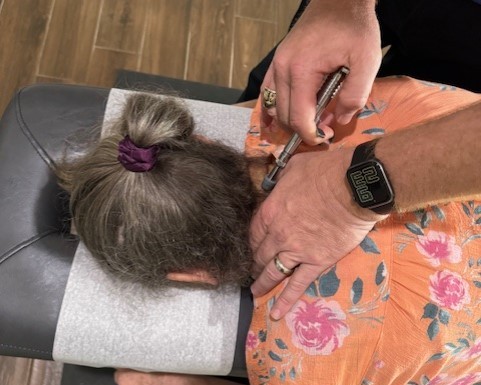
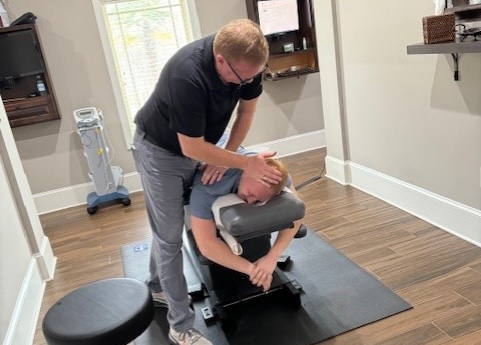
- Spinal Manipulation: I utilize hands-on techniques to gently adjust your spine and surrounding muscles. This method can enhance circulation and relieve tension, allowing your body to heal naturally.
- Stretching Techniques: Incorporating targeted stretching routines into your care can enhance your flexibility and range of motion. I'll teach you safe ways to perform these stretches, which can also help prevent future injuries.
- Core Strengthening: Focusing on strengthening your core muscles is essential for supporting your spine. I'll guide you through specific exercises designed to build stability, making everyday activities more comfortable and manageable.
- Posture Guidance: I'll assess your posture and provide insights on maintaining proper alignment during exercises and daily tasks. This guidance can significantly reduce strain on your back and promote overall wellness.
Over-the-Counter Pain Relief
As a local chiropractor, I want to help you understand that while chiropractic care is a powerful option for relieving back pain, there are also effective over-the-counter (OTC) pain relief options available to manage your discomfort in the interim.
These OTC medications can help alleviate pain and inflammation, enabling you to carry out your daily activities with greater ease.
One of the most commonly recommended types of OTC medications for back pain are nonsteroidal anti-inflammatory drugs (NSAIDs), such as ibuprofen and naproxen.
These medications not only help to reduce inflammation but also provide pain relief, making them a go-to choice for many individuals.
However, it's crucial to always follow the recommended dosage on the packaging and to consult with your healthcare provider if you have any underlying health conditions or are on other medications.
Another option you might consider is acetaminophen.
While it can help relieve pain, it doesn't have anti-inflammatory properties.
This makes it a suitable choice for those who may have gastrointestinal issues or other health concerns that prevent them from using NSAIDs.
Just like with NSAIDs, adhering to the recommended dosage is vital to avoid potential liver damage.
Additionally, topical analgesics can be a fantastic way to achieve localized relief.
Products like creams and gels that contain ingredients such as menthol or capsaicin can be applied directly to the affected area.
These topical treatments can provide a soothing cooling or warming sensation that can help distract from pain and discomfort.
Remember, while OTC options can provide temporary relief, they're most effective when used alongside a comprehensive treatment plan that includes chiropractic care and natural healing techniques.
If you have any questions or need guidance on which options might be best for you, feel free to reach out during your next visit!
Alternative Therapies
As a local chiropractor, I want to highlight the benefits of alternative therapies for those seeking relief from back pain. These approaches not only complement traditional treatments but also focus on holistic healing, addressing the root causes of discomfort rather than merely masking the symptoms.
Here are four key alternative therapies you might consider incorporating into your wellness journey:
- Acupuncture: This ancient practice involves the precise placement of thin needles into specific points on the body. Many believe that acupuncture helps to balance energy flow, reduce pain, and promote relaxation, all of which are crucial for healing.
- Chiropractic Care: In my practice, I utilize spinal manipulation and adjustments to improve alignment and restore proper function. This method can alleviate pressure on nerves and significantly reduce pain, allowing your body to heal naturally.
- Massage Therapy: Regular massages can be a tremendous asset in relieving muscle tension and improving circulation. A qualified massage therapist can target specific areas of discomfort, providing both immediate relief and long-term benefits.
- Yoga and Stretching: Incorporating gentle yoga stretches into your routine can greatly enhance flexibility and strength. Additionally, yoga promotes mindfulness, which helps manage stress—an important factor that can exacerbate pain.
These therapies not only help in alleviating pain but also contribute to your overall well-being.
Before exploring these options, I encourage you to consult with a healthcare professional to determine what's best for you. Remember, each body is unique, and finding the right combination of therapies is essential for your healing journey.
Conclusion
As your local chiropractor, I want to assure you that finding relief from back pain can be a manageable journey. It's essential to understand that you have a variety of techniques at your disposal that can enhance your comfort and well-being. Regular stretching is a fantastic way to keep your muscles flexible, while core strengthening exercises help support your spine and reduce strain.
Mindful relaxation techniques can also play a significant role in alleviating tension. Additionally, maintaining proper posture—whether you're sitting at a desk or lifting objects—can make a world of difference in how your back feels day-to-day. I recommend exploring both heat and cold therapies, as they can provide immediate relief and promote healing.
If you're feeling overwhelmed or unsure where to start, don't hesitate to reach out for professional support. Physical therapy and alternative treatments, including chiropractic care, can be incredibly beneficial in addressing the root causes of your pain. By taking a proactive approach and incorporating these natural healing methods, you're on your way to achieving a healthier back and a more fulfilling life. Together, we can work towards your pain relief goals!