
If you're struggling with lower back pain, I want you to know that there are effective solutions available within just 30 days. As a local chiropractor, I believe in the power of natural healing and want to guide you through some simple yet impactful strategies. Start by focusing on proper posture, engaging in specific stretches, and incorporating core strengthening exercises into your routine. These practices not only help relieve pain but also support your long-term health.
It's important to understand that managing your condition goes beyond just exercising; it involves recognizing the unique aspects of your pain and exploring various therapeutic approaches. By working together, we can create a personalized plan that addresses your specific needs. So, what steps can we take to develop a tailored strategy that will work best for you? Let's embark on this journey toward better health together!
Understanding Lower Back Pain
As a local chiropractor, I want to help you understand lower back pain, a common issue that many people face at some point in their lives. It's crucial to recognize that this discomfort can arise from a variety of causes, and gaining insight into these can significantly aid in managing your pain effectively.
Often, lower back pain may stem from muscle strain, which frequently occurs after lifting something heavy or making a sudden awkward movement. However, it can also be linked to more chronic conditions such as arthritis or a herniated disc, which develop over time due to wear and tear on the body.
Identifying the nature of your lower back pain is key to effective treatment. For instance, if you experience a sharp and sudden pain, this may indicate an injury that requires immediate attention. Conversely, a dull and persistent ache might suggest an underlying issue that should be addressed.
It's also important to consider your lifestyle choices—sedentary habits, inadequate exercise routines, or even excess weight can significantly contribute to back pain. Additionally, your sleeping position and the quality of your mattress play a vital role. An unsupportive mattress can lead to misalignment of your spine, worsening your pain.
If you sit for long periods, the ergonomics of your chair may also be a contributing factor. By paying attention to these details, you empower yourself to take proactive steps toward relief.
I encourage you to keep a pain diary, documenting when and how your pain occurs. This information can be invaluable for us in developing a tailored approach to your treatment and alleviating your discomfort.
Understanding lower back pain is the first step toward finding effective natural relief through chiropractic care. Together, we can explore holistic methods to improve your spinal health and enhance your overall well-being.
Importance of Proper Posture
As a local chiropractor, I want to emphasize the importance of maintaining proper posture for preventing and alleviating lower back pain. When you engage in daily activities—whether sitting, standing, or moving—having the correct alignment is crucial. Proper posture allows you to distribute your body weight evenly, which significantly reduces strain on your muscles and spine. This practice not only helps to prevent discomfort but also supports your overall health and well-being.
You may not be aware, but the way you position your body can greatly affect your lower back health. For instance, slouching or leaning forward while sitting can create unnecessary pressure on your lumbar spine. To combat this, I encourage you to keep your feet flat on the floor, maintain a straight back, and relax your shoulders without hunching.
It's also vital to ensure your chair provides adequate support for your lower back and that your computer screen is at eye level to prevent straining your neck.
Proper posture while standing is equally important. When you stand, aim to distribute your weight evenly across both feet and avoid locking your knees. Engaging your core muscles can provide additional support to your spine, making a significant difference in how your back feels throughout the day.
Don't forget that maintaining good posture is essential during physical activities as well. Whether you're lifting heavy objects or simply walking, keeping your body aligned can help you avoid injuries and minimize discomfort.
Stretching Exercises for Relief
As a local chiropractor, I want to share the importance of stretching exercises for relieving lower back pain. These exercises can significantly enhance your flexibility, increase blood flow, and reduce muscle tension—key factors in alleviating discomfort and promoting healing.
Let's start with a simple yet effective stretch: the child's pose. To do this, kneel on the floor and sit back on your heels. Stretch your arms forward while lowering your torso down. This gentle pose stretches your lower back and hips, and I recommend holding it for about 30 seconds while focusing on your breath to deepen your relaxation.
Next, consider incorporating the cat-cow stretch into your routine. Begin on your hands and knees, and alternate between arching your back (like a cat) and lowering your belly while lifting your head (like a cow). This dynamic movement is excellent for increasing spinal flexibility and can help alleviate tension in your back.
Another beneficial stretch is the knee-to-chest stretch. Simply lie on your back, pull one knee up toward your chest, and hold it there for 15 to 30 seconds. Switch to the other leg and repeat. This stretch specifically targets the muscles in your lower back, helping to elongate and relieve tightness.
Lastly, I recommend the piriformis stretch. While sitting on the ground with your legs extended, cross one leg over the other and gently pull the bent knee toward your opposite shoulder. This stretch is particularly effective for targeting the muscles in your hips and lower back, which can often contribute to discomfort.
Incorporating these stretches into your daily routine can lead to significant improvements in your lower back comfort. Remember, it's important to listen to your body—never push through pain.
Consistency in these exercises is key to finding relief and enhancing your overall mobility. If you're ever unsure or have questions, feel free to reach out for guidance on how to integrate these stretches safely into your routine. Your journey to better back health starts here!
Strengthening Core Muscles
As a local chiropractor, I want to emphasize the importance of strengthening your core muscles. This foundation is crucial for maintaining stability and preventing lower back pain, which many of my patients experience.
Engaging in effective core exercises can significantly enhance your posture and provide vital support to your spine, promoting overall wellness.
Additionally, incorporating daily stretching routines into your life complements these exercises, ensuring that your body remains flexible and strong.
Importance of Core Stability
As your local chiropractor, I want to emphasize the crucial role that core stability plays in your overall health, especially when it comes to alleviating lower back pain and preventing future issues. Your core muscles—comprising your abdominals, obliques, and lower back muscles—act as a natural support system for your spine. When these muscles are strong and stable, they help in distributing weight evenly and reducing strain on your back. Conversely, weak core muscles can lead to poor posture, which increases pressure on your spine, making you more prone to pain and injury.
By prioritizing core stability, you're not just protecting your back; you're also enhancing your overall physical performance. Everyday activities, whether it's lifting groceries or participating in sports, require a strong core. When your core is stable, you'll find it easier to maintain proper form, minimizing the risk of accidents and muscle strain.
Additionally, a stable core is essential for improving your balance and coordination. This is particularly important in avoiding falls or sudden movements that could worsen any existing pain. Remember, it's not just about having strength; it's also about having control and endurance.
Incorporating core stability exercises into your daily routine can lead to significant improvements in your lower back health. As your chiropractor, I encourage you to embrace this aspect of fitness. By doing so, you'll likely experience lasting benefits over time, helping you live a more active and pain-free life.
Effective Core Exercises
As a local chiropractor, I want to emphasize the importance of incorporating effective core exercises into your daily routine for optimal health and wellness. A strong core is vital not only for building strength and stability but also for supporting your lower back, improving posture, and enhancing your overall functional movement.
Let's start with the plank exercise. This foundational move involves holding your body in a straight line from head to heels for 20-30 seconds. As you become more comfortable and build strength, you can gradually increase the duration. This simple yet powerful exercise strengthens your core and can help alleviate some common back issues.
Next, consider the dead bug exercise. Begin by lying on your back with your arms extended toward the ceiling and your legs lifted at a 90-degree angle. Lower your right arm and left leg simultaneously while maintaining a strong core, then return to the starting position. Repeat on the opposite side. This exercise is fantastic for enhancing coordination and stability, which are essential for preventing injuries.
Another excellent exercise to include is the bird-dog. Start on all fours, extending your right arm forward and your left leg back while keeping your hips level. Hold this position for a few seconds before switching sides. The bird-dog engages your entire core and is great for improving balance, which can be particularly beneficial for overall body mechanics.
Lastly, let's talk about Russian twists. Sit on the floor and lean back slightly, twisting your torso side to side while holding a weight or medicine ball. Aim for 10-15 repetitions on each side. This exercise not only targets your core but also helps with rotational strength, which is important for many daily activities.
Incorporating these exercises into your routine can help you develop a strong, stable core, ultimately reducing your risk of lower back pain and enhancing your overall well-being. Remember, a strong core is the foundation for a healthy body!
Daily Stretching Routines
As a local chiropractor, I often emphasize the importance of maintaining lower back health not just through core-strengthening exercises, but also through daily stretching routines. Stretching plays a crucial role in enhancing flexibility, reducing tension, and preventing injuries.
By incorporating these stretches into your daily life, you can keep your muscles supple and significantly lower the risk of strains.
Here are three essential stretches I recommend for everyone to include in their routine:
- Cat-Cow Stretch: This dynamic stretch is fantastic for warming up your spine. It helps improve flexibility while relieving tension in the back, making it a great way to start or end your day.
- Child's Pose: This restorative pose is excellent for lengthening your back and hips. It promotes relaxation and eases tightness, which can be especially beneficial after a long day of sitting or standing.
- Seated Forward Bend: This stretch focuses on your hamstrings and lower back. It can help alleviate stiffness and enhance overall mobility, making daily activities much easier and more comfortable.
I encourage you to set aside at least 10-15 minutes each day for these stretches. With consistent practice, you'll likely notice an increase in your range of motion and a decrease in discomfort in your lower back.
Remember, it's important to listen to your body; stretching should feel good and never painful. Integrating these daily routines into your life won't only promote a healthier back but also support a more active and fulfilling lifestyle.
If you have any questions or need personalized guidance, feel free to reach out to me or schedule an appointment. Your journey to better health starts with understanding your body!
Heat Therapy Techniques
As a local chiropractor dedicated to your well-being, I want to share how heat therapy can significantly alleviate lower back pain. Many of you may not be familiar with this natural healing method, but it's a powerful tool that can enhance your comfort and promote healing.
There are several ways to apply heat, each offering distinct benefits. For instance, moist heat can penetrate deeper into the tissues, while dry heat is great for muscle relaxation. It's essential to find the method that works best for you, and I encourage you to explore these options during your visits.
However, I can't stress enough the importance of safety when using heat therapy. Always take precautions to avoid burns or discomfort, and if you're unsure, feel free to ask during your appointment.
Together, we can explore how heat therapy, combined with chiropractic adjustments, can help you find lasting relief from pain and improve your quality of life. Your journey to better health starts here!
Benefits of Heat Therapy
As a local chiropractor dedicated to educating my patients about natural healing methods, I often recommend heat therapy as a simple yet effective approach to alleviating lower back pain.
Applying heat to your lower back can yield numerous benefits that promote both comfort and healing. Here are some key advantages to consider:
- Enhanced blood circulation: Heat therapy works by dilating blood vessels, which improves circulation in the affected area. This increased blood flow delivers essential nutrients that aid in the healing process.
- Muscle relaxation: The warmth from heat therapy helps soothe tense muscles, easing stiffness and promoting greater flexibility. This can be particularly beneficial for those experiencing tightness in their lower back.
- Pain relief: By decreasing muscle spasms and providing a comforting sensation, heat therapy can offer temporary relief from pain, making it easier for you to go about your daily activities.
Incorporating heat therapy into your routine can significantly enhance your overall well-being.
It's a wonderful way to unwind after a long day or to prepare your muscles before engaging in physical activities.
For those of you dealing with chronic lower back pain, I encourage you to explore heat therapy as part of your treatment plan.
Just remember to listen to your body and find the method that works best for you—whether it's a heating pad, a warm towel, or a soothing hot bath.
Heat therapy can be a valuable ally on your path to relief and improved mobility.
If you have any questions or need guidance on how to integrate this into your wellness routine, feel free to reach out!
Application Methods Explained
As a local chiropractor dedicated to helping you find relief from lower back pain, I want to share some effective heat therapy application methods that can enhance your healing journey.
One of the most popular approaches is using a heating pad. By setting it to a comfortable temperature, you can place it directly on the affected area for about 15 to 20 minutes. Just be sure to place a cloth between your skin and the pad to prevent burns.
Another excellent option is to take a warm bath or shower. The heat from the water is fantastic for relaxing tense muscles and improving blood circulation. Soaking for around 20 minutes can provide you with soothing relief.
If you're looking for something portable, I recommend using a hot water bottle. Fill it with warm (not boiling) water and apply it to your lower back. Microwaveable heat packs are also a convenient choice; just be sure to follow the heating instructions carefully for safety.
Lastly, adhesive heat patches can be particularly beneficial. These patches stick directly to your skin and deliver continuous warmth for several hours, allowing you to move about freely while enjoying the therapeutic effects.
Whichever method you choose, it's essential that it feels comfortable and effectively alleviates your pain. Incorporating these heat therapy techniques can be a valuable part of your overall care and recovery process.
Safety Precautions to Consider
As a local chiropractor, I want to share some important safety tips for using heat therapy to relieve lower back pain. While heat therapy can be an effective way to soothe discomfort, it's vital to prioritize your safety to avoid any negative effects.
Here are some key precautions to keep in mind for a safe and beneficial experience:
- Avoid direct skin contact: Always use a cloth or towel between the heat source and your skin. This simple step can prevent burns and irritation, ensuring a more comfortable treatment.
- Limit application time: It's best to apply heat for no longer than 15-20 minutes at a time. Extended use can lead to skin damage or even exacerbate your pain, so setting a timer can be helpful.
- Monitor temperature: Before applying heat to your lower back, test the temperature on a less sensitive area of your body. If it feels too hot or uncomfortable at any point, remove it immediately.
Listening to your body is crucial. If you find that your pain increases or you experience discomfort while using heat therapy, stop the treatment right away and reach out to a healthcare professional.
Additionally, heat therapy may not be suitable for everyone, especially those with recent injuries or skin disorders, so it's essential to be cautious.
By following these guidelines, you can safely enjoy the soothing benefits of heat therapy as part of your journey toward natural healing and improved well-being.
If you have any questions or need further guidance, please don't hesitate to ask during your visit!
Cold Therapy Applications
As your local chiropractor, I want to share some valuable insights about the benefits of cold therapy for alleviating lower back pain and reducing inflammation. Many patients I see are often unaware of how effective this simple method can be in providing quick relief from discomfort.
When you're experiencing lower back pain, using cold packs or ice can be a great first step in your healing process. The cold helps constrict blood vessels, which in turn reduces swelling and numbs the area, offering immediate comfort.
To safely use cold therapy, I recommend wrapping ice or a cold pack in a cloth to protect your skin. Apply it to the affected area for approximately 15 to 20 minutes at a time. It's crucial to take breaks between applications to avoid the risk of frostbite. You can repeat this process several times a day, particularly during the first 48 hours after you start feeling pain.
If you don't have ice packs on hand, a bag of frozen vegetables can serve as an effective alternative. Just remember to keep it wrapped in a cloth to prevent direct contact with your skin.
Additionally, using cold therapy before engaging in physical activities that may aggravate your back pain can be beneficial. It prepares your muscles and decreases the likelihood of further injury.
It's also important to pay attention to how your body responds to cold therapy. If you find that it's not providing relief or if your pain is worsening, I encourage you to reach out for professional guidance. As a chiropractor, I can offer tailored advice and explore additional treatment options that may be more suitable for your condition.
Incorporating cold therapy into your routine can be a proactive way to manage lower back pain effectively. It can help you feel more comfortable and get back to your daily activities with ease.
Ergonomic Workstation Setup
As a local chiropractor, I want to emphasize the importance of creating an ergonomic workstation to help prevent lower back pain and enhance your overall well-being. Many of you spend long hours at your desks, so it's crucial to set up your workspace in a way that supports your body and promotes good posture. A thoughtfully designed workstation can significantly influence how you feel throughout the day.
Let's start with your chair. It's essential to choose a chair that provides proper lumbar support, which helps maintain the natural curve of your spine. Your feet should be flat on the ground; if not, consider using a footrest to achieve this. Additionally, your monitor should be positioned at eye level to prevent any undue strain on your neck. Keep your keyboard and mouse close enough to avoid reaching, ideally at elbow height to reduce tension in your arms and shoulders.
Here are three key elements to focus on for an ergonomic setup:
- Chair with lumbar support: A chair tailored to your body can alleviate pressure on your lower back, which is vital for your spinal health.
- Monitor at eye level: Adjust your screen height to minimize neck strain, and keep it about an arm's length away to maintain comfort.
- Desk height: Your desk should be set so that your forearms are parallel to the floor while typing, allowing for a more relaxed posture.
In addition to these adjustments, I encourage you to take regular breaks. Stand up, stretch, and walk around periodically. This practice not only helps relieve tension but also improves circulation, which is essential for maintaining your health.
Daily Walking Routine
As your local chiropractor, I want to emphasize the importance of incorporating a daily walking routine into your lifestyle. Not only can it significantly alleviate lower back pain, but it also enhances your overall well-being.
By committing to a regular walking schedule, you'll strengthen your muscles and improve your flexibility, both of which are essential for maintaining a healthy spine.
Let's delve into the benefits of walking and some practical tips to help you stay motivated:
- Strengthens Core Muscles: Walking engages your core, helping to support your spine and reduce pain.
- Enhances Flexibility: Consistent walking helps to maintain and improve flexibility in your hips and lower back, reducing stiffness and discomfort.
- Improves Circulation: Regular movement increases blood flow, which is crucial for healing and overall health.
- Boosts Mood: Physical activity releases endorphins, which can elevate your mood and help alleviate stress, further contributing to your overall wellness.
To stay on track with your walking routine, consider the following tips:
- Set a Schedule: Designate specific times during your day for walking, making it a non-negotiable part of your routine.
- Start Small: If you're new to walking, begin with short distances and gradually increase your time and pace to avoid injury.
- Choose Comfortable Footwear: Invest in a good pair of walking shoes that provide support and cushioning to protect your feet and joints.
- Stay Hydrated: Keep yourself well-hydrated, especially if you're walking longer distances.
By making walking a daily habit, you're not just taking strides towards alleviating pain but also investing in your long-term health.
If you have any questions about how to integrate walking into your daily life or if you're experiencing persistent pain, don't hesitate to reach out. Together, we can work towards a healthier you!
Benefits of Daily Walking
As a local chiropractor dedicated to your well-being, I want to share with you the incredible benefits of establishing a daily walking routine, especially for those experiencing lower back discomfort.
Walking is a simple yet powerful way to not only alleviate pain but also promote your overall health. By incorporating this activity into your daily life, you're actively engaging your core muscles, enhancing your posture, and boosting your flexibility—all vital components for maintaining a healthy spine.
Here are three significant benefits of walking that can support your journey to better health:
- Strengthens muscles: Regular walking engages and strengthens the muscles in your back, abdomen, and legs. This added strength provides essential support for your spine, helping to prevent and alleviate pain.
- Improves circulation: Walking increases blood flow, which is crucial for delivering nutrients to your muscles and tissues. This enhanced circulation aids in recovery and helps reduce stiffness, ultimately contributing to a more comfortable and mobile back.
- Boosts mood: One of the wonderful side effects of walking is the release of endorphins—your body's natural mood lifters. By adopting a routine of regular walking, you can elevate your mood and reduce stress levels, both of which can play a significant role in managing lower back pain.
Incorporating walking into your daily routine can be a simple yet effective step towards better spinal health and overall well-being.
As your chiropractor, I'm here to support you on this journey!
Tips for Consistency
As a local chiropractor, I understand that incorporating a daily walking routine can be challenging, especially when you're looking to improve your overall health and well-being. However, with the right strategies, you can seamlessly integrate walking into your daily life, which can also help alleviate issues like lower back pain.
First, I recommend setting a specific time for your walks. Whether it's first thing in the morning or during your lunch break, find a time that works best for your schedule. This consistency can significantly enhance your commitment to the routine.
Additionally, it's beneficial to create a walking plan. Start with shorter distances and gradually increase both your pace and duration. This approach not only helps build stamina but also minimizes the risk of injury.
To keep your motivation levels high, consider finding a walking buddy. Walking with someone can make the experience more enjoyable and provides an added layer of accountability. Furthermore, tracking your progress can be incredibly motivating. Using a fitness app or maintaining a simple journal to log your distance and time can help you see your improvements over time, boosting your commitment to the routine.
Make your walks more enjoyable by choosing scenic routes or listening to music or educational podcasts. This keeps the experience fresh and engaging, which is essential for maintaining consistency.
Lastly, it's important to practice self-compassion. If you miss a day, don't be too hard on yourself; just resume your routine the next day. While consistency is crucial, embracing flexibility can help you stay committed in the long run.
Yoga for Back Health
As a local chiropractor, I want to share how incorporating yoga into your routine can be a game-changer for managing lower back pain. Yoga isn't just about flexibility; it's a holistic practice that strengthens and stretches the muscles that support your spine. By embracing yoga, you can improve your posture, enhance your flexibility, and effectively relieve tension in your body.
Consider the benefits of these key yoga poses:
- Cat-Cow Stretch: Transitioning between these two positions is excellent for mobilizing your spine. It helps alleviate stiffness and enhances your overall flexibility, which is crucial for spinal health.
- Child's Pose: This restorative pose provides a gentle stretch to your lower back, encouraging relaxation. It's a perfect moment to practice deep breathing and let go of any built-up tension.
- Downward Facing Dog: This full-body stretch is fantastic for strengthening your back and hamstrings. Additionally, it promotes blood flow, which can be instrumental in reducing pain.
Regular yoga sessions can significantly cultivate strength and stability in your lower back. I recommend starting with just a few minutes each day, gradually increasing your practice as you become more comfortable.
It's essential to listen to your body and modify poses as necessary to avoid any strain. Through consistent practice, you'll not only notice improvements in your back health but also experience a boost in your overall well-being.
Embracing this natural approach to healing can lead to a stronger, more resilient back, enhancing your quality of life. Remember, as your chiropractor, I'm here to support you on your journey to better health.
Pilates for Core Stability
As a local chiropractor, I want to emphasize the importance of core stability for maintaining a healthy lower back and overall body alignment. One effective way to strengthen your core is through Pilates, a practice that focuses on controlled movements and precise alignment. This method allows you to engage your abdominal muscles, back, and pelvic floor, creating a solid foundation for your entire body.
By integrating Pilates into your routine, you not only build strength but also enhance flexibility, improve your posture, and significantly reduce the risk of future discomfort.
When you engage in Pilates, you're working more than just your abs; you're activating all the muscles that support your spine. Key exercises such as the Hundred, Plank, and Bridge are specifically designed to stabilize these crucial muscle groups. This added stability helps to evenly distribute the load on your lower back, alleviating pressure and minimizing pain.
You don't need to be an expert to reap the benefits of Pilates; there are numerous beginner classes and online resources available to guide you. As you continue your practice, you'll develop a deeper understanding of your body mechanics, which can enhance your movement patterns in everyday activities. You'll notice that tasks like lifting or bending become easier and more comfortable.
To truly experience the benefits of Pilates, consistency is key. Aim to practice two to three times a week, and you'll likely see significant improvements in your core stability and overall strength.
Foam Rolling Benefits
As a local chiropractor dedicated to promoting natural healing and wellness, I want to share how incorporating foam rolling into your routine can significantly enhance your recovery and alleviate lower back pain. This simple yet effective technique is an excellent addition to your self-care regimen, as it can help release muscle tension, improve circulation, and increase your overall flexibility.
When you use a foam roller, you're engaging in a practice known as self-myofascial release. This technique targets tight areas in your muscles, promoting relaxation and aiding in recovery.
Here are some key benefits of foam rolling that you may experience:
- Release Muscle Tension: Foam rolling effectively breaks down knots and tightness in your muscles, allowing for freer movement and less discomfort. This is particularly important for those of you who spend long hours sitting or engaging in repetitive activities.
- Improve Blood Flow: The increased circulation from foam rolling helps deliver essential nutrients to your muscles, which is vital for recovery and can help reduce soreness after physical activity.
- Enhance Flexibility: Regular foam rolling is beneficial for improving your range of motion, which is crucial for maintaining a healthy back and overall body function.
To get started, find a quiet space where you can focus on your practice. Spend a few minutes rolling over areas such as your lower back, glutes, and hamstrings. You may feel immediate relief as you gradually ease into those tight spots.
Just remember to take it slow and listen to your body—foam rolling should feel good, not painful.
Incorporating foam rolling into your routine can complement the chiropractic care you receive and support your journey toward better health and wellness. If you have any questions or need guidance on how to incorporate foam rolling effectively, please feel free to reach out during your next visit!
Massage Therapy Options
As a local chiropractor, I'm here to educate you on the various massage therapy options available that can effectively alleviate lower back pain and enhance your overall wellness. Many individuals are unaware that different massage techniques can specifically target discomfort and muscle tension in unique ways.
One popular method is deep tissue massage, which delves into the deeper layers of muscle and connective tissue. This technique is particularly beneficial for releasing chronic tension and improving blood flow, ultimately making a significant difference in your pain levels.
Another approach you might consider is Swedish massage. This gentle technique is designed to promote relaxation and may be especially helpful if your lower back pain is related to stress or muscle tightness. By enhancing circulation and easing muscle tension, Swedish massage can leave you feeling more comfortable and at ease.
If you're experiencing specific muscle knots that are contributing to your pain, trigger point therapy may be the right choice for you. This method targets these knots with focused pressure, allowing for substantial relief from discomfort.
You may also want to explore myofascial release. This therapy involves stretching and manipulating the fascia, which is the connective tissue surrounding your muscles. By doing so, it helps to restore movement and reduce pain in your lower back.
In addition to professional massage therapy, I encourage you to consider incorporating self-massage techniques into your routine. Utilizing tools like massage balls or foam rollers can provide relief between your visits to a therapist.
It's crucial to communicate openly with your massage therapist about your pain levels and any specific areas of discomfort. This way, they can tailor the session to address your individual needs.
With regular massage therapy combined with chiropractic care, many of my patients have experienced remarkable improvements in their lower back pain. Remember, natural healing options are available to help you on your journey to wellness.
Acupuncture Insights
Many individuals find chiropractic care to be an effective solution for managing lower back pain. This holistic practice involves hands-on spinal manipulation and other manual techniques to help relieve pain and promote healing. If you're considering chiropractic care for your lower back pain, it's important to understand how it works and what you can expect during your visits.
During a session, you might experience a variety of sensations as your chiropractor performs adjustments. Many patients describe the feeling as a gentle release, often followed by a deep sense of relief and relaxation.
Here's what you can look forward to:
- A soothing environment: Our chiropractic clinic is designed to be welcoming and calming, with comfortable treatment rooms that create a peaceful atmosphere to enhance your healing experience.
- Tailored treatment plans: Your chiropractor will conduct a thorough assessment of your individual situation, focusing on your specific pain areas, medical history, and overall health to create a personalized treatment plan.
- Comprehensive health benefits: Beyond just alleviating your lower back pain, chiropractic care can also improve your posture, help with stress reduction, and promote better sleep and overall well-being.
Typically, a course of chiropractic treatment may involve several sessions. Many patients report noticeable improvements after just a few visits.
Open communication with your chiropractor about your pain levels and any other symptoms is crucial. This allows us to adjust your treatment plan to better meet your needs and help you achieve effective relief.
If you're ready to explore a natural approach to pain management, chiropractic care might be just the solution you're looking for.
Chiropractic Adjustments
As a local chiropractor, I want to share how chiropractic adjustments can be a natural and effective way to relieve lower back pain.
By realigning your spine, we can't only alleviate discomfort but also enhance your overall mobility.
There are various techniques that I utilize, each specifically designed to meet your unique needs and health goals.
Understanding these methods is essential, as it empowers you to make informed decisions about your care and embrace the benefits of natural healing.
If you're curious about how chiropractic care can help you, I'm here to guide you on this journey towards better health.
Benefits of Chiropractic Care
As a local chiropractor, I want to take a moment to educate you about the benefits of chiropractic care, especially when it comes to managing lower back pain. Many people are unaware of how effective chiropractic adjustments can be in restoring mobility and enhancing your overall quality of life.
By focusing on targeted adjustments, we can help you experience immediate relief from discomfort and a noticeable reduction in pain. These adjustments not only concentrate on the spine but also work to improve the overall function of your nervous system.
Let me share some key benefits of chiropractic care that you may find helpful:
- Pain Relief: Many of my patients report experiencing a significant decrease in lower back pain, which allows them to return to their daily activities without the burden of discomfort.
- Improved Range of Motion: Through chiropractic adjustments, you can regain flexibility, making it easier for you to bend, lift, and move freely without any restrictions.
- Enhanced Posture: Regular chiropractic adjustments encourage better posture, which not only alleviates strain on your back but also helps prevent future pain from occurring.
If you're new to chiropractic care, I encourage you to consider how these benefits can positively impact your life.
Together, we can work towards a healthier, pain-free future.
Techniques and Methods Used
As your local chiropractor, I want to take a moment to educate you about the various techniques and methods we use to help alleviate lower back pain and promote overall wellness through natural healing. Chiropractic care focuses on spinal adjustments to realign the vertebrae, which can significantly reduce discomfort and improve mobility.
One common approach is the diversified technique, which involves high-velocity thrusts aimed at correcting misalignments in the spine. This method is effective in restoring proper function and movement to your back.
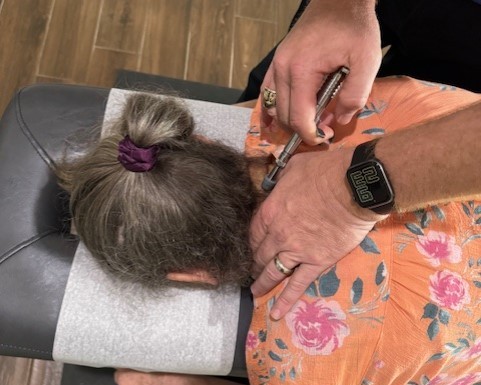
If you're looking for a gentler option, you might find the Activator Method appealing. This technique utilizes a small handheld instrument to deliver light impulses to the spine, providing a more subtle adjustment without the force that some may find uncomfortable.
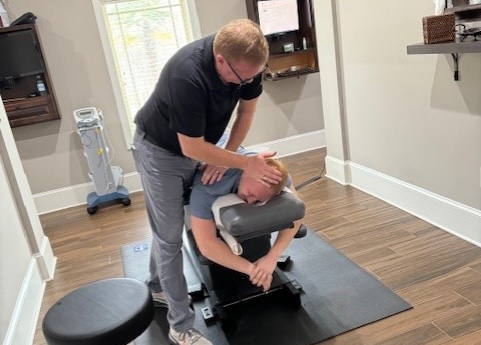
For those who experience muscle tension, the Thompson technique could be particularly beneficial. This method uses a specially designed table that drops slightly during adjustments, assisting in the realignment process while minimizing strain on your body.
Additionally, the Gonstead technique focuses on a detailed analysis of your spine, allowing for precise adjustments that ensure optimal alignment. By tailoring our techniques to your specific needs, we can address the root cause of your pain and work towards lasting relief.
Incorporating these chiropractic methods into your care plan can lead to significant improvements in your lower back condition. Regular adjustments not only help manage pain but also contribute to your long-term health and wellness.
I encourage you to discuss these options with me during your visit, as we work together towards a pain-free and healthier you.
Over-the-Counter Pain Relief
As a local chiropractor, I often see patients who are seeking relief from lower back pain. Many people initially turn to over-the-counter (OTC) pain relief as a quick fix, which can be helpful in the short term. However, I want to help you understand both the benefits and limitations of these options, as well as introduce you to natural healing methods that can support your overall well-being.
Here are some common OTC pain relief options you might consider:
- Nonsteroidal Anti-Inflammatory Drugs (NSAIDs): Medications like ibuprofen or naproxen can help reduce inflammation and alleviate pain, allowing you to manage your discomfort throughout the day. However, while they can provide temporary relief, they don't address the underlying causes of the pain.
- Acetaminophen: This pain reliever can be effective for mild to moderate pain and is a suitable choice for those who may not tolerate NSAIDs well. It's important to remember that acetaminophen doesn't have anti-inflammatory properties, so it may not be as effective for certain types of pain.
- Topical Analgesics: Creams, gels, or patches applied directly to the skin can offer localized relief. Many of these products contain ingredients like menthol or capsaicin, which can create a soothing sensation. While they can be beneficial, they should be used as part of a broader approach to care.
As you explore these OTC options, it's crucial to read the labels and adhere to the recommended dosages. While they can provide relief, they may also carry side effects and could interact with other medications you might be taking.
I encourage you to consider integrating chiropractic care as part of your pain management strategy. Chiropractic adjustments can address the root causes of your discomfort, promote healing, and help restore function to your spine and nervous system.
Additionally, incorporating lifestyle changes, such as proper ergonomics, stretching, and strengthening exercises, can further enhance your recovery.
If your pain persists or worsens, please don't hesitate to reach out to me or another healthcare professional. We can guide you through personalized strategies that align with your health goals.
Prescription Medications Overview
As a local chiropractor, I want to share some insights about managing lower back pain, especially for those who may not be familiar with chiropractic care and natural healing approaches.
While over-the-counter pain relief options can be helpful, there are times when more intensive solutions are sought. This is where some doctors might consider prescribing medications such as stronger pain relievers, muscle relaxants, or anti-inflammatory drugs.
However, it's crucial to understand that while these medications can provide temporary relief, they may also come with potential side effects.
At our practice, we focus on holistic methods to help manage pain and promote healing naturally. Chiropractic adjustments, therapeutic exercises, and lifestyle modifications can often lead to lasting relief without the need for prescription medications.
If you're exploring options for your lower back pain, I encourage you to consider the benefits of natural healing and chiropractic care.
Common Prescription Options
Dealing with lower back pain can be challenging, but as a chiropractor, I want to help you understand your options for relief through natural healing methods. While some may turn to medications, it's important to explore holistic approaches that can address the root cause of your discomfort.
Here are some common options I often recommend for my patients:
- Chiropractic Adjustments: These gentle manipulations can help realign the spine, reduce inflammation, and relieve pain. By correcting misalignments, we can promote better function and healing in the body.
- Physical Therapy Exercises: Targeted exercises can strengthen your back and core muscles, which play a crucial role in supporting your spine and alleviating pain.
- Massage Therapy: This can help relax tense muscles and improve circulation, leading to reduced pain and enhanced recovery.
- Lifestyle Modifications: Simple changes in your daily routine, such as improving posture, ergonomic adjustments at work, and incorporating regular movement, can significantly impact your back health.
These natural approaches can be highly effective in managing lower back pain and are often safer alternatives to medications.
I encourage you to discuss these options with me so we can tailor a treatment plan that aligns with your individual needs.
Potential Side Effects
As a local chiropractor, I want to emphasize the importance of exploring natural healing methods for lower back pain while also being aware of the potential side effects of commonly prescribed medications. Many individuals turn to options like NSAIDs or opioids for relief, but it's essential to understand the risks associated with these treatments.
For instance, nonsteroidal anti-inflammatory drugs (NSAIDs) can lead to gastrointestinal issues, such as ulcers or bleeding, especially with prolonged use. Additionally, these medications may contribute to kidney problems or elevated blood pressure.
On the other hand, opioids can be effective for managing severe pain, but they come with their own set of challenges, including the risk of dependence, constipation, and drowsiness. Over time, many patients find that they require higher doses to achieve the same level of relief, which increases the risk of addiction.
Muscle relaxants, which some may consider, can cause side effects like dizziness, dry mouth, and fatigue, making everyday tasks more difficult. Corticosteroids may provide quick relief, but long-term use can weaken bones and elevate the risk of infections.
Before starting any medication, I encourage you to have an open conversation with your healthcare provider about these potential side effects. Together, we can weigh the benefits against the risks and discuss alternative options that align with a natural healing approach.
Nutritional Considerations
As a local chiropractor, I often emphasize the importance of nutritional considerations in managing lower back pain. The food you consume can significantly influence inflammation and muscle health, which are key factors in your overall well-being. By focusing on a balanced diet, you can't only reduce pain but also promote healing in your body.
Incorporating anti-inflammatory foods into your meals is a crucial step in this process. Here are some items to consider adding to your grocery list for a healthier diet:
- Leafy greens: Vegetables like spinach, kale, and Swiss chard are rich in vitamins and antioxidants that help combat inflammation. These should be staples in your diet.
- Fatty fish: Varieties such as salmon, sardines, and mackerel are excellent sources of omega-3 fatty acids, which are well-known for their anti-inflammatory properties. Aim to include these in your meals a couple of times a week.
- Nuts and seeds: Foods like almonds, walnuts, and chia seeds provide healthy fats and essential nutrients that support muscle recovery. They make great snacks, too!
Don't forget about hydration. Drinking enough water is vital, as it helps maintain the elasticity of tissues and lubricates your joints, potentially reducing discomfort. I recommend aiming to drink plenty of fluids throughout the day.
It's also important to be mindful of foods that may contribute to inflammation. Processed sugars, refined carbohydrates, and excessive saturated fats can exacerbate pain and discomfort, so try to limit these in your diet.
Lastly, ensure you're getting sufficient calcium and vitamin D, which are critical for strong bones and optimal muscle function. Dairy products, fortified plant-based milks, and leafy greens are fantastic sources of these nutrients.
By making these nutritional adjustments, you can create a supportive environment that allows your back to heal effectively. This holistic approach empowers you to lead a more active and pain-free life, which is something we strive for in our chiropractic practice.
Weight Management Strategies
As your local chiropractor, I want to emphasize how crucial weight management is for alleviating lower back pain and enhancing your overall health. Carrying excess weight can place significant stress on your spine and the muscles surrounding it, often leading to increased discomfort. By implementing effective weight management strategies, you can help relieve this pressure and improve your quality of life.
To begin, let's talk about the importance of balanced nutrition. Focus on incorporating whole foods into your diet, such as fresh fruits, vegetables, lean proteins, and whole grains. These nutrient-rich foods not only assist in weight loss but also provide the vital energy needed for physical activities that support your spine's health.
Monitoring your caloric intake can also be beneficial to ensure you're consuming fewer calories than you expend, guiding you toward a healthier weight over time.
In addition to nutrition, incorporating regular physical activity is essential. I recommend aiming for a balanced routine that includes both aerobic exercises and strength training. Low-impact activities like swimming, cycling, or walking are particularly beneficial as they minimize stress on your back while effectively helping you lose weight.
Even small bursts of activity throughout your day can make a significant difference in your overall fitness.
It's also important to stay consistent and set realistic goals for yourself. Aiming for gradual weight loss—about 1 to 2 pounds per week—is a healthy and sustainable target. Celebrate your achievements, no matter how small, as this can help keep you motivated on your journey.
Lastly, I encourage you to seek support in your weight management efforts. Whether it's from friends, family, or health professionals like myself, having a supportive network can make a world of difference in helping you stay on track.
Proper Lifting Techniques
As a local chiropractor dedicated to your well-being, I want to emphasize the crucial connection between weight management and proper lifting techniques. Many people are unaware that lifting heavy objects incorrectly can lead to significant strain on your lower back, resulting in pain and discomfort.
By incorporating the right lifting methods, you can protect your spine and promote a healthier back.
Here are three essential points to keep in mind when lifting:
- Bend at your knees: Stand with your feet shoulder-width apart and squat down by bending your knees instead of your waist. This technique not only distributes the weight evenly but also engages your leg muscles, which are designed to handle heavy loads.
- Keep the load close: Always hold the object as close to your body as possible. This practice minimizes the strain on your back and enhances your balance, enabling your legs to take on most of the lifting responsibility.
- Use your legs to lift: As you lift, focus on straightening your legs while keeping your back straight. Avoid twisting your torso during the lift; instead, pivot your feet to turn. This method ensures you lift objects safely, reducing unnecessary stress on your spine.
By adopting these proper lifting techniques, you can significantly lower your risk of injury and contribute to your overall spinal health.
Mindfulness and Relaxation
When it comes to managing lower back pain, incorporating mindfulness and relaxation techniques can significantly enhance your healing process.
As a chiropractor, I often recommend practicing specific breathing techniques to help alleviate tension in your body, which in turn can promote healing.
Additionally, guided meditation serves as a valuable tool, allowing you to mentally step away from discomfort and focus on relaxation.
By integrating these practices into your daily routine, you not only improve your overall well-being but also empower yourself to manage pain more effectively.
Embracing these natural methods can complement your chiropractic care and lead to a healthier, more balanced life.
Breathing Techniques Benefits
As a local chiropractor, I want to share with you how breathing techniques can significantly benefit those struggling with lower back pain. Many individuals are unfamiliar with the powerful connection between breath and body, but focusing on your breath can be a transformative experience that promotes relaxation and enhances your body's natural healing abilities.
Here are some key benefits you may discover by incorporating breathing techniques into your routine:
- Increased oxygen flow: Practicing deep breathing allows more oxygen to reach your muscles, which can help alleviate tightness and discomfort in your lower back. This increased oxygenation supports muscle recovery and overall function.
- Enhanced relaxation: Mindful breathing not only calms your mind but also helps you release stress and anxiety that may be contributing to your pain. By promoting a relaxed state, your body can better focus on healing.
- Improved body awareness: By tuning into your breath, you can develop a heightened awareness of your body. This connection enables you to identify areas of tension and respond proactively, which is crucial for maintaining a healthy spine and overall well-being.
Integrating breathing techniques into your daily routine can empower you to manage your pain more effectively. Just a few minutes of focused breathing each day can lead to substantial improvements, helping you regain control over your body and enhance your quality of life.
Guided Meditation Practices
As a chiropractor, I want to share with you an effective approach to managing lower back pain: guided meditation practices. Many people aren't aware that mindfulness and relaxation techniques can play a significant role in alleviating discomfort and promoting overall well-being.
To get started, find a quiet and comfortable space where you can sit or lie down without interruptions. If you're new to meditation, there are many guided meditation apps or online recordings available that can help you through the process.
Begin by closing your eyes and taking a few deep breaths. With each exhale, allow your body to sink deeper into relaxation. The guided sessions will often lead you to visualize calming images or focus on different areas of your body, which can be particularly beneficial for your lower back.
As you direct your attention to your lower back, picture warmth and healing energy surrounding that area, helping to ease any discomfort you may feel. It's important to stay present and acknowledge any sensations without judgment. This mindfulness practice can help reduce tension and stress that often contribute to pain.
I encourage you to incorporate this practice into your daily routine, even if it's just for 10-15 minutes. Many patients notice a significant reduction in pain and an enhancement in their overall quality of life.
Consistency is vital, so making guided meditation a regular part of your self-care routine can complement the chiropractic treatments I provide and help you manage your lower back pain more effectively.
Sleep Position Adjustments
As a local chiropractor, I often see patients who experience lower back pain and stiffness, especially upon waking. One of the first things I recommend is adjusting your sleep position, as it plays a crucial role in spinal alignment and overall back health. By making a few simple changes to how you sleep, you can significantly improve how you feel each morning.
Here are some tips for ideal sleep positions that can help alleviate discomfort:
- Sleep on your side: This position is generally beneficial for maintaining spinal alignment. To enhance this position, consider placing a pillow between your knees. This can help support your hips and lower back, reducing strain on your spine.
- Choose a supportive mattress: A medium-firm mattress strikes the right balance between support and comfort. It helps maintain the natural curve of your spine, which is essential for reducing back pain.
- Avoid sleeping on your stomach: While some people find this position comfortable, it can lead to strain on both the neck and lower back. If you find it difficult to change positions, try using a thin pillow or none at all to lessen the strain.
I encourage you to experiment with these adjustments and observe how your body responds. Pay close attention to how you feel each morning after making these changes. You may be surprised to find that even a small tweak in your sleep position can lead to a substantial reduction in pain and discomfort.
Remember, a restful night's sleep is vital for your recovery and overall well-being. By prioritizing your sleep environment and making these adjustments, you're taking an important step towards a healthier back and improved quality of life.
If you have any questions or need further guidance, don't hesitate to reach out. Your path to a pain-free back starts with understanding how your body responds to different sleep positions!
Hydration for Joint Health
As a local chiropractor, I want to emphasize how crucial proper hydration is for maintaining healthy joints and alleviating discomfort. Water is essential for lubricating your joints, which helps reduce friction during movement and keeps your cartilage cushioned and in good condition.
When you don't drink enough water, dehydration can set in, leading to stiffness and increased pain, particularly in your lower back and other joints.
To support optimal joint function, I recommend aiming for at least eight glasses of water a day. However, remember that individual hydration needs can vary based on factors like your activity level and the climate you live in.
Pay attention to your body; if you're feeling thirsty, that's a clear indication that it's time to hydrate. Additionally, incorporating hydrating foods into your diet—like fruits and vegetables—can significantly boost your overall fluid intake. Foods such as cucumbers, oranges, and watermelon aren't only refreshing but also contribute positively to your joint health.
It's also important to be aware that beverages like caffeine and alcohol can lead to dehydration. If you choose to enjoy these drinks, make sure to increase your water intake to compensate.
Keeping a water bottle with you throughout the day can serve as a great reminder to stay hydrated and support your joint health. Remember, taking care of your hydration is a simple yet effective way to enhance your overall wellness and the health of your joints.
Avoiding Prolonged Sitting
As a local chiropractor, I want to emphasize the importance of avoiding prolonged sitting for the health of your lower back. Many of my patients are surprised to learn that extended periods of sitting can lead to significant discomfort and even long-term issues.
One of the best ways to combat this is by creating an ergonomic workspace. This means adjusting your chair, desk, and computer setup to promote proper posture and alignment.
In addition to a well-designed workspace, it's essential to incorporate frequent movement breaks into your routine. Standing up, stretching, or taking a short walk can really help alleviate tension and keep your body active.
I also encourage considering a standing desk option, as it can further support your efforts to stay active throughout the day and reduce discomfort in your back.
Ergonomic Workspace Setup
As a local chiropractor, I often see patients who experience lower back pain from prolonged sitting. One of the key factors in preventing this discomfort is having a well-designed workspace that promotes proper ergonomics.
By making simple adjustments to your environment, you can create a comfortable setting that supports your spine's natural curve and encourages good posture. Here are some essential elements to consider for your ergonomic setup:
- Adjustable Chair: Look for a chair that provides lumbar support, adjustable height, and armrests. This will help keep your spine aligned and reduce strain on your back.
- Desk Height: Ensure that your desk is set at the correct height. Your elbows should be at a 90-degree angle when typing, which helps prevent unnecessary strain on your back and shoulders.
- Monitor Position: Position your monitor at eye level. This will prevent you from craning your neck, which can lead to discomfort in both your neck and back.
Incorporating these ergonomic elements into your workspace can lead to significant improvements in your comfort and productivity.
A well-structured environment not only makes it easier to maintain a healthy posture throughout the day but also supports your overall well-being.
Remember, your workspace should be tailored to your needs. With a few thoughtful adjustments, you can create an ergonomic setup that keeps you active and pain-free while you work.
If you have any questions or need further guidance, feel free to ask during your next visit!
Frequent Movement Breaks
As a local chiropractor, I often see patients who are unaware of the importance of taking frequent movement breaks, even when they've a well-designed ergonomic workspace.
Sitting for extended periods can lead to discomfort and pain, especially in the lower back. That's why I encourage you to incorporate regular movement into your daily routine.
Setting a timer to remind yourself to stand up and stretch every 30 to 60 minutes can make a significant difference. It might seem like a small step, but these brief breaks can greatly reduce the strain on your lower back and improve your overall well-being.
During your breaks, focus on simple stretches that target the lower back and hips. You can stand up, bend side to side, or take a quick walk around your space for a minute.
If you're comfortable, consider including light exercises like leg lifts or back twists. These movements not only promote better circulation but also strengthen your muscles, helping to alleviate the discomfort associated with prolonged sitting.
Remember, incorporating these movement breaks into your day is a natural way to support your body and enhance your overall health.
If you have any questions about how to implement these practices effectively, feel free to ask during your next visit!
Standing Desk Benefits
As a local chiropractor, I often see patients who struggle with lower back pain, especially those who spend long hours sitting. One effective solution I recommend is the use of a standing desk.
Transitioning to a standing desk can significantly reduce the risk of back pain associated with prolonged sitting. By incorporating a standing desk into your routine, you can promote better posture and encourage healthier movement throughout your day, which can have a profound impact on how you feel overall.
Here are some benefits you might notice with this change:
- Improved Posture: Standing naturally encourages proper alignment of your spine, which can alleviate strain on your back and neck.
- Increased Energy Levels: Many people report feeling more energized and alert when they stand, as this position can enhance blood flow and circulation.
- Burn More Calories: Standing burns more calories than sitting, contributing to your overall health and wellness.
It's important to note that using a standing desk doesn't mean you have to be on your feet all day. I recommend alternating between sitting and standing to find the right balance that suits your needs.
This small adjustment in your workspace can lead to a more comfortable and healthier lifestyle, helping you avoid the discomfort associated with lower back pain. If you're considering a standing desk, I encourage you to give it a try—you may be pleasantly surprised by the positive effects it can have on your well-being.
Using Supportive Footwear
As a local chiropractor, I want to emphasize the significant role that supportive footwear plays in alleviating lower back pain. When you select shoes that offer ample support, cushioning, and stability, you can effectively reduce the strain on your lower back.
It's vital to choose footwear that fits properly and addresses your specific needs—whether you're walking, exercising, or spending long hours on your feet.
I recommend looking for shoes with good arch support, as this feature helps distribute your weight evenly across your feet. Footwear with a cushioned insole is also beneficial, as it absorbs shock and minimizes the impact on your spine.
If you have flat feet or high arches, consider investing in custom orthotics. These tailored inserts can enhance your comfort and help maintain proper alignment, which is crucial for preventing back pain.
It's important to avoid high heels and flip-flops, as these types of footwear can worsen lower back issues. While they may be trendy, they often lack the support and stability your body needs.
Instead, opt for shoes with a low heel and a wider toe box to ensure comfort throughout the day.
Consider the activities you engage in regularly. If you're often on your feet, investing in quality walking or athletic shoes designed for your specific needs can make a significant difference in how your body feels by the end of the day.
Incorporating supportive footwear into your daily routine can be transformative when it comes to managing lower back pain. By prioritizing comfort and support, you not only improve your well-being but also enhance your overall quality of life.
If you have any questions about how your footwear may be impacting your back health, feel free to reach out. I'm here to help you on your journey to better health!
Tracking Pain Progress
As your local chiropractor, I want to emphasize the importance of tracking your pain progress in our journey toward healing and wellness.
Keeping a daily pain journal can be a powerful tool for you; it allows you to pinpoint patterns and identify potential triggers that may be contributing to your discomfort.
Additionally, I recommend conducting weekly assessments to evaluate your improvements. This consistent monitoring will help us understand what treatments are effective and which ones may need adjustment.
Daily Pain Journal
As a local chiropractor, I want to emphasize the importance of keeping a daily pain journal as you work through the challenges of lower back pain. This practice can be a powerful tool in understanding your symptoms and enhancing your journey toward natural healing.
By documenting your pain levels, you'll be able to identify patterns and triggers that can inform your treatment process, making it easier to manage your discomfort effectively.
Each day, take a few moments to jot down your experiences. Here are some specific details to consider including:
- Pain Intensity: Rate your pain on a scale from 1 to 10. This will help both you and me visualize the fluctuations in your discomfort and guide us in tailoring your chiropractic care.
- Activities: Record your daily activities. Whether you exercised, took time to rest, or engaged in physical tasks, knowing what you did can help us pinpoint potential aggravators and adjust your treatment accordingly.
- Mood and Sleep: It's essential to track how your pain affects your overall mood and the quality of your sleep. These factors can greatly influence your pain perception and recovery, and understanding this relationship will aid in your holistic treatment plan.
By maintaining this journal, you empower yourself to take an active role in your health, and it allows us to work together more effectively towards achieving a pain-free life.
Weekly Progress Assessments
As your local chiropractor, I want to emphasize the importance of evaluating your progress on a weekly basis when it comes to managing lower back pain naturally. This practice allows you to uncover patterns, recognize triggers, and track improvements in your condition.
Each week, I encourage you to take a few moments to review your daily pain journal. It's a valuable tool to identify trends in your pain levels and to see which activities or treatments provide relief or exacerbate your discomfort.
Setting specific goals each week can also be incredibly beneficial. Whether it's enhancing your mobility, trying out a new exercise recommended in our sessions, or aiming to reduce your pain intensity, having clear objectives will help steer your recovery journey.
After a week, we can assess together whether you've met those goals. If you find that you haven't, we can adjust your approach and explore different strategies that might work better for you.
Moreover, it's crucial to reflect on your emotional well-being as part of the healing process. Chronic pain can impact your mood and mental health, so I encourage you to evaluate how you're feeling emotionally alongside your physical symptoms.
If you notice significant changes in your mood or outlook, please don't hesitate to reach out to me or your support network. Together, we can address both the physical and emotional aspects of your recovery, guiding you toward a healthier, pain-free life.
Setting Realistic Goals
As your local chiropractor, I want to emphasize the importance of setting realistic goals when it comes to managing lower back pain. This approach not only helps you concentrate your efforts but also allows you to monitor your progress without feeling overwhelmed. By establishing achievable targets, you'll find it easier to stay motivated and committed to your journey toward recovery.
To start, consider breaking down your larger goals into smaller, more manageable steps. This strategy enables you to celebrate your successes along the way, which can significantly boost your morale. Here are a few examples of realistic goals that I recommend:
- Daily Stretching Routine: Aim for a 10-minute stretching session every morning. This simple practice can enhance your flexibility and help alleviate tension in your back.
- Gradual Increase in Activity: Set a goal to extend your walking distance by a few minutes each week. This gradual increase will help build your endurance while minimizing the risk of aggravating your pain.
- Mindfulness Practice: Dedicate 5 minutes each day to mindfulness exercises. This can help reduce stress and improve your overall mental well-being, both of which are crucial in managing pain.
When setting these goals, it's vital that they're specific, measurable, and time-bound. For example, instead of saying, "I want to feel better," you could say, "I want to walk for 15 minutes without pain by the end of the month." This level of clarity helps you stay focused and allows for effective tracking of your progress.
Remember, managing lower back pain is a journey that takes time—it's a marathon, not a sprint. By setting realistic goals, you'll find that your path to recovery feels more attainable and less daunting.
As your chiropractor, I'm here to support you every step of the way in your journey towards better health and wellness.
Seeking Professional Help
As a local chiropractor, I want to help you understand the importance of knowing when to seek professional care for lower back pain. It's essential to recognize that, alongside setting realistic recovery goals, identifying when to reach out for help can make a significant difference in your healing journey.
If your lower back pain lingers for more than a few weeks or worsens despite your attempts to manage it, it's time to consult with a healthcare provider. Ignoring these warning signs can lead to more serious complications down the road.
Start by making an appointment with a chiropractor like me. We specialize in assessing musculoskeletal conditions and can provide natural healing options tailored to your needs. During your visit, I'll take the time to evaluate your condition, and I might recommend imaging tests, such as an MRI or X-ray, to identify any underlying issues.
I encourage you to share all your symptoms candidly. This openness allows me to create a customized treatment plan that addresses your specific concerns. If you're having trouble with mobility, daily activities, or experiencing numbness or tingling, be sure to mention these symptoms, as they're crucial for an accurate diagnosis.
It's also vital to consider how your pain might be affecting your mental well-being. Chronic pain can contribute to feelings of anxiety, stress, and depression. In such cases, I can work in conjunction with mental health professionals to ensure you receive comprehensive care that addresses both physical and emotional aspects of your health.
In summary, recognizing when to seek professional help is crucial for your recovery. Trust your instincts—if something doesn't feel right, don't hesitate to reach out. Taking proactive steps now can lead to better outcomes and a quicker return to your everyday activities.
I'm here to support you on your journey to wellness through chiropractic care and natural healing.
Community Support Groups
As a local chiropractor, I understand that managing lower back pain can be a daunting journey. One of the most effective ways to navigate this journey is by finding support from others who truly understand the challenges you face. Community support groups can play a pivotal role in your healing process by providing a safe environment to share experiences, gain insights, and learn coping strategies.
In these groups, you'll meet individuals who can relate to your pain and the everyday obstacles it brings. Sharing stories and tips can significantly lighten your emotional burden while also offering practical advice to help you manage your condition. Imagine:
- Meaningful discussions where you can openly talk about your daily struggles and victories, surrounded by people who genuinely empathize with your situation.
- Resource sharing, including recommendations for trusted chiropractors, effective pain management techniques, or local wellness events that could benefit your recovery.
- Inspiring testimonials from fellow members who've discovered effective ways to cope or improve their quality of life, motivating you to explore new avenues for your own healing.
Joining a community support group can also lead to the formation of new friendships. You're not just connecting with individuals; you're cultivating a network that fosters accountability and positivity.
Whether you choose to meet in person or connect online, these groups offer a sense of belonging that can be hard to find elsewhere.
As a chiropractor dedicated to promoting natural healing, I encourage you not to underestimate the power of community. Surrounding yourself with others who share similar experiences can help you feel less isolated and empower you to take control of your journey toward managing lower back pain.
Creating a Personal Plan
As you explore the world of chiropractic care and natural healing, it's essential to take an active role in your recovery by creating a personal plan that suits your unique needs.
Begin by identifying your specific pain triggers and symptoms related to your lower back. Take a moment to reflect on which activities tend to exacerbate your discomfort and jot these down for clarity.
Setting realistic and achievable goals is crucial in your healing journey. Whether your aim is to reduce pain levels, enhance mobility, or build strength, having clear objectives will help you maintain focus.
Consider breaking your larger goals into smaller, manageable tasks that you can work on daily or weekly.
Incorporating a diverse range of treatments and activities into your plan can be highly beneficial. Physical therapy exercises, stretching routines, and yoga are excellent options to strengthen your core and improve flexibility.
Remember to include rest and recovery periods in your schedule, as your body requires time to heal effectively.
Tracking your progress is vital. Keep a journal to monitor how different activities affect your pain levels. This practice won't only help you pinpoint what works best for you but also serve as a source of motivation as you begin to notice improvements over time.
Most importantly, stay adaptable. If something isn't yielding the desired results, feel free to adjust your plan. Healing isn't always a straightforward process, and what works for you today may change as you advance.
By following these steps, you can create a personalized plan that empowers you on your path to relief from lower back pain.
Celebrating Your Progress
Celebrating your progress is an essential aspect of your journey to overcoming lower back pain, and as a chiropractor, I want to emphasize how important it's to acknowledge the strides you're making in your healing process.
It's all too easy to get lost in the routine of exercises and stretches, but taking a moment to recognize your advancements can serve as a powerful motivator to continue your journey. Remember, each small victory matters!
Here are three effective ways to celebrate your progress:
- Keep a Healing Journal: I encourage you to document your achievements, such as decreased pain levels, improved mobility, or milestones in your treatment plan. Writing down these improvements provides you with tangible evidence of the dedication you've put into your recovery and allows you to track how far you've come.
- Reward Yourself: Treating yourself to something nice, whether a soothing massage, a special meal, or a well-deserved day of relaxation, can reinforce the positive changes occurring in your body. It's a way to celebrate your commitment to your health and well-being.
- Share Your Story: Don't hesitate to talk to friends and family about your journey. Their encouragement can significantly boost your morale and remind you that you're not alone in this process. Sharing your experiences can also inspire others to seek help for their own health challenges.
Keep in mind that progress isn't always a straight path. Some days may be more challenging than others, but recognizing your achievements—no matter how small—can help you maintain focus on your overall goals.
Reflecting on your journey also allows us to identify which techniques are most effective for you, giving us the opportunity to make necessary adjustments to your treatment plan.
As your chiropractor, I'm here to support you every step of the way. Let's celebrate your progress together!
Conclusion
As a local chiropractor, I'm here to help you understand how you can take control of your lower back pain within just 30 days by adopting a holistic approach to your health. Many people are unaware of the significant role that proper posture, regular stretching, and core strengthening exercises can play in alleviating discomfort. By incorporating these practices into your daily routine, you can experience remarkable improvements in your back health.
In addition to these exercises, I recommend considering heat therapy, which can provide relief and promote healing. It's also essential to seek professional guidance—like chiropractic care—to address the underlying issues contributing to your pain. Remember, consistency is vital in any healing process. Celebrate your progress, no matter how small, as it will help keep you motivated on your journey to a healthier, pain-free back. Start today, and together, we can work towards achieving your wellness goals!