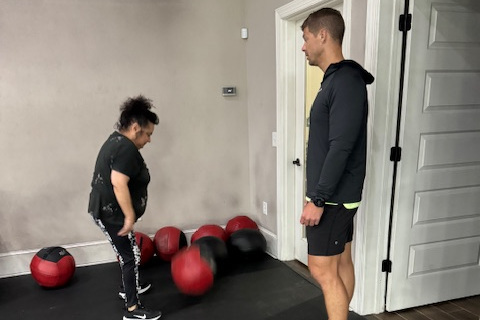

As a local chiropractor, I want to share some insights on how to effectively manage and relieve back pain. Many patients are surprised to find that relief often comes from a combination of techniques rather than relying solely on one method. By incorporating stretching and strengthening exercises into your daily routine, adjusting your posture, and utilizing heat and cold therapy, you can begin to feel significant improvements in your back pain.
Furthermore, I encourage you to explore additional natural healing methods like massage therapy and mindfulness practices, which can greatly enhance your overall comfort and well-being. But with so many options available, you might wonder which techniques to prioritize for the best results. Let's delve into some of the most effective strategies that can help you regain your comfort and mobility, and I'm here to guide you through this journey to better health.
Stretching Exercises
As a local chiropractor, I want to emphasize the importance of stretching exercises in achieving relief from back pain. These exercises play a vital role in enhancing flexibility and alleviating muscle tension, which can significantly contribute to your overall comfort. By incorporating stretching into your daily routine, you can experience a noticeable reduction in stiffness and discomfort.
I recommend starting with some foundational stretches, such as the cat-cow pose. To do this, position yourself on all fours. Arch your back upward like a cat, then lower it downward like a cow. This gentle movement warms up your spine and enhances its mobility.
Another beneficial stretch is the child's pose. Kneel and sit back on your heels while extending your arms forward and lowering your forehead to the ground. This pose provides a soothing stretch to your lower back and helps to release built-up tension.
You can also try the standing forward bend. Stand with your feet hip-width apart, hinge at your hips, and allow your upper body to lower toward the floor. Make sure to let your head and neck hang relaxed, which will help you feel the stretch along your spine and hamstrings. Aim to hold each stretch for 20-30 seconds while focusing on deep, calming breaths to encourage relaxation.
I encourage you to integrate these stretches into your morning or evening routine, or whenever you start to feel tightness. Consistency is essential; the more regularly you stretch, the more flexible and relaxed you'll become.
Always pay attention to your body's signals and avoid pushing yourself into discomfort. By dedicating just a few minutes each day to these stretching exercises, you can foster greater relief from back pain and enhance your overall well-being.
Strengthening Workouts
As a local chiropractor, I want to emphasize the importance of strengthening workouts for maintaining a healthy back and preventing pain. Many people may not realize that these exercises can play a crucial role in your overall well-being.
By incorporating core stability exercises, flexibility routines, and resistance training into your fitness regimen, you're not just building a stronger back, but also laying a solid foundation for your entire spine.
These workouts can significantly enhance your posture, improve your mobility, and reduce the risk of injury.
It's essential to understand how these practices complement chiropractic care, as they work together to strengthen your body and support natural healing.
Let's delve into the specific benefits of these workouts and how they can contribute to a healthier, pain-free life.
Core Stability Exercises
As a chiropractor dedicated to helping my patients achieve a pain-free life, I want to emphasize the importance of core stability exercises in alleviating back pain. These exercises are designed to target the muscles surrounding your abdomen, lower back, and pelvis, which are crucial for providing a stable foundation for your spine. A strong core not only supports your body during daily activities but also reduces unnecessary strain on your back.
I recommend starting with foundational exercises like planks and bridges. Planks are fantastic for engaging your entire core, and by holding this position, you strengthen not only your abdominal muscles but also your back.
Bridges, on the other hand, focus on your glutes and lower back, which enhances your overall stability. For optimal results, aim for 3 sets of 10-15 repetitions for each exercise.
As you become more comfortable, consider incorporating variations to further challenge your stability. Exercises like side planks and bird-dogs are excellent choices that specifically target your obliques and help improve your balance.
Throughout these exercises, it's crucial to engage your core to maximize the benefits and support your spine.
Consistency is key in your journey towards better back health. I encourage you to perform these exercises at least three times a week. With dedication, you'll likely notice improvements in your posture, a reduction in back pain, and an enhancement in your overall strength.
Flexibility and Mobility Workouts
As a local chiropractor, I want to emphasize the importance of incorporating flexibility and mobility workouts into your daily routine. These practices are vital for maintaining a healthy back and ensuring your body functions optimally.
By engaging in these workouts, you can improve your range of motion, alleviate stiffness, and significantly reduce the risk of injuries. When your muscles and joints can move freely, you'll find that everyday activities become much easier and more enjoyable.
Let me share three key benefits of flexibility and mobility workouts that I often discuss with my patients:
- Enhanced Posture: Improved flexibility can help align your spine and pelvis, which decreases strain on your back. This is essential for preventing discomfort and promoting better posture throughout your daily activities.
- Injury Prevention: By increasing your mobility, you lower the risk of experiencing muscle pulls and joint injuries during physical activities. This is especially important for those who lead active lifestyles or engage in sports.
- Stress Relief: Stretching and mobility exercises not only benefit your body but also promote relaxation. These practices can help reduce tension in your back and improve your overall mental well-being.
To get started on your journey towards better flexibility and mobility, I recommend incorporating dynamic stretches into your warm-up routine and static stretches during your cool-down.
Practices like yoga or Pilates can be especially beneficial for enhancing both flexibility and mobility. Aim to dedicate at least 15-30 minutes a few times a week to these workouts. You'll likely notice a significant improvement in your overall flexibility, along with a reduction in back pain, making daily tasks easier and more enjoyable.
Resistance Training Benefits
As a local chiropractor, I want to emphasize the incredible benefits of resistance training for your back health and overall wellness. Many individuals may not realize that when you engage in strengthening exercises, you're doing much more than just building muscle. You're actively enhancing the stability and support of your spine, which is crucial for preventing injuries and alleviating any existing discomfort.
Strong muscles in your back, abdomen, and hips serve as a natural brace for your spine. This support system significantly reduces the risk of injuries and can help ease any pain you may already be experiencing. By incorporating resistance training into your fitness routine, you can also improve your posture, which plays a vital role in preventing back pain.
When your muscles are strong, they help maintain proper spinal alignment, thereby minimizing unnecessary strain. You might find that everyday movements—like lifting, bending, or even sitting—become easier and safer as your strength improves.
Additionally, resistance training boosts your overall strength and endurance, making daily activities less taxing and far more enjoyable. As you progress in your training, you should notice a reduction in discomfort and an increase in mobility, enabling you to lead a more active and fulfilling life.
Incorporating resistance training isn't just about building a stronger body; it's about promoting a healthier spine and enhancing your overall well-being. If you have any questions about how to get started or how it can complement your chiropractic care, feel free to ask!
Proper Posture Practices
As a local chiropractor, I want to emphasize the importance of maintaining proper posture for both preventing and alleviating back pain. When you sit, stand, or move with the right alignment, you significantly reduce the strain on your spine and muscles, leading to improved overall health.
Here are some essential practices I recommend to help you maintain good posture throughout your day:
- Sit correctly: Ensure that your feet are flat on the floor or supported by a footrest, with your knees positioned at or below hip level. It's crucial to choose a chair that provides adequate support for your lower back to encourage optimal alignment.
- Stand tall: Distribute your weight evenly across both feet and keep your shoulders relaxed and back. Picture a string gently pulling your head towards the ceiling; this visualization can assist you in aligning your spine properly.
- Move mindfully: When lifting objects, it's important to bend at your hips and knees rather than your back. Remember to keep the object close to your body to minimize the risk of injury.
By integrating these posture practices into your daily routine, you can make a remarkable difference in how your back feels.
Good posture isn't just about looking confident; it's fundamentally about supporting your body in a way that helps prevent discomfort and promotes natural healing.
Be mindful of your posture, especially when working at a desk or using your phone, as poor habits can lead to slouching and increased tension in your back.
If you have any questions or need further guidance on maintaining proper posture, don't hesitate to reach out. Your spine will thank you!
Heat and Cold Therapy
As your local chiropractor, I want to share some valuable insights about managing back pain using heat and cold therapy. Many of you may not be familiar with how these methods can play a role in your healing journey.
Heat therapy is a fantastic way to relax tight muscles and enhance blood circulation in your body. This increased circulation brings more oxygen and nutrients to the affected areas, promoting healing and comfort. You might consider using a warm towel, heating pad, or even a hot bath to experience these benefits.
On the other hand, cold therapy is your go-to solution for reducing inflammation and numbing sharp pain. It can be especially useful after an injury or during a flare-up of pain. Applying an ice pack or a cold compress can effectively minimize swelling and provide relief.
Understanding how to use these therapies correctly is essential for maximizing their benefits. I encourage you to incorporate these methods into your routine as part of a holistic approach to managing your back pain.
If you have any questions or need guidance on how to apply heat and cold therapy effectively, please don't hesitate to reach out. Your health and comfort are my top priorities!
Benefits of Heat Therapy
As a local chiropractor, I often recommend heat therapy to my patients seeking relief from back pain. Many individuals may not be familiar with the benefits of this natural healing method, so let me explain how it can help ease discomfort and promote healing in your back.
When you apply heat to your back, it works wonders by increasing blood flow, which delivers essential nutrients to the affected area. This enhanced circulation is vital for reducing pain and promoting healing. Additionally, heat therapy helps to relax tight muscles and alleviate stiffness, resulting in a more comfortable and flexible back. This newfound comfort can empower you to engage in daily activities with significantly less pain.
Here are some key benefits of heat therapy that I encourage my patients to consider:
- Increases blood circulation: The application of heat dilates blood vessels, which boosts circulation and aids in the delivery of vital nutrients and oxygen to the injured area.
- Relaxes muscles: The soothing warmth helps to ease tense muscles, minimizing spasms and providing a calming effect that can enhance your overall sense of well-being.
- Enhances flexibility: By improving blood flow and relaxing muscles, heat therapy can significantly enhance your mobility, making it easier for you to move, stretch, and engage in physical activities.
There are various ways to incorporate heat therapy into your routine, including using a heating pad, hot water bottle, or enjoying a warm bath.
I recommend applying heat for 15-20 minutes at a time, ensuring you listen to your body to avoid any discomfort from overheating. By integrating heat therapy into your self-care regimen, you may find a profound improvement in your back pain, complementing the chiropractic care you receive.
Advantages of Cold Therapy
As a local chiropractor, I want to share with you the remarkable benefits of cold therapy, especially when it comes to alleviating back pain. Many people may not realize that cold therapy serves as an effective alternative to heat therapy, and it offers unique advantages for managing discomfort.
When you're experiencing inflammation or acute pain, applying cold can significantly help by numbing the affected area. This numbing sensation can provide relief, especially for recent injuries or sudden flare-ups, allowing you to move more comfortably without the nagging presence of pain.
One of the key benefits of cold therapy is its ability to constrict blood vessels, which can help limit swelling and further ease your discomfort. By reducing inflammation, you're not only relieving pain but also giving your body the opportunity to heal more effectively.
You might even find that cold therapy can decrease muscle spasms, as it helps to relax tight muscles, promoting a soothing effect.
Another great thing about cold therapy is how accessible it is. You can easily use ice packs, frozen vegetables, or a simple cold compress, making it a convenient option for pain management whether you're at home or out and about.
Incorporating cold therapy into your natural healing routine can be a straightforward and effective way to combat back pain. As your chiropractor, I encourage you to explore this option and see how it can enhance your overall comfort and well-being.
Application Techniques Explained
As a local chiropractor dedicated to your well-being, I want to share some effective techniques for pain relief that you can easily incorporate into your routine. Understanding how to apply both heat and cold therapy can significantly enhance your recovery and comfort. Here's a simple guide to using these methods:
Cold Therapy Application:
- Ice Packs: Start by wrapping an ice pack in a towel. Apply it to the painful area for about 15-20 minutes. This helps reduce inflammation and numbs sharp pain, which is particularly useful after an injury.
- Cold Compresses: If you're looking for something more adaptable, a cold compress can be a great choice. It molds to the contours of your body, making it ideal for areas like your back.
- Avoid Direct Skin Contact: To protect your skin, always ensure there's a barrier, like a towel, between the ice and your skin. This prevents any risk of frostbite.
Heat Therapy Application:
- Heating Pads: For soothing tight muscles, use a heating pad set on low or medium. Place it on the affected area for 15-30 minutes. This warmth helps to relax and ease muscle tension.
- Warm Baths: Taking a warm bath isn't only relaxing but also effective in relieving tension throughout your entire back. It can be a wonderful way to unwind after a long day.
- Moist Heat: For deeper muscle penetration, consider using a damp towel that you heat in the microwave. This moist heat can provide additional relief and comfort.
By applying these techniques properly, you can support your recovery process and feel more comfortable in your day-to-day activities.
If you have any questions or would like personalized advice, don't hesitate to reach out during your next visit!
Massage Techniques
As a local chiropractor, I want to share some insights on how massage techniques can play a vital role in alleviating back pain and promoting overall relaxation. Many of my patients are surprised to learn that various forms of massage can effectively target specific areas of discomfort, helping to relieve tension and enhance circulation.
One of the most commonly recommended methods is Swedish massage. This technique employs long, flowing strokes that work to relax the entire body. By increasing blood flow, Swedish massage can help alleviate tightness in your back muscles, allowing for a greater sense of ease and comfort.
If you're seeking a more targeted approach, deep tissue massage is another excellent option. This technique focuses on the deeper layers of muscle and connective tissue, making it particularly beneficial for those dealing with chronic pain or muscle knots. It can help restore mobility and comfort, which is essential for your well-being.
For those of you with busy schedules, I encourage you to try self-massage techniques. Using a foam roller or massage ball can be an effective way to address tight spots in your back. Gently roll over these areas, applying just the right amount of pressure to relieve tension without causing discomfort.
Remember to breathe deeply during this process; it can help you relax and maximize the benefits of your self-massage.
Another method worth exploring is trigger point therapy, which involves applying pressure to specific points in your back that may refer pain to other areas. This targeted approach can be particularly effective in breaking the cycle of pain and discomfort, helping you feel more balanced and aligned.
Incorporating regular massage into your self-care routine can significantly improve your ability to manage back pain. As always, it's important to listen to your body and consult with a qualified professional if you're unsure which techniques will best suit your needs.
Together, we can work towards achieving a healthier, pain-free lifestyle through natural healing methods.
Mindfulness and Relaxation
As a chiropractor, I want to share the importance of mindfulness and relaxation in managing back pain and enhancing your overall well-being. Many patients are surprised to learn that these practices can play a significant role in their recovery journey.
When you engage in mindfulness, you cultivate a greater awareness of your body and its sensations. This awareness is crucial in identifying sources of tension and stress that may be contributing to your discomfort. By focusing on the present moment, you can effectively reduce anxiety and foster a sense of calm, which is essential for healing.
Here are some effective mindfulness and relaxation techniques that I encourage you to incorporate into your daily routine:
- Deep Breathing: This simple yet powerful technique involves taking slow, deep breaths to help alleviate tension in your back. Inhale deeply through your nose, hold for a moment, and then exhale slowly through your mouth. Repeat this several times to help center yourself and promote relaxation.
- Guided Imagery: Visualization can be a helpful tool to distract your mind from pain. Picture a serene scene, like a tranquil beach or a lush forest. This mental escape not only helps divert your attention from discomfort but also encourages relaxation throughout your entire body.
- Body Scan Meditation: This practice involves lying down comfortably and mentally scanning your body from head to toe. As you do this, pay attention to areas of tension and consciously work to relax them. This technique enhances your connection to your body and promotes a deeper sense of relaxation.
By integrating these mindfulness and relaxation techniques into your daily life, you can create an environment conducive to healing and resilience.
Remember, our approach to back pain management goes beyond merely alleviating physical discomfort—it's also about nurturing your mental and emotional well-being. By prioritizing mindfulness and relaxation, you empower yourself with effective strategies to combat back pain and enhance your quality of life.
If you have any questions or would like to learn more about how chiropractic care can support you in this journey, don't hesitate to reach out.
Ergonomic Adjustments
As a chiropractor, I want to help you understand how incorporating mindfulness and relaxation into your daily routine can serve as a vital foundation for alleviating back pain. However, it's equally important to consider your everyday environment and how you sit, stand, and move. Making ergonomic adjustments in your life can significantly enhance your comfort and help prevent strain on your back.
Let's start with your workspace. Make sure your chair is adjusted so that your feet are flat on the floor, and your knees are bent at a 90-degree angle. If you spend long hours sitting, it's essential to choose a chair that provides proper lower back support. I often recommend using a lumbar roll or cushion to help maintain the natural curve of your spine, which can greatly improve your posture and comfort.
Next, let's talk about your computer setup. Position your monitor at eye level, with the top of the screen just below your eye height. This will help reduce neck strain and promote a healthier posture. When it comes to your keyboard and mouse, ensure they're close enough to you so you don't have to reach excessively, which can lead to shoulder tension over time.
If your job requires standing for extended periods, be mindful of how you distribute your weight. Stand evenly on both feet and avoid locking your knees, as this can create unnecessary tension in your lower back. If standing for long durations, consider using a footrest to alternate your weight between your feet.
Finally, let's address the way you lift objects. Always bend at the knees rather than the waist, and keep the object close to your body when lifting. These simple ergonomic adjustments can make a significant difference in how your back feels throughout the day.
Alternative Therapies
As a local chiropractor, I often see patients who are primarily relying on conventional treatments for their back pain.
However, I encourage you to explore alternative therapies that can provide valuable relief and complement your overall wellness routine. These approaches focus on holistic healing, addressing not just the symptoms, but also the underlying causes of your discomfort.
By incorporating alternative therapies into your life, you may discover new avenues for pain management and improved well-being.
Let me introduce you to three popular alternative therapies that can be particularly beneficial:
– Acupuncture: This ancient Chinese practice involves the insertion of thin needles into specific points on the body. Many of my patients have reported significant reductions in pain and improved mobility after acupuncture sessions.
This therapy may help release endorphins and enhance blood flow, contributing to your recovery.
– Chiropractic care: As a chiropractor, my primary focus is on aligning the spine and optimizing the relationship between your musculoskeletal system and your nervous system.
Regular adjustments can lead to substantial pain relief and improved posture, helping to prevent future issues. Chiropractic care is a powerful tool in your journey toward wellness.
– Yoga and Pilates: These practices emphasize stretching, strengthening, and mindfulness, which are essential for maintaining a healthy back.
They improve flexibility and core strength, both of which are crucial for spinal health. Additionally, the meditative aspects of yoga and Pilates can help you manage stress, a common contributor to muscle tension.
I invite you to consider these alternative therapies as part of your overall plan for health and well-being.
Together, we can work towards a pain-free life that emphasizes natural healing.
Conclusion
As a local chiropractor, I want to share some valuable techniques that can significantly help you manage your back pain. By incorporating stretching, strengthening exercises, and maintaining proper posture into your daily routine, you can enhance your overall well-being and find relief from discomfort.
Don't underestimate the power of heat and cold therapy—these simple methods can soothe your muscles and reduce inflammation. Additionally, therapeutic massage can be incredibly beneficial in alleviating tension and promoting relaxation. Mindfulness practices, such as meditation and deep breathing, can also play a crucial role in your healing journey.
Making ergonomic adjustments in your workplace and home environment is another essential step in preventing discomfort. This includes ensuring that your chair supports your back properly and that your computer screen is at eye level.
I encourage you to stay consistent with these practices, listen to your body, and take proactive steps toward your health. Remember, you deserve to feel your best every day, and as your chiropractor, I'm here to support you on this journey to natural healing and pain relief.