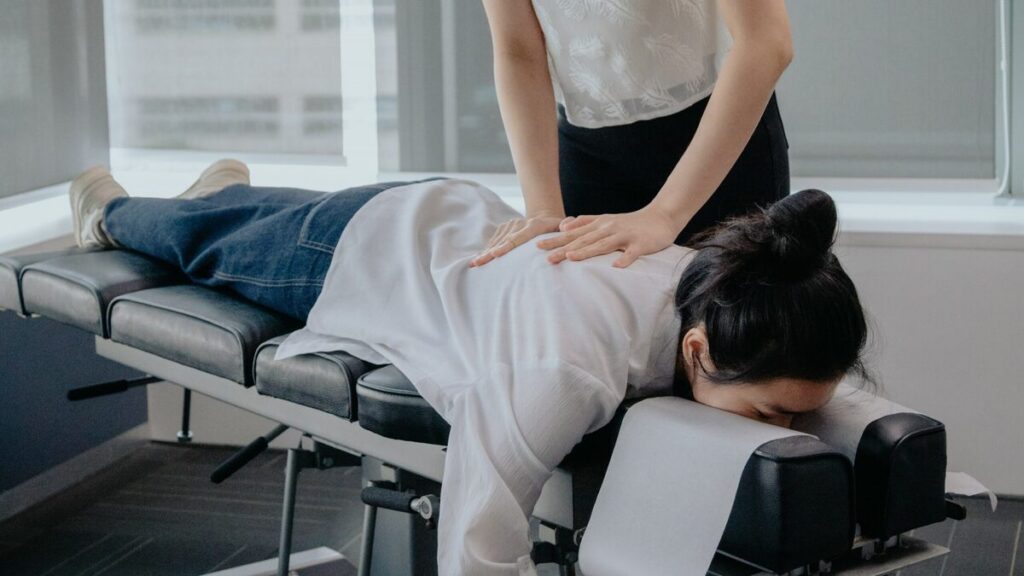

As a local chiropractor, I want to share some insights on how you can effectively relieve back pain using natural techniques that are easy to incorporate into your daily life. Many people are unaware that simple stretching exercises, targeted strengthening workouts, and mindful practices can significantly alleviate discomfort in your back.
Additionally, making small adjustments to your workspace and improving your posture can further enhance your comfort. You might be wondering, what specific methods can you use to achieve lasting relief? By exploring chiropractic care and these holistic approaches, you may find the answers that can transform your experience with back pain management. Together, we can work towards a healthier, pain-free lifestyle.
Stretching Exercises
As a local chiropractor, I want to share some valuable insights about the benefits of stretching exercises for relieving back pain and enhancing flexibility. Many people may not realize that incorporating regular stretching into their daily routine can significantly alleviate muscle tension and improve overall mobility.
It's essential to focus on key areas such as the lower back, hips, and hamstrings, which often play a role in discomfort.
Let's start with a couple of gentle stretches that I recommend for my patients. One effective stretch is the cat-cow stretch. To perform this, position yourself on all fours.
Begin by arching your back upwards while tucking your chin to your chest, and then transition to lowering your belly and lifting your head. This movement not only mobilizes your spine but also helps release accumulated tension.
Another beneficial stretch is the child's pose. Kneel on the floor, sit back on your heels, and stretch your arms forward while lowering your forehead to the ground.
This position gently elongates your spine and provides a calming stretch that many find soothing.
Don't overlook the seated forward bend, which is excellent for targeting your hamstrings and lower back. Sit on the floor with your legs extended in front of you.
Take a deep breath, and as you exhale, reach towards your toes. Holding this stretch for 15-30 seconds while focusing on your breath can greatly promote flexibility and relaxation.
I encourage my patients to incorporate these stretches into their daily routine. Stretching at least three to four times a week can noticeably reduce back pain and enhance your range of motion.
Strengthening Workouts
As a local chiropractor, I want to share some valuable insights on how you can effectively relieve back pain through strengthening workouts.
It's essential to focus on exercises that enhance core stability and improve flexibility. When you incorporate resistance training into your routine, you're not just building muscle; you're also providing crucial support to your spine, which can significantly reduce discomfort.
These strengthening workouts help create a more resilient back, promoting better posture and alignment. By integrating exercises that target your core and surrounding muscles, you can enhance your overall mobility and well-being.
Core Stability Exercises
As a local chiropractor, I want to emphasize the importance of strong core muscles for your overall health. Think of your core as the sturdy foundation of your body—it supports your spine and plays a crucial role in reducing the risk of back pain. Strengthening your core not only enhances your stability and balance but also improves your overall body mechanics, which can significantly alleviate discomfort and help prevent future injuries.
To kickstart your journey towards a stronger core, I recommend incorporating some simple exercises into your routine. Planks, bridges, and bird-dogs are excellent choices. Planks engage multiple muscle groups while stabilizing your core. Begin by holding a plank position for about 20-30 seconds, and as you build strength, gradually increase the duration.
Bridges are another effective exercise that targets your glutes and lower back. To perform a bridge, lie on your back with your knees bent and lift your hips towards the ceiling, squeezing your glutes at the top. Aim to complete 10-15 repetitions to really feel the benefits.
Bird-dogs, performed on all fours, are fantastic for improving coordination and balance. While maintaining a stable core, extend one arm forward while extending the opposite leg back. Hold this position for a few seconds before switching sides. Try to do 10-12 reps on each side.
By incorporating these exercises into your routine just a few times a week, you can develop a stronger core. Always remember to focus on your form and breathe deeply during each movement. This focus won't only maximize the effectiveness of your workouts but also minimize the risk of strain.
As your chiropractor, I'm here to support you on your journey to better health through natural healing and education. Strengthening your core is a key step toward improved wellness, and I'm excited to help you along the way!
Flexibility and Mobility Moves
As a chiropractor, I want to emphasize the importance of incorporating flexibility and mobility moves into your strengthening workouts. These essential exercises not only enhance your range of motion but also improve circulation and significantly reduce the risk of injury, particularly to your back.
By prioritizing flexibility, you can alleviate tension and tightness that often lead to discomfort and pain.
Begin with basic stretches that focus on major muscle groups, including your hamstrings, hip flexors, and lower back. Simple moves like standing forward bends or seated stretches can be very effective. Aim to hold each position for 20-30 seconds to maximize the benefits.
I also recommend adding dynamic movements such as arm circles and leg swings to warm up your muscles properly.
Additionally, incorporating mobility exercises—like cat-cow stretches or thoracic rotations—can greatly enhance spinal flexibility and alignment. These movements not only promote better posture but also help reduce strain on your back during daily activities.
Resistance Training Benefits
As your local chiropractor, I want to share the incredible benefits of incorporating resistance training into your wellness routine, especially when it comes to strengthening your back and enhancing your overall stability.
Resistance training can be a game-changer in your journey toward better spinal health. By including exercises such as deadlifts, rows, and chin-ups, you can effectively target the muscles that provide vital support to your spine. This not only helps reduce the risk of injury but can also alleviate any existing discomfort you may be experiencing.
As you progress in building strength, you'll likely notice improvements in your posture and functional movement, both of which are essential for your daily activities. Resistance training fosters a balanced body by addressing any weaknesses that might lead to pain or discomfort.
When you strengthen your core alongside your back, you create a more supportive environment for your spine, which can significantly reduce strain and improve your overall well-being.
Moreover, engaging in resistance training can give your metabolism a boost, assisting with weight management—an important factor in minimizing back pain. Carrying less weight means less pressure on your back, allowing you to move more freely and comfortably.
I encourage you to begin with lighter weights and prioritize proper form to prevent any injuries. If you're unsure where to start, consider working with a trainer or asking for guidance during your visits.
Posture Correction
As a local chiropractor, I want to emphasize how crucial posture correction is in alleviating back pain.
It's essential to create an ergonomic setup in your workspace, which means arranging your environment to support your body's natural alignment.
Additionally, incorporating daily stretching and exercises can greatly enhance your flexibility and strength, helping to prevent discomfort.
I also encourage practicing mindful sitting techniques—paying attention to how you sit can make a significant difference in your spine health.
By making these adjustments, not only will you find relief from pain, but you'll also be actively supporting your overall well-being and spinal health.
Importance of Ergonomic Setup
As a local chiropractor, I want to emphasize the significant role an ergonomic setup plays in alleviating back pain and promoting overall wellness. Many of my patients struggle with discomfort due to poor posture during their daily activities, and an effective workspace arrangement can make a world of difference.
Firstly, it's crucial to have a chair that offers support for your lower back. This helps maintain your spine's natural alignment and reduces the strain on your back. Make sure your feet are flat on the ground, and your knees are at or slightly below hip level. This simple adjustment can encourage a healthier posture and help prevent pain.
Next, consider the positioning of your computer monitor. It should be at eye level to avoid the tendency to lean forward or look down, both of which can lead to neck and back strain. Place your keyboard and mouse within easy reach, so you don't have to stretch excessively, which can create tension in your shoulders and upper back.
I also encourage you to take regular breaks throughout the day. Standing up, stretching, or walking around can relieve pressure on your back and promote better circulation. Remember, even small changes to your workspace can lead to significant improvements in your comfort and health.
By prioritizing an ergonomic setup, you aren't just enhancing your workspace; you're also creating a supportive environment that fosters good posture. This approach is essential in preventing back pain and maintaining your overall well-being.
If you have any questions about how to optimize your workspace or if you're experiencing discomfort, I'm here to help guide you on your journey to better health.
Daily Stretching and Exercises
As a local chiropractor, I want to emphasize the importance of incorporating daily stretching and exercises into your routine to improve your posture and alleviate back pain. Many people aren't aware of how strengthening the core, back, and hip muscles can create a solid foundation for a healthy spine.
Starting each day with just a few minutes of gentle stretches can make a significant difference. Pay special attention to areas like your lower back, hamstrings, and hip flexors, which often become tight due to prolonged sitting.
Exercises such as planks, bridges, and cat-cow stretches are excellent choices. These movements engage your core and back muscles while promoting flexibility, which is crucial for maintaining a healthy spine. I recommend aiming for at least 15 to 30 minutes of dedicated exercise each day. Even short walks can greatly benefit your posture and overall well-being.
Listen to your body during these activities. If you experience any discomfort, it's essential to adjust your movements accordingly. Consistency is vital; the more regularly you stretch and exercise, the more noticeable your improvements will be.
Mindful Sitting Techniques
As a local chiropractor, I want to share some important mindful sitting techniques that can significantly improve your posture and help prevent back pain, especially if you find yourself sitting for long periods at a desk.
First and foremost, it's crucial to adjust your chair height so that your feet rest flat on the floor, with your knees forming a right angle. This simple adjustment promotes stability and reduces unnecessary strain on your back.
Next, ensure that your back is well-supported by the chair. You may want to use a small cushion or a lumbar roll to fill the gap between your lower back and the chair. This helps to maintain the natural curve of your spine, which is vital for overall spinal health.
Make sure your shoulders are relaxed and avoid leaning forward; instead, keep them aligned with your ears.
It's also important to position your computer screen at eye level. This helps to prevent neck strain, which can be a common issue for desk workers. If your monitor isn't adjustable, consider using a stand or stacking some books to achieve the correct height.
Lastly, I encourage you to practice mindful awareness while sitting. Regularly check in with your body and make adjustments to your posture as needed.
Taking breaks every hour to stand, stretch, and move around is essential for keeping your body healthy.
By incorporating these mindful sitting techniques into your daily routine, you can enhance your posture and significantly reduce the risk of back pain.
Heat and Cold Therapy
As a local chiropractor, I want to share how heat and cold therapy can be incredibly effective in managing your back pain. These simple, natural methods target inflammation and enhance blood circulation, which are key factors in your healing process.
When you apply heat to your back, it increases blood flow to the area, helping to relax tense muscles and ease stiffness. Many patients find relief from a heating pad or a warm towel, especially after long hours of sitting or engaging in physical activities.
I recommend using heat for about 15-20 minutes at a time; just be cautious not to apply it directly to the skin to prevent burns.
Conversely, cold therapy can also play a vital role in your recovery. Ice packs or cold compresses are excellent for reducing inflammation and numbing sharp pain, especially if you've recently strained your back or noticed some swelling.
Again, apply cold for about 15-20 minutes, ensuring that the ice pack is wrapped in a cloth to protect your skin.
For optimal results, I suggest alternating between heat and cold therapy. Start with cold to reduce inflammation, then switch to heat to promote healing and relaxation. This combination can significantly enhance your comfort and speed up your recovery.
Remember, everyone's body reacts differently, so it may take some time to discover what works best for you. Always pay attention to how your body responds; if you experience increased pain or discomfort, it's important to stop the therapy and consult with a healthcare professional.
Massage Techniques
As a local chiropractor, I want to introduce you to the powerful benefits of massage techniques for alleviating back pain and enhancing relaxation. Integrating massage into your wellness routine can significantly help release muscle tension, boost circulation, and improve your overall mobility.
It's essential to create a comfortable environment, whether in your own home or during a visit to a professional therapist.
One notable technique I recommend is the kneading method. This involves using your fingers and palms to apply pressure to the regions surrounding your lower back. By doing so, you can effectively break up tight knots and relieve muscle stiffness.
Additionally, targeting specific trigger points with your thumbs can be particularly effective for areas where pain tends to radiate.
Another beneficial approach is Swedish massage, which employs long, flowing strokes to encourage blood flow and instill a sense of relaxation throughout your back.
I suggest experimenting with different strokes to identify what feels best for you, as everyone's body responds differently.
For those seeking a more intense experience, deep tissue massage is an excellent option. This technique focuses on deeper layers of muscles and connective tissue, making it especially suitable for chronic back pain.
It's crucial to communicate your comfort level regarding pressure with your massage therapist, ensuring they concentrate on the areas that require the most attention.
Lastly, I encourage you not to overlook the benefits of self-massage. Utilizing tools like a foam roller or massage ball allows you to target tight areas independently, providing relief whenever necessary.
By regularly incorporating these massage techniques into your routine, you can significantly enhance your back health and overall well-being.
Mindfulness and Relaxation
As a local chiropractor, I want to share with you how incorporating mindfulness techniques into your daily routine can significantly enhance the benefits of chiropractic care and help alleviate back pain more effectively.
Mindfulness is all about being present and aware of your body and its sensations. By tuning into how you feel physically, you can pinpoint areas of tension or discomfort that may benefit from chiropractic adjustments.
One of the simplest and most effective mindfulness techniques is deep breathing. When you start to feel stress or discomfort, take a moment to focus on your breath. Inhale deeply through your nose for a count of four, hold your breath for another count of four, and then exhale slowly through your mouth for four counts.
This practice not only helps relax your muscles but also calms your mind, which can reduce the perception of pain and enhance the overall effectiveness of your chiropractic treatments.
Another valuable practice is body scanning. I encourage you to lie down comfortably and take a moment to mentally check in with each part of your body, starting from your toes and progressing up to your head. As you focus on each area, consciously relax any tension you feel.
This technique promotes relaxation and increases your awareness of how stress can manifest physically, allowing us to address these areas during your chiropractic sessions.
Additionally, incorporating mindfulness meditation into your daily routine can be incredibly beneficial. Even just a few minutes a day can help cultivate a sense of calm and reduce stress, both of which are often contributors to back pain.
By integrating these mindfulness techniques alongside your chiropractic care, you empower yourself to manage pain more effectively, leading to a more balanced and pain-free life.
Professional Treatments
As a local chiropractor, I want to help you understand how professional treatments can significantly aid in relieving back pain and support your journey towards recovery. If you find that home remedies and self-care strategies haven't provided the relief you're seeking, it may be time to consider the benefits of chiropractic care.
Chiropractic care is a holistic approach that focuses on the alignment of your spine and overall musculoskeletal health. Through hands-on spinal manipulation, we can address misalignments that may be causing pressure on your nerves and limiting your mobility. By restoring proper alignment, we aim to relieve pain and enhance your body's natural ability to heal itself.
In addition to chiropractic adjustments, we often incorporate physical therapy techniques into your treatment plan. A tailored exercise program can help strengthen your back muscles, improve flexibility, and progressively reduce pain. Our goal is to empower you with the knowledge and tools necessary for sustained recovery.
For those experiencing severe or chronic pain, consulting a pain management specialist may be beneficial. They may offer additional treatments, such as injections that target the painful area to provide rapid relief. Some individuals may also find relief through acupuncture, a practice that involves inserting thin needles into specific points on the body to alleviate discomfort.
In certain situations, surgery may be discussed, particularly if conditions like a herniated disc or spinal stenosis are present. If you find yourself in this position, I highly recommend having an open discussion with a spine surgeon to understand the risks and benefits, ensuring that you make an informed decision.
Conclusion
As a local chiropractor dedicated to your health, I want to share some effective techniques that can alleviate your back pain and enhance your overall well-being. By incorporating regular stretching and strengthening exercises into your daily routine, you can significantly improve your flexibility and provide essential support to your spine. It's also crucial to maintain good posture and make ergonomic adjustments in your workspace to promote a healthier environment for your back.
In addition to these practices, don't underestimate the soothing effects of heat and cold therapy, as well as the benefits of massage to relieve discomfort. These natural healing methods can be incredibly effective in managing pain. Lastly, practicing mindfulness can help you cope with stress and tension, which often contribute to back pain. By combining these strategies, you'll be on your path to a pain-free back and a healthier life. Remember, it's all about taking proactive steps to care for your body!