Lower back pain can be a persistent issue that not only disrupts your daily activities but also impacts your overall well-being. It’s common to find that even simple tasks become difficult when you’re dealing with discomfort. Fortunately, there are effective and natural techniques you can implement to relieve this pain, with chiropractic care being one of the best options available.
Understanding the underlying causes of your lower back pain is the first step toward relief. Often, poor posture, muscle imbalances, or spinal misalignments can contribute to discomfort. That’s where chiropractic care shines. By focusing on spinal health and alignment, chiropractors can help restore balance to your body, alleviating pain and promoting healing.
In addition to chiropractic adjustments, there are several practical strategies you can incorporate into your daily routine to support your recovery:
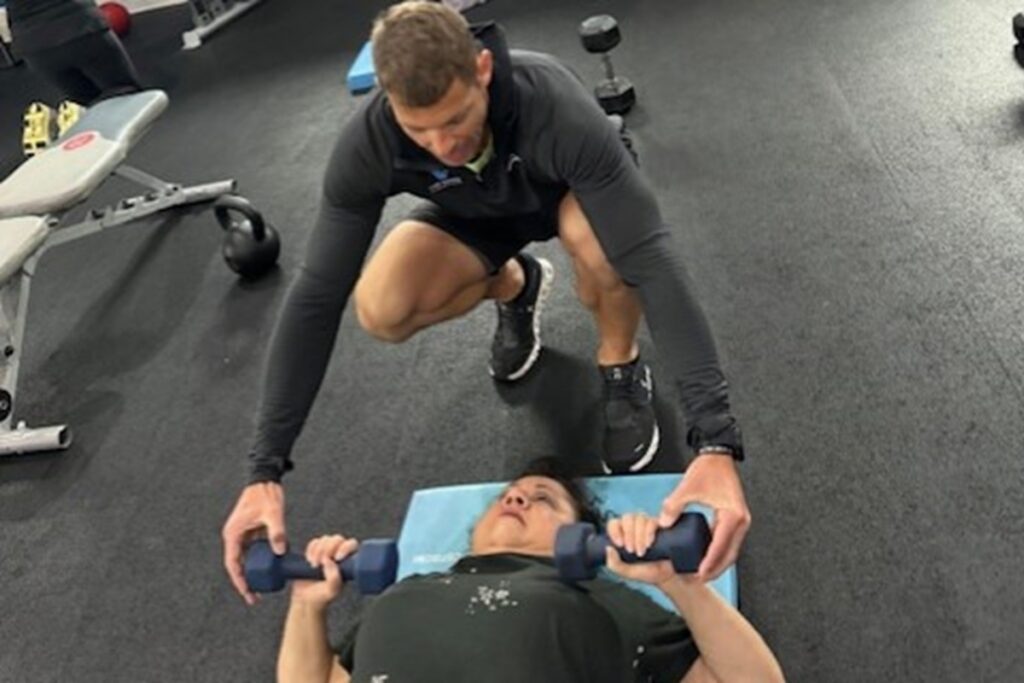
- Strengthening Exercises: Engaging in exercises that strengthen your core muscles can provide better support for your spine. Simple activities like bridges, planks, and pelvic tilts can make a significant difference.
- Gentle Stretching: Regularly stretching your lower back and surrounding muscles can improve flexibility and reduce tension. Try gentle stretches like knee-to-chest or seated forward bends, holding each position for 15-30 seconds.
- Posture Awareness: Being mindful of your posture throughout the day is crucial. Whether you’re sitting at a desk or lifting objects, maintaining proper alignment can help prevent strain on your back.
- Ergonomic Adjustments: Make simple changes to your workspace or home environment to promote better posture. Consider using chairs that provide lumbar support or adjusting your computer screen to eye level.
- Hydration and Nutrition: Staying hydrated and eating a balanced diet rich in anti-inflammatory foods can support overall health and aid in the healing process.
By incorporating these strategies alongside regular chiropractic care, you can take meaningful steps toward relieving your lower back pain naturally. Remember, your journey to optimal health starts with a focus on your spine and overall wellness. If you’re struggling with discomfort, don’t hesitate to reach out to your local chiropractor for personalized guidance and support. Together, you can pave the way to a healthier, pain-free life.
Understanding the Causes of Lower Back Pain
When you experience lower back pain, it’s important to recognize the underlying causes to effectively find relief. Many factors can contribute to this discomfort. One common culprit is poor posture, especially if you spend long hours sitting or standing. This can lead to muscle strain and tension in your back.
Additionally, lifting heavy objects without using proper techniques can result in injury and exacerbate pain. Sedentary lifestyles can also weaken your core muscles, making your back more susceptible to discomfort.
Conditions like herniated discs, arthritis, or sciatica might also factor into your pain. It’s fascinating to note that emotional stress can physically manifest as tightness in your back muscles. If you’ve recently experienced an injury or trauma, that could also be the source of your pain.
Understanding these causes allows you to take proactive steps toward relief. One of the best approaches to managing lower back discomfort is through chiropractic care. A chiropractor can help realign your spine and reduce tension, promoting natural healing and optimal health.
Regular adjustments not only alleviate pain but also enhance overall wellness by improving your posture and strengthening your core muscles.
Here are some general tips to help manage and prevent lower back pain:
- Maintain good posture: Whether sitting at a desk or standing, keep your back straight and shoulders relaxed.
- Use proper lifting techniques: Bend at your knees, not your back, and lift with your legs to avoid strain.
- Stay active: Incorporate regular exercise into your routine to strengthen your core and back muscles.
- Take breaks: If you work at a desk, make sure to stand up and stretch periodically to relieve tension.
- Practice stress management: Techniques like deep breathing, yoga, or meditation can help reduce emotional tension that may contribute to muscle tightness.
Effective Stretching Techniques
To effectively relieve lower back pain, incorporating stretching techniques into your daily routine can make a significant difference in your overall wellness. As a chiropractor, I always emphasize the importance of maintaining a healthy spine and using natural methods to alleviate discomfort.
Let’s explore some simple and effective stretches that can help you feel better and enhance your flexibility.
Start with the child’s pose, a gentle stretch that targets your lower back and hips. To do this, kneel on the floor, sit back on your heels, and reach your arms forward while lowering your torso. Hold this position for 20-30 seconds. This stretch not only relieves tension but also helps promote relaxation, which is vital for your overall spinal health.
Next, try the knee-to-chest stretch. While lying on your back, pull one knee toward your chest while keeping the other leg extended. Hold for 20 seconds, then switch legs. This simple movement helps elongate your lower back muscles, which can reduce discomfort and improve your mobility.
Another effective stretch is the piriformis stretch. While lying on your back, cross one leg over the other and gently pull the knee of the crossed leg toward your opposite shoulder. Hold for 20 seconds, then switch sides. This stretch targets the muscles around your hips and can help alleviate tension that contributes to lower back pain.
Remember, regular practice of these stretches can enhance your flexibility and help maintain a healthy spine.
In addition to stretching, consider incorporating chiropractic care into your wellness routine. A chiropractor can provide personalized adjustments and guidance tailored to your specific needs, helping you achieve optimal health without the use of medications or invasive procedures.
As you integrate these stretches into your daily life, keep in mind the importance of listening to your body. If you experience any discomfort while stretching, it’s essential to stop and consult with your chiropractor.
Strengthening Exercises for the Core
Building a strong core is essential not only for relieving lower back pain but also for enhancing overall stability and wellness. As a chiropractor, I’ve seen firsthand how strengthening your core can lead to better spinal health and improved quality of life.
By incorporating effective core exercises into your daily routine, you can support your back and help prevent pain.
Here are some simple yet effective core exercises you can try at home:
- Planks: Start in a push-up position and hold your body in a straight line from head to heels. Aim to hold this position for 20-30 seconds, gradually increasing the duration as you get stronger.
- Bird-Dog: Begin on your hands and knees. Extend one arm forward and the opposite leg back, keeping your back straight. Hold for a few seconds, then switch sides. This helps improve balance and stability.
- Bridges: Lie on your back with your knees bent and feet flat on the floor. Lift your hips towards the ceiling, squeezing your glutes at the top. This exercise strengthens your lower back and core.
- Dead Bugs: Lie on your back with your arms extended toward the ceiling and your knees bent at 90 degrees. Slowly lower one arm and the opposite leg toward the floor while keeping your core engaged, then return to the starting position and switch sides.
To ensure consistency with your core workouts, consider these tips:
- Set a Schedule: Choose specific days and times for your workouts to create a routine.
- Start Small: If you’re new to exercise, begin with just a few minutes a day and gradually increase the duration and intensity.
- Stay Mindful: Focus on your form and breathing during each exercise to maximize benefits and prevent injury.
- Listen to Your Body: If you feel any discomfort or pain, stop and consult with your chiropractor for guidance.
Remember, while these exercises can be incredibly beneficial, they work best alongside regular chiropractic care.
A chiropractor can help assess your spinal health, provide personalized recommendations, and ensure your body functions optimally. Embracing chiropractic care as part of your wellness journey is a natural way to achieve lasting pain relief and improved health.
Importance of Core Strength
As a chiropractor, I want to emphasize the vital role of core strength in achieving optimal health and wellness. A strong core is essential for maintaining proper posture and stability, which can significantly reduce lower back pain. When your core muscles are well-developed, they provide support to your spine, helping to alleviate strain on your lower back. This added stability not only makes daily activities more manageable but also helps you avoid discomfort.
Here are some key reasons why core strength is so important:
- Stabilizes Your Pelvis and Spine: A strong core helps maintain proper alignment of your pelvis and spine during movement, reducing the risk of injury.
- Enhances Balance and Coordination: Good core strength improves your overall balance, making everyday tasks safer and easier.
- Prevents Injuries: By strengthening your core, you reduce the likelihood of injuries during physical activities, allowing you to enjoy a more active lifestyle.
- Boosts Athletic Performance: Whether you’re an athlete or just enjoy recreational activities, a strong core enhances your performance and endurance.
- Promotes Better Posture: Strengthening your core can lead to improved posture, decreasing pressure on your lower back and promoting spinal health.
To support your core strength and overall well-being, consider incorporating these simple tips into your routine:
- Practice Core Exercises: Engage in exercises such as planks, bridges, and abdominal crunches that target your core muscles.
- Focus on Your Posture: Be mindful of your posture throughout the day, especially when sitting or standing for long periods.
- Stay Active: Regular physical activity strengthens your core and enhances your overall health.
- Use Proper Body Mechanics: When lifting objects, bend your knees and keep the object close to your body to protect your back.
Chiropractic care is an excellent way to support your core strength and overall health. Regular adjustments can help maintain spinal alignment, enhance your body’s natural healing abilities, and promote a healthier lifestyle.
If you’re interested in learning more about how chiropractic care can help you achieve a stronger core and relieve pain naturally, don’t hesitate to reach out. Your journey to optimal health starts here!
Effective Core Exercises
A strong core is essential for a healthy spine and overall well-being. When you strengthen your core, you not only enhance your physical activities but also support your back, helping to prevent pain and improve your posture.
One effective way to build core strength is through the practice of planks. Start by holding a plank position for 20 to 30 seconds, making sure to keep your body in a straight line from head to heels. This exercise engages your entire core and can significantly aid in spinal stability.
Next, consider adding bridges to your routine. Lie on your back with your knees bent and feet flat on the floor, then lift your hips toward the ceiling, squeezing your glutes at the top. Aim for 10 to 15 repetitions. This exercise not only strengthens your core but also helps in stabilizing your lower back, which is crucial for maintaining spinal health.
Another great exercise is bicycle crunches. While lying on your back, bring your knees toward your chest and alternate touching your elbow to the opposite knee. This movement engages your obliques and helps improve coordination, which can enhance your overall physical performance.
Lastly, don’t overlook the dead bug exercise. Lie on your back, extend your arms toward the ceiling and your legs straight up. Slowly lower one arm and the opposite leg toward the floor while keeping your core engaged, then return to the starting position and switch sides. This exercise is fantastic for building core stability and strength without putting excess pressure on your spine.
Incorporating these core exercises into your routine can greatly support your lower back and overall strength. As a chiropractor, I encourage you to prioritize core strength as part of your natural approach to wellness.
Tips for Consistency
Staying consistent with your strengthening exercises can be challenging, but it’s essential for reaping the benefits of a strong core and maintaining overall spinal health. Here are some helpful tips to keep you on track while positioning chiropractic care as a key component of your wellness journey:
- Set a Schedule: Choose specific days and times each week for your workouts. Consistency is crucial, and having a routine can make it easier to integrate your exercises into your daily life.
- Start Small: If you’re new to core strengthening, begin with shorter sessions. Gradually increasing the duration will help you build strength without overwhelming your body.
Remember, a strong core supports your spine, which is essential for maintaining good posture and reducing pain.
– Track Your Progress: Use a journal or an app to log your workouts. Celebrating milestones, no matter how small, can motivate you to keep going.
Plus, tracking your progress can help you see how your core strength contributes to your overall wellness.
– Find a Workout Buddy: Partnering up with a friend or family member can provide motivation and accountability.
This social support can make your exercise routine more enjoyable and help you stay committed to your health goals.
– Mix It Up: Incorporate a variety of exercises to keep your routine interesting and engaging.
Different movements can target various muscle groups and prevent boredom. This diversity not only enhances your core strength but also supports your spine’s flexibility and resilience.
Remember, chiropractic care plays a vital role in helping you achieve optimal health. Regular adjustments can alleviate pain, improve mobility, and enhance your overall well-being, making it easier for you to stay active and consistent with your core strengthening exercises.
Embrace a healthier lifestyle, and let chiropractic care support you every step of the way!
Posture Improvement Strategies
Improving your posture is essential for reducing lower back pain and enhancing your overall well-being. As a local chiropractor, I want to share some effective strategies that can help you achieve better posture and promote natural healing.
Start by creating an ergonomic workstation that supports your body and encourages proper alignment. This means adjusting your chair and desk height so that your feet are flat on the ground, and your computer screen is at eye level. This setup minimizes strain on your back and neck, helping you maintain a healthy posture throughout the day.
Additionally, practicing mindful sitting techniques can make a significant difference. Be conscious of how you sit—keep your back straight, shoulders relaxed, and avoid slouching. Taking regular breaks to stand up and stretch can also help relieve tension and keep your spine aligned.
Chiropractic care is an excellent approach to achieving optimal health and wellness. Regular chiropractic adjustments can help correct misalignments in your spine, allowing your body to function more efficiently and reducing pain naturally.
By focusing on your spinal health, you can improve your posture and enhance your quality of life.
Ergonomic Workstation Setup
Creating an ergonomic workstation is essential for maintaining spinal health and reducing lower back pain, which can greatly enhance your overall comfort while working.
As a chiropractor, I want to share some valuable tips that can help you set up your workspace effectively and promote natural wellness:
- Chair Height: Adjust your chair so that your feet rest flat on the floor, with your knees aligned at hip level. This helps maintain proper spinal alignment and reduces strain on your lower back.
- Desk Position: Your desk should be at elbow height to ensure that your arms are relaxed and supported. This prevents unnecessary tension in your neck and shoulders, allowing for better posture.
- Monitor Placement: Position your monitor at eye level, about an arm’s length away. This helps avoid neck strain and encourages a neutral spine position while you work.
- Keyboard and Mouse: Keep your keyboard and mouse close enough to your body so you can maintain your elbows at a 90-degree angle. This minimizes stress on your wrists and arms, supporting overall comfort during extended periods of typing.
- Footrest: If your chair is too high, consider using a footrest. This will help support your feet, promote better circulation, and maintain proper posture throughout the day.
By making these adjustments, you can significantly improve your comfort and well-being while working.
Remember, regular chiropractic care can further enhance your spinal health and help you achieve optimal wellness.
It’s a natural way to relieve pain and support your body’s ability to heal itself.
Prioritize your health by creating a comfortable workspace and considering chiropractic for ongoing support.
Mindful Sitting Techniques
Practicing mindful sitting techniques can significantly enhance your posture and help alleviate lower back pain, making it a natural complement to chiropractic care.
Begin by focusing on aligning your spine. Sit up straight, keeping your shoulders relaxed and your feet flat on the floor. Engaging your core muscles will provide additional support for your lower back, which is essential for maintaining a healthy spine.
If you notice your thoughts drifting away, simply take a deep breath and redirect your attention back to your posture. To reinforce this practice, set gentle reminders throughout your day to check in with your body. You might also consider incorporating tools like a stability ball or a cushion, which can improve your awareness of your sitting position and enhance your comfort.
Additionally, remember the importance of movement. Regularly shifting your weight and changing your sitting position can help prevent stiffness and discomfort. These small adjustments can lead to significant improvements in your overall comfort and pain relief.
By integrating these mindful sitting techniques with chiropractic care, you can take meaningful steps toward achieving optimal health and wellness.
Embrace these practices as part of your journey to a healthier, pain-free life!
Lifestyle Changes for Long-Term Relief
Lifestyle Changes for Long-Term Relief from Lower Back Pain
As a chiropractor, I understand that while many treatments can offer temporary relief from lower back pain, making lasting lifestyle changes is crucial for achieving long-term comfort and stability.
By adopting habits that support a healthier spine and overall well-being, you can take control of your back health. Here are some practical changes to consider:
- Maintain a Healthy Weight: Carrying excess weight can put unnecessary strain on your spine. A balanced diet combined with regular activity can help you stay within a healthy weight range.
- Stay Active: Engaging in regular low-impact exercises, such as walking or swimming, is vital. These activities not only strengthen your back muscles but also improve flexibility and support spinal health.
- Practice Good Posture: Being mindful of your posture while sitting and standing can significantly reduce pressure on your spine. Consider ergonomic chairs and proper desk setups to support your back during daily activities.
- Sleep Smart: A supportive mattress and a comfortable sleeping position are essential for relieving back pain. Try sleeping on your side with a pillow between your legs to maintain spinal alignment.
- Manage Stress: Stress can lead to muscle tension and exacerbate back pain. Incorporating relaxation techniques, such as yoga or meditation, can help ease tension and promote a sense of calm.
Incorporating these changes into your daily routine can greatly enhance your back health and improve your quality of life.
Start with small, manageable adjustments, and gradually build these habits for lasting relief.
Remember, chiropractic care is a powerful tool for addressing back pain and promoting overall wellness.
Regular visits to your chiropractor can help ensure your spine is aligned and healthy, supporting your journey towards optimal health. Together, we can work towards a more comfortable and active lifestyle!
Alternative Therapies and Treatments
When it comes to finding relief from lower back pain, chiropractic care stands out as one of the best options available. As a chiropractor, I believe in the power of natural healing and the importance of spinal health for overall wellness. Chiropractic adjustments can help realign your spine, relieving pressure on nerves and reducing discomfort effectively.
In addition to chiropractic adjustments, there are several complementary practices that can enhance your recovery. Techniques such as acupuncture may provide additional pain relief by promoting your body’s natural healing abilities. While acupuncture involves inserting fine needles into specific points, it can work hand-in-hand with chiropractic care to enhance mobility and reduce pain.
Massage therapy is another excellent way to alleviate tension and improve blood flow to the affected areas. By relaxing tight muscles, massage can help you feel more comfortable, allowing for better movement and overall well-being.
Incorporating practices like yoga and Pilates can also be beneficial. These exercises focus on strengthening your core and improving flexibility, which are crucial for preventing future back pain. Simple stretches and strengthening routines can be done at home to support your chiropractic treatment.
Don’t overlook the benefits of nutrition as well. Including anti-inflammatory foods like turmeric and ginger in your diet can support your healing journey. These natural remedies can aid in reducing inflammation and contributing to your overall health.
Remember, it’s always a good idea to consult with your chiropractor before trying any new therapies or exercises. They can guide you on what’s best for your individual needs.
Embrace chiropractic care as a natural and effective approach to managing lower back pain, and take proactive steps toward a healthier, pain-free life.
When to Seek Professional Help
How do you know when it’s time to seek professional help for your lower back pain? Trust your instincts. If your pain lingers or gets worse, it’s important to consult a chiropractor who specializes in natural healing.
Here are some signs that should prompt you to seek chiropractic care:
- Your pain has lasted longer than a few weeks without improvement.
- You feel pain that radiates down your legs or experience numbness.
- Simple activities like standing, walking, or doing everyday tasks become difficult.
- You notice unexplained weight loss or fever along with your pain.
- You’ve recently experienced trauma, such as a fall or injury.
Catching these symptoms early can help prevent further complications and guide you towards effective relief. Chiropractic care focuses on addressing the root cause of your pain and promoting natural healing, making it a great choice for those looking to improve their overall health.
In addition to seeking professional help, here are some general tips to support your spine health and reduce discomfort:
- Maintain good posture, especially when sitting or standing for long periods.
- Incorporate gentle stretches and exercises into your daily routine to keep your back flexible and strong.
- Apply heat or ice to the affected area to alleviate pain and inflammation.
- Stay active with low-impact activities like walking or swimming to promote circulation and healing.
- Consider regular chiropractic adjustments to ensure your spine is aligned and functioning properly.
Don’t hesitate to reach out for chiropractic care; your health is a priority, and there are natural, effective options available to help you feel your best!
Conclusion
Incorporating these techniques into your daily routine can significantly enhance your lower back health. Understanding the underlying causes of your discomfort and focusing on effective stretches, core strengthening exercises, and improvements in posture lays the groundwork for lasting relief.
One of the most beneficial steps you can take is to prioritize chiropractic care. Chiropractors specialize in spinal health, helping to align your spine and alleviate pain naturally, without the need for medications or invasive procedures. Regular chiropractic adjustments can not only relieve pain but also improve your overall well-being and function.
In addition to chiropractic care, consider making simple lifestyle changes that support your spine. Stay active with low-impact activities like walking or swimming, which can help maintain flexibility and strength. When sitting for long periods, ensure your workstation is ergonomically friendly to reduce strain on your back.
Don’t forget about the power of alternative therapies such as massage or acupuncture, which can complement your chiropractic care and enhance your recovery. If your pain persists, seeking guidance from your chiropractor can provide you with a tailored plan to address your specific needs.
Remember, your back deserves dedicated care and attention to keep you moving comfortably. Embrace these techniques, and you’ll be on the path to achieving optimal health and wellness naturally.