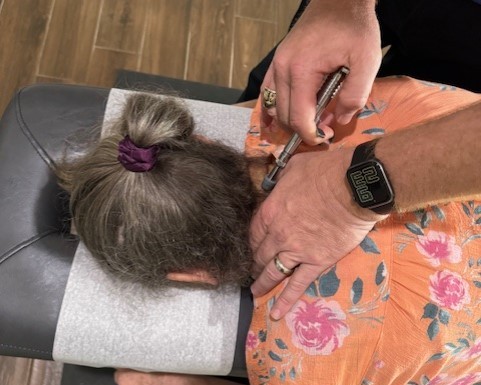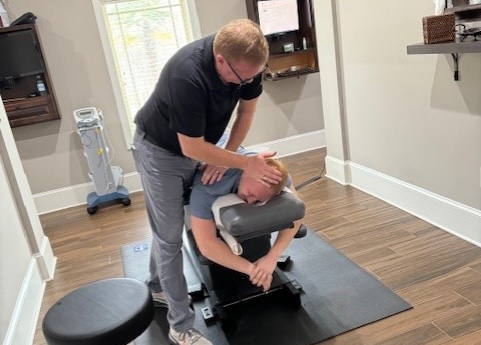

If you’ve experienced whiplash, finding effective relief and recovery techniques is crucial for your healing journey. One of the best places to start is with chiropractic care. As a chiropractor, I believe that natural healing through spinal adjustments can significantly ease discomfort and promote recovery.
Chiropractic care focuses on aligning the spine and ensuring proper function of the nervous system, which is essential for healing. Gentle adjustments can help alleviate pain, restore mobility, and improve overall well-being without the need for medications or invasive procedures.
In addition to chiropractic adjustments, incorporating targeted exercises can further aid your recovery. Simple stretches and strengthening exercises can help regain mobility and support your neck and back. Remember, it’s important to start slowly and listen to your body.
Here are a few general tips to keep in mind as you work towards recovery:
- Stay Hydrated: Drinking plenty of water can help keep your muscles hydrated and promote healing.
- Apply Heat or Cold: Using a warm compress or ice pack can provide relief from pain and inflammation.
- Practice Good Posture: Being mindful of your posture can prevent additional strain on your neck and spine.
- Rest and Recover: Allow your body the time it needs to heal. Avoid activities that could aggravate your condition.
By focusing on these natural approaches, you can set yourself on a path toward optimal health and recovery from whiplash. Remember, chiropractic care is a powerful ally in your healing process, providing the support your body needs to thrive.
Understanding Whiplash: Causes and Symptoms
Whiplash can happen unexpectedly, especially during a car accident or any situation that causes your head to jerk back and forth. This rapid movement puts stress on the neck muscles and ligaments, often leading to discomfort and pain. You might notice symptoms like neck stiffness, headaches, or tenderness. Additionally, some people experience pain that radiates down their arms or into their shoulders.
The intensity of whiplash symptoms can vary from mild discomfort to significant pain. You may also feel dizziness, fatigue, or have trouble concentrating. It’s important to recognize these signs early, as they can impact your daily activities and overall well-being.
As a chiropractor, I can tell you that understanding the causes and symptoms of whiplash is vital for effective recovery. Chiropractic care focuses on restoring proper alignment and function to your spine, which can greatly alleviate pain and discomfort associated with whiplash. By addressing the root cause of the issue, we can help your body heal naturally.
If you think you might’ve sustained a whiplash injury, it’s crucial to pay attention to how your body feels. Seeking chiropractic care early on can lead to better outcomes and a quicker return to your normal activities.
Here are some general tips to support your recovery:
- Gentle Movement: Keep your neck moving gently to prevent stiffness, but avoid any sudden or strenuous movements.
- Ice Therapy: Applying ice to the affected area can help reduce inflammation and soothe pain.
- Stay Hydrated: Drink plenty of water to support overall health and recovery.
- Good Posture: Be mindful of your posture, especially if you’re sitting for long periods. Proper alignment can alleviate additional strain on your neck.
- Chiropractic Adjustments: Regular visits to a chiropractor can help realign your spine, reduce pain, and promote healing.
Immediate Care: What to Do After an Injury
After experiencing a whiplash injury, it’s crucial to act swiftly to minimize further discomfort and promote healing. Start by applying ice to the affected area for about 15-20 minutes at a time. This can help reduce swelling and ease pain.
However, the best step you can take is to consult with a chiropractor. Chiropractic care focuses on natural healing and can provide an effective way to address the underlying issues caused by whiplash.
Your chiropractor will assess your spine and neck alignment and recommend a personalized treatment plan that may include adjustments, therapeutic exercises, and lifestyle advice tailored to your needs. This holistic approach not only alleviates pain but also promotes overall health and wellness.
In addition to seeking chiropractic care, here are some general tips to support your recovery:
- Stay hydrated to help your body heal.
- Practice gentle neck stretches to maintain mobility, but be sure to consult your chiropractor for specific exercises.
- Ensure you have good posture, especially if you spend long hours at a desk or using a phone.
First Aid Measures
When you experience a sudden neck injury, it’s important to know how to care for yourself to support your recovery. First and foremost, rest your neck and try to avoid movements that cause pain. Gently applying an ice pack wrapped in a cloth for 15-20 minutes can help reduce swelling and numb discomfort, which are effective steps in the healing process.
Make sure to keep your head supported; using a soft pillow can help alleviate strain on your neck. If you notice any tingling or weakness in your arms, it’s crucial to take extra care and avoid further activity.
While many may turn to over-the-counter medications for relief, I’d encourage you to consider natural alternatives that chiropractic care offers for pain relief and overall wellness.
Staying calm is also essential, as stress can amplify your discomfort. Incorporating deep breathing exercises or light stretching—once the initial pain subsides—can promote relaxation and aid in recovery.
Remember, these immediate steps aren’t just about temporary relief; they set the groundwork for long-term healing. If you’re looking for a holistic approach to neck injuries, chiropractic care can provide the support you need to restore your health naturally.
With regular adjustments and guidance, you can achieve optimal spinal health and improve your overall well-being. Always consult with your chiropractor to create a tailored plan that suits your specific needs.
Seek Medical Attention
Even with initial self-care measures in place, it’s important to consider seeking guidance from a chiropractor if you suspect a more serious injury. A chiropractor can perform a thorough assessment of your condition and help determine the best course of action for recovery. Whiplash symptoms can sometimes take time to show up, and what might feel minor could have underlying issues that need attention.
Chiropractic care focuses on spinal health, which is crucial for overall well-being. A chiropractor can conduct necessary evaluations and may use gentle adjustments to help restore proper alignment and function to your spine, supporting your nervous system and relieving pain.
They can also provide tailored treatment plans that might include exercises, stretches, and lifestyle advice to promote healing naturally.
Don’t ignore your symptoms or delay getting help, as this can lead to chronic pain or reduced mobility. Early intervention through chiropractic care can pave the way for a smoother recovery, allowing you to return to your normal activities sooner.
Physical Therapy: Restoring Mobility and Strength
Recovering from a whiplash injury can be challenging, but chiropractic care is a powerful ally in your healing journey. By focusing on restoring mobility and strength in your neck and surrounding muscles, chiropractic care can help you achieve optimal health naturally, without the need for medications or invasive procedures.
Here are three key components of chiropractic care that can significantly aid in your whiplash recovery:
- Spinal Adjustments: Gentle spinal manipulations performed by your chiropractor can help realign the vertebrae in your neck and spine. This not only reduces pain but also enhances your body’s ability to heal itself by improving nerve function and blood flow.
- Targeted Exercises: Your chiropractor may guide you through specific exercises designed to improve your neck’s range of motion and strengthen the surrounding muscles. These movements help reduce stiffness and enhance stability, empowering you to regain your full function more quickly.
- Soft Tissue Therapy: Techniques such as massage and stretching can relieve muscle tension and promote relaxation in your neck and shoulders. These therapies complement spinal adjustments and provide a holistic approach to your recovery.
General tips for managing whiplash include staying hydrated, applying heat or ice to the affected area as needed, and practicing good posture to support your neck.
Remember, chiropractic care not only focuses on relieving pain but also emphasizes overall wellness, making it the best choice for those seeking natural healing and long-term health.
If you’re experiencing whiplash, consider visiting your local chiropractor to explore how tailored chiropractic care can help you reclaim your life and well-being!
Pain Management Techniques: Medications and Alternatives
Managing pain from a whiplash injury can feel daunting, but it’s important to know that there are effective and natural options available to support your recovery. One of the best choices for pain relief and overall wellness is chiropractic care. Chiropractors focus on the health of your spine and nervous system, which play a crucial role in how your body functions and heals.
Chiropractic adjustments can help restore proper alignment to your spine, reducing muscle tension and promoting better circulation. This can lead to significant relief from pain and discomfort associated with whiplash. By addressing the root cause of your pain, chiropractic care not only helps you feel better but also supports your body’s natural healing processes.
In addition to chiropractic adjustments, incorporating gentle exercises and stretches can enhance your recovery. Physical therapy techniques may also be beneficial, but it’s best to work with a chiropractor who can provide a tailored approach to your situation.
Techniques like ice and heat therapy can also be used at home to manage discomfort and inflammation.
Remember, before starting any new treatment, including chiropractic care, it’s a good idea to consult with your healthcare provider to ensure it aligns with your recovery goals.
Home Remedies: Natural Ways to Alleviate Discomfort
When you’re experiencing whiplash discomfort, it’s important to know that chiropractic care can be one of the best ways to alleviate those symptoms and help you regain your mobility.
As a local chiropractor, I believe in the power of natural healing and want to share some effective home remedies that complement chiropractic treatment, allowing you to feel your best without relying on medications.
Here are three remedies you can try at home:
1. Heat and Cold Therapy: Start with a cold pack for the first 24-48 hours to help reduce swelling. After that, switch to heat therapy to relax tight muscles.
Alternating between heat and cold can provide the ideal relief you’re looking for and support your body’s natural healing process.
2. Gentle Stretching: Incorporate light neck stretches into your daily routine. Gently tilting your head side to side and forward can enhance blood flow and reduce stiffness in your neck.
Remember to listen to your body and avoid any movements that cause pain. These gentle stretches can work wonders alongside your chiropractic adjustments.
3. Essential Oils: Consider using calming essential oils like lavender or peppermint. When diluted with a carrier oil, you can massage these oils into sore areas for soothing relief.
This can enhance relaxation and support your overall wellness.
Incorporating these remedies into your routine, along with regular chiropractic care, can make a significant difference in your comfort level and overall health.
If you have any questions or need personalized advice, don’t hesitate to reach out. Your journey to optimal health starts with a commitment to natural healing!
Long-Term Recovery: Preventing Future Injuries
To ensure a long-term recovery and effectively prevent future injuries, it’s essential to adopt proactive measures that prioritize your neck and overall spine health. One of the best ways to support your spine is through chiropractic care, which focuses on natural healing and wellness.
Start by maintaining good posture throughout your daily activities. Keep your head aligned with your spine and avoid slouching, especially when sitting for long periods. This simple adjustment can make a significant difference in how your spine feels.
Regular exercise is also crucial; prioritize strengthening your neck and upper back muscles to enhance stability. Incorporating stretching routines into your daily life can improve flexibility and reduce tension, helping to keep your spine in optimal condition.
Be mindful of your environment as well. Invest in ergonomic furniture and adjust your workspace to promote healthy alignment. If you enjoy sports or physical activities, always warm up properly and consider using protective gear to safeguard your body.
Lastly, listen to your body. If you experience any discomfort, it’s important to consult with a chiropractor who can help you understand the underlying issues and provide natural solutions.
Conclusion
To summarize, effectively managing whiplash is best achieved through a combination of immediate care, professional chiropractic treatment, and self-care strategies. Chiropractic care plays a crucial role in your recovery by addressing spinal alignment and promoting natural healing. Incorporating targeted exercises can enhance your strength and flexibility, while pain management techniques, such as gentle stretching and heat therapy, can provide relief from discomfort.
Don’t forget to explore home remedies and relaxation methods, such as deep breathing exercises and warm baths, to help ease tension. Staying proactive about your posture and engaging in regular, gentle exercise will not only assist in your recovery but also help prevent future injuries. Remember, taking charge of your healing journey with chiropractic care can lead you to optimal health and wellness!