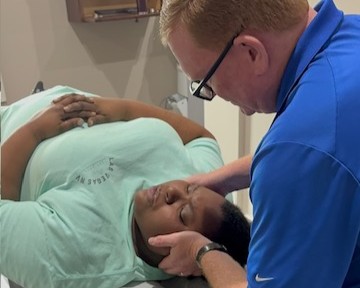

Chronic pain can significantly affect your everyday life, and as a chiropractor, I want to emphasize that you don't have to depend solely on medication for relief. There are many natural methods that can help you make meaningful changes and address the root causes of your discomfort. For instance, incorporating anti-inflammatory foods into your diet can play a crucial role in reducing pain. Additionally, tailored physical therapies, which I can guide you through, are essential in improving mobility and alleviating discomfort.
You might be surprised to learn how effective mindfulness practices and alternative therapies, such as chiropractic adjustments, can be in managing pain. These approaches not only focus on symptom relief but also aim to enhance your overall well-being. So, if you're ready to take the first steps on this transformative journey towards a pain-free life, let's explore how chiropractic care and natural healing methods can work for you.
Understanding Chronic Pain
As a local chiropractor, I want to help you understand chronic pain and how it goes beyond just a symptom. It's a multifaceted condition that can significantly impact both your physical and emotional well-being. Chronic pain can persist for months or even years and may not always be linked to a specific injury or illness. Many factors could contribute to this ongoing discomfort, including past injuries, nerve damage, or conditions like fibromyalgia and arthritis.
You might notice that chronic pain affects your daily life in countless ways. It can limit your ability to work, engage in social activities, or pursue hobbies you once enjoyed. Additionally, the emotional impact can be profound; you may experience frustration, anxiety, or even depression when dealing with unrelenting pain. It's essential to recognize these emotional responses as part of the healing journey.
Chronic pain can also create a cycle that leads to increased inactivity. When anticipating pain, you may avoid physical activities, which can, in turn, worsen your condition. As a chiropractor, I emphasize the importance of understanding how chronic pain affects not only your body but also your mind. This awareness is crucial for effective management.
Exploring the root causes of your pain can empower you to take control of your health. Start by assessing lifestyle factors, stress levels, and sleep patterns to identify how they might be contributing to your discomfort.
By recognizing chronic pain as a complex condition, we can approach it holistically in our chiropractic practice. This perspective allows for the development of more effective coping strategies and may lead to potential relief through natural healing methods.
Let's work together to navigate your journey toward a pain-free life!
Dietary Changes for Relief
As a local chiropractor, I want to share with you how dietary changes can significantly impact your experience with chronic pain. Many people don't realize that the foods we eat can influence our body's overall health and pain levels. By incorporating anti-inflammatory foods and steering clear of common triggers, you can help ease your pain naturally.
Here are some dietary adjustments I recommend:
- Boost your intake of omega-3 fatty acids: Incorporate foods like fatty fish, walnuts, and flaxseeds into your diet, as these are known to help reduce inflammation in the body.
- Load up on fruits and vegetables: Aim for a colorful assortment in your meals, particularly those rich in antioxidants, such as berries and leafy greens. These can support your body's healing processes.
- Prioritize hydration: Drinking enough water is crucial for keeping your joints lubricated, which can help diminish stiffness and discomfort.
- Reduce processed foods and sugars: These types of foods can heighten inflammation and exacerbate your pain, so it's wise to limit your intake of snacks and fast food options.
- Explore an elimination diet: This approach allows you to identify and remove potential food sensitivities, such as gluten or dairy, that could be contributing to your discomfort.
Listening to your body is key. Start by integrating more whole foods into your meals and monitor how these changes affect your pain levels over time.
You don't need to overhaul your diet overnight; instead, focus on making small, consistent adjustments that can lead to meaningful improvements.
Physical Therapies and Exercises
Incorporating physical therapies and exercises into your daily routine can be transformative for managing chronic pain, and as your local chiropractor, I want to guide you on this journey toward natural healing. These practices not only help strengthen your muscles and enhance flexibility but also contribute to improved posture and balance, all of which are essential for overall health.
I recommend starting with a consultation to assess your individual needs. This way, we can create a tailored program that ensures both safety and effectiveness. Gentle exercises, such as stretching and low-impact activities like swimming or walking, can significantly reduce discomfort and promote mobility. Consistency is key; even short daily sessions can bring about long-term benefits.
It's vital to listen to your body—avoid pushing through pain and instead focus on movements that feel good while gently challenging your limits.
Strength training plays a crucial role in this process. Building muscle supports your joints and can alleviate pain over time. You might consider using resistance bands or light weights, gradually increasing intensity as your strength develops.
Additionally, incorporating core-strengthening exercises will enhance your stability and lower the risk of injury.
Practices such as yoga and Pilates are also beneficial. They foster a strong mind-body connection, encouraging controlled movements and mindfulness, which can be invaluable in managing pain.
Don't overlook the significance of proper warm-ups and cool-downs before and after your workouts. This practice not only helps prevent injuries but also prepares your body for movement and recovery.
Mindfulness and Stress Reduction
As a local chiropractor, I want to emphasize that while physical therapies and exercises can significantly enhance your well-being, effectively managing chronic pain also involves addressing your mental and emotional health.
This is where mindfulness and stress reduction techniques can play a crucial role in your healing journey. By focusing on the present moment and fostering a calmer mindset, you can't only decrease your perception of pain but also improve your overall quality of life.
Here are some effective strategies you can incorporate into your daily routine to support mindfulness and stress reduction:
- Meditation: Dedicate a few minutes each day to practicing mindfulness meditation. Concentrate on your breath and gently release any distracting thoughts that come to mind.
- Deep Breathing: Engage in deep breathing exercises to soothe your nervous system and alleviate tension throughout your body.
- Progressive Muscle Relaxation: This technique involves systematically tensing and then relaxing various muscle groups, helping you become more attuned to physical sensations and let go of accumulated stress.
- Mindful Walking: Enjoy a walk in nature while paying close attention to your surroundings, your breath, and how your body feels with each step you take.
- Journaling: Take time to write down your thoughts and feelings. This practice can aid in processing emotions and clearing mental clutter.
Integrating these mindfulness practices into your daily life not only assists in pain management but also builds resilience.
As you become more mindful, you may find it easier to navigate the challenges of chronic pain, ultimately leading to a more balanced and fulfilling life.
Alternative Healing Modalities
As a local chiropractor, I want to introduce you to the world of alternative healing modalities that can help manage chronic pain effectively. Many people are unaware of the various options available beyond traditional treatments, and I believe it's essential to explore these possibilities.
One of the most beneficial therapies is chiropractic care. By focusing on the alignment of your spine, I can help alleviate pressure on nerves, which often results in significant pain relief and improved mobility.
Whether you're dealing with persistent back pain, neck discomfort, or even headaches, chiropractic adjustments can make a world of difference in your overall well-being.
In addition to chiropractic adjustments, I recommend considering massage therapy for those dealing with tension or stress-related pain. This therapy not only helps relax tight muscles but also enhances circulation, which is vital for healing.
Many patients find that a combination of chiropractic care and massage therapy yields the best results.
You might also want to explore the benefits of herbal remedies and supplements that can complement your healing journey. For instance, turmeric, with its active compound curcumin, is well-known for its anti-inflammatory properties, while omega-3 fatty acids in fish oil can help alleviate joint pain.
However, it's crucial to consult with a healthcare professional before adding any new supplements to your routine.
Another fascinating area to consider is energy healing modalities, such as Reiki or Qigong. These practices focus on balancing your body's energy systems and are believed to positively influence both physical and emotional health.
Integrating these approaches into your pain management plan can create a more holistic experience.
Remember, the path to relief is personal and unique for everyone. As you explore these alternative healing modalities, I encourage you to consider how they might fit into your pain management strategy.
Together, we can work towards a healthier, pain-free you.
Conclusion
As a local chiropractor, I want to share how a holistic approach can help you alleviate chronic pain and transform your life. By focusing on anti-inflammatory foods, you can support your body's healing processes from the inside out. Incorporating gentle exercises into your routine, such as stretching or yoga, can improve your mobility and reduce discomfort. Additionally, practicing mindfulness techniques can greatly enhance your emotional well-being, which is an important part of managing pain.
I encourage you to explore alternative therapies that resonate with you, whether it's chiropractic adjustments, acupuncture, or massage therapy. These methods can complement your healing journey and provide relief. Collaborating with me and other healthcare professionals will allow us to create a personalized plan that addresses your unique needs and goals.
With commitment and the right strategies, you can reclaim your quality of life and find natural relief from pain. Together, we can work towards a healthier, more vibrant you!