When dealing with an injury, the recovery process can often feel daunting. You might be asking yourself which strategies will truly help you return to peak performance. It's essential to understand that recovery isn't solely about physical rehabilitation; it involves a holistic approach that encompasses professional support, personalized recovery plans, and mental resilience.
As a local chiropractor, I want to emphasize the importance of natural healing methods and preventative care in your recovery journey. Chiropractic care focuses on aligning your spine and improving your overall body function, which can significantly aid in reducing pain and promoting healing. Additionally, understanding how nutrition plays a role in recovery can greatly enhance your progress.
By considering these elements, you may begin to see how a comprehensive strategy, including regular chiropractic adjustments, tailored exercises, and nutritional guidance, can be the key to your recovery success. What specific aspects of this approach do you think could make the biggest difference for you?
Understanding the Injury Process
Injuries can strike at any time, often when you least expect it, and having a solid understanding of the injury process is crucial for a successful recovery. As a local chiropractor, I want to help you navigate this journey. When you experience an injury, your body typically goes through three key stages: inflammation, repair, and remodeling. By recognizing these stages, you can better manage your expectations and develop a recovery plan that aligns with your body's natural healing capabilities.
Initially, during the inflammation stage, your body responds to the injury by sending blood and nutrients to the affected area. You may notice symptoms such as swelling, pain, and redness. It's essential to allow your body the necessary time to heal during this phase, even though it can be frustrating. Pushing through the pain can lead to additional damage, which is why gentle care and patience are vital.
Once the inflammation begins to diminish, your body transitions into the repair stage. This is when tissues start to heal and rebuild. You might consider incorporating physical therapy or gentle exercises to maintain mobility and strength. Always listen to your body during this time; if something feels off, it's perfectly fine to ease back.
The final stage is remodeling, where your body works to strengthen the repaired tissue. This phase can last for several months, and it's crucial to gradually ramp up your activity level. Consistency with your rehabilitation exercises is key to restoring your full range of motion and minimizing the risk of re-injury.
As your chiropractor, I'm here to support you through each of these stages with natural healing methods and tailored care to help you recover effectively and safely. Remember, understanding your body's healing process is a powerful tool in your journey toward wellness.
Importance of Professional Guidance
As a local chiropractor, I want to emphasize the vital role that professional guidance plays in your recovery from an injury.
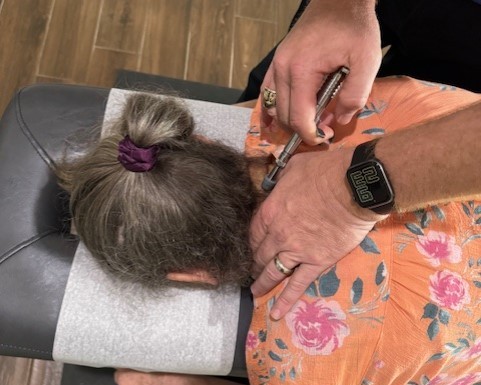
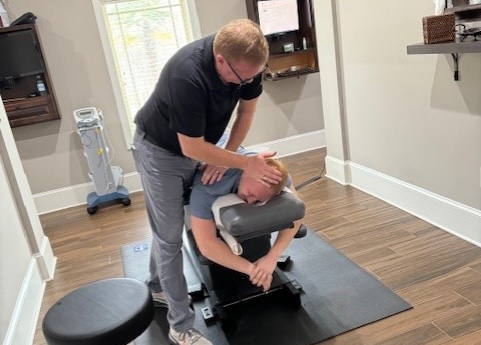
When you come to us, we thoroughly assess your unique situation, taking into account your specific needs and goals. From there, we develop a customized recovery plan designed just for you, incorporating natural healing methods and chiropractic adjustments.
Throughout your recovery journey, we closely monitor your progress to ensure you're on the right track.
Our goal isn't just to help you heal, but to empower you to return to your sport even stronger than before.
With our expertise in chiropractic care, we can guide you through the healing process and help you achieve optimal health naturally.
Expert Assessment Techniques
As a local chiropractor, I want to share how important expert assessment techniques can be in your journey to recovery from an injury. When you're facing the challenges of an injury, it's crucial to understand its nature and extent, and that's where we come in.
In our practice, we utilize a range of assessment methods to evaluate your condition thoroughly. This includes physical examinations to assess your mobility and pain levels, as well as functional assessments to understand how your injury affects your daily activities. These techniques are designed to help us identify the root cause of your pain or dysfunction, giving us a clearer picture of your injury.
One of the key benefits of expert assessments is that they establish a baseline for your recovery. By pinpointing your specific limitations and strengths, we can monitor your progress throughout your treatment. This ongoing evaluation ensures that you're not overexerting yourself or risking further injury, which is crucial in the healing process.
Additionally, our insights as chiropractors can guide your treatment options. Whether it's recommending rest, chiropractic adjustments, or tailored rehabilitation exercises, we draw on our experience to identify patterns that mightn't be immediately obvious. This holistic approach empowers you to make informed decisions about your care.
In summary, seeking professional assessment techniques in chiropractic care not only aids in achieving an accurate diagnosis but also paves the way for a more effective recovery process. By prioritizing this step, you can look forward to improved outcomes and a safer return to your favorite activities or sports.
Your health is our priority, and we're here to support you every step of the way.
Customized Recovery Plans
A well-structured recovery plan is essential for anyone seeking to heal from an injury effectively, and as a chiropractor, I want to emphasize the importance of a holistic approach. Recovery isn't solely about resting; it involves strategic actions tailored specifically to your individual needs.
By working together, we can assess your injury and develop a customized plan that takes into account your unique circumstances, personal goals, and the physical demands of your daily activities.
Your recovery plan will incorporate specific exercises designed to rebuild strength, enhance flexibility, and improve endurance, all while addressing any imbalances caused by your injury. This targeted method ensures that you're not just healing but also preparing to safely return to your everyday life or athletic pursuits.
Additionally, I can assist you in setting realistic timelines and milestones, which will help keep you motivated and accountable throughout your recovery journey. It's important to make necessary adjustments based on how your body responds, as this is crucial for preventing setbacks.
Ongoing Progress Monitoring
Consistently monitoring your recovery progress is crucial for a safe and effective return to your daily activities, and as a chiropractor, I want to guide you through this process.
Regular check-ins with a healthcare provider—like myself—can significantly enhance your recovery journey. I can assess your healing and tailor your recovery plan to suit your unique condition.
Open communication is key. If you experience any pain or discomfort, sharing this feedback with me allows for timely adjustments to your treatment, helping to prevent setbacks.
I'll also provide you with exercises specifically designed for your needs, ensuring that you strengthen the appropriate muscles while avoiding overexertion.
Tracking your progress with measurable goals can be a great motivator. Whether it's improvements in your range of motion, strength, or overall endurance, keeping tabs on these changes can help you stay engaged in your healing journey.
Through our partnership, you won't only recover but also gain valuable insights about your body and learn how to safely optimize your performance.
Ultimately, ongoing progress monitoring creates a collaborative environment for your recovery. By paying attention to your body and seeking expert guidance, you can enhance your healing process and reduce the risk of future injuries.
Effective Rehabilitation Techniques
As a local chiropractor, I want to emphasize the importance of a personalized rehabilitation plan during your recovery from an injury.
It's crucial to address the specific needs of your body, and that's where chiropractic care comes in. We focus on not just the injury itself, but also on strengthening and improving flexibility through tailored exercises.
These natural healing techniques not only expedite your recovery but also lay the groundwork for a successful return to your favorite activities or sports.
Personalized Rehabilitation Plans
As a local chiropractor, I want to emphasize the importance of creating a personalized rehabilitation plan for those recovering from injuries, especially athletes. Every individual's body and the nature of their injuries are distinct, so it's crucial to customize your recovery strategy to meet your specific needs.
Begin by consulting with a qualified healthcare professional, like a chiropractor, who understands the unique physical demands of your sport. This initial evaluation will provide insight into your injury and help establish an appropriate recovery timeline and effective techniques tailored for you.
Once you have a solid understanding of your injury, I encourage you to work closely with your healthcare team to set realistic and achievable goals. These goals should encompass not just the physical aspects of recovery, but also your emotional health, which is often an overlooked part of healing. Regular check-ins with your team will help you monitor your progress and allow for necessary adjustments to your rehabilitation plan.
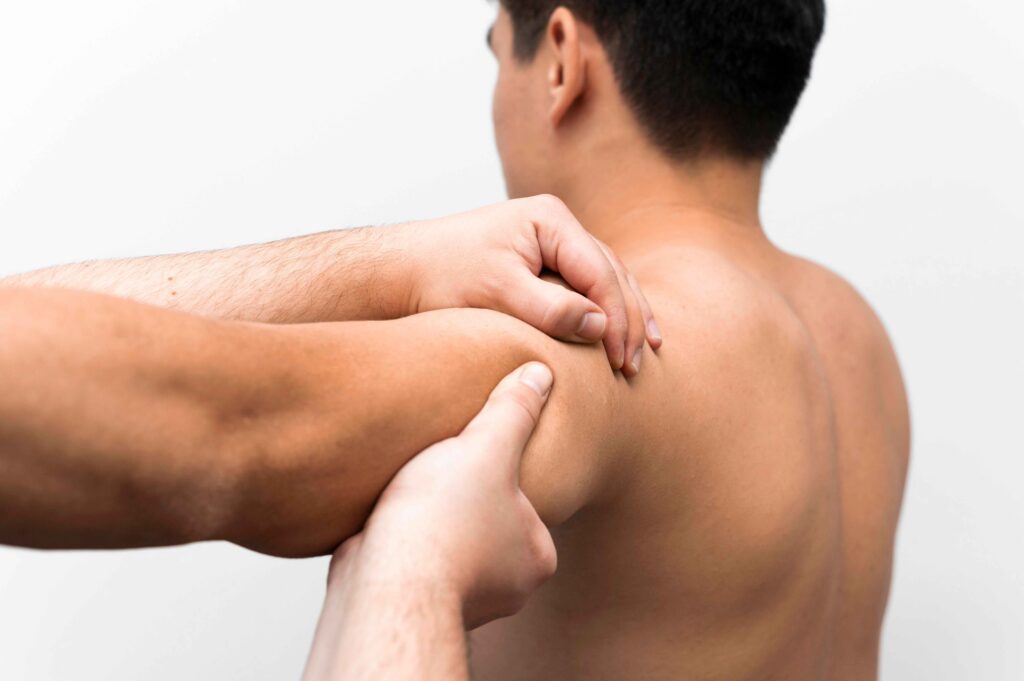
Incorporating various healing modalities is key in your personalized plan. Chiropractic care can include techniques such as spinal adjustments, soft tissue therapy, and exercises designed to improve mobility and strength. These methods can significantly enhance your recovery and support your overall well-being.
Finally, I urge you to stay actively involved in your rehabilitation journey. Open communication with your chiropractor and other healthcare providers is essential; never hesitate to ask questions or express concerns.
Strengthening and Flexibility Exercises
As a local chiropractor, I want to emphasize the importance of incorporating strengthening and flexibility exercises into your rehabilitation plan for a successful recovery.
These exercises are vital not only for regaining strength and mobility but also for preventing future injuries and enhancing your overall well-being. By addressing both strength and flexibility, you can create a balanced program that promotes healing and helps you feel your best.
Here are some essential components to consider in your rehabilitation journey:
- Strengthening exercises play a crucial role in improving muscle function and supporting joint stability, which is key to maintaining a healthy body.
- Flexibility exercises increase your range of motion, allowing for smoother and more efficient movement patterns, which can significantly impact your daily activities and sports performance.
- Functional training involves exercises that mimic the movements you perform in your favorite sports or daily activities, preparing your body for the physical demands you encounter.
I recommend starting with low-impact exercises that specifically target the injured area, gradually increasing the intensity as you progress.
For strengthening, you might use resistance bands or light weights, but always prioritize proper form to avoid the risk of re-injury.
Incorporating flexibility training, such as gentle stretching or yoga, can enhance blood flow and reduce muscle tension, complementing your chiropractic care.
It's important to listen to your body throughout this process. If you experience any discomfort or have concerns, don't hesitate to reach out to your healthcare provider.
By consistently integrating these exercises into your routine, you'll be well on your way to recovery, preparing to return to your activities even stronger than before.
Nutrition for Recovery
As a local chiropractor, I want to emphasize the crucial role nutrition plays in your recovery from an injury. While chiropractic care is essential for restoring alignment and function, the food you consume can significantly enhance your body's natural healing processes. A balanced diet rich in nutrients is key to supporting your recovery journey.
First and foremost, let's talk about protein. This macronutrient is vital for rebuilding tissues, which is especially important after an injury. Incorporate lean meats, fish, eggs, dairy, legumes, and nuts into your meals to ensure you're getting enough protein.
Healthy fats are another important component of your diet. Omega-3 fatty acids, which you can find in fish, flaxseeds, and walnuts, are known for their anti-inflammatory properties and can aid in the healing process. Including these foods in your diet can help speed up your recovery.
Don't overlook the importance of carbohydrates, either. They provide the energy you need to engage in rehabilitation exercises, which are often an integral part of your recovery plan. Whole grains, fruits, and vegetables should be staples in your diet to fuel your body effectively.
Hydration is just as critical. Water helps transport essential nutrients throughout your body, so it's important to stay well-hydrated. Additionally, electrolytes like potassium and sodium are vital for maintaining fluid balance, especially if you're sweating during physical therapy or rehabilitation sessions.
I also recommend considering a consultation with a nutritionist who specializes in sports recovery. They can create a personalized diet plan tailored to your specific needs, ensuring you're receiving all the right nutrients to support your healing process.
Remember, prioritizing nutrition not only aids in your recovery but also sets a solid foundation for your return to physical activities. The right fuel can significantly impact how quickly and effectively you heal, complementing the chiropractic care you receive.
Together, we can work towards getting you back to your best self!
Mental Resilience in Healing
As a local chiropractor, I want to emphasize that while nutrition significantly impacts your recovery, mental resilience is equally vital in the healing process. When you sustain an injury, your mindset can greatly affect how quickly and effectively you heal. By cultivating mental resilience, you can face challenges head-on, maintain your focus, and navigate setbacks with a positive outlook.
Here are some essential aspects of mental resilience that I encourage my patients to consider:
- Positive Self-Talk: Your internal dialogue can shape your healing journey. I suggest replacing negative thoughts with affirmations that reinforce your strength and ability to recover. This shift in perspective can lead to more positive outcomes.
- Goal Setting: It's important to break your recovery down into small, achievable goals. This method not only keeps you motivated but also provides a satisfying sense of accomplishment as you progress through your healing journey.
- Mindfulness Practices: Techniques such as meditation or deep breathing exercises can help you stay grounded and reduce anxiety during recovery. These practices can significantly enhance your overall well-being.
Building mental resilience isn't just about maintaining a positive attitude; it's also about learning to manage the emotional ups and downs that often come with injuries. It's completely normal to feel frustrated, anxious, or even hopeless at times. Acknowledging these feelings is an essential part of the healing process.
Additionally, I encourage you to surround yourself with supportive friends, family, and healthcare professionals. Their encouragement and perspective can make a significant difference in your recovery journey.
Preventing Future Injuries
As a local chiropractor, I want to emphasize that preventing future injuries begins with understanding the various factors that contribute to them.
It's essential to take a step back and evaluate your training routines, nutrition, and recovery strategies. One common issue many people face is overtraining. It's vital to ensure that you're allowing your body sufficient rest to heal and recover. A well-balanced training schedule can help prevent you from pushing your limits too quickly.
Strengthening your body is another key element in injury prevention. Focus on exercises that boost your stability, flexibility, and overall strength. Incorporating strength training into your routine—especially targeting the muscles around vulnerable joints—can significantly lower your risk of injury.
Additionally, don't overlook the importance of flexibility exercises such as yoga or dynamic stretching, which help maintain your range of motion.
Proper footwear is also crucial. Make sure your shoes offer the right support for your specific sport and body type. Worn-out or ill-fitting shoes can lead to various injuries, so it's important to replace them regularly.
Listening to your body is a cornerstone of injury prevention. If something doesn't feel right, don't brush it off. Address any discomfort early on to prevent it from developing into a more severe injury.
I often recommend working with a coach or trainer who can provide personalized feedback and adjustments to your technique, which can be incredibly beneficial.
Lastly, consider the advantages of cross-training. This approach allows you to engage different muscle groups while giving others a much-needed break.
By integrating these strategies into your routine, you can significantly reduce your chances of injury and continue performing at your best.
Conclusion
Injury recovery involves much more than just physical healing; it's a holistic process that encompasses the entire body and mind. As your local chiropractor, I want to emphasize the importance of seeking professional guidance during your recovery journey. A tailored rehabilitation plan, designed specifically for you, can significantly enhance your healing process.
Nutrition plays a vital role in recovery, helping to rebuild strength and support overall health. Don't underestimate the impact of mental resilience as well; maintaining a positive mindset and staying actively engaged in your recovery can make a difference in your outcomes.
Additionally, prevention is essential. It's crucial to listen to your body and take proactive steps to avoid future injuries. By embracing these trusted strategies and incorporating chiropractic care into your recovery, you not only heal but can also return to your activities stronger than ever. Let's work together to ensure your journey to recovery is as effective and natural as possible.