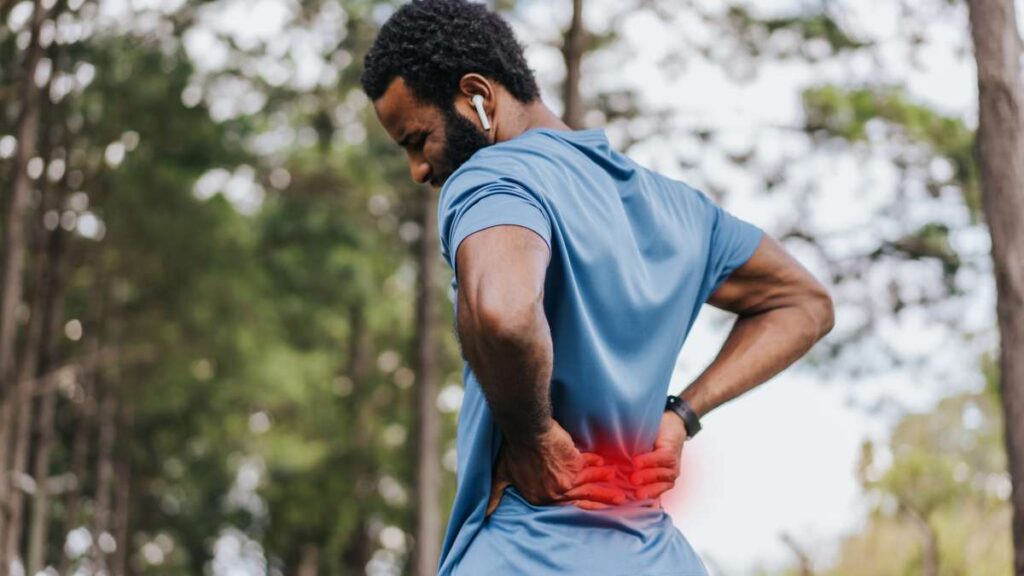

When you experience an injury, it's completely normal to feel overwhelmed and unsure about how to recover effectively. You may be asking yourself what methods will truly support your healing journey. As a local chiropractor, I want to share some trusted strategies that can make a real difference in your recovery process.
The RICE protocol—Rest, Ice, Compression, and Elevation—is a great starting point for managing your injury. However, it's also essential to consider tailored physical therapy and the role of proper nutrition in your healing. These approaches can significantly enhance your recovery.
But recovery isn't just physical; it's also mental. Understanding the psychological aspect of healing and how it can impact your motivation and mindset is crucial. Additionally, incorporating technology, such as apps for tracking your progress or virtual consultations, can provide extra support along the way.
So, what specific techniques can you implement to ensure a smoother return to peak performance? It's important to consult with a chiropractor who can guide you through natural healing methods, adjust any misalignments, and develop a personalized recovery plan that addresses both your physical and mental well-being. Together, we can help you get back on track and perform at your best.
Understanding Common Sports Injuries
As a local chiropractor, I want to help you understand the risks of common sports injuries that can affect your performance and overall well-being. When you engage in physical activities, the possibility of injury is always present. By recognizing the signs early and addressing them naturally, you can promote healing and prevent further complications.
One of the most common injuries I see in athletes are sprains and strains. Sprains occur when ligaments, which connect bones to each other, are stretched or torn. Strains, on the other hand, involve muscles or tendons, the tissues that attach muscles to bones. These injuries can happen unexpectedly, often due to sudden movements or awkward landings. It's crucial to listen to your body and seek care if you experience discomfort.
Another issue many athletes face is tendonitis, which is the inflammation of the tendons usually caused by overuse. This condition can develop gradually, leading to pain and stiffness that may hinder your ability to perform at your best. Ignoring early signs of tendonitis can result in chronic problems, so it's important to take proactive steps towards your health.
Knee injuries, such as ACL tears, are particularly concerning, especially for those involved in high-impact sports. An ACL tear can occur from twisting movements or direct impact, causing instability and significant pain.
Similarly, ankle injuries, including sprains and fractures, can set you back for weeks, necessitating careful rehabilitation.
Let's not forget about stress fractures, which are tiny cracks in the bone often resulting from repetitive stress or overtraining. If you start to notice persistent pain, it's essential to address it promptly through natural healing methods, as ignoring it can lead to more severe issues down the line.
As your chiropractor, I'm here to guide you in understanding these injuries and to support your journey towards recovery and optimal performance through natural care and holistic practices. Your body deserves the best attention and care, so don't hesitate to reach out if you have any concerns about sports injuries.
Importance of Immediate Care
As a local chiropractor, I want to emphasize the critical importance of immediate care when it comes to sports injuries. Timely intervention can significantly impact your recovery and minimize any long-term effects. Whether you're dealing with a sprain, strain, or fracture, taking action right away is crucial to prevent further damage.
Your body's natural healing processes can often use a little help, and delaying treatment can lead to complications that prolong your recovery. It's essential to recognize the signs of an injury. If you experience pain, swelling, or instability, please don't ignore these symptoms. Seeking medical attention promptly is key.
Early diagnosis allows for an accurate evaluation of your injury and helps determine the best course of action. This may involve methods such as rest, ice, compression, and elevation (often referred to as RICE), along with chiropractic adjustments and therapies that can reduce inflammation and promote healing from within.
Additionally, immediate care may involve imaging studies, like X-rays or MRIs, to assess the extent of your injury. Understanding the specifics of your condition is vital, as it enables me to create a tailored treatment plan that addresses your unique needs. The sooner you receive the right care, the quicker you can get back to doing what you love, minimizing any potential setbacks.
Moreover, immediate care isn't just about addressing the physical aspect of an injury; it's also about providing mental reassurance. Knowing you're taking proactive steps toward recovery can help maintain your motivation and focus.
In the world of sports, every moment counts, and by prioritizing immediate care, you pave the way for a smoother and more effective recovery journey. Remember, chiropractic care is here to support you in healing naturally and getting back on track!
Physical Therapy Techniques
After addressing the initial care of your injury, it's important to delve into the next steps of your recovery journey: chiropractic care and natural healing techniques. Engaging in these therapies is essential for regaining strength, flexibility, and overall function in a holistic manner.
Here are some effective techniques you can expect during your sessions:
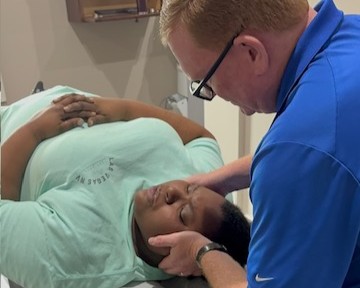
- Spinal Manipulation: As a chiropractor, I may use gentle hands-on adjustments to realign the spine and other joints. This can help alleviate pain, enhance circulation, and promote the body's natural healing processes.
- Strengthening Exercises: It's vital to rebuild strength in the affected areas. I'll work with you to create a personalized program that focuses on gradually increasing resistance, helping to restore muscle function and stability.
- Stretching and Mobility Routines: Flexibility is a key component of comprehensive recovery. You'll participate in tailored stretching exercises designed to improve your range of motion, which can also help prevent future injuries.
- Functional Movement Training: This technique involves practicing movements that are specific to your daily activities or sports. By mimicking real-life motions, you'll train your body to respond effectively when you return to your normal routine.
Each of these techniques is integral to your rehabilitation process.
It's important to maintain an open line of communication with me about your progress and any discomfort you experience.
Role of Nutrition in Recovery
As a local chiropractor, I want to emphasize the vital role that nutrition plays in your recovery from injury. The right nutrition can significantly influence how quickly you heal and how effectively you respond to rehabilitation. When you're injured, your body's need for essential nutrients increases, making it crucial to focus on a balanced diet that supports your healing process.
Let's start with protein, which is fundamental for muscle repair and tissue rebuilding. Lean protein sources such as chicken, fish, beans, and legumes should be a priority in your meals. These foods provide the necessary amino acids that your body requires to recover.
In addition to protein, incorporating healthy fats is important. Foods like avocados, nuts, and olive oil can help reduce inflammation and promote overall health.
Carbohydrates also play a key role by providing the energy you need for recovery and rehabilitation exercises. Choose whole grains, fruits, and vegetables to ensure you have the fuel your body needs.
Micronutrients—vitamins and minerals—are equally important in the healing process. Vitamins such as C and D, along with minerals like calcium and zinc, are essential for recovery. To make sure you're getting a variety of these nutrients, fill your plate with colorful fruits and vegetables.
Don't overlook hydration either; drinking enough water is essential as it helps transport nutrients throughout your body and can assist in reducing swelling.
I also encourage you to consider consulting with a registered dietitian who specializes in sports nutrition. They can create a personalized dietary plan that aligns with your specific recovery needs, ensuring that you're effectively nourishing your body during this critical time.
By focusing on proper nutrition, you can't only expedite your recovery but also lay the groundwork for a stronger return to your normal activities.
Mental Resilience and Mindset
While proper nutrition is essential for a strong recovery, it's equally important to recognize the significant impact that mental resilience and mindset have on your healing journey. As a chiropractor, I often see how patients cope with injuries and rehabilitation, and I believe that cultivating a strong mental approach can truly enhance your recovery experience.
Here are some strategies to help you build that resilience as you work towards better health:
- Focus on What You Can Control: Instead of fixating on limitations caused by your injury, redirect your attention to what you can actively manage. Set small, attainable goals that align with your recovery process. This not only keeps you engaged but also fosters a sense of accomplishment as you progress.
- Practice Positive Self-Talk: It's natural to have negative thoughts during challenging times, but it's crucial to counter them with positive affirmations. Remind yourself of the difficulties you've conquered in the past and concentrate on your strengths. This shift in mindset can significantly boost your confidence as you navigate your healing journey.
- Visualize Success: Take a few moments each day to envision your recovery and your return to optimal health. Picture yourself fully engaged in activities you love, performing at your best. This mental rehearsal can enhance your motivation and strengthen your belief in your healing capabilities.
- Seek Support: Remember, you don't have to go through this alone. Reach out to your chiropractor, as well as friends, family, or mental health professionals who can provide guidance and encouragement. Sharing your feelings and experiences can help alleviate feelings of isolation and empower you throughout your recovery.
Gradual Return to Activity
As you begin to heal from an injury, it's important to evaluate your body's readiness before returning to your usual activities.
At our chiropractic clinic, we emphasize the importance of a structured approach to gradually increase your activity levels while reducing the chances of re-injury.
Let's discuss how you can safely transition back to your sport, using natural healing methods and chiropractic care to support your recovery.
Assessing Physical Readiness
As a local chiropractor, I want to emphasize the importance of evaluating your physical readiness after an injury before returning to any activity.
It's crucial to ensure your body is prepared to handle the demands of your sport, minimizing the risk of re-injury. Here are four essential factors we should assess together:
1. Pain Level: During our sessions, we'll discuss any discomfort you may feel in your daily activities or during movements related to your sport.
Remember, pain shouldn't be part of your normal routine; it's a signal that your body needs attention.
2. Range of Motion: I'll guide you through tests to evaluate your flexibility and mobility.
It's vital that you can achieve a full range of motion in the injured area without any restrictions, as this is key to effective healing.
3. Strength: We'll assess your muscle strength by comparing it to the uninjured side.
I'll help you perform basic strength tests and functional movements that resemble your sport. This comparison is important to ensure your body is up to par.
4. Endurance: Together, we'll evaluate your stamina.
I'll recommend gradual activities that mimic the demands of your sport to see if you can sustain the effort without feeling fatigued.
After we thoroughly assess these areas, I encourage you to consult with me or another healthcare professional to confirm that you're ready to progress.
Your safety is my top priority, so let's take the necessary time to ensure you're genuinely prepared for a successful return to activity.
Structured Training Progression
As a local chiropractor, I want to emphasize the importance of a structured training progression when it comes to safely returning to activity after an injury. This approach is crucial for gradually rebuilding your strength, flexibility, and endurance while significantly reducing the risk of re-injury.
First and foremost, it's essential to set clear, achievable goals based on your current physical condition. I encourage you to work closely with a qualified coach or physical therapist who can help you create a personalized plan tailored to your specific injury and overall fitness level.
To start, focus on low-impact activities that support healing, such as swimming or cycling. These exercises promote recovery without putting too much strain on your body.
As you begin to feel stronger and more confident, you can gradually introduce sport-specific drills. It's vital to pay attention to how your body responds to each increase in intensity; always prioritize maintaining proper form. If you encounter any pain or discomfort, it's important not to push through it. Instead, take a moment to reassess and adjust your plan accordingly.
As you continue to progress, incorporating strength training and agility exercises can significantly enhance your performance. Aim for a balanced approach to ensure that you're not overloading any specific area of your body.
Utilizing Technology in Healing
As your local chiropractor, I'm excited to share how technology can play a significant role in your healing journey.
Wearable recovery devices are becoming increasingly popular, as they can help you track your progress and optimize your recovery. These devices monitor various aspects of your health, allowing us to adjust your treatment plan accordingly.
Additionally, virtual rehabilitation programs can be incredibly beneficial, providing you with customized exercises and guidance that you can follow from the comfort of your home.
By embracing these modern tools, you can enhance your recovery experience and take an active role in your health.
Wearable Recovery Devices
As a local chiropractor, I want to share how wearable recovery devices are transforming the way we approach healing and rehabilitation in our practice. These cutting-edge tools harness technology to provide valuable insights into your recovery journey, making it easier to understand and manage your healing process.
Whether you're dealing with a minor strain or recovering from a more serious injury, these devices can significantly enhance your rehabilitation experience.
Here are four important benefits of incorporating wearable recovery devices into your healing plan:
- Data Tracking: These devices systematically collect data about your physical activities, sleep habits, and recovery indicators. This information empowers you to make informed adjustments to your training and rest periods, which is essential for effective recovery.
- Pain Management: Many wearable devices include features that assist in pain relief, such as electrical stimulation or heat therapy. This can be a natural alternative to medications, helping you manage discomfort while promoting healing.
- Progress Monitoring: With continuous updates and analytics, you can easily visualize how far you've come in your recovery. This transparency can be incredibly motivating and encourages you to stay committed to your rehabilitation.
- Personalized Feedback: Wearable recovery devices often provide customized advice tailored to your specific recovery needs. This personalized approach ensures you're following a path that aligns with your unique healing requirements.
By integrating these innovative devices into your recovery plan, you can take an active role in your healing process and work towards optimal health.
As always, I'm here to guide you through your chiropractic care and answer any questions you might've about these technologies and natural healing methods.
Virtual Rehabilitation Programs
As a local chiropractor, I want to share how virtual rehabilitation programs are transforming the way we approach recovery from injuries, especially within the realm of natural healing. By incorporating technology into your rehabilitation journey, these programs offer personalized care tailored to your needs, along with real-time feedback to make your recovery process more efficient and effective.
Imagine accessing guided exercises specifically designed for your injury, tracking your progress, and consulting with your healthcare team—all from the comfort of your home. This is the essence of virtual rehabilitation. It allows you to engage in your recovery without the need for frequent in-person visits, making it a convenient option for many.
One of the primary benefits of virtual rehabilitation is its flexibility. You can schedule sessions that seamlessly fit into your daily routine, keeping you committed to your recovery plan. Whether you're healing from a sprained ankle, a back issue, or any other injury, these programs adapt to your unique circumstances, providing exercises that align with your specific rehabilitation goals.
Additionally, many of these programs utilize advanced technologies such as virtual reality and motion tracking. This not only makes rehabilitation more enjoyable but also helps you visualize your progress. As you heal, you can maintain ongoing communication with your chiropractic team, allowing for necessary adjustments to your treatment plan.
Embracing virtual rehabilitation can empower you on your healing journey, guiding you back to the activities you love in a safe and effective manner. Remember, your health and recovery are our priority, and we're here to support you every step of the way.
Cross-Training for Injury Prevention
As a local chiropractor, I want to share with you how cross-training can be a powerful tool for preventing injuries and enhancing your overall physical performance. By incorporating various types of exercise into your routine, you can lower the risk of overuse injuries while also improving your overall fitness.
Here's how cross-training can make a significant difference in your health and wellness:
- Variety: Mixing up your workouts keeps your exercise routine engaging and challenges your body in different ways. This variety can lead to improved strength and flexibility, both of which are essential for preventing injuries.
- Balanced Muscle Development: Engaging in a range of activities ensures that all muscle groups are being strengthened uniformly. For example, if you primarily run, adding activities like swimming or cycling can help develop your upper body and core muscles, which are crucial for overall stability and injury prevention.
- Reduced Impact: Low-impact exercises, such as swimming or rowing, allow you to maintain your fitness levels while giving your joints a much-needed break. This is especially important if you're recovering from an injury or working to prevent one in the first place.
- Mental Resilience: Cross-training also helps build mental toughness. By trying new sports or workouts, you challenge your mind, making you more adaptable and resilient, especially during competition.
To get started, think about activities that complement your primary sport and incorporate them into your weekly schedule. Aim for a well-rounded mix that includes strength training, flexibility exercises, and endurance workouts.
By doing this, you'll create a more resilient body, significantly reducing your risk of injury and allowing you to perform at your best.
At our chiropractic practice, we believe in the power of natural healing and a holistic approach to wellness. If you have any questions about how cross-training can fit into your health journey, feel free to reach out.
Your path to optimal health and injury prevention starts with awareness and action!
Listening to Your Body
As a local chiropractor, I want to emphasize the importance of listening to your body for effective recovery.
Understanding the signals your body sends, especially when it comes to pain, is crucial in making informed choices about your health. It's vital to know when to push through discomfort and when to take a step back and rest.
Remember, prioritizing rest and recovery is just as important as any training you may do. Don't underestimate the role that proper rest plays in your healing process.
Recognizing Pain Signals
As a local chiropractor, I want to help you understand how to recognize pain signals your body is sending you. This communication is crucial for maintaining your health and well-being, especially if you're active or involved in sports. Ignoring these signals can lead to more significant injuries and extended recovery times.
Here are some important signals to be aware of:
- Sharp Pain: If you experience sudden, intense pain during any activity, it's a strong indication that something is amiss. It's essential to stop what you're doing immediately and assess your situation. This type of pain often signals a potential injury that needs attention.
- Dull Aching: Persistent dull pain can be a sign of muscle or joint fatigue and stress. This discomfort shouldn't be overlooked, as it can develop into more serious issues if left untreated. Listening to your body is key in these situations.
- Swelling or Inflammation: If you notice swelling in any area, it usually points to an injury. This is your body's way of signaling that it needs rest and evaluation. Ignoring this symptom can lead to more serious complications.
- Limited Range of Motion: Difficulty in moving a joint or muscle might suggest an injury. It's important to pay attention to these signals and refrain from pushing through the discomfort, as this could exacerbate the issue.
By recognizing these pain signals, you can take proactive steps towards your health. Chiropractic care can help address these concerns naturally, supporting your body's ability to heal and function properly.
Importance of Rest
As a local chiropractor, I want to emphasize the critical role that rest plays in your overall health and recovery, especially if you're healing from an injury. Many people underestimate the importance of allowing your body to recover, but neglecting this need can significantly delay your healing process and even heighten the risk of re-injury.
Pushing through pain or fatigue not only hampers your recovery but can also impact your overall physical performance. Listening to your body is key. It's essential to recognize when you need to pause and take a break. If you're experiencing persistent discomfort or unusual fatigue, it's a signal to step back and evaluate your situation.
Remember, rest isn't simply about being inactive; it's a vital part of your recovery strategy. It provides your muscles, tendons, and ligaments the opportunity to heal optimally. Incorporating rest days into your routine can significantly boost your recovery journey.
During these days, consider engaging in gentle stretching, meditation, or low-impact activities like walking. This approach allows you to remain active while minimizing strain on your injury, facilitating a better healing process. As your chiropractor, I'm here to guide you in creating a balanced routine that includes the necessary rest for optimal recovery.
Building a Support System
As a local chiropractor, I understand that recovering from an injury can be a challenging experience. But you don't have to navigate this journey alone. Building a strong support system can significantly enhance your healing process. Here's how to create that essential network:
1. Family and Friends: Your loved ones play a crucial role in your recovery. They can offer emotional support and encouragement when you need it most. Having someone to listen to your concerns and celebrate your progress—no matter how small—can make a world of difference.
2. Chiropractors: As a chiropractor, I specialize in natural healing methods that can aid your recovery. I can work with you to develop a personalized treatment plan that aligns with your goals and addresses your specific needs.
With my expertise in spinal health and body mechanics, I can help ensure you're on the right path to healing.
3. Medical Professionals: It's important to have a team of healthcare providers who can guide you through the recovery process. Whether it's a physician or a physical therapist, these professionals can provide invaluable advice and monitor your progress, allowing for a holistic approach to your healing.
4. Fellow Athletes: Connecting with other athletes, especially those who've faced similar injuries, can be incredibly beneficial. They can offer insights and encouragement based on their own experiences, helping you feel less alone in your recovery journey.
Conclusion
Injury recovery is more than just a physical process; it's a comprehensive journey that involves your entire well-being. As a chiropractor, I want to emphasize the importance of understanding your injury and the role of immediate care in the healing process. Committing to physical therapy is crucial, as it helps restore function and strength.
Don't overlook the impact of proper nutrition and mental resilience—they play a vital role in your recovery. A balanced diet can support healing, while a positive mindset can significantly influence your progress.
Incorporating technology, such as advanced chiropractic techniques, and engaging in cross-training can help prevent future injuries. It's essential to listen to your body and recognize when it needs rest or additional support.
With the right guidance and a supportive network, you can recover not only to your previous level of performance but also emerge stronger and more determined. Let's work together to create a personalized recovery plan that addresses your unique needs and promotes natural healing.