
When you face a sports injury, the path to recovery doesn't have to rely solely on conventional methods. You can explore natural remedies that align with your body's own healing processes, enhancing your recovery through nutrition, mindful practices, and gentle rehabilitation. As you begin to understand how these elements work together, you'll find your journey not only heals your body but also strengthens your mental resilience. So, how can you harness these holistic approaches to fully release your game? There's more to discover about creating a balanced recovery plan that fits your unique needs.
Understanding Sports Injuries
When you engage in sports, injuries can be an unfortunate part of the game. Understanding sports injuries is essential for every athlete, regardless of skill level. You need to recognize that injuries can range from minor sprains to severe fractures, each requiring different attention and care.
First, familiarize yourself with the common types of injuries. Sprains and strains often occur when you push your body beyond its limits or when you take a misstep. Tendonitis, on the other hand, arises from repetitive motions, causing inflammation in the tendons. You might also encounter fractures or dislocations, which typically result from high-impact collisions or falls.
Next, pay attention to the signs of injury. Pain, swelling, and limited mobility are all indicators that something's wrong. If you ignore these symptoms, you risk further damage and prolonged recovery time. Understanding your body's signals is crucial for preventing minor injuries from escalating into severe issues.
Also, consider the role of warm-ups and cool-downs. Proper preparation before engaging in physical activity helps to reduce the likelihood of injuries. Stretching and gradually increasing your activity level prepares your muscles and joints for the exertion ahead.
Finally, don't forget about rest and recovery. Even when you feel fine, your body may need time to heal from the demands of your sport. By understanding the types of injuries, their symptoms, and the importance of prevention, you can keep yourself in the game for longer.
Natural Remedies for Recovery
Natural remedies can play an essential role in your recovery from sports injuries, offering effective options without the side effects of pharmaceuticals. You can harness the power of nature to speed up healing and enhance your overall well-being.
One of the most popular remedies is arnica, a flowering plant known for reducing inflammation and alleviating pain. Applying arnica gel or cream directly to the affected area can help minimize bruising and swelling.
Similarly, essential oils like peppermint and eucalyptus can provide relief through their analgesic properties. Just dilute them with a carrier oil and massage gently into the sore muscles.
Another effective remedy is cold therapy. Applying ice packs or cold compresses to injured areas can reduce swelling and numb sharp pain. Remember to wrap ice in a cloth to protect your skin, and apply it for about 15-20 minutes every few hours.
For deeper tissue healing, consider using heat therapy. Warm baths or heating pads can increase blood circulation, which promotes healing.
You might also explore herbal teas, such as ginger or turmeric, known for their anti-inflammatory properties. Drinking these can help alleviate pain and support your immune system.
Lastly, practicing gentle stretching and mobility exercises can prevent stiffness and enhance recovery. Listen to your body, and don't push through pain.
The Role of Nutrition
Nutrition plays an essential role in your recovery from sports injuries, as the right nutrients can markedly speed up healing and restore strength. You need to focus on consuming a balanced diet rich in vitamins, minerals, and macronutrients.
Protein, for instance, is critical for muscle repair and growth. Incorporate high-quality sources like lean meats, fish, legumes, and dairy into your meals.
Don't overlook the importance of healthy fats, either. Omega-3 fatty acids, found in fatty fish, walnuts, and flaxseeds, can help reduce inflammation, which is imperative for your recovery process.
Carbohydrates are also necessary, as they provide the energy you need for healing and rehabilitation. Opt for whole grains, fruits, and vegetables to fuel your body effectively.
Micronutrients play a significant role, too. Vitamins C and E are powerful antioxidants that can help protect your cells from damage. Incorporate citrus fruits, berries, nuts, and green leafy vegetables to boost your intake.
Zinc and magnesium are also essential for a healthy immune system and muscle function, so make sure to include foods like seeds, nuts, and whole grains in your diet.
Hydration shouldn't be neglected during your recovery. Drinking enough water helps maintain joint lubrication and supports overall bodily functions. Aim for at least eight glasses of water a day, adjusting based on your activity level.
Physical Therapy Techniques
When you're recovering from a sports injury, physical therapy techniques can make a significant difference in your healing journey.
You'll find that manual therapy benefits can improve your mobility and reduce pain, while exercise rehabilitation strategies help strengthen your body and prevent future injuries.
Let's explore how these approaches can aid your recovery process.
Manual Therapy Benefits
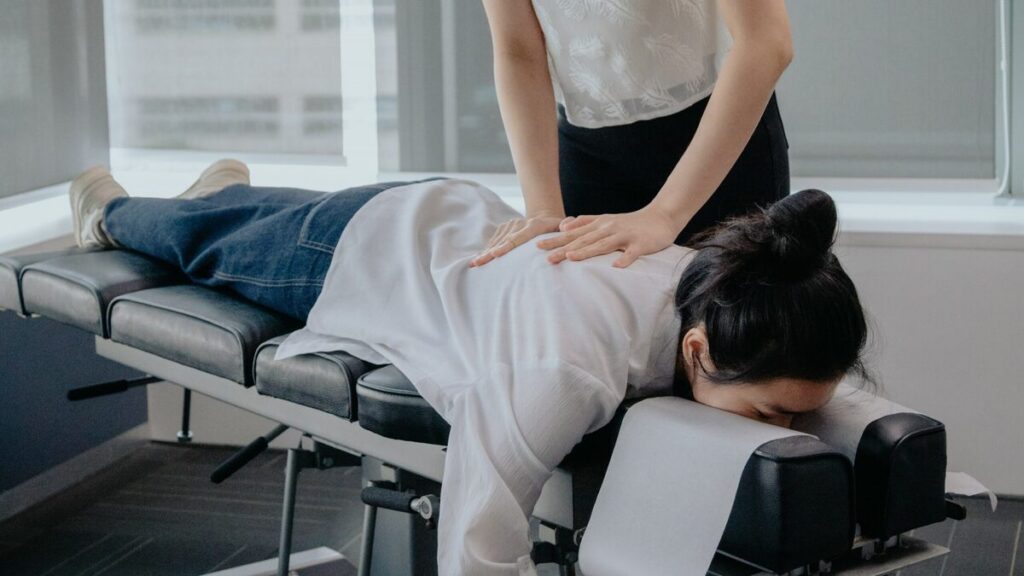
Manual therapy offers significant relief and recovery benefits for athletes dealing with injuries. When you engage in manual therapy, you're tapping into techniques that focus on manipulating soft tissues and joints. These techniques can help reduce pain, increase mobility, and promote healing.
By working with a skilled therapist, you can experience targeted pressure and movement that directly addresses your injury. This hands-on approach helps to alleviate muscle tension and improve blood circulation, speeding up the recovery process. You might also find that manual therapy enhances your range of motion, allowing you to return to your sport more quickly.
Additionally, manual therapy can provide a deeper understanding of your body mechanics. This awareness can lead to better movement patterns, reducing the risk of future injuries. It's not just about healing; it's about optimizing your performance.
Whether you're dealing with a sprain, strain, or chronic pain, incorporating manual therapy into your recovery plan can be a game-changer. By addressing both the physical and psychological aspects of healing, you're setting yourself up for a more effective and complete recovery.
Exercise Rehabilitation Strategies
Exercise rehabilitation strategies are vital for athletes recovering from injuries, and they often play a fundamental role in regaining strength and function. Incorporating tailored exercises into your recovery plan can help restore mobility, build strength, and prevent future injuries.
Start with gentle range-of-motion activities to promote flexibility and circulation. As you progress, gradually increase the intensity of your exercises, focusing on strengthening the affected area.
Resistance training is essential. Use bands or light weights to build muscle without overstraining your injury. It's also important to engage in functional exercises that mimic the movements specific to your sport, ensuring you're prepared for a return to play.
Don't forget about balance and stability exercises. These can greatly reduce the risk of re-injury and improve your overall athletic performance. Working with a physical therapist can help you identify the right exercises and monitor your progress.
Remember to listen to your body. If you experience pain or discomfort, adjust your routine accordingly.
Mind-Body Connection
A strong mind-body connection plays an essential role in healing sports injuries naturally. When you focus on this connection, you can markedly enhance your recovery process.
By understanding the interplay between your mental state and physical health, you empower yourself to heal more effectively. Your thoughts, emotions, and beliefs can influence your body's responses, and harnessing this can make a difference in how you recover from an injury.
Here are some ways to strengthen that mind-body connection:
- Visualization: Imagine your body healing and becoming stronger. This mental imagery can help reduce pain and accelerate recovery.
- Mindfulness Practices: Engage in meditation or deep-breathing exercises. These practices help you become more aware of your body and its signals, promoting relaxation and healing.
- Positive Affirmations: Use positive self-talk to encourage your body's healing process. Affirmations can shift your mindset and instill a sense of control over your recovery journey.
- Body Awareness: Pay attention to how your body feels during rehabilitation exercises. This awareness can help you adjust your movements and prevent further injury.
Preventing Future Injuries
Preventing future injuries is crucial for maintaining ideal performance and overall well-being in sports. To keep yourself in the game, you need to adopt proactive strategies that focus on strength, flexibility, and proper techniques.
Start by incorporating a balanced strength training routine tailored to your sport. This'll help strengthen muscles and stabilize joints, reducing the likelihood of injuries.
Don't skip your warm-up and cool-down routines. Warming up increases blood flow to your muscles, preparing them for action, while cooling down helps reduce stiffness and promotes recovery.
Dynamic stretches during warm-ups and static stretches afterward can greatly enhance your flexibility and range of motion.
Pay attention to your body's signals. If you experience pain, fatigue, or discomfort, don't push through it. Instead, take a step back and analyze what might be causing the issue. You might need to adjust your training intensity or technique.
Also, invest in proper footwear and equipment, designed specifically for your activity. The right gear provides support and cushioning, minimizing the risk of injury.
Finally, consider cross-training. Engaging in different forms of exercise can balance muscle development and reduce repetitive strain on specific body parts.
Conclusion
By embracing natural healing methods, you can transform your recovery from sports injuries. Focusing on nutrition, gentle rehabilitation, and mindfulness not only speeds up your healing but also strengthens your mental resilience. Remember, it's not just about getting back in the game; it's about coming back even stronger and more balanced. Prioritize your body's innate abilities and incorporate these holistic practices to prevent future injuries and release your full potential on the field.