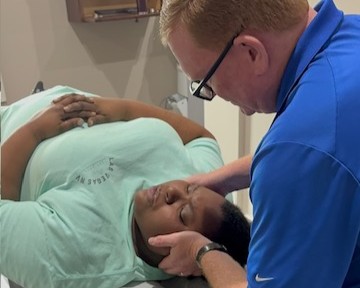

Chronic back pain can often feel like an overwhelming challenge, but as your local chiropractor, I'm here to tell you that it doesn't have to be your permanent reality. Understanding the root causes of your pain is the first step toward finding relief. By making specific lifestyle adjustments and exploring various therapeutic techniques, you can begin to reclaim your comfort.
Chiropractic care focuses on aligning the spine and improving overall body function, which can play a significant role in alleviating back pain. Alongside chiropractic adjustments, I encourage patients to consider healthy daily habits, including proper posture, regular exercise, and ergonomic improvements in your workspace.
There are also innovative treatment options that we can discuss, tailored specifically to your needs. The journey to a more comfortable life involves understanding which strategies resonate with you, and I am here to guide you every step of the way. Together, we can unlock the relief you seek and help you get back to living your life fully.
Understanding Chronic Back Pain
As a local chiropractor, I want to help you understand chronic back pain and its complexities. It's important to recognize that chronic back pain isn't just about feeling discomfort; it's a multifaceted condition that can significantly impact your daily life. You may experience persistent aches, stiffness, or sharp pains that disrupt your activities and overall well-being.
Unlike acute pain, which typically subsides after an injury heals, chronic pain can linger for months or even years, often leading to frustration and emotional strain.
One of the most perplexing aspects of chronic back pain is that it doesn't always correlate with physical findings. You might undergo imaging tests like X-rays or MRIs and not find anything significant, yet you still experience pain. This disconnect can be disheartening, but it's crucial to understand that pain perception is influenced by a variety of factors, including psychological and environmental elements.
As you navigate through chronic back pain, I encourage you to pay close attention to how your body responds to different activities, movements, or even stressors. You may find that certain positions or motions worsen your discomfort, while others provide relief. By becoming more aware of these patterns, you can begin to manage your pain more effectively, often with the help of chiropractic care.
Additionally, it's important to recognize that chronic back pain often impacts your mental health, potentially leading to anxiety or depression. Acknowledging this connection is vital for a comprehensive approach to your treatment.
Common Causes and Risk Factors
As a local chiropractor, I want to emphasize how your daily habits significantly impact your back health.
Many individuals may not realize that a sedentary lifestyle, poor posture, and the natural aging process can all lead to chronic pain. It's crucial to understand these common causes and risk factors, as this knowledge is the first step toward finding effective relief.
By making simple adjustments to your routine and posture, you can support your spine and overall well-being.
Let's work together to explore natural healing methods that can help you regain comfort and mobility.
Sedentary Lifestyle Impacts
As a local chiropractor, I want to take a moment to address a common issue that many people face today: the negative effects of a sedentary lifestyle on back health.
In our busy lives, it's all too easy to find ourselves sitting for long periods—whether at a desk, in traffic, or lounging on the couch. This prolonged inactivity can lead to serious problems for your back.
When you sit for extended periods, your muscles can weaken and lose their flexibility, which makes it more challenging to support your spine properly. You might be surprised to learn that sitting compresses the discs in your back, increasing your risk of injury.
Additionally, a lack of movement can lead to weight gain, putting even more strain on your back. Over time, you might notice your core muscles becoming weaker, which can contribute to worsening back pain.
Some common risk factors that contribute to a sedentary lifestyle include long hours spent at a desk, excessive time in front of screens, and a general neglect of physical activity. If these habits continue unchecked, they can lead to chronic pain and reduced mobility.
It's essential to be aware of how your daily routine may be affecting your back health.
As part of my commitment to your well-being, I encourage you to incorporate short breaks and simple stretches into your day. These small changes can make a significant difference in counteracting the negative effects of a sedentary lifestyle.
Poor Posture Consequences
As a local chiropractor, I want to take a moment to educate you on the often-overlooked consequences of poor posture and its impact on your overall back health. Many people are unaware that how you sit, stand, and move can significantly affect your spine and well-being.
Over time, neglecting proper posture can lead to chronic pain, discomfort, and even more serious health issues.
Here are some common consequences of poor posture that I encourage you to consider:
- Increased Back Pain: Slouching or hunching over can put undue strain on your muscles, resulting in persistent discomfort. This pain can become a daily burden if not addressed.
- Reduced Mobility: Tightness in your back and hips due to poor posture can restrict your range of motion, making everyday activities, such as bending down or reaching for objects, feel more difficult.
- Headaches: Misalignment of your spine can lead to tension headaches, often caused by the strain on your neck and upper back muscles. These headaches can interfere with your daily life.
- Fatigue: Maintaining stability while in poor posture requires your body to exert more energy, which can leave you feeling fatigued and drained throughout the day.
As your chiropractor, my goal is to help you understand the importance of maintaining good posture and to guide you toward natural healing methods to improve your spinal health.
Let's work together to create a healthier, more aligned you!
Age-Related Degeneration Factors
As we age, our bodies naturally undergo various changes that can lead to degeneration in the spine and its surrounding structures. One of the most common issues I see in my practice is the gradual wear and tear of the intervertebral discs. These discs, which act as shock absorbers between the vertebrae, can lose hydration and elasticity over time, making them less effective at their job. This can lead to discomfort and pain.
Additionally, many of my patients experience a decrease in bone density as they age. This increase in fragility can heighten the risk of fractures and conditions like osteoporosis, which can severely affect mobility and quality of life.
Another important factor is the natural decline in muscle mass and strength that often occurs with age. When muscles weaken, it can impact spinal stability, leading to poor posture and improper alignment. This misalignment can place additional strain on your back, causing further discomfort.
Arthritis is another common issue that can develop in the spine, resulting in inflammation and pain.
Lifestyle choices play a significant role in these age-related issues. For instance, a lack of exercise or a poor diet can exacerbate degeneration. Smoking is particularly detrimental, as it reduces blood flow to the spine, hindering necessary healing processes. Furthermore, if you have a family history of back problems, genetic factors could also make you more susceptible to these issues.
By understanding these age-related degeneration factors, you can take proactive steps to manage your back health. As a chiropractor, I focus on natural healing techniques and lifestyle adjustments that can help alleviate chronic pain and improve your overall well-being.
Lifestyle Changes for Relief
As a local chiropractor, I want to share some valuable insights on how simple lifestyle changes can significantly alleviate chronic back pain. You don't need to rely solely on miracle cures; instead, I encourage you to focus on practical adjustments that can lead to meaningful improvements in your condition.
First and foremost, incorporating regular physical activity into your daily routine is essential. Gentle exercises such as walking, swimming, or practicing yoga can help strengthen your back muscles and enhance your flexibility, which is crucial for maintaining spinal health.
Paying attention to your posture is another key element in preventing back pain. Whether you're sitting at a desk, standing, or lifting heavy objects, proper alignment can make a world of difference in reducing strain on your back.
Here are some lifestyle changes I recommend for my patients:
- Stay Active: Aim for at least 30 minutes of moderate exercise most days of the week. This will help keep your muscles strong and your spine aligned.
- Practice Good Posture: Be mindful of your posture throughout the day. Keep your back straight and shoulders relaxed whether you're sitting, standing, or moving.
- Maintain a Healthy Weight: Carrying excess weight puts additional stress on your back. A balanced diet can aid in weight management and overall health.
- Get Quality Sleep: Prioritize good sleep hygiene. A restful night's sleep supports your body's natural healing processes and overall wellness.
Additionally, I encourage you to reflect on your daily habits. Activities that involve frequent bending or awkward twisting can exacerbate back pain.
Consider how you approach everyday tasks; for instance, always use your legs when lifting rather than straining your back.
By making these thoughtful changes, you may notice a reduction in your pain levels and an enhancement in your overall quality of life.
Therapeutic Techniques to Explore
As a local chiropractor, I want to share with you the significant benefits of exploring various therapeutic techniques for managing chronic back pain. Chiropractic care focuses on the alignment of the spine and overall body mechanics, which can greatly alleviate discomfort.
In addition to spinal adjustments, incorporating mindfulness and meditation practices into your routine can provide mental relief and promote a sense of well-being.
Physical therapy methods complement chiropractic care by strengthening your muscles and improving flexibility, which can help prevent future pain.
Moreover, don't overlook alternative healing approaches, such as acupuncture and massage therapy, which may offer unique advantages tailored to your individual needs.
Together, these techniques can create a holistic approach to managing your pain and enhancing your quality of life. It's important to find a combination that works best for you, and I'm here to guide you on this journey to better health.
Mindfulness and Meditation Practices
As a local chiropractor, I want to emphasize the importance of incorporating mindfulness and meditation practices into your daily routine, especially if you're dealing with chronic back pain.
These techniques can significantly enhance your healing journey by fostering a deeper awareness of your body and its sensations. By learning to respond to pain with resilience, you can better manage discomfort.
Here are some effective mindfulness and meditation practices that I recommend exploring:
- Guided Meditations: Consider using apps or online platforms to access guided sessions specifically designed for pain management. These sessions can provide you with tools to navigate your pain more effectively.
- Body Scanning: This practice involves directing your attention to different parts of your body, allowing you to notice areas of tension or discomfort without judgment. It's a great way to learn about your body and recognize where you might be holding stress.
- Breath Awareness: Focusing on your breath—taking deep inhalations and slow exhalations—can help ground you and divert your attention from pain. This simple technique promotes relaxation and can be done anywhere.
- Mindful Movement: Engaging in gentle forms of exercise, such as yoga or tai chi, allows you to incorporate mindfulness into your movements. This can help improve flexibility and promote relaxation, which are essential for managing pain.
I encourage you to start integrating these practices into your daily life.
Many of my patients have reported significant reductions in chronic back pain and an overall enhanced sense of well-being after adopting these methods alongside their chiropractic care.
Physical Therapy Approaches
As you delve into mindfulness and meditation practices for chronic back pain relief, I encourage you to consider the benefits of chiropractic care as a natural healing approach that can complement your journey. Chiropractic care focuses on improving your mobility, strength, and overall wellness through hands-on techniques and personalized treatment plans.
One of the primary methods you might experience in our practice is spinal manipulation, which involves adjusting misaligned vertebrae to alleviate pain and enhance flexibility. This gentle manipulation can help restore proper function to your spine, reducing tension and discomfort.
In addition to spinal adjustments, we emphasize the importance of therapeutic exercises tailored to your specific needs. Strengthening your core and back muscles is vital as it provides better support for your spine, helping to prevent future issues and enhancing your overall stability.
You may also benefit from various modalities such as heat and cold therapy, electrical stimulation, or ultrasound treatments. These techniques can offer immediate pain relief and promote healing by increasing blood flow to the affected areas.
Furthermore, we prioritize educating our patients about their conditions. Understanding the root causes of your pain and learning effective management strategies can empower you on your path to recovery.
We also provide guidance on posture correction and ergonomic adjustments to help minimize strain during your daily activities, ensuring that you can move with greater ease and comfort.
Embrace the holistic benefits of chiropractic care alongside your mindfulness practices, and witness how they can work together to create a more fulfilling healing experience.
Alternative Healing Methods
As a chiropractor, I want to guide you on your journey to alleviate chronic back pain through alternative healing methods. Many patients are unaware of how these techniques can work alongside traditional treatments to provide the relief you seek.
By exploring these options, you may find a solution that aligns with your body and lifestyle.
Here are some alternative healing methods that I encourage you to consider:
- Acupuncture: This ancient practice uses thin needles placed at specific points on your body. It's designed to relieve pain and promote natural healing, making it a great complement to chiropractic care.
- Chiropractic Care: By visiting a chiropractor, you can experience realignment of your spine, which can significantly reduce discomfort and improve your overall mobility. It's a drug-free approach to managing pain.
- Massage Therapy: Regular massage sessions can help alleviate muscle tension and enhance blood circulation, leading to a notable reduction in pain levels. It's a wonderful way to support your chiropractic treatment.
- Mindfulness and Meditation: Incorporating mindfulness into your daily routine can help you manage stress, which often exacerbates pain. These practices can help you shift your focus away from discomfort, promoting a more positive outlook.
Each method offers unique benefits, and I encourage you to explore them as part of your pain management plan.
Pay attention to how your body responds, and always consult with me or another healthcare professional to ensure these techniques are suitable for your needs.
Embracing alternative healing methods may be the key to finding lasting relief from chronic back pain, and I'm here to support you every step of the way.
The Role of Physical Therapy
When it comes to managing chronic back pain, chiropractic care plays a vital role in restoring your body's functionality and alleviating discomfort. A personalized chiropractic program is designed specifically for your individual needs, focusing on strengthening the muscles that support your spine.
Through specialized adjustments and exercises, we aim to improve your flexibility, enhance mobility, and build endurance—all crucial elements in achieving optimal back health.
As your chiropractor, I'll conduct a thorough assessment of your condition to create a customized treatment plan tailored just for you. During our sessions, you'll likely engage in exercises targeting core stabilization and posture correction. These practices not only alleviate pressure on your spine but can also lead to significant reductions in pain.
I'll also guide you on how to modify your daily activities to minimize strain on your back, helping you integrate these changes into your lifestyle.
In addition to adjustments, chiropractic care often includes manual therapy techniques such as soft tissue work and gentle mobilization. These methods can effectively relieve tightness and discomfort in your back.
Together, we'll identify your pain triggers, equipping you with the knowledge to make informed decisions about your health and well-being.
Consistency is crucial in chiropractic care; attending your sessions regularly is essential for your recovery. You'll benefit from ongoing assessments and modifications to your plan as you progress.
As you continue your journey with chiropractic care, you may find that your pain decreases, your strength increases, and your overall function improves. Embracing chiropractic care not only helps you address chronic back pain but also provides you with the tools to maintain a healthier back for the long term.
Mindfulness and Pain Management
As a local chiropractor, I want to share how mindfulness techniques can be beneficial in managing chronic back pain. Many of my patients have found that incorporating mindfulness practices, such as breathing exercises, can significantly calm the mind and help reduce discomfort.
Additionally, visualization techniques can be effective in shifting your focus away from pain, promoting a sense of relaxation and empowerment. By learning to harness these tools, you can take an active role in your pain management journey, complementing the chiropractic care we provide to promote overall wellness and healing.
Mindfulness Techniques Overview
As a local chiropractor, I want to share some valuable mindfulness techniques that can serve as powerful tools in managing chronic back pain. These practices help you cultivate awareness and acceptance of your body's sensations, enabling you to better navigate discomfort.
By focusing on the present moment, you can't only reduce stress but also improve your relationship with pain. Here are some effective mindfulness practices to consider:
- Body Scanning: This technique involves mentally scanning your body from head to toe. As you do this, take note of any areas of tension or discomfort without judgment. It's a great way to connect with how your body feels.
- Mindful Walking: While walking, concentrate on each step you take, the sensations in your feet, and the rhythm of your breath. This practice helps ground you in the moment and can be particularly soothing for your back.
- Meditation: Setting aside a few minutes each day for quiet reflection can be beneficial. Focus your thoughts and observe your feelings about pain without reacting to them. This can help create a sense of distance between you and your discomfort.
- Gratitude Journaling: Writing down the things you're grateful for can shift your focus away from pain and foster a more positive mindset. This practice can help you see the silver linings in your day-to-day life.
Incorporating these mindfulness techniques into your daily routine can greatly enhance your ability to cope with chronic back pain.
By training your mind to remain present, you'll find it easier to navigate discomfort and cultivate a sense of peace, even amidst the challenges that back pain may bring.
If you have questions about these techniques or how they can complement your chiropractic care, feel free to reach out!
Breathing Exercises Benefits
As a chiropractor, I want to share how breathing exercises can significantly support your journey toward better health and pain management, particularly for those dealing with chronic back pain.
By directing your focus to your breath, you can divert your attention from discomfort and enter a more relaxed state. This transition is crucial as it helps alleviate muscle tension and stress—two factors that can intensify pain.
When you practice controlled breathing, you engage your body's natural relaxation response. Begin by inhaling deeply through your nose, allowing your abdomen to expand, then exhale slowly through your mouth. This straightforward technique not only calms your mind but also improves oxygen delivery to your muscles, fostering healing and diminishing pain perception.
Incorporating breathing exercises into your daily routine can enhance your emotional well-being as well. You'll discover that consistent practice builds resilience against stress, which can often trigger or amplify pain episodes.
Furthermore, the mindfulness developed through these exercises enables you to become more aware of subtle changes in your body, empowering you to respond to pain more effectively and promoting a holistic approach to your healing journey.
Visualization for Pain Relief
As a local chiropractor, I want to share with you an effective method for managing chronic back pain that you may not be familiar with: visualization. This technique harnesses the power of your mind to create positive mental images, helping you to shift your focus away from discomfort and regain a sense of control over your body.
By visualizing a pain-free state, you can reduce anxiety and improve your overall well-being.
Here are some steps you can take to effectively use visualization for pain relief:
- Identify Your Pain: Start by acknowledging where you feel discomfort. Try to visualize that pain as a specific color or shape, which can help you create a mental image of what you're experiencing.
- Create a Safe Space: Picture a serene environment that brings you peace and relaxation, such as a quiet beach or a tranquil forest. This safe space can serve as your mental sanctuary whenever you need to escape from pain.
- Visualize Healing: Imagine a warm, healing light surrounding your back. Picture this light melting away tension and pain, promoting a sense of comfort and relief.
- Practice Regularly: Make it a habit to set aside time each day for visualization. By reinforcing these positive mental images, you can help your body respond more effectively to treatment and improve your overall quality of life.
Incorporating visualization into your pain management routine can complement the chiropractic care I provide, helping you to achieve a more holistic approach to healing.
I encourage you to give it a try and see how it can enhance your journey toward pain relief and well-being.
Innovative Treatment Options
As a local chiropractor, I want to share some exciting advancements in pain management that could be beneficial for those suffering from chronic back pain. Many people may not be aware of the innovative treatment options available that focus on natural healing, and I'm here to shed some light on them.
One promising approach is neuromodulation techniques, particularly spinal cord stimulation. This involves the implantation of a small device that sends electrical impulses to the spinal cord. These impulses help to interrupt pain signals before they reach the brain, which many patients have found to provide significant relief. This can help you get back to your daily activities with greater comfort and ease.
Another fascinating area is regenerative medicine, specifically platelet-rich plasma (PRP) therapy. In this treatment, we take a small amount of your blood and process it to concentrate the platelets. These platelets are then injected into the area experiencing pain, promoting healing and reducing inflammation. This method harnesses your body's natural healing capabilities and offers a holistic approach to pain relief.
Virtual reality (VR) therapy is also gaining attention as a unique pain management tool. It immerses you in a controlled environment, which can help distract your mind from pain while encouraging you to engage in therapeutic exercises. Research has shown that VR can significantly reduce pain perception, making it an intriguing option for those seeking alternative relief methods.
Lastly, I encourage you to consider mindfulness-based stress reduction (MBSR) programs. These programs teach you to cultivate awareness and acceptance, which can positively influence your relationship with pain. Incorporating mindfulness into your pain management plan can empower you to take active steps toward improving your quality of life.
Importance of Ergonomics
As a local chiropractor, I want to emphasize the crucial role ergonomics plays in both preventing and managing chronic back pain. In our modern society, where many of us are confined to desks for extended periods, it's vital to understand how our bodies interact with our workspaces. Ignoring these interactions can lead to discomfort and long-term injuries.
By incorporating ergonomic principles into your daily routine, you can significantly enhance your posture and overall comfort.
Let's take a closer look at how you can assess and optimize your workstation setup with these essential ergonomic practices:
- Chair Height: Ensure that your chair is adjusted so your feet rest flat on the floor, with your knees forming a 90-degree angle. This position provides essential support for your lower back and helps maintain proper spinal alignment.
- Desk Position: Your desk should be at a height that aligns with your elbows when you're seated. This allows your arms to rest comfortably while typing, reducing strain on your shoulders and neck.
- Monitor Placement: Position your monitor at eye level to prevent unnecessary neck strain. Ideally, it should be about an arm's length away, allowing you to maintain a neutral head position while working.
- Frequent Breaks: It's important to take short breaks throughout your day to stretch and move around. Regular movement helps alleviate muscle tension and promotes better circulation, which is key to maintaining a healthy spine.
By incorporating these ergonomic practices into your daily routine, you can help protect your back and enhance your overall well-being.
Building a Support System
Building a robust support system is crucial for effectively managing chronic back pain, and as your local chiropractor, I want to emphasize that you don't have to face this challenge alone. Surrounding yourself with the right people can provide you with emotional strength, practical advice, and a sense of community.
Start by identifying those who understand what you're going through—these could be friends, family members, or even local support groups. These individuals can offer encouragement and lend a listening ear to your frustrations without judgment.
In addition to your personal network, consider reaching out to healthcare professionals. As a chiropractor, I can provide valuable insights into your condition and help you develop coping strategies tailored to your needs. Together, we can create a personalized treatment plan that aligns with your lifestyle, focusing on natural healing methods that promote long-term relief.
Don't underestimate the importance of connecting with others who share your experience. Joining a support group can offer a sense of belonging and understanding. It can be incredibly comforting to talk to someone who truly gets the challenges of chronic pain. In these groups, you can exchange tips on managing pain, discuss various treatment options, or simply share your daily struggles.
Additionally, don't hesitate to lean on those close to you for assistance with everyday tasks. Whether it's running errands or helping with household chores, having someone to share the load can significantly reduce stress and allow you to concentrate more on your recovery.
Staying Motivated on Your Journey
Staying Motivated on Your Journey to Managing Chronic Back Pain
As a local chiropractor, I understand that staying motivated on your journey to manage chronic back pain can be quite challenging. However, maintaining that motivation is crucial for achieving long-term relief and overall wellness.
It's natural to experience setbacks and days when the pain seems overwhelming, but by focusing on your goals and progress, you can navigate through these tough times. Here are some strategies I recommend to help you stay inspired and committed to your healing path:
- Set Realistic Goals: Together, we can break down your long-term objectives into smaller, achievable milestones. It's important to celebrate each step forward, no matter how small, as this helps to build your confidence and keeps your spirits elevated.
- Track Your Progress: I encourage you to keep a journal or use a mobile app to monitor your pain levels, daily activities, and any relief techniques we discuss during our sessions. Observing your improvements over time can serve as a significant motivator and reinforce the effectiveness of the chiropractic care and natural healing methods we implement.
- Stay Connected: Lean on your support system—friends, family, or even local support groups. Sharing your journey and hearing others' experiences can offer encouragement and provide fresh perspectives that enrich your healing process.
- Practice Self-Compassion: It's essential to recognize that setbacks are a normal part of this journey. Be gentle with yourself and understand that managing chronic pain is a process requiring patience and resilience.
Remember, I'm here to support you every step of the way.
Conclusion
As a local chiropractor, I want to empower you to transform your experience with chronic back pain. Many individuals are unaware of the significant benefits that chiropractic care, coupled with lifestyle changes, can provide. By exploring natural healing techniques and innovative treatments, you can find relief and reclaim your daily life.
It's crucial to understand the importance of ergonomics in your everyday activities, as well as the value of building a supportive network of friends and family who can encourage your healing journey. Stay motivated and set achievable goals; remember that every small step you take contributes to your overall progress.
With determination and the right chiropractic strategies, you can pave the way to a pain-free future. I invite you to learn more about how chiropractic care can help you on this path to recovery and wellness.