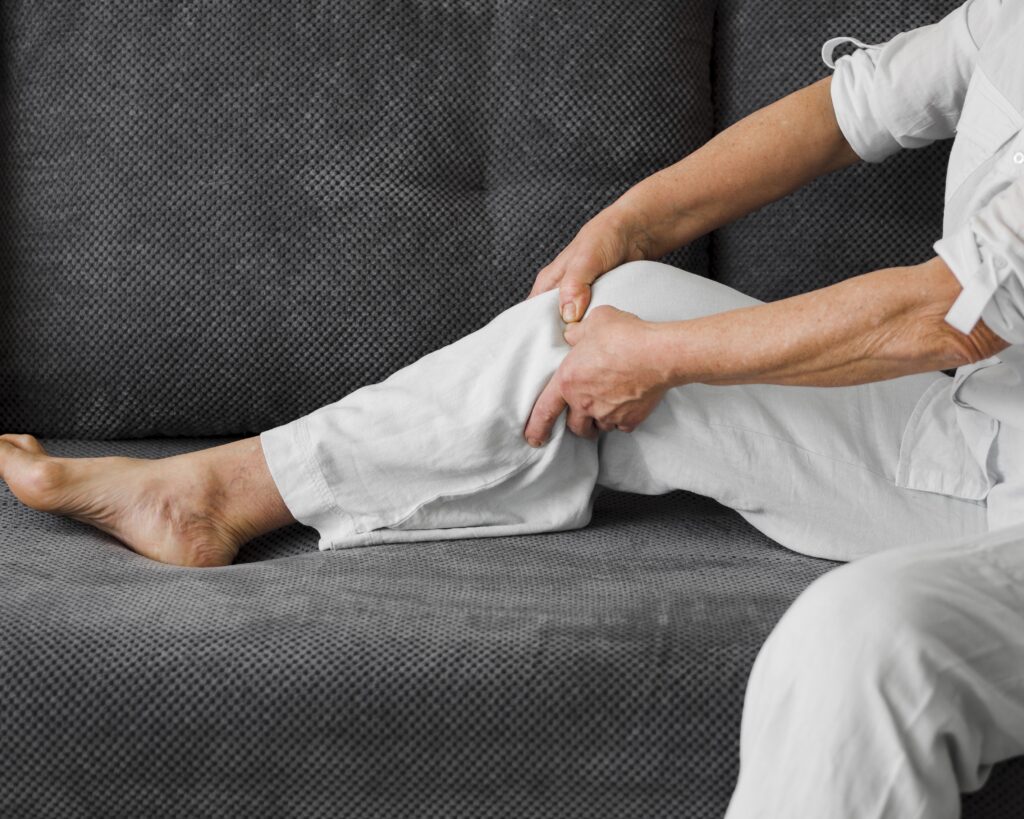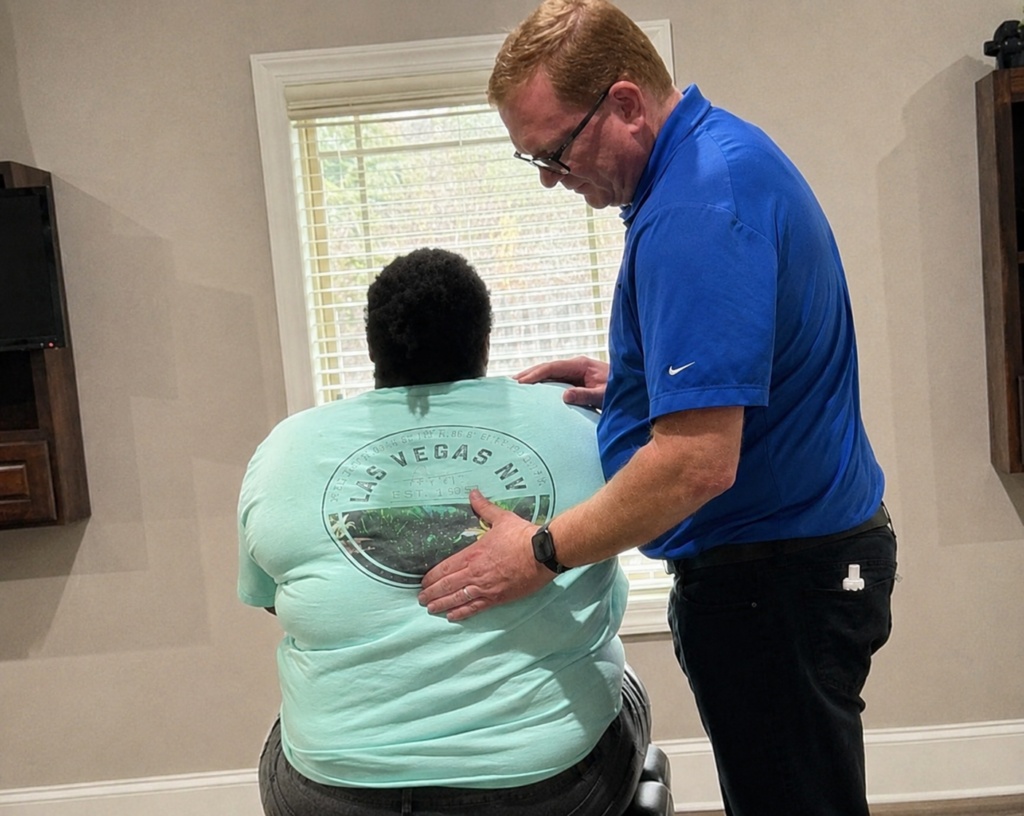

When you encounter a sports injury, the road to recovery can seem daunting. However, as a local chiropractor, I want to emphasize that understanding the right techniques can significantly impact your healing journey. Many individuals believe that rest is the sole solution, but there's so much more to consider. For instance, incorporating ice therapy, compression, and active recovery methods can keep you engaged and promote healing.
Nutrition plays a crucial role in your recovery as well—it directly affects how quickly your body can bounce back from an injury. By focusing on a balanced diet rich in anti-inflammatory foods, you can support your healing process.
In addition to physical techniques, mental strategies can greatly enhance your recovery experience. Visualization and positive affirmations can boost your mindset and motivate you throughout your healing journey.
Finally, I encourage you to explore innovative treatments that chiropractic care offers, such as spinal adjustments and soft tissue therapies. These methods can help alleviate pain, restore function, and expedite your return to peak performance. By combining these approaches, you can unlock a more effective recovery process and get back to doing what you love.
Understanding Sports Injuries
As a local chiropractor, I want to shed some light on the topic of sports injuries, which many athletes, both amateur and professional, encounter during their careers.
It's crucial to understand the nature of these injuries, especially if you're engaging in physical activities. Sports injuries can vary widely, from minor sprains and strains to more serious conditions, such as fractures or ligament tears. Each type of injury has distinct causes, symptoms, and recovery methods, so being informed can significantly impact your healing journey.
Often, sports injuries arise from overuse, improper technique, or inadequate warm-up routines. If you've ever experienced a sharp pain while playing or practicing, it's essential to pay attention to your body. Ignoring that discomfort can result in more severe problems later on.
Recognizing the signs and symptoms of an injury—such as swelling, bruising, or limited mobility—can empower you to make informed decisions about your next steps in seeking care.
Additionally, understanding the specific risk factors associated with your sport can help you take proactive measures. For example, athletes involved in high-impact sports may be more susceptible to knee injuries, while runners frequently encounter foot and ankle issues. Being aware of these vulnerabilities allows you to implement strategies to reduce your risk, like incorporating cross-training or strength training into your fitness regimen.
As a chiropractor, I emphasize the importance of natural healing and holistic approaches to recovery. By addressing the root causes of your injuries and focusing on proper alignment and overall wellness, you can enhance your performance and reduce the likelihood of future injuries.
Ultimately, being educated about sports injuries empowers you to take charge of your health and well-being, ensuring you can perform at your best.
Essential Recovery Techniques
As a local chiropractor, I want to share with you some essential recovery techniques that can help you heal from injuries and maintain optimal performance. Understanding and implementing the right strategies can't only speed up your recovery process but also reduce the risk of future injuries.
Here are four key techniques I recommend:
1. Rest and Sleep: It's vital to recognize the importance of rest in your healing journey. Your body requires adequate time to recover, and quality sleep is crucial as it promotes tissue repair and helps reduce inflammation. Aim for 7-9 hours of restorative sleep each night to support your healing.
2. Chiropractic Care: Working with a chiropractor can be incredibly beneficial. We offer personalized treatment plans that include spinal adjustments and exercises tailored to your specific needs. This hands-on approach enhances mobility, strengthens the affected area, and can significantly shorten your recovery time.
3. Ice and Compression: Utilizing ice on the injured area is an effective way to minimize swelling and alleviate pain. Pairing this with compression methods, such as elastic bandages, can help control inflammation.
Remember to apply ice for 15-20 minutes every few hours during the initial recovery phase to maximize its benefits.
4. Active Recovery: After receiving clearance from your healthcare provider, consider incorporating low-impact activities like swimming or cycling into your routine. Active recovery not only helps you maintain your fitness but also enhances blood circulation to the injured area, promoting faster healing.
By integrating these techniques into your recovery plan, you can harness the power of natural healing and chiropractic care to facilitate a smoother and more effective recovery.
Your body has an incredible ability to heal itself, and with the right support, you can get back to doing what you love in no time!
Role of Nutrition in Healing
As a local chiropractor, I want to emphasize that healing from sports injuries involves more than just physical adjustments; nutrition plays a crucial role in your recovery journey. When you're dealing with an injury, your body requires specific nutrients to repair tissues, reduce inflammation, and support overall healing. It's essential to prioritize a balanced diet that's abundant in vitamins, minerals, and proteins.
First and foremost, let's talk about the importance of protein. Protein is vital for muscle repair and growth. I recommend incorporating lean meats, fish, eggs, and plant-based sources like beans and lentils into your meals. Depending on the severity of your injury and your activity level, aim for about 1.2 to 2.0 grams of protein per kilogram of body weight.
Next, we can't overlook healthy fats. Omega-3 fatty acids, which are found in fish, walnuts, and flaxseeds, are particularly beneficial as they can help reduce inflammation and promote healing.
It's also important to include plenty of fruits and vegetables in your diet since they're rich in antioxidants that help combat oxidative stress in your body.
Hydration is another key component of your recovery. Water is essential for transporting nutrients to your cells and can also assist in reducing muscle soreness. Make sure you maintain high fluid intake, especially if you're taking anti-inflammatory medications or experiencing swelling.
Lastly, if you find that your diet is lacking in certain nutrients, consider supplements. Vitamins such as C, zinc, and magnesium can enhance your recovery process. However, before adding any supplements to your routine, I encourage you to consult with a healthcare professional to ensure they're safe and appropriate for you.
Innovative Treatment Options
As your local chiropractor, I want to share some innovative treatment options for sports injuries that may be unfamiliar to you. These methods not only support recovery but also enhance your overall performance, moving beyond traditional therapies.
With the latest advancements in technology and research, here are some exciting options that can help you on your healing journey:
- Cryotherapy: This technique involves exposing your body to extremely cold temperatures for a brief period. It's a fantastic way to reduce inflammation, alleviate pain, and accelerate your recovery after intense workouts or injuries. Many athletes find it particularly beneficial for post-exercise recovery.
- Platelet-Rich Plasma (PRP) Therapy: In this process, I'd draw a small sample of your blood, which is then processed to concentrate the platelets. This enriched plasma is injected back into the injured area, harnessing the growth factors that promote healing and tissue regeneration. It's gaining popularity among athletes for its effectiveness in treating various sports injuries.
- Stem Cell Therapy: While still considered experimental for some conditions, this cutting-edge approach uses your body's own stem cells to repair damaged tissues. It shows great potential in addressing chronic pain and injuries that haven't responded to more conventional treatments.
- Electrical Stimulation: This method employs electrical impulses to stimulate your muscles and nerves, enhancing recovery and reducing pain. It's particularly useful in rehabilitation settings, helping you regain strength and mobility after an injury.
These innovative options represent just a fraction of what chiropractic care and natural healing can offer.
Mental Strategies for Recovery
When it comes to recovering from sports injuries, your mindset is a crucial component in the healing process. As a local chiropractor, I want to emphasize how a positive attitude can significantly impact not only your emotional well-being but also your physical recovery.
Embracing a growth mindset allows you to see challenges as opportunities for improvement. Rather than concentrating on what you can't do, shift your focus towards what you can actively engage in during your recovery. This change in perspective can help maintain your motivation and keep you involved in the healing process.
Incorporating visualization techniques can also be incredibly beneficial. I encourage you to picture yourself fully healed and performing at your peak. Visualize the movements and sensations you experience in your sport. This practice not only elevates your mood but also strengthens your commitment to the recovery journey.
In conjunction with visualization, setting realistic and achievable goals is vital. Breaking your recovery into smaller milestones allows you to track your progress and celebrate each achievement along the way.
Mindfulness is another powerful tool in your recovery arsenal. Practicing mindfulness or meditation can help manage stress and anxiety, keeping your mind anchored in the present rather than worrying about what lies ahead.
Additionally, surrounding yourself with supportive individuals is essential. Share your recovery goals and milestones with friends, family, or teammates who can provide encouragement. Their support can enhance your confidence and hold you accountable throughout your healing process.
Lastly, it's important to practice patience with yourself. Recovery is a journey that requires time, and setbacks can happen along the way. Cultivating resilience and maintaining a positive outlook not only aids in your recovery but also prepares you for a stronger return to your sport.
As your chiropractor, I'm here to guide and support you through this process, helping you harness the power of your mind and body for optimal healing.
Conclusion
As a local chiropractor, I want to emphasize that recovering from sports injuries goes beyond just physical rehabilitation. It involves a holistic approach that integrates various techniques, nutrition, and mental strategies to support your healing journey. Understanding your specific injury is crucial, and together we can explore essential recovery methods tailored to your needs.
Nutrition plays a vital role in the healing process—it's important to fuel your body with the right foods that promote recovery and reduce inflammation. Additionally, I encourage you to consider innovative treatments, such as chiropractic adjustments, which can help realign your body and enhance overall function.
Staying motivated is key, and we can work on mental strategies that keep you focused on your recovery goals. With commitment and the right guidance, including chiropractic care, you can accelerate your healing and return to peak performance sooner than you think. Remember, I am here to support you every step of the way on your path to recovery.