
As a local chiropractor, I understand that encountering a sports injury can feel overwhelming, but I'm here to assure you that recovery doesn't have to be a daunting journey. One of the most crucial steps in healing is early intervention, and that's where chiropractic care can make a significant difference. By exploring various rehabilitation techniques, including manual adjustments and targeted therapies, we can enhance your healing process.
Combining these innovative therapies with proper nutrition is essential. Not only does it aid in your recovery, but it also helps to strengthen your body for the challenges ahead. As you consider these options, it's also important to recognize that your mindset plays a vital role in your recovery journey. What if embracing a positive attitude and mental strategies could unlock your full potential? Together, we can work towards not just healing your injury, but also empowering you for a healthier future.
Understanding Sports Injuries
As a local chiropractor, I want to emphasize the importance of understanding sports injuries, not just for prevention but also for effective recovery. Sports injuries can affect anyone, whether you're a seasoned athlete or a weekend warrior. They often arise from overuse, poor technique, or unexpected accidents. By recognizing the common types of injuries, such as sprains, strains, fractures, and tendonitis, you can take proactive steps to avoid them and promote your overall well-being.
To prevent injuries, it's crucial to prioritize proper warm-up and cool-down routines. Engaging in gentle stretches before and after physical activity can significantly lower your risk of sprains and strains. I encourage you to be attuned to your body's signals—if you experience pain or discomfort, it's vital to heed those warnings instead of pushing through.
Overtraining is a leading cause of injuries, so it's essential to balance your training regimen with sufficient rest and recovery time. Additionally, using appropriate equipment is key to injury prevention. Investing in quality footwear and protective gear designed for your specific sport can greatly reduce your risk of injury.
Don't underestimate the value of proper technique; working with a coach or an experienced athlete can help refine your skills and alleviate unnecessary strain on your body.
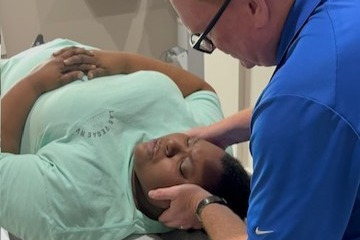
As a chiropractor, I believe in the body's natural ability to heal itself. Should you experience an injury, chiropractic care can play a vital role in your recovery process. Through adjustments and other natural healing methods, we can help restore balance and function to your body, ensuring you return to your favorite activities safely and effectively.
Importance of Early Intervention
As a local chiropractor, I want to emphasize how crucial early intervention can be in managing sports injuries. When you begin to feel pain or discomfort, it's essential to address it right away. Ignoring those initial warning signs can lead to more serious problems, potentially sidelining you for weeks or even months.
By seeking chiropractic care promptly, we can assess the nature and severity of your injury. As a trained professional, I can provide a thorough evaluation, offer a proper diagnosis, and recommend an effective treatment plan tailored to your needs. This may include natural healing techniques such as adjustments, exercises, and lifestyle recommendations that promote recovery. The sooner you reach out for help, the better your chances of returning to your sport without complications.
Another important aspect of early intervention is the prevention of further damage. If you continue to push through the pain, you risk exacerbating the injury, which can complicate the healing process. Addressing the issue early allows us to mitigate risks and protect your body, ensuring a more straightforward path to recovery.
Additionally, early intervention plays a significant role in your mental well-being. Knowing that you're taking proactive steps toward healing can alleviate anxiety and foster a more positive recovery experience. Instead of waiting for the injury to heal on its own, you're actively participating in your recovery, which can make all the difference in your overall outlook.
Rehabilitation Exercises
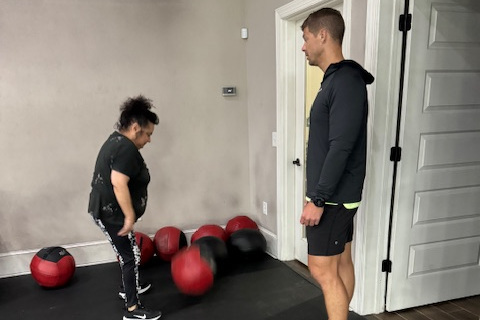
As a local chiropractor dedicated to your health and well-being, I want to emphasize the importance of rehabilitation exercises during your recovery from a sports injury.
These exercises are crucial not just for healing but for strengthening your core muscles, which play a vital role in your overall stability and movement.
Incorporating flexibility and mobility work into your routine can significantly enhance your recovery process, allowing your body to heal naturally and effectively.
By focusing on these areas, you not only support your injury recovery but also prepare your body to perform at its best, reducing the risk of future injuries.
Let's explore together how these specific rehabilitation exercises can help you regain strength and resilience, ultimately getting you back to your game stronger than ever.
Strengthening Core Muscles
As a local chiropractor, I want to emphasize the importance of strengthening your core muscles, especially during rehabilitation after a sports injury. A stable core is crucial because it supports your entire body during movement, helping to distribute forces evenly and reduce the risk of re-injury.
To get started, I recommend incorporating some fundamental exercises into your routine, such as planks, bridges, and bird-dogs. These exercises are excellent for engaging multiple muscle groups, which promotes stability and balance—key elements in your recovery process.
For planks, position your body in a straight line from head to heels, keeping your abdominal muscles tight. I suggest starting with a hold of 20-30 seconds and gradually increasing the duration as you become more comfortable.
Bridges are fantastic for targeting your glutes and lower back. Simply lie on your back with your knees bent, then lift your hips while squeezing your glutes at the top. Aim for 10-15 repetitions.
The bird-dog exercise involves balancing on your hands and knees while extending one arm and the opposite leg. Hold this position for a few seconds before switching sides, and aim to repeat this 10 times.
As you work on strengthening your core, it's essential to maintain proper form and execute controlled movements. Consistency is vital; I recommend performing these exercises at least three times a week. A strong core not only facilitates recovery but also enhances your overall athletic performance.
Flexibility and Mobility Work
As a local chiropractor, I want to emphasize the importance of a strong core as a foundation for effective rehabilitation. However, it's just as crucial to incorporate flexibility and mobility work into your routine for optimal healing. These exercises can significantly improve your range of motion, reduce stiffness, and promote enhanced blood flow to injured areas, all of which are essential for a smoother recovery.
To get started, I recommend integrating dynamic stretches that are tailored to your specific sport or daily activities. Simple movements like leg swings, arm circles, and torso twists are excellent for warming up your muscles and preparing them for more intensive activity.
After your workouts, don't overlook the importance of static stretching. Focus on areas that feel tight or limited, holding each stretch for at least 20-30 seconds to effectively release tension.
Mobility drills, such as hip openers and shoulder dislocates, are critical as well. These exercises enhance joint function and can help prevent injuries from occurring in the future. Consistency is vital—aim to practice these exercises daily, even if you only have a few minutes to spare.
Always listen to your body; if something doesn't feel right, it's important to adjust your routine. By prioritizing flexibility and mobility work, you'll not only support your rehabilitation process but also enhance your overall athletic performance over time.
Embrace these practices, and you'll likely see significant progress in your recovery journey. Remember, as your chiropractor, I'm here to guide you on this path to natural healing and improved health.
Innovative Therapy Techniques
As a local chiropractor, I want to share how innovative therapy techniques can significantly improve your recovery from sports injuries and enhance your overall performance. These methods offer a natural approach to healing, making them an excellent choice for athletes seeking effective solutions.
One of the most exciting advancements in recovery is cryotherapy. This technique involves exposing your body to extremely cold temperatures for brief periods, which can help reduce inflammation, alleviate pain, and accelerate your healing process. Many of my patients report feeling immediate relief as their muscles respond positively to the cold, making it a valuable tool in your recovery journey.
Another method I often recommend is electrical stimulation therapy. This approach uses gentle electrical impulses to stimulate your muscles, promoting better circulation and reducing muscle spasms. It's particularly beneficial during rehabilitation, helping you regain strength and mobility in the affected area.
In addition, I encourage you to explore myofascial release as part of your recovery routine. This hands-on technique focuses on loosening tight fascia, which can relieve tension and enhance your overall flexibility. Patients frequently find that myofascial release can be transformative, helping them restore their range of motion and feel more comfortable during physical activity.
Lastly, I want to highlight the benefits of regenerative medicine, specifically platelet-rich plasma (PRP) therapy. This innovative treatment involves injecting your own platelets into the injured area to promote healing at a cellular level. Many athletes have experienced remarkable improvements in their recovery timelines with PRP therapy, allowing them to return to their favorite activities more quickly.
Nutrition and Recovery
As a local chiropractor, I want to emphasize the critical role that nutrition plays in your recovery from a sports injury. Many people overlook how essential it's to focus on specific nutrients that aid in tissue repair.
It's not just about rest and rehabilitation; what you fuel your body with can significantly impact your healing journey.
Additionally, don't underestimate the importance of staying properly hydrated. Adequate hydration can enhance your recovery process by ensuring that your body functions optimally.
As we work together to align your spine and promote natural healing, remember that a balanced diet and hydration are key components in supporting your overall health and recovery.
Let's explore how you can incorporate these vital elements into your healing plan!
Essential Nutrients for Healing
As a local chiropractor, I want to share with you the vital role that essential nutrients play in your recovery from sports injuries. Understanding how your body heals is crucial, and proper nutrition is foundational for that healing process.
When you sustain an injury, your body requires an array of vitamins and minerals to repair tissues and ease inflammation. One of the most important nutrients is protein, which is key for muscle repair. I encourage you to incorporate lean meats, fish, eggs, or plant-based sources like beans and lentils into your meals to ensure you're getting enough protein.
Don't overlook the significance of vitamins C and E in your diet. Vitamin C is essential for collagen synthesis, which is crucial for healing tendons and ligaments. Meanwhile, vitamin E serves as an antioxidant, helping to combat oxidative stress that can hinder your recovery. To boost your intake of these vitamins, include fruits like oranges and berries, as well as nuts and seeds in your diet.
Additionally, minerals such as zinc and magnesium are vital for your healing journey. Zinc is known for supporting immune function and wound healing, while magnesium aids in muscle relaxation and overall recovery. Foods like spinach, nuts, and whole grains are excellent sources of these minerals.
Don't forget about healthy fats as well! Incorporating foods like avocados and olive oil can help reduce inflammation in your body. By focusing on these essential nutrients, you can create a balanced and nourishing diet that promotes healing and helps you return to your sport stronger than ever.
Hydration's Role in Recovery
As your local chiropractor, I want to emphasize the critical importance of hydration in your recovery process from sports injuries. Many people may not realize that when your body is dehydrated, your muscles and tissues struggle to function properly, which can significantly slow down your healing journey.
Water plays a vital role in transporting nutrients to your cells, flushing out harmful toxins, and keeping your joints lubricated—all essential components for effective recovery.
During your recovery phase, I encourage you to drink plenty of fluids, particularly water. If you've been sweating more than usual, you might want to incorporate beverages that help replenish electrolytes, such as sports drinks or coconut water.
It's important to remember that hydration goes beyond just drinking water; consuming water-rich foods, like fruits and vegetables, can also greatly contribute to your overall hydration levels.
Pay close attention to your body's signals. Common signs of dehydration include fatigue, dizziness, and dark urine. Make it a part of your daily routine to stay hydrated consistently—not just during exercise. This proactive approach ensures that your body is in optimal condition for healing.
Furthermore, adequate hydration can help minimize inflammation and muscle soreness, which can make your recovery process smoother and faster.
Mental Strategies for Healing
As a local chiropractor, I want to emphasize how crucial mental strategies are in the healing process, especially when recovering from sports injuries. Many people may not realize that your mindset can significantly influence your recovery timeline and overall well-being. Maintaining a positive outlook can keep you motivated and focused on your healing goals. By visualizing your recovery and picturing yourself back in action, you can cultivate a strong sense of determination that propels you forward in your healing journey.
In addition to positive thinking, practicing mindfulness is an incredibly effective approach. Techniques such as meditation or deep breathing exercises can help manage anxiety and build emotional resilience. By becoming more aware of your thoughts and feelings, you can better handle stress, which is essential during your recovery.
Setting realistic, achievable goals is another key component. I encourage you to break down your recovery process into smaller milestones that you can celebrate along the way. Whether it's regaining mobility or experiencing reduced pain, acknowledging these victories keeps you engaged and motivated, making the journey feel much more manageable.
Don't overlook the importance of social support during this time. Surround yourself with friends, family, or fellow athletes who understand what you're going through. Sharing your experiences and emotions can relieve stress and provide much-needed encouragement.
If you find yourself struggling with negative thoughts or feelings of isolation, I recommend seeking professional help. A sports psychologist or counselor can offer personalized guidance tailored to your unique situation.
Preventing Future Injuries
As your local chiropractor, I want to share some essential tips to help you prevent future injuries and promote natural healing. Incorporating proper training techniques and developing body awareness are crucial steps in safeguarding your physical well-being.
One of the simplest yet most effective practices you can adopt is to ensure you warm up adequately before each workout. Engaging in dynamic stretches increases blood flow to your muscles and prepares your body for the demands of physical activity.
Equally important is the cooldown phase. After your workouts, take time for static stretching; this helps maintain your flexibility and can significantly reduce muscle soreness.
Remember, your body is your best guide. If you experience pain or discomfort during any activity, it's vital to listen to those signals. Pushing through pain can lead to more severe injuries down the line, so take a moment to assess what might be causing the discomfort.
In addition to listening to your body, consider the benefits of cross-training. By engaging in various physical activities, you can build overall strength while minimizing repetitive strain on specific muscle groups. This approach not only enhances your performance but also promotes a more balanced physique.
Nutrition and hydration are also key components in injury prevention. A balanced diet provides the necessary fuel for your body and aids in recovery, while staying hydrated keeps your joints lubricated and functioning optimally.
Lastly, don't overlook the importance of rest. Allowing adequate recovery time is essential for preventing overuse injuries and supporting your body's natural healing processes.
Investing in proper gear, such as supportive shoes and protective equipment, can make a significant difference in your overall health. Regularly check your equipment for wear and tear, and replace it as needed to ensure your safety during physical activities.
Conclusion
As a local chiropractor, I want to share some insights on how to effectively recover from sports injuries using natural healing methods. It's essential to take a holistic approach to your recovery. This starts with early intervention; the sooner you address an injury, the better your chances of a successful recovery.
Incorporating targeted rehabilitation exercises tailored to your specific injury can significantly aid in your healing process. These exercises help strengthen the affected area and restore mobility. I also encourage exploring innovative therapies, such as chiropractic adjustments, which can promote healing by improving alignment and reducing pain.
Don't overlook the importance of proper nutrition and hydration. Your body needs the right fuel to repair itself, so focus on a balanced diet rich in vitamins and minerals. Additionally, maintaining a positive mindset plays a crucial role in your recovery journey. Mental well-being can enhance your physical healing.
By integrating these strategies, not only will you enhance your recovery, but you will also establish a solid foundation to prevent future injuries. Stay proactive with your health, and together, we can work towards getting you back in the game stronger and more resilient than ever.