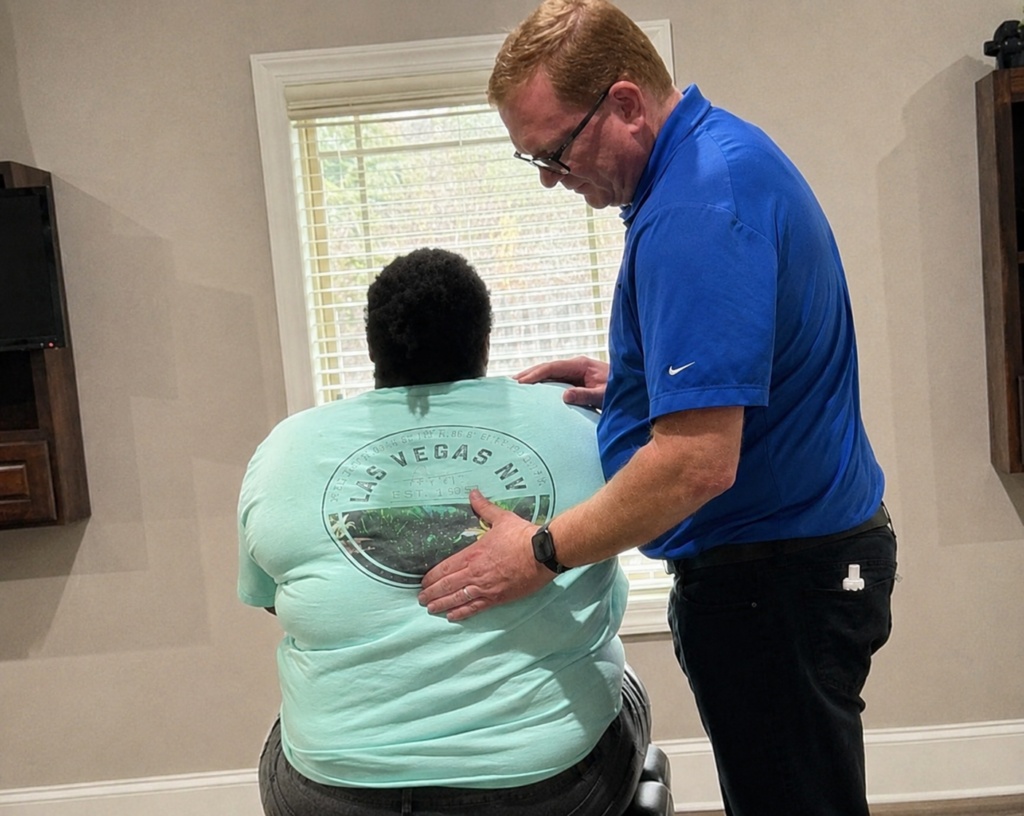

As a local chiropractor, I want to shed light on a common issue that many athletes face: back pain. You may not realize just how prevalent this discomfort is, but it can significantly affect both your performance and your enjoyment of the sport you love. Understanding the underlying causes of back pain and adopting effective strategies can be crucial for finding relief.
One of the first steps is to prioritize proper warm-ups before engaging in any physical activity. Additionally, strengthening your core is essential, as it provides the necessary support for your back. There are simple preventative measures that, when incorporated into your routine, can make a world of difference. Imagine being able to transform your approach to training and keep pain at bay—this is entirely possible!
At our practice, we focus on holistic and natural healing methods that can help alleviate back pain and enhance your overall well-being. By paying attention to these details, you can take proactive steps towards a healthier, pain-free athletic experience. Let's work together to unlock the relief you deserve.
Understanding Sports Back Pain
As a local chiropractor, I want to shed light on a common issue that many athletes face: sports back pain. Did you know that nearly 80% of athletes experience some form of back pain during their careers? This discomfort can range from mild aches to severe pain, which not only affects your performance but also diminishes your enjoyment of the sport you love. Understanding the nature of this pain is crucial for effective management and prevention.
Back pain in athletes can arise from various factors, such as overuse, improper technique, or insufficient conditioning. One important aspect that often goes unnoticed is the need for adequate rest and recovery after intense training sessions. Neglecting this can lead to muscle imbalances and strain, which frequently result in back pain.
When you engage in sports, your body is under constant physical stress. This can cause inflammation and micro-tears in the muscles and ligaments around your spine. It's essential to pay attention to your body and recognize when something feels off. Pushing through pain may seem tough, but it can worsen the condition and extend your recovery time.
Furthermore, your core strength is vital for maintaining spinal stability. Weak core muscles can struggle to support your spine during athletic movements, leading to discomfort and pain. Incorporating strength training and flexibility exercises that specifically target your core can greatly improve your overall well-being and performance.
As your chiropractor, I'm here to help you understand how natural healing methods can assist in alleviating sports back pain. By focusing on proper spinal alignment, strengthening your core, and encouraging recovery, we can work together to enhance your athletic journey and keep you doing what you love.
Common Causes of Back Pain
Back pain can arise from various sources, and as a local chiropractor, I want to help you understand how these factors might affect your well-being, especially if you're active in sports or exercise.
One of the most common causes of back pain is muscle strain. This often happens when individuals push their bodies too hard during training or competition. For instance, improper weight lifting techniques or repetitive motions without sufficient rest can lead to strain on your muscles. It's essential to listen to your body and ensure you're using the correct form to prevent injuries.
Another significant contributor to back pain is poor posture. Whether you're running, lifting, or sitting for extended periods, maintaining an improper posture can place undue stress on your back muscles and spine. If you're frequently hunched over or arching your back incorrectly, you may start to experience discomfort.
As a chiropractor, I focus on correcting alignment and posture to help alleviate this strain.
Injuries like herniated discs or sprains are also critical factors in back pain. These injuries can occur from sudden movements, awkward falls, or collisions during sports activities. If you've experienced any trauma, it's essential to pay close attention to your back, as untreated injuries can lead to persistent pain.
Chiropractic care can assist in the healing process and restore your body's natural alignment.
Overuse is another common issue, especially in sports that involve repetitive motions, such as swimming or tennis. You mightn't feel the strain immediately, but over time, it can lead to chronic back pain.
Regular chiropractic adjustments can help manage and prevent these issues by promoting proper movement and function in your body.
Lastly, inadequate core strength can significantly contribute to back problems. Your core muscles play a vital role in supporting your spine, and if they're weak, your back can endure extra stress.
Strengthening your core through specific exercises can alleviate some of this pressure, and chiropractic care can complement this by ensuring your spine is aligned and functioning correctly.
As your chiropractor, I'm here to guide you on your journey to better health and help you understand how natural healing can support your body's needs.
Together, we can work towards reducing your back pain and enhancing your overall well-being.
Importance of Proper Warm-Up
As a local chiropractor, I want to emphasize the significance of a proper warm-up for everyone, especially if you're new to chiropractic care and natural healing. Warming up isn't just a routine; it's a crucial step to preventing injuries and enhancing your performance in any physical activity.
When you commit to a warm-up routine, you elevate your heart rate, improve blood circulation, and increase your muscle temperature. This essential process prepares your body for the physical challenges ahead and significantly lowers the risk of strains or sprains, particularly in vulnerable areas like your back.
I understand that many might think warming up is a time-consuming task, but consider it an investment in your health. By taking the time to warm up, you can prevent longer recovery periods later on.
Including dynamic stretches and mobility exercises in your warm-up can greatly enhance your flexibility and range of motion—two vital components for optimal performance. You'll notice that your body operates more efficiently when it's adequately warmed up, allowing you to perform movements with greater ease and accuracy.
It's also important to listen to your body during your warm-up. If you encounter any tightness or discomfort, make sure to address those areas before proceeding with your main activity.
Paying special attention to your core, hips, and lower back during your warm-up can be particularly beneficial, as these regions often endure the most strain during physical exertion.
Strengthening Core Muscles
As a local chiropractor, I want to emphasize the importance of not only proper warm-up routines but also the critical role that strengthening your core muscles plays in preventing injuries and enhancing overall well-being.
Many patients may not realize that a strong core can significantly reduce back pain and improve athletic performance. Your core muscles support your spine, promote stability, and enable you to execute movements more effectively, ultimately minimizing your risk of injury.
Here are four essential exercises I recommend to help you strengthen your core:
- Planks: Start by holding a plank position for 30 seconds to a minute. Keep your body straight from head to heels. This exercise engages multiple core muscles, providing a solid foundation for your spine.
- Russian Twists: Sit on the ground and lean back slightly. Twist your torso from side to side while holding a weight or medicine ball. This movement targets your obliques and enhances your rotational strength, which is vital for many physical activities.
- Bird-Dogs: Begin on all fours and extend one arm and the opposite leg simultaneously, then switch sides. This exercise not only strengthens your core but also improves stability and coordination, which are essential for injury prevention.
- Dead Bugs: Lie on your back with your arms extended toward the ceiling and knees bent at 90 degrees. Slowly lower one arm and the opposite leg, then return to the starting position. This movement engages your deep core muscles, which play a crucial role in spinal support.
Incorporating these exercises into your routine can help build a robust core, reducing strain on your back and enhancing your overall athletic capabilities.
Remember that consistency is key; by sticking with these exercises, you can improve your strength and reduce the risk of injury.
As your chiropractor, I encourage you to prioritize your core health as part of your journey toward better overall wellness.
Stretching Techniques for Relief
As a local chiropractor, I want to share some effective stretching techniques that can help you find relief from sports-related back pain. Many people don't realize that stretching can't only improve flexibility but also alleviate muscle tension that contributes to discomfort.
Let's explore some gentle stretches that focus on the back, hips, and hamstrings.
One of my favorite stretches is the Cat-Cow stretch. To do this, get on your hands and knees, making sure your wrists are under your shoulders. Inhale deeply as you arch your back, allowing your belly to drop towards the ground (this is the Cow position). Then, exhale as you round your spine, tucking your chin to your chest (the Cat position). I recommend repeating this sequence for about 10 cycles to help loosen up your back.
Another stretch I often suggest is the Child's Pose. Kneel down, sit back on your heels, and stretch your arms forward on the ground. This pose is fantastic for elongating your spine and relaxing your back muscles. Aim to hold this position for at least 30 seconds while breathing deeply.
The Seated Forward Bend is also a great addition to your routine. Sit on the floor with your legs extended in front of you. Inhale and raise your arms overhead, then exhale as you bend forward to reach for your toes. This stretch is particularly beneficial for your lower back and hamstrings, promoting overall flexibility.
I encourage you to incorporate these stretches into both your warm-up and cool-down routines. It's important to listen to your body and avoid pushing yourself into pain.
Consistency is crucial, so try to stretch at least three times a week. By adopting these techniques, not only can you relieve existing pain, but you can also help prevent future discomfort.
Posture and Ergonomics
As a local chiropractor, I want to emphasize the importance of good posture and ergonomic practices in preventing sports-related back pain. Many people are unaware of how proper alignment and body support can significantly reduce strain on your back muscles and spine during physical activities.
Here are some essential tips to improve your posture and ergonomics:
- Align Your Spine: It's crucial to keep your spine in a neutral position, whether you're sitting, standing, or moving. Imagine a straight line from your ears through your shoulders to your hips. Avoid slumping or leaning forward, as this can lead to discomfort and pain.
- Use Supportive Equipment: Consider investing in ergonomic sports gear, such as shoes that offer excellent arch support. If your sport requires specific equipment, ensure it's properly fitted to your body. This can help minimize strain and enhance your performance.
- Adjust Your Workspace: If you're training or working at a desk, make adjustments to your chair and computer setup. Your feet should rest flat on the floor, and your screen should be at eye level. This simple change can help prevent neck strain and promote better posture throughout your day.
- Be Mindful of Movements: When lifting weights or participating in sports, remember to use your legs, not your back. Bend at the knees and keep the load close to your body. This technique helps distribute weight evenly and reduces the risk of injury.
By incorporating these tips into your routine, you can help protect your back and maintain a healthier, more active lifestyle.
If you're experiencing any discomfort or have questions about your posture, don't hesitate to reach out for guidance. As a chiropractor, I'm here to help you on your journey to natural healing and overall wellness.
Recovery Strategies After Activity
As a local chiropractor, I want to emphasize the importance of recovery after intense workouts or competitive events. Many people overlook this vital aspect, but having a solid recovery routine is crucial for your body to heal and perform at its best.
First and foremost, hydration is key. After exercising, your body loses fluids, which need to be replenished to aid muscle recovery. I recommend drinking plenty of water or an electrolyte-rich beverage right after your activity to support your muscles effectively.
Next, let's talk about nutrition. Consuming a balanced meal or snack that's rich in protein and carbohydrates within 30 minutes post-exercise is essential. This nutrient-rich intake helps fuel muscle repair and restores glycogen stores. For example, Greek yogurt paired with some fruit or a protein shake with a banana can work wonders for your recovery.
Don't forget the importance of stretching! Gentle static stretches can enhance your flexibility and reduce muscle tightness. I suggest focusing on areas like your back, legs, and hips, holding each stretch for 15-30 seconds. This practice promotes blood flow to your muscles and aids in recovery.
Additionally, consider incorporating foam rolling or self-myofascial release into your routine. Spending a few minutes rolling out sore areas can relieve tension and enhance circulation. It's an excellent way to prevent stiffness and promote overall muscle health.
Lastly, prioritize rest. Your body needs time to heal, so it's crucial to listen to what it's telling you. Ensure you get a good night's sleep and consider engaging in lighter activities, such as walking or yoga, in the days following intense workouts. This keeps you moving without overexerting yourself, allowing your body to recover naturally.
When to Seek Professional Help
As a local chiropractor, I want to emphasize the importance of paying attention to your body, especially when it comes to back pain.
If you're dealing with discomfort that lasts more than a few days, it may be time to consider seeking professional assistance. Symptoms such as sharp pain or numbness should never be overlooked, as they could signify underlying issues that require attention.
Chiropractic care focuses on natural healing and restoring balance to your body.
If your pain is affecting your daily activities or performance, consulting with a chiropractor can provide you with personalized treatment options.
We're here to help you understand the root cause of your pain and guide you on the path to recovery, allowing you to regain your well-being and get back to doing what you love.
Persistent Pain Duration
As a local chiropractor, I understand that experiencing persistent pain can be particularly discouraging, especially for those who lead an active lifestyle. Many athletes often grapple with the question of when to seek professional help, and I'm here to provide some clarity on this matter.
It's essential to recognize the signs that indicate it may be time to consult a healthcare provider, particularly a chiropractor. Here are four key indicators to consider:
- Duration: If your pain has lasted longer than a few days without any signs of improvement, it's crucial to reach out for assistance. Prolonged pain can indicate an underlying issue that needs to be addressed.
- Intensity: Should your pain escalate in severity to the point where it disrupts your daily activities or training regimen, it's time to get a thorough evaluation. Pain that intensifies can be a signal that your body needs professional attention.
- Mobility Issues: If you're struggling to move freely or perform basic tasks due to discomfort, this could point to a more serious condition that requires intervention. A chiropractor can help assess and improve your range of motion.
- No Response to Home Remedies: If you've tried rest, ice, and over-the-counter medications without finding relief, it's important to seek professional guidance. Chiropractic care focuses on natural healing and can provide alternative solutions to pain management.
Ignoring persistent pain can lead to more severe injuries over time. Your body is communicating with you, and it's important to listen to those signals.
Trust your instincts—if something doesn't feel right, don't hesitate to reach out for a professional opinion. As a chiropractor, I'm here to support you on your journey to recovery and help you regain your strength and mobility naturally.
Severe Symptoms Present
As a local chiropractor, I want to emphasize the importance of recognizing severe symptoms and knowing when to seek professional help for your health and well-being. If you're experiencing intense pain that doesn't improve with rest or over-the-counter medications, it's essential to consult a healthcare provider, such as a chiropractor, who can assess your condition and guide you toward natural healing options.
Don't overlook signs like numbness, tingling, or weakness in your legs; these may indicate nerve involvement and shouldn't be ignored. Such symptoms can often be effectively addressed through chiropractic care, which focuses on restoring proper alignment and function to your spine and nervous system.
If your pain radiates down your leg or is accompanied by bowel or bladder issues, it's crucial to seek immediate medical attention. These signs can point to serious conditions that require prompt intervention and could benefit from a holistic approach.
Pay close attention to any changes in your posture or difficulty standing up straight; these may signify underlying issues that chiropractic adjustments can help correct. Additionally, if you notice swelling, fever, or unintentional weight loss alongside your back pain, don't hesitate to reach out for professional guidance.
Lastly, if your pain is interfering with your daily activities or preventing you from enjoying sports, it's important to get a comprehensive evaluation. Early chiropractic intervention can prevent more severe complications and help you return to your normal routine more quickly.
Your health is a priority, so trust your instincts and consider reaching out for support in your journey toward natural healing.
Impact on Performance
As a local chiropractor, I often see athletes who underestimate the significant impact back pain can have on their performance.
It's common to think you can simply push through the discomfort, but ignoring these signals can lead to more serious problems down the road. Understanding when to seek professional help is crucial for anyone looking to maintain their athletic career.
Here are four important signs that indicate it's time to consult a healthcare professional like myself:
- Persistent Pain: If your back pain lasts for more than a few days, this is a clear indicator that something may be wrong and shouldn't be ignored.
- Radiating Symptoms: Experiencing pain that travels down your legs or causes numbness could mean that nerves are involved. This is a sign that you should seek help promptly.
- Difficulty with Movement: If you find that bending, twisting, or lifting is becoming increasingly difficult, it's important to get a professional assessment.
- Impact on Training: If you notice a decline in your performance—whether it's reduced strength, speed, or endurance—this is a critical warning sign that you need to address the underlying issue.
Don't let back pain hinder your progress or prevent you from reaching your goals.
Seeking early intervention can help avoid further complications and get you back to your activities more quickly.
Remember, your health should always come first, and taking care of your back is vital for achieving peak performance.
As a chiropractor, I'm here to help you understand and embrace natural healing to keep you performing at your best.
Preventative Measures for Athletes
As a local chiropractor, I want to share some valuable insights on preventing back pain, especially for athletes.
It's essential to prioritize proper warm-up techniques before every practice or game. This helps prepare your muscles and spine for the demands of physical activity.
Additionally, incorporating core strengthening exercises into your routine plays a crucial role in supporting your spine and enhancing your overall stability.
By focusing on these practices, you can significantly lower your risk of injury and keep your body in peak condition.
Proper Warm-Up Techniques
As your local chiropractor, I want to emphasize the importance of proper warm-up techniques to prevent sports-related back pain. Many people aren't aware that a good warm-up is crucial for preparing your muscles and joints, increasing blood flow, and enhancing flexibility.
This proactive approach can significantly reduce the risk of injury during physical activity. Here are four essential warm-up techniques I recommend incorporating into your routine:
- Dynamic Stretching: Start with movements that replicate the actions of your sport, such as leg swings and arm circles. This not only activates the specific muscles you'll be using but also prepares your body for the physical demands ahead.
- Light Aerobic Activity: Engaging in 5-10 minutes of light jogging or skipping can elevate your heart rate and gradually warm up your entire body. This is a great way to get your blood circulating and your muscles ready for action.
- Targeted Back Mobility Exercises: Incorporate gentle twisting and bending motions to mobilize your spine. These exercises can help improve your range of motion and alleviate stiffness, making your back feel more resilient during play.
- Gradual Intensity Build-Up: When you begin your practice or game, start at a lower intensity. Gradually ramp up your effort to give your back and body the chance to adjust to the activity's demands, reducing the risk of strain.
By following these warm-up techniques, you'll not only enhance your performance but also protect your back and overall well-being.
Core Strengthening Exercises
As a local chiropractor, I want to emphasize the importance of core strengthening exercises in maintaining a healthy spine and preventing sports-related back pain. A strong core acts as a stabilizer for your spine and pelvis, which is crucial for optimal movement in any athletic activity.
Incorporating exercises like planks, bridges, and Russian twists into your routine can significantly enhance your overall strength and balance.
When performing planks, focus on keeping a straight line from your head to your heels, holding this position for 30 seconds to a minute. Bridges are another great exercise that activates your glutes and lower back, so be sure to include them. I recommend aiming for three sets of 10 to 15 repetitions for bridges.
Russian twists are particularly beneficial for developing your rotational strength, an essential component for many sports, so don't overlook these in your workouts.
Consistency is important; I encourage you to engage in core workouts at least two to three times a week. As you strengthen your core, you'll likely experience improved stability and a reduced risk of injury.
Always prioritize proper form and breathing techniques during these exercises. Additionally, maintaining engagement of your core throughout all daily movements—not just during your designated workout sessions—can greatly contribute to your overall well-being.
By incorporating these practices into your routine, you're taking proactive steps toward a pain-free and enjoyable athletic experience.
Long-Term Management Solutions
Many athletes experience lingering back pain long after the initial injury has healed. As a local chiropractor, I want to emphasize the importance of effective long-term management solutions that can help alleviate this discomfort and enhance your overall quality of life and athletic performance.
Here are four essential strategies I recommend considering:
- Regular Stretching: It's crucial to incorporate daily stretching into your routine. Focus on areas such as your hamstrings, hip flexors, and lower back. This can greatly enhance your flexibility and reduce muscle tension, which are key to maintaining a healthy spine.
- Weight Management: Keeping your weight within a healthy range is essential for minimizing strain on your back. By following a balanced diet and engaging in regular cardiovascular exercise, you can support your overall spinal health and reduce the risk of future injuries.
- Posture Awareness: Being mindful of your posture throughout the day, especially during training and competition, can make a significant difference. Utilizing ergonomic equipment and consciously maintaining a straight back can help prevent unnecessary stress on your spine.
- Consistent Chiropractic Care: Regular visits to a chiropractor can assist you in maintaining proper movement patterns, strengthening your back, and preventing future injuries. We can design a personalized care program tailored to your specific needs, ensuring you stay on the path to recovery and optimal performance.
Don't suffer in silence—taking proactive steps toward your health can lead to significant improvements.
Embrace a holistic approach to healing and wellness through chiropractic care.
Conclusion
As a local chiropractor, I want to share some important insights on how to alleviate sports-related back pain through natural healing methods. First and foremost, taking proactive steps is essential. This means prioritizing proper warm-ups before engaging in any physical activity—this prepares your body and helps prevent injuries.
Strengthening your core is another vital component. A strong core supports your spine and promotes better posture, which can significantly reduce the risk of back pain. Additionally, incorporating effective stretching techniques into your routine can enhance flexibility and alleviate tension in your muscles.
Listening to your body is crucial as well. If you experience discomfort, allow time for recovery, which should include proper hydration and balanced nutrition to support your healing process.
If you find that your pain persists despite these self-care strategies, I encourage you to seek professional help, such as chiropractic care. We can work together to identify the underlying causes of your pain and develop a personalized treatment plan that focuses on natural healing methods.
With these strategies in mind, you'll be on the path to enjoying an active lifestyle free from pain. Remember, taking care of your body is an investment in your long-term health and well-being.