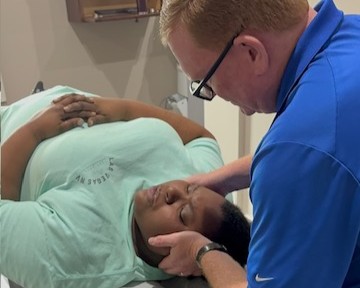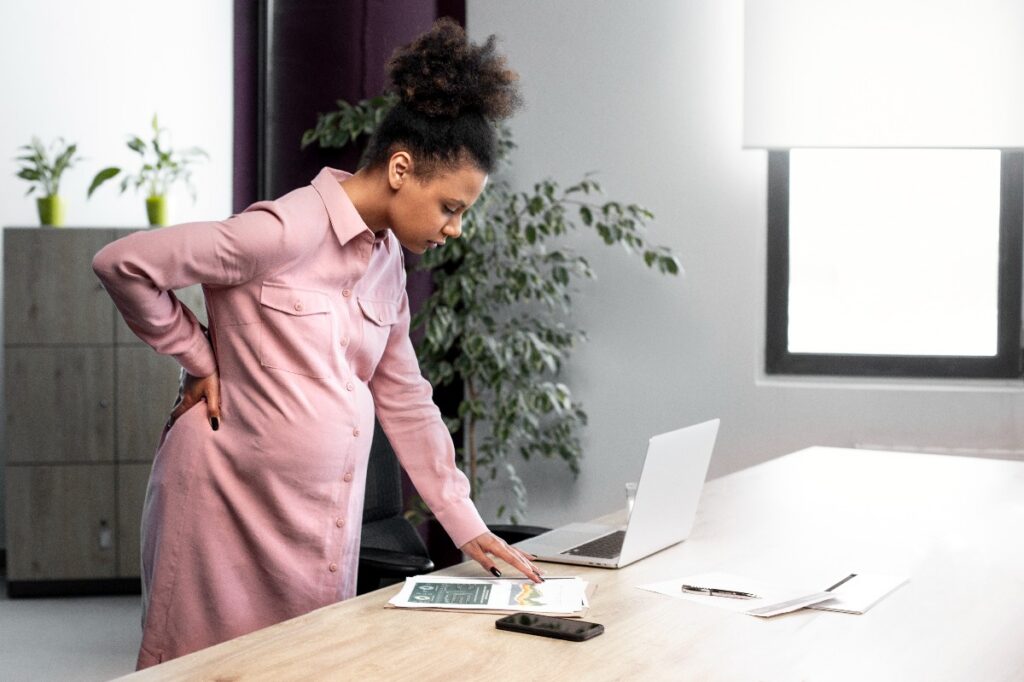

As a local chiropractor, I understand that many expectant mothers may experience back pain during pregnancy and may not be familiar with how chiropractic adjustments can help. These specialized techniques are designed to alleviate discomfort and improve spinal alignment as your body undergoes significant changes.
During pregnancy, your body produces hormones that relax ligaments, and your center of gravity shifts, leading to increased strain on your back. I use safe, gentle methods specifically tailored for pregnant patients, focusing on relieving pressure on your spine and enhancing your overall mobility.
It's important to understand that chiropractic adjustments can play a vital role in your comfort and well-being during this special time. However, there are also complementary measures you can take to support your health throughout your pregnancy. These may include exercises to strengthen your core, proper posture awareness, and the use of supportive pillows during sleep.
If you're curious about how these adjustments and supportive measures can contribute to a healthier pregnancy experience, I'm here to guide you every step of the way. Let's work together to ensure your comfort and health during this incredible journey.
Understanding Prenatal Back Pain
As a chiropractor, I often see expectant mothers struggling with prenatal back pain, and I want to share some insights on the causes and how you can manage this discomfort naturally.
During pregnancy, your body undergoes significant changes, including hormonal fluctuations and the added weight of your growing baby. One hormone in particular, relaxin, plays a crucial role in preparing your body for childbirth by loosening ligaments. While this is beneficial for labor, it can also lead to instability in your spine and discomfort in your back.
As your belly expands, your center of gravity shifts, placing extra strain on your back muscles and spine. This is where chiropractic care can be incredibly helpful. Our focus is on aligning your spine and supporting your body's natural healing processes.
To manage prenatal back pain effectively, I recommend staying active with gentle exercises such as walking or swimming. These activities can help strengthen your back and core muscles, providing essential support.
Incorporating prenatal yoga into your routine is also highly beneficial. It promotes flexibility, relaxation, and targets areas that may hold tension.
Listening to your body is key. If you start to feel discomfort, it's important to rest and allow your body to recuperate. Additionally, proper support is vital. A supportive maternity belt can help distribute the weight of your belly more evenly, alleviating pressure on your back.
When sitting, opt for a chair with good lumbar support or use a cushion behind your lower back. If you need to stand for long periods, remember to shift your weight from one foot to the other to reduce strain.
Lastly, consider using heat therapy as a way to soothe sore muscles. Applying a warm compress to your back can provide relief and comfort.
While it's normal to experience some discomfort during pregnancy, these strategies, along with chiropractic adjustments, can help you manage pain and enhance your overall well-being throughout this beautiful journey into motherhood.
Importance of Proper Posture
As a chiropractor, I want to emphasize the importance of maintaining proper posture during pregnancy, not just for comfort but for overall health. As your pregnancy progresses and your belly grows, your center of gravity shifts, which can lead to increased strain on your muscles and spine. By focusing on your posture, you can help distribute your weight evenly, alleviating pressure on your spine and surrounding muscles.
To start, I recommend standing tall with your shoulders back and relaxed. Position your feet hip-width apart and ensure your weight is evenly distributed on both feet. Engaging your core muscles can provide essential stability and support during this time of change.
When sitting, opt for a chair that provides proper back support—your feet should rest flat on the floor with your knees at a right angle. If you catch yourself slouching, take a moment to realign your posture and adjust your seating position.
Also, consider the way you sleep. Using a pillow between your knees can help maintain spinal alignment, which is crucial for relieving pressure on your lower back and hips.
It's important to stay mindful of your posture throughout the day, whether you're walking, standing, or sitting. Regularly checking in with your body and making necessary adjustments can significantly improve your comfort and prevent pain.
As a chiropractor, I believe that understanding and practicing good posture is a vital aspect of natural healing. If you have any questions or need personalized advice, feel free to reach out. Your health and well-being are my top priority!
Safe Exercise Options
As a local chiropractor, I want to emphasize the importance of safe exercise options when it comes to managing prenatal back pain.
Gentle stretching techniques, low-impact aerobic activities, and core muscle strengthening are excellent ways to remain active without putting unnecessary strain on your body.
These methods not only promote flexibility and strength but also support overall wellness during your pregnancy.
Let's take a closer look at these options so we can discover what works best for you, enhancing your comfort and well-being naturally.
Gentle Stretching Techniques
As a local chiropractor, I want to share some gentle stretching techniques that can provide significant relief for prenatal back pain.
These methods aren't only safe but also effective for expectant mothers looking to enhance their comfort during this special time.
Let's start with a simple seated forward bend. Find a sturdy chair and sit at the edge with your legs comfortably apart.
Gently lean forward, allowing your arms to dangle towards the floor. Take a few deep breaths in this position to help release any tightness in your lower back.
Another excellent stretch to consider is the cat-cow stretch. Begin by getting on your hands and knees, ensuring your wrists are aligned under your shoulders and your knees under your hips.
Inhale deeply as you arch your back (like a cow), then exhale as you round it (like a cat). Flow through this movement several times to promote relief and enhance your mobility.
Lastly, let's incorporate a side stretch. Stand tall with your feet hip-width apart, reach your right arm overhead, and lean gently to the left side.
Hold this position for a few breaths, then switch sides. These gentle stretches are designed to alleviate back pain and encourage relaxation throughout your pregnancy journey.
Remember, incorporating these stretches into your routine can greatly improve your overall well-being during pregnancy.
If you have any questions or need further guidance, feel free to reach out!
Low-Impact Aerobic Activities
As a local chiropractor, I understand the importance of staying active during pregnancy, especially for expectant mothers who may be experiencing prenatal back pain. Low-impact aerobic activities are an excellent way to maintain your fitness, enhance your well-being, and manage discomfort without putting undue strain on your body.
Here are some safe low-impact activities that I recommend:
- Walking: This is one of the easiest and most effective ways to stay active. Whether you're taking a leisurely stroll around your neighborhood or using a treadmill, walking promotes circulation and keeps your body engaged.
- Swimming: The buoyancy of water can be incredibly beneficial during pregnancy. It alleviates pressure on your joints and spine, providing a refreshing workout that can help relieve pain.
- Cycling: Stationary biking offers a wonderful way to improve cardiovascular health while ensuring your body remains stable and supported. This can be a gentle yet effective workout option.
- Prenatal Aerobics: Consider joining specialized classes designed specifically for pregnant women. These classes focus on safe movements that promote fitness while prioritizing your safety and comfort.
As you explore these activities, it's essential to listen to your body and consult with your healthcare provider before starting any new exercise routine.
Incorporating these low-impact exercises can't only help relieve back pain but also contribute to a healthier pregnancy.
Strengthening Core Muscles
As a chiropractor, I want to emphasize the importance of strengthening your core muscles during pregnancy. This is especially crucial for alleviating prenatal back pain and supporting your body's natural changes as your baby grows. A strong core acts as a stabilizer for your pelvis and spine, which can significantly reduce the strain on your back as your belly expands.
When it comes to safely strengthening your core, there are several effective exercises to consider. For instance, pelvic tilts can be performed either on your hands and knees or while lying on your back with your knees bent. This exercise helps engage your abdominal muscles while providing relief to your back.
Another beneficial exercise is the cat-cow stretch, which promotes both flexibility and core strength. Begin on your hands and knees, arch your back upwards (like a scared cat), and then dip it downwards while lifting your head. This movement not only strengthens your core but also enhances spinal flexibility.
Lastly, modified planks are an excellent way to engage your core without excessive strain. You can perform these with your knees on the ground, allowing you to build strength while keeping your body safe.
Always remember to listen to your body; if something doesn't feel right, stop immediately. It's crucial to consult with your healthcare provider before starting any new exercise regimen, especially during pregnancy.
Stretching Techniques
As a local chiropractor, I want to share some insights on managing prenatal back pain through natural methods.
One effective approach is incorporating gentle stretching exercises into your routine. These stretches can help alleviate discomfort and enhance your overall flexibility.
Additionally, we can explore targeted muscle release techniques that specifically address tension in certain areas of your back. By integrating these practices, you can experience increased comfort and support during your pregnancy, promoting both your well-being and that of your baby.
Understanding these natural healing techniques can empower you to take charge of your health during this special time.
Gentle Stretching Exercises
As a local chiropractor, I often see expectant mothers seeking relief from prenatal back pain. Gentle stretching exercises can be a wonderful, natural way to alleviate discomfort and support your body as it undergoes significant changes during pregnancy.
These stretches help maintain flexibility and reduce tension in your back muscles, promoting overall well-being. It's essential to listen to your body and engage in stretches that feel right for you.
Here are some gentle stretching exercises that I recommend:
- Cat-Cow Stretch: Position yourself on your hands and knees. As you inhale, arch your back, and as you exhale, round it. This movement encourages spinal flexibility and can ease tension in your back.
- Child's Pose: Kneel and sit back on your heels while stretching your arms forward on the ground. This restorative position can help release tension in your lower back and promote relaxation.
- Seated Forward Bend: While sitting with your legs extended, take a deep breath in to lengthen your spine, then gently lean forward as you exhale. This stretch is excellent for targeting your hamstrings and lower back.
- Side Stretch: Whether standing or seated, reach one arm overhead and lean to the opposite side. This stretch opens up your side body and can help alleviate back discomfort.
Incorporating these stretches into your daily routine can significantly support your back health throughout your pregnancy.
However, it's always a good idea to consult with your healthcare provider before starting any new exercise program, especially when you're expecting.
Targeted Muscle Release Techniques
As a local chiropractor, I want to share some valuable insights about how targeted muscle release techniques can significantly enhance your comfort during pregnancy. While gentle stretching exercises are beneficial, these specialized techniques zero in on specific muscle groups that often carry tension, effectively alleviating discomfort in your back and surrounding areas.
One highly effective method we recommend is myofascial release. This technique involves using tools like a foam roller or a tennis ball to apply gentle pressure to tight muscles. For example, you can place a tennis ball between your back and a wall, rolling gently to discover areas of tenderness. By holding pressure on these tender spots for about 20-30 seconds, you can effectively release muscle tightness.
Another approach combines deep breathing with stretching. When you inhale, focus on expanding your abdomen and ribcage. As you exhale, visualize the tension dissipating from your muscles. This practice not only helps relieve physical tension but also fosters a sense of relaxation.
I also encourage you to explore the option of working with a prenatal massage therapist who specializes in muscle release techniques. They can target specific areas of discomfort, ensuring you receive the maximum benefit.
However, it's crucial to consult with your healthcare provider before trying any new techniques to ensure they're safe for your pregnancy. Remember, prioritizing your comfort is essential for enjoying this special journey.
Using Supportive Gear
As a local chiropractor, I want to share with you how supportive gear can be a game changer for those dealing with prenatal back pain. During pregnancy, your body goes through significant transformations, which can lead to discomfort and strain in your back. By integrating the right supportive gear into your daily life, you can alleviate some of that pain and enjoy more freedom of movement.
Here are several types of supportive gear that I recommend for expectant mothers:
- Maternity Support Belts: These belts are designed to help distribute the weight of your growing belly evenly, which can significantly reduce pressure on your back and hips. They can be particularly beneficial during your second and third trimesters.
- Supportive Shoes: It's essential to invest in shoes that provide adequate arch support and cushioning. The right footwear can minimize the impact on your back and improve your overall balance, which is especially important as your center of gravity shifts.
- Pregnancy Pillows: Specially designed pillows can enhance your sleep quality by offering extra support and promoting better spinal alignment. This can help reduce back strain and improve your rest during this important time.
- Compression Garments: These garments can aid in improving circulation and providing additional support to your lower back, particularly during physical activities. They can be a great adjunct to your chiropractic care.
Incorporating these supportive items into your routine can greatly enhance your comfort. It's crucial to choose gear that fits well and addresses your specific needs.
Always consult with your healthcare provider, including your chiropractor, before trying new products to ensure they're safe and effective for your situation.
By utilizing these supportive options, you can manage your prenatal back pain more effectively, allowing you to embrace your pregnancy journey with more ease and confidence.
Heat and Cold Therapy
As a local chiropractor, I want to share some valuable insights about managing prenatal back pain through heat and cold therapy. Many expectant mothers experience discomfort in their backs, and understanding how to use these therapies can significantly enhance your comfort levels.
Heat therapy is excellent for easing tight and tense muscles. It works by increasing blood flow to the area, promoting relaxation and helping to alleviate discomfort.
On the other hand, cold therapy is effective for reducing inflammation and numbing sharp pain that may arise during pregnancy. It constricts blood vessels, which can help minimize swelling and provide relief from acute pain.
Knowing when to apply heat and when to use cold can really make a difference in your overall well-being.
If you're ever unsure about how to incorporate these therapies into your routine or have questions about your specific condition, feel free to reach out. As part of my practice, I'm here to guide you on your journey to natural healing and comfort during your pregnancy.
Benefits of Heat Therapy
As a local chiropractor, I want to share with you the incredible benefits of heat therapy, especially for managing prenatal back pain. Many women experience discomfort during pregnancy, and applying heat to your lower back can be a simple yet effective way to find relief.
By increasing blood flow to the affected area, heat therapy helps deliver essential nutrients and oxygen while aiding in the removal of waste products. Here are some key advantages of incorporating heat therapy into your routine:
- Pain Relief: Heat therapy effectively alleviates muscle tension and reduces pain sensations, allowing you to carry on with your daily activities with greater ease.
- Improved Flexibility: When your muscles are warmed up, they become more pliable, which can enhance your mobility and make tasks feel less daunting.
- Stress Reduction: The gentle warmth from a heating pad or a warm bath creates a calming atmosphere, promoting relaxation and helping you unwind from the stresses of the day.
- Convenience: Heat therapy is easy to integrate into your lifestyle. Whether you're at home or work, you can use heating pads, hot water bottles, or warm towels to provide comfort whenever you need it.
It's important to listen to your body and ensure the heat is at a comfortable level.
As you navigate your pregnancy, heat therapy can be a valuable tool for providing relief and making your journey a bit more comfortable. If you have any questions about incorporating heat therapy or other natural healing methods into your care, feel free to reach out!
Cold Therapy Techniques
As a local chiropractor, I want to share how cold therapy can be an effective tool in managing prenatal back pain, alongside other natural healing techniques.
While many people are familiar with heat therapy, cold therapy also plays a crucial role in alleviating discomfort. It works by reducing inflammation, numbing sharp pain, and easing muscle spasms. When you apply cold to an area, it constricts blood vessels, which helps to diminish swelling and alleviate pain in your back.
To utilize cold therapy effectively, consider using ice packs or cold compresses. It's important to wrap the pack in a thin cloth to protect your skin from direct contact, then apply it to the affected area for about 15-20 minutes. You can repeat this process several times throughout the day, but be sure to take breaks between applications to prevent frostbite.
Another convenient option is a bag of frozen vegetables, which can conform to the shape of your back and provide a soothing cooling effect. You might also find cold gel packs specifically designed for this purpose very helpful.
If you're looking for something more versatile, a cold therapy wrap can be an excellent choice, as it can stay in place while allowing you to move around comfortably.
Incorporating cold therapy into your pain management strategy can greatly enhance your overall comfort during pregnancy.
If you have any questions or want to learn more about how chiropractic care can support your journey, feel free to reach out!
When to Use Each
As a local chiropractor, my goal is to help you understand how to manage prenatal back pain effectively using natural healing methods like heat and cold therapy. Each technique has its own unique benefits that can provide relief based on your specific symptoms and circumstances.
Let's talk about cold therapy first. This is particularly useful when you're dealing with:
- Acute pain or inflammation
- Swelling in the affected area
- A recent injury or strain
- Sudden flare-ups of persistent pain
Cold therapy works by numbing the area and reducing swelling, making it an excellent choice for immediate relief.
On the flip side, heat therapy can be incredibly beneficial when you're looking to:
- Relax tense muscles
- Alleviate stiffness in your back
- Improve circulation in the affected area
- Soothe chronic pain or discomfort
Heat therapy can help you unwind and ease the tension that often comes with carrying extra weight during pregnancy.
Just remember, whether you're using heat or cold, it's essential to place a barrier, like a towel, between your skin and the source to prevent any burns or frostbite.
Ultimately, the key is to listen to your body and adjust your approach based on how you're feeling.
If you're ever uncertain about which method is best for your situation, don't hesitate to reach out to a healthcare professional, like myself. I'm here to guide you on your journey to wellness and help you find the relief you deserve.
Massage and Acupuncture
As a local chiropractor, I want to share how massage and acupuncture can be beneficial for women experiencing prenatal back pain. These therapies aren't just about relaxation; they specifically target muscle tension and help ease discomfort during this crucial period of your life.
When you choose chiropractic care, we can incorporate massage techniques that focus on your specific pain areas. Our trained massage therapists use various methods, such as Swedish and deep tissue massage, to relieve tight muscles and enhance circulation.
Regular sessions can significantly lower stress levels, promoting your overall well-being as your body adapts to the changes of pregnancy.
Acupuncture, another valuable tool in our holistic approach, involves the insertion of thin needles at specific points on your body to stimulate energy flow and restore balance. Many of our patients find that acupuncture not only alleviates back pain but also helps with other common pregnancy issues like nausea and fatigue.
Studies indicate that acupuncture can trigger the release of endorphins, which are your body's natural pain relievers, boosting your mood and reducing anxiety.
Before starting any new treatments, I encourage you to consult with your healthcare provider to ensure they're safe for your individual situation. It's also vital to seek practitioners who specialize in prenatal care, as they'll understand the unique needs that arise during pregnancy.
Both massage and acupuncture can serve as excellent complementary therapies in managing prenatal back pain, enhancing your overall comfort and experience during this exciting journey.
Don't hesitate to explore these natural healing options; they can make a significant difference in your well-being as you navigate the beautiful changes of pregnancy.
Ergonomic Adjustments at Home
As a local chiropractor, I want to share how making a few ergonomic adjustments at home can significantly alleviate prenatal back pain. You don't need to overhaul your entire living space; instead, small changes can make a remarkable difference in your comfort.
It's essential to assess your workspace, seating arrangements, and daily activities to ensure that your body is well-supported during this transformative time.
Here are some practical ergonomic adjustments that I recommend:
- Choose the right chair: Opt for a chair that provides adequate back support and allows your feet to rest flat on the ground. Adding a cushion behind your lower back can enhance support and improve your posture.
- Position your computer screen correctly: Ensure your computer screen is at eye level to prevent unnecessary strain on your neck and back. If you frequently use a laptop, consider investing in a stand or an external keyboard to promote better ergonomics.
- Utilize proper lifting techniques: When lifting items, always bend your knees while keeping your back straight. This technique helps to minimize strain on your lower back and can prevent injuries.
- Incorporate regular breaks: It's vital to stand up, stretch, and move around every hour. This practice keeps your muscles engaged, reduces stiffness, and promotes better circulation.
By implementing these ergonomic adjustments, you can support your body through the changes of pregnancy and help alleviate discomfort naturally.
If you have any questions or would like personalized advice, feel free to reach out – I'm here to help you on your journey to wellness.
Nutrition and Hydration
As a local chiropractor, I want to emphasize the vital role that proper nutrition and hydration play in managing prenatal back pain. During pregnancy, your body undergoes numerous changes, and it requires extra nutrients to support you and your developing baby. A balanced diet that's rich in essential vitamins and minerals is key to strengthening your muscles and ligaments, which is crucial for maintaining good posture and alleviating back discomfort.
It's important to focus on foods that are high in calcium. Incorporate dairy products, leafy greens, and fortified plant-based alternatives into your meals. Calcium not only supports your bones but can also help prevent issues related to back pain. Additionally, ensure you're consuming enough protein from sources such as lean meats, beans, and nuts. This will promote muscle repair and growth, which is essential during this time.
Don't overlook magnesium and potassium, as these nutrients can aid in reducing muscle cramps. You can find magnesium in whole grains, nuts, seeds, and legumes, while bananas and avocados are excellent sources of potassium. By incorporating these nutrients into your diet, you can find relief from discomfort and support your overall health during pregnancy.
Equally important is hydration. Drinking sufficient water is vital for maintaining spinal fluid levels, which cushion your spine and can help diminish pain. I recommend aiming for at least 8-10 cups of water each day. Pay attention to your body's signals — if you're active or if the weather is particularly warm, be sure to increase your intake.
Lastly, it's wise to limit processed foods and added sugars, as they can contribute to inflammation and discomfort. By focusing on a nutrient-rich diet and prioritizing hydration, you can effectively manage prenatal back pain and promote a healthier pregnancy.
If you're interested in learning more about how chiropractic care can complement these lifestyle changes, I'm here to help!
When to Seek Professional Help
As a local chiropractor, I want to emphasize the importance of recognizing when to seek professional help during pregnancy, especially when it comes to managing back pain.
Even with a healthy diet and adequate hydration, many expectant mothers experience persistent or severe back discomfort. While some discomfort is a normal part of pregnancy, certain symptoms should prompt you to consult with a healthcare professional, including a chiropractor specializing in prenatal care. Ignoring these signs could lead to complications for both you and your baby.
Here are some key indicators that it's time to reach out for chiropractic care:
- Severe Pain: If your back pain is intense and doesn't improve with rest or home remedies, it's essential to seek assistance. A chiropractor can help identify the underlying cause and provide effective treatment options.
- Radiating Pain: If you notice pain that spreads to your legs or other areas of your body, this may suggest nerve involvement. Chiropractic adjustments can help alleviate this type of pain by addressing misalignments in your spine.
- Accompanying Symptoms: Symptoms like swelling, numbness, or tingling shouldn't be overlooked. These could indicate a more serious issue that requires professional evaluation.
- Changes in Mobility: If you're experiencing difficulty walking or standing, this may signal a significant concern. A chiropractor can assess your mobility and develop a personalized treatment plan to improve your function.
If you notice any of these symptoms, don't hesitate to contact a chiropractor who understands the unique needs of pregnant women.
We can perform a thorough evaluation and recommend tailored treatment options to help you find relief. Early intervention can significantly reduce pain and enhance your overall pregnancy experience.
Remember that prioritizing your well-being benefits not only you but also your baby. Trust your instincts—if something doesn't feel right, it's always wise to seek help.
You deserve to enjoy this special time without unnecessary discomfort, and chiropractic care may be the key to achieving that.
Conclusion
As a local chiropractor, I want to share some insights on managing prenatal back pain that can help you feel more comfortable during this special time. It's essential to focus on maintaining proper posture, engaging in safe exercises, and using supportive gear specifically designed for expectant mothers. Incorporating gentle stretching techniques, regular massage, and making ergonomic adjustments in your home can significantly enhance your comfort levels.
Additionally, don't underestimate the role of nutrition and hydration in supporting your body throughout your pregnancy journey. If you find that your pain persists despite these efforts, I encourage you to seek professional help. Chiropractic care offers a holistic approach to alleviate discomfort and promote overall well-being for both you and your baby. By taking these steps, you can improve your quality of life during pregnancy and support a healthier pregnancy experience.