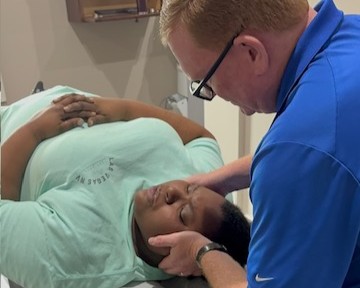

As a local chiropractor, I want to emphasize the importance of ensuring the safety and well-being of infants and toddlers, especially in how it relates to natural healing and overall health. It's crucial to create a secure home environment that supports your child's physical development, incorporating techniques that can significantly reduce risks.
First, consider how proper posture during play can influence musculoskeletal health. Encouraging age-appropriate activities that promote movement can help strengthen their bodies. Additionally, car safety measures are vital; ensure that car seats are appropriately installed to protect their spine during travel.
Supervision during playtime is not just about safety—it's also an opportunity to observe how your child moves and interacts. This can help identify any potential issues early on, allowing for timely intervention. Practicing safe feeding methods is equally essential, as proper positioning during feeding can prevent discomfort and promote better digestion.
As you explore these strategies, remember that they are not merely guidelines; they create a nurturing environment that supports your child's growth and natural healing processes. By incorporating these techniques into your daily routine, you can significantly enhance your child's physical well-being. What specific methods have you found beneficial in maintaining your child's safety and health?
Creating a Safe Home Environment
As a local chiropractor, I understand the importance of a safe and nurturing home environment for your little ones, especially considering how their physical development can impact their overall well-being.
Let's start by evaluating your living space to ensure it supports a healthy lifestyle.
Begin with a thorough assessment of your home, identifying potential hazards that could lead to accidents or injuries. Look for sharp corners on furniture, loose rugs that could cause slips, and exposed wires that might pose a risk.
Using corner guards can help protect your children from bumps and bruises, while securing rugs with non-slip mats can prevent falls.
The kitchen and bathroom are critical areas to focus on as well. It's essential to keep cleaning supplies and medications out of reach by storing them in locked cabinets.
Installing safety latches on drawers and doors can prevent your curious little ones from accessing potentially harmful items. Always supervise your child in these areas, especially when they're around water or hot surfaces, as these can lead to serious injuries.
In your living areas, consider removing small objects that could pose a choking hazard. Ensure that toys are age-appropriate and free from small parts that might be dangerous.
Regularly inspect toys for any damage and dispose of broken items promptly. Creating a designated play area can help your child explore safely while minimizing risks.
Don't overlook safety measures for windows and stairs. Installing safety gates at both the top and bottom of stairs can prevent falls, and using window locks or screens is essential to keep your children safe from accidents.
Additionally, keeping furniture away from windows can reduce climbing risks.
Finally, I encourage you to establish a consistent routine for safety checks throughout your home. As your child grows and becomes more mobile, regularly reviewing your environment will help you adapt to new challenges.
By taking these proactive steps, you'll create a secure haven that fosters healthy growth and exploration, aligning with the principles of natural healing and wellness that we value in chiropractic care.
Your child's safety and well-being are paramount, and a safe home environment is the foundation for a thriving life.
Proper Car Safety Measures
As a local chiropractor committed to promoting overall health and safety, I want to emphasize the importance of proper car safety measures for your little ones. Choosing the right car seat isn't just a matter of compliance; it plays a significant role in their spinal health and overall well-being.
Ensuring that the car seat is installed correctly and that you're adhering to harnessing guidelines can make a crucial difference in the event of an accident.
Let's delve into some best practices that will help keep your infants and toddlers safe during every car ride.
Remember, a secure car seat not only protects them physically but also contributes to their comfort and proper spinal alignment, which is fundamental for their development.
Prioritizing these safety measures can set the stage for a healthier future for your children.
Appropriate Car Seat Types
As a local chiropractor, I want to emphasize the importance of choosing the right car seat for your child, not only for their safety but also for their spinal health during travel.
Many parents may not realize that the type of car seat used can significantly impact a child's developing spine. Here are four car seat types that I recommend considering:
- Rear-Facing Car Seat: This is the safest option for infants and toddlers, as it provides crucial support for their head, neck, and spine. The American Academy of Pediatrics advises keeping your child rear-facing until at least age two or until they exceed the seat's weight limit, as this position helps reduce the risk of injury in the event of an accident.
- Convertible Car Seat: A convertible car seat is a great investment because it can be used both rear-facing and forward-facing as your child grows. This adaptability not only saves you money but also ensures that your child remains in a position that supports proper spinal alignment for longer periods.
- Forward-Facing Car Seat: Once your child has outgrown their rear-facing seat, a forward-facing car seat provides additional support. It's essential to use a harness system with this seat to ensure maximum safety and to maintain proper spinal posture during travel.
- Booster Seat: After your child exceeds the forward-facing weight limit, transitioning to a booster seat is necessary. A booster seat elevates your child to ensure that the seatbelt fits correctly across their lap and chest, which is crucial for their safety and spinal alignment. Typically, booster seats are suitable for children ages 4 and up.
In my practice, I see many families who may not be aware of how critical it's to choose the appropriate car seat type for their child's safety and spinal health.
Making informed decisions in this area is vital for nurturing your child's development and ensuring their well-being on the road.
Installation Best Practices
As a local Chiropractor, I want to emphasize the importance of ensuring your child's safety during travel, which isn't just about the car seat but also about their overall well-being. Proper car seat installation plays a crucial role in protecting your little one, much like how proper alignment is essential for spinal health.
First and foremost, it's vital to read both the car seat manual and your vehicle's owner's manual. These documents provide specific guidance tailored to your car seat model and vehicle type, similar to how I tailor my chiropractic care to fit each patient's unique needs.
Always install the car seat in the back seat, as this area is statistically safer for young passengers, much like how certain positions can promote better spinal alignment.
When securing the car seat, you have the option of using either the seatbelt or the LATCH system—never both at the same time, as this could lead to instability. If you choose the seatbelt, ensure that it's locked and tight. Just like in chiropractic practice, where we check for proper alignment, you should ensure that the car seat doesn't move more than an inch side to side or front to back.
If you're using the LATCH system, make sure the anchors are properly engaged and that you adhere to the weight limits for both the car seat and the vehicle anchors.
After installation, it's important to periodically test the stability of the car seat, especially after long trips, akin to how regular chiropractic check-ups can help maintain your spine's health.
Lastly, never place a rear-facing seat in the front passenger seat if there's an active airbag, as this could pose a serious risk.
By following these installation best practices, you not only enhance your child's safety on the road but also promote a sense of security and well-being that aligns with the principles of natural healing and chiropractic care.
Harnessing Safety Guidelines
As a local chiropractor, my priority is to ensure the well-being of your little ones during car rides.
It's essential to observe safety guidelines that extend beyond the basics of car seat installation. By adhering to proper car safety measures, you can help protect your infant or toddler, significantly reducing the risk of injury.
Here are four vital guidelines to follow:
- Select the Appropriate Car Seat: It's important to confirm that you're using a car seat suitable for your child's age and size. Infants should be secured in rear-facing seats, while toddlers can transition to forward-facing seats as they grow and meet the necessary requirements.
- Ensure Proper Buckling: Always double-check that the harness straps are snug against your child's chest, with the clip positioned at the level of their armpits. Correct buckling not only keeps your child safe but also helps in maintaining proper spinal alignment during travel.
- Maintain Rear-Facing Position as Long as Possible: Keep your child in a rear-facing car seat until they reach the maximum weight or height limit recommended by the manufacturer. This position offers optimal protection for their developing head and neck, which is crucial for their overall health and safety.
- Avoid the Front Passenger Seat: It's best to refrain from placing any child in the front seat until they're at least 13 years old. Airbags can pose serious risks for young children in the event of a crash, and keeping them in the back seat significantly enhances their safety.
Supervision and Interaction Techniques
As a chiropractor, I understand the importance of constant supervision when it comes to understanding your body and promoting wellness. Just like how you actively engage with your infant or toddler during playtime, it's essential to be mindful of your own body during daily activities. This not only ensures your safety but also strengthens the connection between your mind and body.
By being aware of how you move, you can quickly address any potential discomfort or misalignments that may arise. When you're practicing self-care or engaging in physical activities, try to be in tune with your body. This helps you connect with your physical sensations and allows you to listen to what your body needs.
Use simple techniques to describe your movements, and encourage yourself to practice proper posture and alignment. This awareness promotes healing and helps establish a secure foundation for your overall health.
Always keep an eye on how your body feels, especially during active movements. Whether you're lifting, bending, or exercising, it's vital to stay attentive to any signs of strain or discomfort. If you notice any tension or pain, gently adjust your posture or technique.
Use positive reinforcement by acknowledging when you move correctly or make healthy choices. In addition to being mindful, consider incorporating structured activities that support your musculoskeletal health. Simple exercises like stretching, strengthening, or alignment practices can keep you engaged while promoting wellness.
Age-Appropriate Play Safety
As a local chiropractor, I want to emphasize the importance of safety during playtime for your little ones, not just for their physical health but also for their overall development.
Choosing age-appropriate toys is crucial; ensure they're free from small parts that could lead to choking hazards.
Just as we prioritize safe practices in chiropractic care, we must also supervise playtime to prevent injuries and encourage healthy movement.
Supervised play not only keeps your child safe but also promotes their physical and cognitive growth, aligning with the natural healing principles we advocate in chiropractic care.
Let's work together to create a safe and nurturing environment for your child's play and development.
Safe Toy Selection
Choosing the right toys for your infant or toddler isn't only essential for their safety but also plays a crucial role in their overall development, which can indirectly affect their spinal health.
As a chiropractor, I want to emphasize the importance of selecting toys that support not just physical safety but also promote healthy growth patterns. Here are some key guidelines to consider:
- Check Age Labels: Always look for toys labeled with appropriate age ranges. These labels not only indicate safety standards but also suggest developmental suitability, helping to ensure that the activities your child engages in support their physical development and spinal alignment.
- Avoid Small Parts: Ensure that toys don't have small parts that could pose a choking hazard. For infants and toddlers, choose items larger than their mouths. This is vital for their safety, as well as for avoiding any potential stress or strain on their developing bodies if they attempt to manipulate small pieces.
- Opt for Non-Toxic Materials: Select toys made from non-toxic, BPA-free materials. This choice protects your child from harmful chemicals, especially when they explore toys by putting them in their mouths. A healthy environment contributes to a well-functioning body, which is important for maintaining good posture and spinal health.
- Consider Durability: Look for sturdy toys that can withstand rough play. Fragile toys can break easily, leading to sharp edges or small pieces that could be dangerous. Durable toys not only ensure safety but also promote active play, which is essential for developing strong muscles and supporting proper spinal alignment.
Supervised Playtime Importance
Supervised playtime is essential not only for your infant or toddler's safety and developmental progress but also for their overall well-being, which aligns with the principles of chiropractic care.
As a local chiropractor, I understand the importance of creating a healthy environment for your child. When you actively engage in their playtime, you ensure they're using age-appropriate toys and activities that promote proper physical development and posture.
By supervising their play, you can prevent accidents and keep them safe from potential hazards that could lead to injury or misalignment. Observing your child's playtime can also provide insights into their interests and developmental milestones, which is crucial for their physical and emotional growth.
For example, if you see your toddler enjoying building blocks, you can join in and guide them in stacking or creating structures, which not only nurtures their creativity but also supports their fine motor skills and spinal alignment.
Furthermore, supervised playtime is an excellent opportunity to teach your child about sharing, taking turns, and interacting socially with peers. These social skills are vital for their emotional development and can contribute to a more balanced and healthy life.
As you engage with them, you may also notice any physical discomfort or behavioral issues that could indicate underlying tension or alignment concerns, which are areas where chiropractic care can provide support.
Safe Feeding Practices
As a local Chiropractor, I understand the importance of overall health and wellness, which extends beyond just spinal alignment. Just like we prioritize safe feeding practices for our little ones, we should also focus on nurturing their health from the very start.
Here are some key practices to consider for promoting healthy habits in infants and toddlers, while also being mindful of their physical development:
- Choose Age-Appropriate Foods: Just as we tailor chiropractic care to the individual needs of our patients, it's crucial to select foods that match your child's developmental stage. For younger infants, pureed foods can be beneficial, while older toddlers can manage soft, bite-sized pieces. This approach not only supports their nutritional needs but also aids in their physical growth.
- Supervise During Meals: Similar to how we take precautions during chiropractic adjustments, it's essential to keep a close eye on your child while they eat. Being vigilant allows you to quickly respond if they begin to choke or struggle with their food, ensuring a safe and nurturing environment.
- Avoid Certain Foods: Just as we recommend avoiding certain activities that could strain the spine, it's wise to steer clear of foods that present choking hazards, such as whole grapes, nuts, popcorn, and hard candies. Opt for safer alternatives like small pieces of soft fruits or cooked vegetables, which are easier for little ones to manage and digest.
- Establish a Calm Mealtime Environment: Creating a peaceful atmosphere during mealtime is akin to fostering a relaxed setting for chiropractic treatments. By turning off the TV and putting away distracting toys, you help your child focus on eating, which not only encourages healthy eating habits but also reinforces their overall well-being.
By incorporating these safe feeding practices, we can support the health and development of our children, ensuring they've the foundation for a healthy future.
Just as we advocate for natural healing through chiropractic care, we can also promote healthy eating habits that contribute to their overall health.
Emergency Preparedness for Families
As a local chiropractor, I want to emphasize the importance of not only nurturing healthy habits but also being prepared for unexpected situations, especially for families with infants and toddlers. Emergencies can happen at any time, and having a solid plan in place can significantly impact your family's well-being.
Start by creating an emergency kit tailored to your family's specific needs. This kit should include essential items such as diapers, wipes, formula or baby food, and any medications that your child may require. Additionally, consider incorporating natural remedies and wellness supplies, such as homeopathic treatments or herbal remedies that can support your family's health during stressful times.
Don't forget to include a first aid kit, extra clothing, and blankets.
Establishing a communication plan is crucial. Ensure that every family member knows how to stay in touch in case you get separated. Designate a meeting spot outside your home – perhaps a trusted neighbor's house – where everyone can gather if returning home isn't an option.
It's also a good idea to keep a list of important contacts, including your pediatrician and local emergency services, as well as your chiropractor for any wellness needs.
Practicing emergency drills with your family is key. Teach your older toddlers how to respond to fire alarms or other alerts. Discuss protocols for severe weather or other crises. Keeping your emergency plan visible can help reinforce these concepts; consider hanging it on the fridge or in a common area.
Finally, stay informed about potential emergencies specific to your area, whether they're natural disasters or health-related incidents. Regularly review and update your emergency kit and plan, ensuring everything remains current and functional.
Conclusion
As a local chiropractor dedicated to promoting health and wellness, I want to share some safe techniques for caring for infants and toddlers. Creating a secure environment is crucial for their overall development.
First and foremost, proper supervision is essential. Always keep a watchful eye on your little ones as they explore their surroundings. Additionally, selecting age-appropriate toys can help prevent accidents and encourage healthy play. When it comes to feeding, following safe practices that align with their developmental stage is key.
Car safety is another critical aspect; ensure your child is secured in an appropriate car seat that meets safety standards. Lastly, being prepared for emergencies can provide you with peace of mind, knowing you have a plan in place.
By incorporating these strategies, not only will you keep your little ones safe, but you'll also support their growth and development in a nurturing environment. Remember, as a chiropractor, I am here to help guide you in fostering a healthy lifestyle for your family through natural healing and wellness practices.