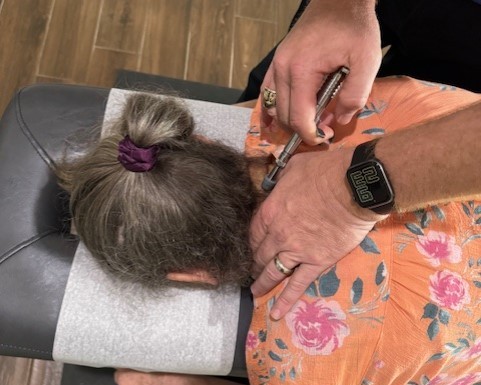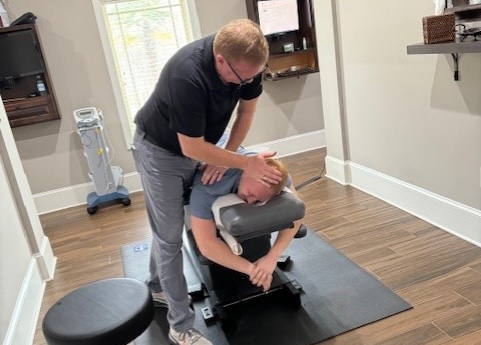

As a local chiropractor, I often encounter patients who are unsure about how to effectively manage neck injuries and alleviate discomfort. If you're in this situation, it's important to know that there are gentle and non-invasive methods available, known as soft techniques, that can significantly aid in your healing process.
These techniques include practices such as massage therapy and tailored stretching exercises designed specifically for the neck. They not only help reduce pain but also enhance your mobility, allowing you to return to your daily activities with greater ease.
You might be wondering which specific techniques could be beneficial for you and how to seamlessly incorporate them into your everyday routine. That's where I come in! Together, we can explore various soft techniques that align with your individual needs and lifestyle. By understanding and applying these natural healing methods, you can take proactive steps towards improving your neck health and overall well-being.
Understanding Neck Injuries
What do you really know about neck injuries? As a local chiropractor, I want to help you understand that neck injuries can vary widely—from mild strains to more serious conditions like whiplash or fractures. Many of you may experience symptoms such as pain, stiffness, or limited mobility in your neck, which can significantly impact your daily activities.
Gaining insight into the different types of neck injuries is crucial; it empowers you to recognize your symptoms and seek the appropriate natural treatment that can aid your healing process.
Neck injuries often arise from various causes, including accidents, falls, or repetitive motions. For example, if you've been in a car accident, whiplash may occur due to the rapid movement of your head. This can result in muscle strain, ligament damage, or even nerve issues.
Additionally, poor posture or extended periods of sitting can lead to chronic neck pain, which tends to develop gradually over time.
It's essential to pay attention to signs that might indicate a more severe injury. If you experience numbness, tingling, or weakness in your arms or hands, it's vital to consult a healthcare professional—preferably someone who understands the intricacies of the nervous system, like a chiropractor. These symptoms could suggest nerve compression or injury that requires prompt and effective intervention.
Remember, neck injuries aren't just about the physical discomfort; emotional factors can also play a significant role in your overall well-being. Pain can affect your mood, sleep, and quality of life.
By clearly understanding the nature of your neck injury, you can effectively communicate your symptoms to healthcare providers, ensuring that you receive the right natural treatment that aligns with your body's healing abilities.
Overview of Soft Techniques
As your local chiropractor, I want to share how soft techniques can be essential in treating neck injuries.
These gentle methods encompass a variety of approaches designed to alleviate pain and enhance your range of motion.
By understanding the benefits of these techniques, you can make more informed choices about your healing journey.
Embracing chiropractic care and natural healing can lead to a more holistic recovery, helping you not only feel better but also regain your quality of life.
Let's explore how these soft techniques can work for you!
Types of Soft Techniques
At our chiropractic clinic, we understand that neck injuries can be a source of discomfort and frustration. That's why we focus on soft techniques—gentle, non-invasive approaches that aim to relieve pain and promote healing without resorting to aggressive treatments.
One of the foundational methods we utilize is manual therapy. This encompasses various techniques, such as massage and mobilization, where we apply targeted pressure and movement to help reduce muscle tightness and improve circulation in the affected areas of your neck.
We also emphasize the importance of stretching exercises. Incorporating gentle neck stretches into your daily routine can significantly help maintain flexibility and prevent stiffness, making it easier for you to relax and alleviate discomfort.
Another technique we often use is myofascial release, which targets the fascia—the connective tissue surrounding your muscles. By applying sustained pressure, we can effectively release tension and restore normal function in your neck.
Acupuncture is another beneficial soft technique that we may recommend. This ancient practice involves inserting thin needles into specific points on your body, stimulating natural healing and providing pain relief.
Lastly, we encourage practices like yoga and tai chi, which blend gentle movements with breath control. These activities not only enhance relaxation but also contribute to your overall well-being.
At our clinic, we're dedicated to helping you explore these various soft techniques, so you can find the right approach to support your recovery from neck injuries and promote a healthier, pain-free life.
Benefits of Soft Techniques
As a local chiropractor, I'd like to share with you the incredible benefits of soft techniques in your recovery journey, especially when dealing with neck injuries. These gentle approaches, which encompass soft manipulations and stretching exercises, are designed to alleviate muscle tension and enhance your flexibility.
By incorporating soft techniques into your routine, you may find significant pain relief, allowing you to regain your range of motion more swiftly.
One of the standout advantages of these techniques is their ability to promote relaxation. Many of us experience that stress and tightness can heighten pain, so learning to unwind is crucial for a more effective healing process.
Additionally, these methods boost blood circulation, which is vital for transporting nutrients to injured tissues, thereby accelerating your recovery.
Soft techniques are generally safe and can be practiced at home or under the guidance of a trained professional like myself. This accessibility means you can easily weave them into your daily life, making it simpler to adhere to your recovery plan.
Moreover, many of my patients discover that soft techniques help cultivate a stronger mind-body connection, which ultimately enhances their overall well-being.
By tuning into your body's signals and needs, you can adopt a more holistic approach to healing, paving the way for a successful recovery from neck injuries.
If you're interested in exploring these techniques further, I'm here to guide you on that path to recovery.
Gentle Stretching Exercises
As a local chiropractor, I want to emphasize the importance of gentle stretching exercises in your recovery from neck injuries. These movements aren't just beneficial; they're essential for improving flexibility, reducing stiffness, and enhancing blood circulation in the affected area. By incorporating gentle stretches into your daily routine, you can gradually regain mobility and alleviate discomfort.
Let's start with some basic neck stretches. Find a comfortable position, either sitting or standing, and slowly tilt your head to one side, bringing your ear toward your shoulder. Hold this position for 15-30 seconds before switching to the other side. This simple stretch effectively targets the muscles on the sides of your neck.
Additionally, you can perform forward and backward tilts: gently drop your chin to your chest and hold for a moment, then lift your chin toward the ceiling. These movements help stretch and strengthen the neck muscles while reducing tension.
Including shoulder rolls in your stretching routine can further enhance your recovery. Stand or sit up straight, and roll your shoulders forward in a circular motion. Then, reverse the direction. This exercise helps release tension not only in your neck but also in your upper back.
It's crucial to approach these stretches slowly and mindfully. Please avoid pushing yourself too hard, especially if you're experiencing pain. If you feel any sharp discomfort, stop immediately and reach out to a healthcare professional.
Consistency is vital, so aim to perform these gentle stretches daily. As you progress, you can gradually increase the duration and intensity of your stretches. By making gentle stretching exercises a regular part of your recovery, you're supporting your neck's healing process and enhancing your overall well-being.
Benefits of Massage Therapy
As a local chiropractor, I want to take a moment to educate you about the remarkable benefits of massage therapy, especially if you're recovering from neck injuries. Many people may not realize how effective massage can be in easing neck pain and promoting healing.
Let me share some key advantages of incorporating massage therapy into your recovery journey:
- Pain Relief: One of the primary benefits of massage is its ability to relieve muscle tension and discomfort. By focusing on specific areas of pain, massage can significantly decrease your pain levels, helping you to feel more comfortable.
- Improved Circulation: The various techniques used in massage therapy stimulate blood flow to the injured areas. This increased circulation enhances the delivery of vital nutrients and oxygen to the tissues, which can expedite your healing process.
- Increased Range of Motion: Neck injuries can often restrict your mobility. Regular massage sessions can help relax tight muscles and improve flexibility, allowing you to regain your full range of motion over time.
- Stress Reduction: Coping with a neck injury can be challenging and stressful. Massage therapy not only targets physical pain but also promotes mental relaxation. This combination of benefits contributes to your overall well-being, making your recovery process more effective.
By incorporating massage therapy into your chiropractic care plan, you can experience these advantages and support your path to recovery.
If you have any questions or would like to learn more about how we can work together for your healing, feel free to reach out!
Mindfulness and Relaxation
As a local chiropractor, I want to share how mindfulness and relaxation techniques can play a vital role in your recovery from neck injuries.
Many patients may not realize that alongside chiropractic adjustments, incorporating practices such as breathing techniques can significantly enhance your healing journey. These methods help you center your mind and alleviate tension in your body.
Additionally, guided imagery is a powerful tool that can transport your thoughts to a more serene place, allowing your body to relax and recover more effectively.
By embracing these practices, you not only alleviate discomfort but also foster a greater sense of overall well-being.
Breathing Techniques
As a local chiropractor, I want to share with you how breathing techniques can significantly aid in your recovery from neck injuries. Many patients are surprised to learn that proper breathing not only promotes relaxation but also helps to alleviate tension in the neck and shoulders.
By focusing on your breath, you can foster a sense of calm that's conducive to healing.
Here are four effective breathing techniques that I recommend incorporating into your daily routine:
- Diaphragmatic Breathing: Find a comfortable seated or lying position. Inhale deeply through your nose, allowing your abdomen to rise as you fill your lungs. Exhale slowly through your mouth. Practice this for several minutes to engage your diaphragm fully.
- 4-7-8 Breathing: Inhale gently through your nose for a count of four, hold your breath for a count of seven, and then exhale slowly through your mouth for a count of eight. This technique is particularly beneficial for reducing stress and promoting relaxation.
- Box Breathing: Inhale for a count of four, hold that breath for another count of four, exhale for four counts, and then pause for four counts before beginning the cycle again. This method can help calm your nervous system and create a sense of stability.
- Progressive Muscle Relaxation: While practicing deep breathing, systematically tense and then relax different muscle groups throughout your body, starting from your toes and working your way up to your neck. This technique complements the breathing exercises and enhances relaxation.
By regularly practicing these techniques, you can support your recovery process and improve your overall well-being.
Guided Imagery
As a local chiropractor, I want to share with you the incredible benefits of using guided imagery in your recovery from neck injuries. This technique goes hand in hand with the relaxation we achieve through breathing exercises, and it can significantly enhance your healing process.
Guided imagery involves harnessing the power of your imagination to create calming mental images that foster relaxation and alleviate tension.
Imagine being able to visualize peaceful scenes, such as a serene beach or a tranquil forest. By doing so, you can actively reduce the tension in your neck and shoulders, allowing your body to heal more effectively.
To practice guided imagery, I recommend finding a quiet space where you can be undisturbed. Close your eyes and take a few deep breaths. As you breathe in, picture yourself in a soothing environment. Engage all your senses: hear the gentle sound of waves, smell the fresh pine trees, or feel the warmth of the sun on your skin. Immerse yourself in this peaceful setting and focus on the sensations it brings.
As you relax into this visualization, pay attention to any tightness in your neck. Envision that tension melting away, leaving you with a sense of ease and comfort.
By regularly practicing guided imagery, you can develop a mental refuge that you can return to whenever you experience discomfort or stress.
Incorporating guided imagery into your recovery routine not only addresses physical pain but also nurtures your mental well-being, which is crucial for healing.
As your chiropractor, I encourage you to explore this natural healing method alongside your chiropractic care for a holistic approach to your recovery.
Heat and Cold Therapy
As a local chiropractor, I often see patients who are struggling with neck injuries and looking for effective ways to manage their pain. One of the most beneficial approaches is through heat and cold therapy. These natural methods can be incredibly effective in alleviating discomfort and facilitating the healing process.
It's important to know when and how to apply each type of therapy to maximize your recovery.
Heat therapy is wonderful for increasing blood flow to the injured area, which helps to relax tight muscles and ease stiffness. You can easily incorporate heat into your routine by using a heating pad, wrapping a warm towel around your neck, or even enjoying a warm shower.
In contrast, cold therapy is effective for reducing inflammation and numbing sharp pain. Ice packs or cold compresses can be applied to the neck for short durations to help manage acute discomfort.
To help you understand how to use these therapies effectively, here's a quick guide:
- When to Use Heat: Utilize heat for muscle tension, chronic pain, or once the swelling from an injury has subsided.
- When to Use Cold: Cold therapy is ideal for acute injuries, swelling, or to alleviate sharp pain immediately following an incident.
- Duration of Application: Apply heat for about 15-20 minutes, and cold for 10-15 minutes at a time to prevent skin damage.
- Frequency: You can repeat these treatments several times throughout the day, but it's crucial to listen to your body and avoid excessive use.
In some cases, combining heat and cold therapy can yield great results. Start with cold therapy to minimize swelling and then transition to heat to promote blood flow and relaxation.
By understanding how to effectively implement these techniques, you can take an active role in your healing process and enhance your recovery from neck injuries.
Posture and Ergonomics
As a local chiropractor, I want to emphasize the crucial role that good posture and proper ergonomics play in preventing and managing neck injuries. Maintaining good posture is essential for aligning your spine, which helps reduce unnecessary strain on your neck muscles. To start, focus on positioning your head directly over your shoulders and keeping your shoulders back. This alignment not only distributes weight evenly but also minimizes tension in the neck area, promoting overall spinal health.
Ergonomics is all about designing your workspace and daily activities to suit your individual needs. If you find yourself sitting at a desk for extended periods, it's vital to adjust your chair, monitor, and keyboard to prevent awkward positions that can lead to discomfort. Ensure your monitor is at eye level; this allows you to keep your neck in a neutral position.
For those who use a laptop, consider investing in a separate keyboard and stand to elevate the screen to eye level. When sitting, remember to keep your feet flat on the floor, with your knees at or below hip level. This configuration supports your lower back and encourages an upright posture.
Additionally, it's important to take regular breaks to move around and stretch. These simple practices can alleviate built-up tension and enhance circulation, both of which are essential for maintaining neck health.
If you frequently use your phone, be aware of how you're holding it. Instead of bending your neck down, try to lift your phone to eye level. This small adjustment can significantly reduce neck strain.
Incorporating Breathing Techniques
As a local chiropractor, I often emphasize the importance of proper posture and ergonomics in maintaining neck health. However, many people are surprised to learn that their breathing patterns can significantly impact muscle tension and stress levels, which can lead to discomfort in the neck.
By consciously incorporating breathing techniques into your daily routine, you can promote relaxation and improve your overall neck condition.
Here are four effective breathing techniques that I recommend for my patients, which can be easily integrated into your lifestyle:
- Diaphragmatic Breathing: Find a comfortable position, whether sitting or lying down. Place one hand on your chest and the other on your belly. Inhale deeply through your nose, ensuring that your belly rises while your chest remains still. Then, exhale slowly through your mouth. This technique is particularly helpful for reducing neck tension.
- Box Breathing: This technique involves a structured pattern that can calm your nervous system. Inhale deeply for a count of four, hold your breath for another four counts, exhale for four, and hold again for another four. Repeat this cycle several times. It's effective for alleviating stress-related neck pain.
- Alternate Nostril Breathing: This practice involves closing one nostril with your thumb, inhaling through the other, then switching nostrils to exhale. This technique can help balance your energy and promote a sense of relaxation.
- Deep Belly Breathing with Neck Stretch: While inhaling deeply, gently tilt your head to one side, allowing a stretch along the opposite side of your neck. Exhale and return to the center. This combines the benefits of breathing with a gentle neck stretch, enhancing relaxation.
By incorporating these breathing techniques into your daily routine, you can significantly improve your neck health and overall well-being.
When to Seek Professional Help
As a local chiropractor, I want to emphasize the importance of recognizing when to seek professional help for neck injuries, especially for those who may not be familiar with chiropractic care and natural healing.
If you experience sudden, severe pain following an accident or injury, I encourage you to reach out to a healthcare provider right away. Symptoms such as intense pain, swelling, or bruising shouldn't be ignored, as they could lead to complications if left untreated.
If your neck pain persists for more than a few days, even after trying home remedies like rest, ice, or over-the-counter pain relievers, it's time to consider a professional evaluation. Chronic pain or discomfort that disrupts your daily activities is a clear sign that you could benefit from chiropractic care.
Additionally, be vigilant for concerning symptoms like numbness, tingling, or weakness in your arms or hands. These signals may indicate nerve involvement and require prompt attention.
If you also experience headaches, dizziness, or a loss of balance, don't wait—these could point to more serious underlying issues that deserve immediate care.
Even if your symptoms seem mild, I always encourage erring on the side of caution. A chiropractor can provide an accurate diagnosis and recommend a personalized treatment plan designed to support your healing journey.
Embracing a holistic approach to your health can lead to effective recovery and improved well-being.
Conclusion
As a local chiropractor, I want to share some valuable insights on how soft techniques can aid in the recovery of neck injuries. Incorporating gentle stretching, therapeutic massage, and mindful practices into your routine can significantly enhance your healing process and help alleviate pain. It's essential to maintain good posture throughout your day, as this can prevent further strain on your neck.
Additionally, utilizing heat therapy, such as warm compresses, or cold therapy, like ice packs, can provide added relief and support your recovery journey. If you find that your symptoms persist despite these at-home methods, I encourage you to reach out for professional assistance. By embracing these holistic approaches, you can work towards a healthier, more comfortable neck, enabling you to engage in your daily activities with greater ease and enjoyment. Remember, your well-being is our priority!