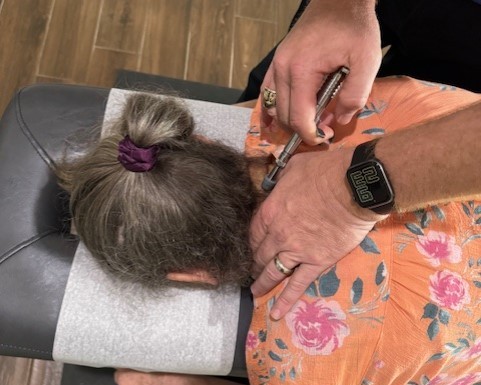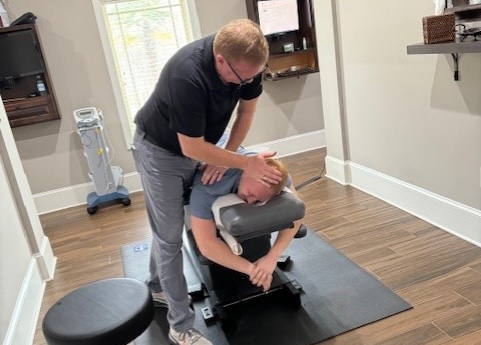

As a local chiropractor, I want to share some valuable insights about soft techniques for neck injuries that can significantly aid in your recovery. These gentle, non-invasive methods focus on manipulation, stretching, and relaxation to help alleviate pain and restore mobility in your neck. Many patients are often surprised by how effective these approaches can be in supporting your body's natural healing processes.
When you come in for an appointment, we will explore various soft techniques tailored to your specific needs. These methods not only promote physical recovery but also enhance your overall well-being. It's important to integrate these techniques into your daily routine for the best results. Simple practices like gentle neck stretches or relaxation exercises can be seamlessly woven into your day-to-day activities.
If you're new to chiropractic care, I encourage you to consider how these soft techniques can play a vital role in your path to healing. Together, we can work towards restoring function and improving your quality of life.
Understanding Soft Techniques
As a local chiropractor, I want to share with you the essential role that soft techniques play in treating neck injuries and promoting effective recovery. These gentle, non-invasive methods focus on alleviating pain and restoring mobility without putting additional strain on your neck.
So, what're soft techniques? At their core, these approaches highlight the body's innate ability to heal itself. By encouraging this natural healing process, we can minimize discomfort and support your recovery journey.
Soft techniques encompass a variety of modalities. This includes gentle manipulation, stretching, and myofascial release. In practice, you'll find that I use my hands to apply light pressure or specific movements to help ease tension in the muscles and connective tissue around your neck.
Unlike more aggressive treatments, soft techniques prioritize gradual progress, allowing your body to adapt and heal without worsening your injury.
It's important to understand that these methods require a deep knowledge of anatomy and body mechanics. I customize my approach to fit your unique needs, ensuring that the techniques are tailored to your specific condition. Many of my patients find that these soft techniques not only help reduce pain but also enhance their overall flexibility and range of motion.
By incorporating soft techniques into your recovery plan, we can take a holistic approach that addresses both the physical and emotional aspects of healing.
Benefits of Soft Techniques
As a local chiropractor, I want to introduce you to the benefits of soft techniques for addressing neck injuries.
These gentle methods can provide significant pain relief while enhancing your overall comfort. Many of my patients have experienced improvements in their mobility and flexibility, which allows them to return to their daily activities with greater ease.
By incorporating these soft techniques into your care, you may notice a positive shift in how you move and feel.
It's all about promoting natural healing and helping you regain control over your well-being.
Pain Relief Enhancement
At our chiropractic clinic, we believe in the power of soft techniques for relieving neck injuries and enhancing your overall recovery experience. These gentle yet effective methods, which include massage, gentle stretching, and myofascial release, specifically target the underlying muscle tension and stress that often contribute to your pain. By focusing on relaxation and alleviating tightness, you can experience significant reductions in discomfort.
When you incorporate these soft techniques into your recovery journey, you're not just masking the symptoms; you're actively promoting healing by improving blood circulation to the affected areas. Enhanced circulation ensures that essential nutrients and oxygen reach the tissues that need them, which can significantly accelerate your recovery process.
Moreover, these techniques can help reduce inflammation, a crucial factor in achieving lasting pain relief. An added benefit of these soft approaches is that they encourage your body to release endorphins – the natural painkillers produced by your brain. This release can lead to increased comfort and relaxation, making it easier for you to cope with the challenges of neck injuries.
By embracing these gentle techniques, you're taking proactive steps towards a pain-free life, enabling you to reclaim your daily activities without the burden of discomfort. If you're new to chiropractic care and natural healing, we're here to guide you through these effective methods, ensuring you understand how they can help you on your path to recovery.
Let's support you in achieving a healthier, pain-free lifestyle!
Improved Mobility and Flexibility
As a local chiropractor, I often emphasize the importance of incorporating gentle techniques into your recovery process. Many patients are surprised to learn that these methods not only help alleviate pain but significantly enhance mobility and flexibility in the neck.
By engaging in practices such as gentle stretching, massage, or myofascial release, you're taking proactive steps to restore your neck's range of motion. These techniques promote increased blood flow, which is essential for healing and reducing stiffness.
As you start to relieve tension in your neck, you'll likely notice that turning your head or looking up and down becomes much easier and more comfortable. This improved mobility can make a significant difference in your daily activities, whether you're driving, exercising, or simply turning to chat with someone.
Moreover, enhancing your flexibility plays a crucial role in preventing future injuries. When you maintain a healthy range of motion, you significantly reduce the risk of straining your neck during sudden movements or physical exertion.
Incorporating these soft techniques into your routine does more than provide immediate relief; it lays the groundwork for long-term neck health. Whether you're contending with a recent injury or managing chronic tension, embracing these natural healing methods can lead to a more active, pain-free lifestyle.
Your neck will truly appreciate the care you give it!
Gentle Stretching Methods
As a local chiropractor, I want to emphasize the importance of gentle stretching methods for your recovery from neck injuries. These techniques can significantly improve your flexibility and help alleviate tension and pain in your neck.
Many patients are often unaware of how beneficial these stretches can be for their overall healing process.
However, I also want to stress the need for certain precautions to ensure that your stretching is both safe and effective. It's crucial to listen to your body and avoid pushing yourself too hard, as this could lead to further injury.
With the right guidance, gentle stretching can be a powerful tool in your journey toward natural healing and improved well-being. If you have any questions or need personalized advice, don't hesitate to reach out to me. Your health is our priority!
Benefits of Gentle Stretching
As a local chiropractor, I want to emphasize the importance of incorporating gentle stretching into your recovery process, especially if you're dealing with neck injuries.
Gentle stretching can significantly enhance your healing journey by improving flexibility and range of motion, which helps you regain normal function more rapidly. By gently stretching your neck muscles, you can alleviate stiffness and discomfort, making your daily activities much easier and more enjoyable.
One of the key benefits of gentle stretching is that it promotes blood circulation. Good circulation is vital for healing, as increased blood flow to the affected area provides essential nutrients and oxygen, which can speed up your recovery.
Additionally, gentle stretching helps to relieve muscle tension, a common contributor to pain and discomfort.
Moreover, taking the time to perform these stretches not only aids your neck but also allows you to relax and focus on your well-being. This mindfulness aspect can be incredibly beneficial during your recovery period, helping to reduce stress and promote overall wellness.
Lastly, by gradually improving your neck's flexibility through gentle stretching, you can help prevent future injuries. Strengthening your muscles and enhancing their resilience means you're less likely to encounter similar issues down the line.
Recommended Stretching Techniques
As a local chiropractor, I want to share some effective stretching techniques that can significantly aid in your recovery from neck injuries. These exercises are simple yet powerful tools to help alleviate tension and improve mobility.
First, let's start with gentle neck rolls. This is a fantastic way to relieve built-up tension. To perform this stretch, slowly roll your head in a circular motion, ensuring each rotation is smooth and controlled. Aim for about five circles in one direction and then switch to the other. This movement helps increase blood flow and flexibility in the neck.
Next, we've the side stretch. Find a comfortable seated or standing position and tilt your head towards one shoulder. Hold this stretch for 15-30 seconds. If you'd like to deepen the stretch, you can gently apply pressure with your hand. Afterward, switch sides and repeat. This helps to stretch the muscles alongside your neck and improve your range of motion.
Another valuable technique is the chin tuck. While seated, gently pull your chin back toward your neck, creating a double chin effect. Hold this position for about five seconds before releasing. This exercise not only strengthens your neck muscles but also promotes better posture, which is crucial for long-term neck health.
Finally, don't forget about shoulder shrugs. This exercise is excellent for alleviating tightness around the neck. Simply raise your shoulders towards your ears, hold for a moment, and then let them drop back down. Repeat this movement 10 times. It's a great way to release built-up tension in your shoulders and neck area.
I encourage you to incorporate these stretches into your daily routine. Pay attention to your breath and focus on relaxing your muscles as you perform each stretch. Consistency is key—by doing these exercises regularly, you'll not only regain mobility but also reduce discomfort, making your recovery process much smoother and more effective.
If you have any questions or need further guidance on these stretches or your recovery journey, please don't hesitate to reach out. Your health and well-being are my top priorities!
Precautions and Considerations
As your local chiropractor, I want to emphasize the importance of stretching as a valuable component of your recovery process. However, it's essential to approach it with caution, especially if you've recently experienced a neck injury. Before embarking on any stretching routine, I highly recommend consulting with a healthcare professional. I can provide personalized guidance based on your unique circumstances.
When you start stretching, it's important to tune into what your body is telling you. If you experience sharp pain or discomfort, please stop right away. Effective stretching should feel relieving and soothing, not painful. Focus on performing slow, controlled movements rather than pushing your limits. Aiming to hold each stretch for about 15 to 30 seconds is typically most beneficial.
Always remember to warm up your muscles before you stretch. Engaging in a few minutes of light activity can prepare your body and help reduce the risk of injury. As you stretch, keep your breathing steady and relaxed; this will enhance the overall effectiveness of the process.
Staying hydrated is also crucial, as proper hydration supports muscle function and recovery.
Lastly, consistency is key. I encourage you to incorporate gentle stretching into your daily routine, but be sure to allow yourself rest days to prevent overexertion. By following these guidelines, you can maximize the benefits of stretching while minimizing the risk of further injury, paving the way for a healthier, more balanced body.
Myofascial Release Explained
As a local chiropractor, I want to introduce you to the concept of myofascial release—a gentle, hands-on technique that can significantly aid in your recovery from neck injuries. Myofascial release focuses on the fascia, which is the connective tissue surrounding our muscles and organs. When we experience injuries, particularly in the neck, this fascia can become tight and restricted, resulting in discomfort and limited movement.
During a myofascial release session, you'll typically lie down comfortably while I, as your chiropractor, use my hands to identify areas of tightness or restriction in your body. I'll apply gentle, sustained pressure to these points, encouraging the fascia to relax and release. While you may initially feel some discomfort, the pressure should always be tolerable.
As we proceed with the treatment, many patients notice an improvement in their range of motion and a reduction in pain over time. One of the remarkable benefits of myofascial release is that it not only alleviates the symptoms of neck pain but also addresses the underlying causes. By relieving tension in the fascia, you may find that associated issues, such as headaches or shoulder discomfort, also diminish.
This technique can be particularly beneficial for those recovering from injuries, as it enhances healing by increasing blood flow and flexibility in the affected areas. Incorporating myofascial release into your overall treatment plan can greatly enhance your recovery journey.
It's an effective tool for anyone experiencing neck injuries and can help restore balance and function to your body. If you're interested in this holistic approach to healing, I encourage you to consult with a qualified professional to determine if myofascial release is the right fit for your needs. Your health and well-being are my top priorities, and I'm here to guide you every step of the way.
Relaxation Techniques for Healing
As your local chiropractor, I'm here to guide you through various methods that can aid in your recovery from neck injuries, and I want to emphasize the importance of relaxation techniques in this process.
These methods not only help reduce muscle tension and ease pain but also enhance blood circulation, all of which are vital for your overall healing.
One highly effective technique is called progressive muscle relaxation. This practice involves intentionally tensing and then relaxing different muscle groups throughout your body, starting from your toes and moving all the way up to your neck.
By consciously relaxing each muscle group, you may experience a significant reduction in tension, which can be particularly beneficial for alleviating discomfort in your neck.
Another valuable technique is guided imagery. This involves visualizing a peaceful environment or focusing on soothing thoughts to create a mental escape that helps lower stress levels and promotes relaxation.
You might picture yourself lying on a warm beach or taking a peaceful walk through a tranquil forest. This form of mental imagery can serve as a distraction from pain and foster a more relaxed state of mind.
Incorporating gentle yoga or stretching into your routine can also be incredibly beneficial. Pay special attention to poses that focus on relaxing the neck and shoulder areas, such as the child's pose or gentle neck rolls.
These gentle movements can help relieve tightness and improve flexibility in the neck region.
Finally, don't overlook the calming effects of a warm bath or listening to soothing music. Both can create a serene environment that encourages relaxation, allowing your body to heal more effectively.
By integrating these relaxation techniques into your healing journey, you'll not only enhance your sense of well-being but also support your recovery from neck injuries more effectively.
Breathing Exercises for Neck Relief
As a local chiropractor, I often emphasize the importance of breathing exercises in alleviating neck tension and fostering relaxation. When you focus on your breath, not only does it calm your mind, but it also aids in reducing muscle tension in the neck area—a common issue I see in many patients.
To get started, find a comfortable seated position with your back straight. Close your eyes and take a deep breath in through your nose, filling your lungs completely. Hold that breath for a moment, then slowly exhale through your mouth. I recommend repeating this process for several minutes; with each exhale, allow your body to sink deeper into relaxation.
Another technique I often encourage is the 4-7-8 method. Inhale deeply for a count of four, hold your breath for seven counts, and then exhale for eight counts. This technique not only promotes deeper relaxation but also helps ease tension in your neck and shoulders. Visualizing the tension melting away with each exhale can enhance the effectiveness of this practice.
Additionally, consider trying diaphragmatic breathing. Place one hand on your chest and the other on your abdomen. As you inhale, focus on expanding your abdomen rather than your chest. This method engages your diaphragm, leading to deeper breaths and improved relaxation.
Incorporating these breathing exercises into your daily routine can significantly alleviate neck tension. I encourage you to set aside a few minutes each day for practice. You may notice improvements not only in your physical comfort but also in your mental clarity.
Embrace these techniques and experience the soothing benefits they can bring to your neck and overall well-being. If you have any questions or need further guidance, feel free to reach out during your next visit!
Importance of Posture
As your local chiropractor, I want to emphasize the importance of maintaining good posture in your daily life. Good posture is crucial for preventing neck injuries and alleviating discomfort. When you slouch or lean forward, you inadvertently place unnecessary strain on your neck and the surrounding muscles, which can lead to stiffness and pain over time. By being conscious of your posture, you can achieve a more balanced alignment that supports the natural curvature of your spine.
Start by being attentive to your position throughout the day. Whether you're sitting at a desk, using your phone, or standing in line, strive to keep your head aligned over your shoulders. Visualize a straight line running from your ears through your shoulders and down to your hips. This alignment helps distribute your weight evenly, reducing the risk of strain on your neck and back.
For those of you who spend long hours in front of a computer, I recommend ensuring your workspace is ergonomically friendly. Adjust your chair height so that your feet rest flat on the floor, and position your monitor at eye level. This simple adjustment can prevent you from craning your neck or hunching your back, both of which can lead to discomfort.
Additionally, I encourage you to incorporate regular breaks into your routine. Stand up, stretch, and take a moment to reevaluate your posture every 30 to 60 minutes. Simple neck stretches can also help alleviate tension and promote better alignment.
Integrating Soft Techniques Into Recovery
As a local chiropractor, I want to share how integrating soft techniques into your recovery can significantly improve your healing journey after a neck injury.
These gentle methods emphasize movement, relaxation, and mindfulness, which can enhance flexibility and reduce tension. Here's how you can seamlessly incorporate them into your daily routine:
1. Gentle Stretching: Begin your day with light neck stretches.
Try tilting your head side to side, forward, and backward, holding each position for a few seconds. This simple practice can help alleviate stiffness and improve your range of motion, making a noticeable difference in your comfort.
2. Breathing Exercises: I encourage you to practice deep, diaphragmatic breathing.
Inhale slowly through your nose, allowing your lungs to fill completely, and then exhale through your mouth. This not only calms your mind but also helps to release tension in your neck and shoulders, promoting a sense of relaxation.
3. Heat Therapy: Consider using a warm compress or a heating pad on your neck for 15-20 minutes each day.
The application of heat increases blood flow, relaxes tight muscles, and alleviates pain. This can greatly enhance your overall comfort during your recovery process.
By incorporating these soft techniques into your routine, you can support your healing and experience a more comfortable recovery.
When to Seek Professional Guidance
As a local chiropractor, I want to emphasize the importance of knowing when to seek professional guidance for recovery after a neck injury. If you're experiencing severe pain, numbness, or tingling that radiates into your arms or hands, it's crucial to consult a healthcare professional right away. These symptoms may suggest nerve involvement, and addressing them promptly can help prevent further complications.
If you find that your pain isn't improving with basic self-care measures—like rest or over-the-counter pain relievers—please don't hesitate to reach out for help. Persistent discomfort could be a sign of a more serious underlying issue that requires a professional evaluation.
It's also important to seek guidance if you're experiencing stiffness that limits your range of motion or if your head feels unusually heavy.
In addition, if you notice any signs of a concussion, such as confusion, dizziness, or memory issues, it's vital to seek medical assistance immediately. These symptoms can be associated with neck injuries and may need specialized care.
Lastly, if you've experienced a neck injury due to a fall, accident, or sports-related incident, I strongly encourage you to consult a healthcare professional—even if you feel fine initially. Some injuries may present delayed symptoms, and it's always better to be cautious when it comes to your health.
As a chiropractor, I'm here to help guide you through the healing process and provide natural, holistic care tailored to your needs.
Conclusion
As your local chiropractor, I want to share some valuable insights about soft techniques that can aid in your recovery from neck injuries. These gentle methods—including stretching, myofascial release, and relaxation techniques—can significantly alleviate pain and enhance your overall well-being. It's essential to be mindful of your posture throughout the day and to incorporate these practices into your routine for long-lasting benefits. If you have any questions or if you're dealing with persistent discomfort, please don't hesitate to reach out for professional guidance. It's crucial to ensure a safe and effective recovery process for your neck. Remember, your neck deserves exceptional care, and I'm here to help you every step of the way!