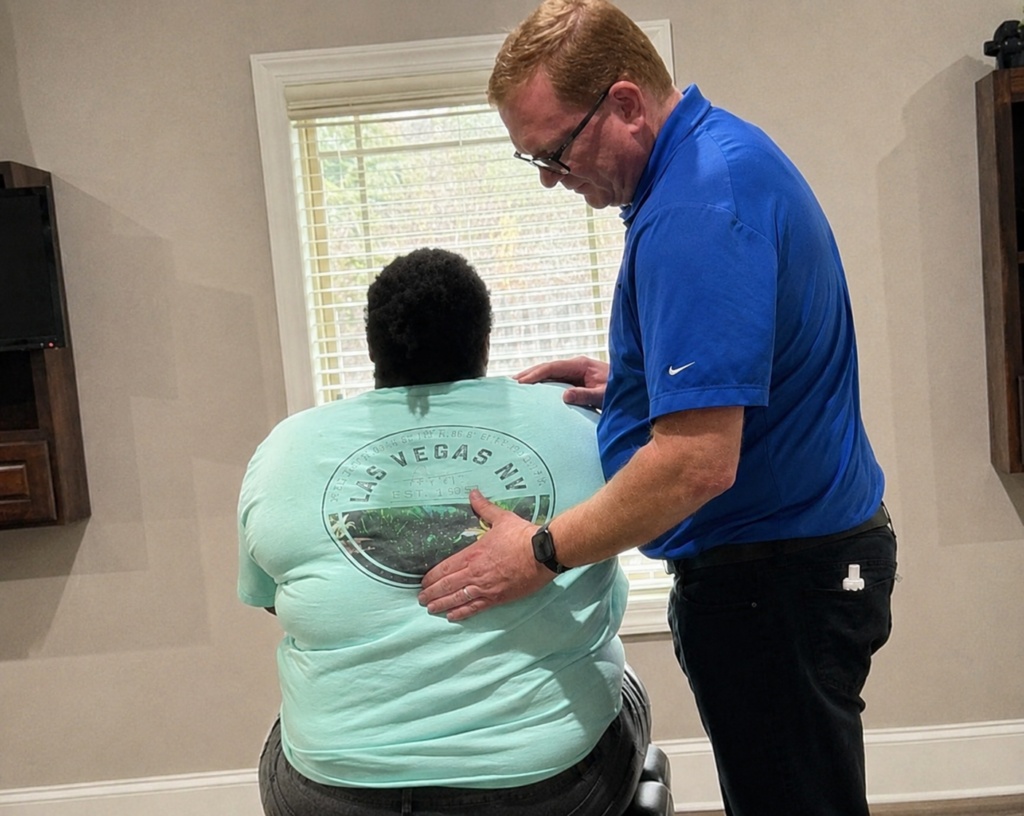

If you’re looking to prevent back pain, focusing on core strength is essential. As a chiropractor, I can tell you that engaging in specific exercises can help stabilize your spine and support proper posture, which are crucial for maintaining a healthy back. It’s not just about doing crunches; incorporating a variety of movements that strengthen different muscle groups is key.
Here are some effective exercises you can easily add to your routine:
- Planks: These are great for building core strength. Start in a push-up position and hold your body straight, keeping your abs tight. Aim for 30 seconds to a minute.
- Bridges: Lie on your back with your knees bent and feet flat on the floor. Raise your hips off the ground, squeezing your glutes. This exercise strengthens your lower back and glutes.
- Bird-Dogs: Start on all fours and extend one arm forward while extending the opposite leg back. This helps improve balance and engages your core.
- Cat-Cow Stretches: This gentle stretch helps maintain flexibility in your spine. Alternate between arching your back (cat) and dropping your belly (cow) while on all fours.
- Wall Sits: Lean against a wall with your feet shoulder-width apart and slide down until your knees are bent at a 90-degree angle. This strengthens your legs and core.
In addition to these exercises, remember to maintain good posture throughout your day. Whether you’re sitting at your desk or lifting objects, keeping your spine aligned can significantly reduce the risk of back pain.
If you do experience discomfort, chiropractic care is a natural and effective way to address pain and promote overall wellness. Regular adjustments can help keep your spine in alignment and improve your body’s function. By making chiropractic your go-to for pain relief, you’re choosing a holistic approach to health.
Start incorporating these exercises and tips into your daily life, and you’ll be on your way to a healthier back and improved well-being!
Understanding the Importance of Core Strength
When it comes to preventing back pain, one of the most important aspects to consider is your core strength. Your core isn’t just about having well-defined abs; it actually comprises muscles in your back, hips, and pelvis. A strong core plays a crucial role in stabilizing your spine and supporting proper posture, which can significantly reduce strain on your back during everyday activities.
Engaging these core muscles not only enhances your balance and coordination but also helps prevent injuries. When your core is weak, it can lead to imbalances in your body, resulting in discomfort and pain. That’s why incorporating core-strengthening exercises into your routine, such as planks and bridges, is essential for maintaining a healthy back.
You don’t need to spend hours at the gym to build core strength. Even short, focused workouts can make a big difference over time. By prioritizing core strength, you not only protect your back but also improve your performance in other physical activities.
As a chiropractor, I encourage you to integrate core exercises into your daily routine. This proactive approach, along with regular chiropractic care, can help you achieve optimal health and wellness.
Effective Stretching Techniques for Back Health
Stretching is a vital part of keeping your back healthy and preventing pain. It can enhance flexibility, ease muscle tension, and improve blood circulation to the spine. As a chiropractor, I encourage you to incorporate simple stretches into your daily routine for optimal back health.
One great stretch to start with is the cat-cow stretch. Position yourself on all fours, and gently alternate between arching your back upward and allowing it to sag downward. This gentle movement helps mobilize your spine and can provide immediate relief.
Another effective stretch is the seated forward bend. Sit with your legs extended in front of you, then reach for your toes and hold this position for 15-30 seconds. This stretch targets your lower back and hamstrings, helping to alleviate tension.
Don’t overlook the child’s pose; kneel down and sit back on your heels while extending your arms forward. This position not only relaxes your back but also promotes overall relaxation, which is key for maintaining a healthy spine.
Incorporating these stretches into your daily routine can lead to improved flexibility and decreased discomfort. Remember, consistency is crucial—aim to stretch every day for lasting benefits.
Chiropractic care complements these stretching techniques by addressing any underlying spinal issues and promoting natural healing. If you’re experiencing back pain, consider scheduling an appointment for a personalized assessment.
Together, we can work towards achieving your optimal health and wellness.
Strengthening Exercises for the Upper Back
To build a strong upper back and alleviate discomfort, it’s crucial to incorporate specific strengthening exercises into your daily routine. Focusing on the major muscle groups in your upper back, such as the rhomboids, trapezius, and rear deltoids, can help you maintain good posture and prevent pain.
One effective exercise to try is the bent-over row. You can use dumbbells or resistance bands for this exercise. Stand with your feet shoulder-width apart, hinge at your hips, and pull the weights towards your chest, making sure to squeeze your shoulder blades together. This movement not only strengthens your upper back but also promotes proper alignment.
Another beneficial exercise is the face pull. Using a resistance band, pull the band towards your face while keeping your elbows elevated. This targets the upper back effectively and can enhance your overall shoulder stability.
Don’t forget to include scapular push-ups in your routine. In this exercise, you lower and raise your body while keeping your arms straight, which helps build stability in your shoulder area. This can be particularly helpful for maintaining a healthy spine and reducing the risk of injury.
Lastly, wall angels are a fantastic way to promote shoulder mobility and strength. Stand against a wall and slide your arms up and down in a “W” to “Y” motion. This not only strengthens your upper back but also encourages good posture, which is vital for spinal health.
Remember, regular chiropractic care can also play a significant role in achieving optimal health. It helps ensure your spine is aligned and functioning properly, supporting your body as you engage in these strengthening exercises.
Building Lower Back Stability
To build lower back stability, focusing on strengthening your core and improving flexibility is essential. As a chiropractor, I can tell you that a strong core not only supports your spine but also plays a crucial role in preventing lower back pain. Incorporating specific exercises into your routine can enhance your posture and provide the stability your lower back needs.
Here are some effective techniques to keep your lower back strong and pain-free:
- Core Strengthening Exercises: Engaging in exercises like planks, bridges, and pelvic tilts can significantly strengthen your core muscles. A strong core provides the necessary support for your spine, reducing the risk of injury.
- Stretching for Flexibility: Incorporate gentle stretches such as child’s pose, hamstring stretches, and hip flexor stretches into your daily routine. Increased flexibility can alleviate tension in your lower back and improve your overall mobility.
- Maintain Good Posture: Being mindful of your posture while sitting, standing, or lifting can go a long way in preventing lower back strain. Ensure your workspace is ergonomically designed to support your spine’s natural curvature.
- Stay Active: Regular physical activity is vital for maintaining a healthy spine. Engage in low-impact activities like walking, swimming, or yoga to keep your muscles strong and flexible without putting undue stress on your back.
- Chiropractic Care: Regular chiropractic adjustments can help ensure your spine is properly aligned and functioning optimally. Chiropractic care offers a natural, drug-free approach to pain relief and overall wellness, making it an excellent choice for anyone looking to enhance their health.
Remember, taking proactive steps to strengthen your lower back and improve your posture can lead to a healthier, pain-free life.
If you experience persistent discomfort, consider consulting with a chiropractor who can provide personalized care tailored to your needs. Your journey to a stronger, healthier back can begin today!
Core Strengthening Exercises
Strengthening your core is essential for maintaining a healthy spine and preventing lower back pain. A strong core provides support to your spine and helps distribute weight evenly across your body, which can significantly reduce strain on your lower back.
As a chiropractor, I always emphasize the importance of core strength in achieving overall wellness and stability.
Start with simple exercises like planks and bridges that specifically target your abdominal and back muscles. Incorporating bird-dogs can also be beneficial, as they promote coordination and stability.
Don’t forget about side planks, which engage your obliques and enhance your overall core strength.
As you become more comfortable with these exercises, consider adding some resistance using stability balls or bands. Aim to perform two to three sets of 10-15 repetitions for each exercise, always paying attention to your form to prevent injury.
Regular core workouts not only improve your posture and balance, but they also contribute to a healthier back and a more active lifestyle. Remember, consistent practice is key!
Additionally, pairing these exercises with regular chiropractic care can further enhance your spine’s health and overall well-being. Chiropractic adjustments can help align your spine, making it easier for you to engage in these core-strengthening activities without discomfort.
Flexibility and Stretching
Building a strong core is only part of the equation for preventing back pain; flexibility and stretching are vital for maintaining a healthy spine and overall well-being. By incorporating regular stretching into your daily routine, you’ll improve the flexibility of your muscles and ligaments, which helps reduce tension in your lower back and enhances your range of motion.
As a chiropractor, I recommend focusing on stretches that specifically target the hamstrings, hip flexors, and lower back muscles. Simple movements like the cat-cow stretch, seated forward bend, and child’s pose can significantly benefit your spine’s mobility and alleviate discomfort.
It’s important to make stretching a consistent habit—aim to stretch daily or at least several times a week. This practice not only supports your spinal health but also contributes to a greater sense of overall wellness.
Remember, prioritizing flexibility can lead to long-term relief from pain and improve your quality of life.
If you’re experiencing back pain, consider visiting a chiropractor for personalized care that addresses your unique needs. Chiropractic adjustments, combined with a regular stretching routine, can work wonders in promoting natural healing and enhancing your overall health.
Your spine deserves the best care possible—let’s work together to keep it strong and flexible!
Posture Improvement Techniques
As a local chiropractor, I want to emphasize the importance of improving your posture for achieving optimal health and preventing lower back pain. By incorporating a few simple adjustments into your daily routine, you can enhance your spinal health and reduce discomfort.
Here are some effective techniques that not only support your posture but also highlight the benefits of chiropractic care:
- Sit up straight: When you’re sitting, keep your back straight and your shoulders relaxed. Choose a chair that offers good lumbar support, which aligns with the principles of chiropractic care in maintaining spinal integrity.
- Align your screen: Make sure your computer screen is at eye level. This adjustment helps prevent slouching, allowing your spine to maintain its natural curve. Remember, healthy posture is a key focus in chiropractic practices.
- Stand tall: Distribute your weight evenly on both feet when standing, and engage your core muscles. This balance not only supports your spine but also enhances overall stability—something we prioritize in chiropractic adjustments.
- Practice mindful movements: Be conscious of your posture during daily activities, especially when lifting or bending. Use your legs to do the heavy lifting instead of straining your back. This approach aligns with the chiropractic philosophy of preventing injury through proper body mechanics.
By adopting these techniques, you can make lasting improvements in your posture and lower back health.
Incorporating Balance and Flexibility Workouts
Incorporating balance and flexibility workouts is essential for enhancing your core stability and relieving muscle tension, which can often lead to discomfort in the spine. By focusing on these areas, not only do you improve your overall strength, but you also significantly reduce the risk of back pain.
As a chiropractor, I want to emphasize how these exercises can be a valuable addition to your daily routine, promoting natural healing and healthier living.
Balance exercises, such as standing on one leg or practicing yoga poses, help to strengthen the muscles that support your spine. This can lead to better posture and alignment, which are crucial for reducing strain on your back.
Flexibility workouts, like gentle stretching or Pilates, can alleviate tension in your muscles and improve your range of motion. This is important for preventing injuries and maintaining an active lifestyle.
Here are a few tips to get started with balance and flexibility exercises:
- Start Slow: If you’re new to these workouts, begin with simple exercises and gradually increase the difficulty as you become more comfortable.
- Incorporate Daily: Aim to include balance and flexibility exercises into your daily routine, even if it’s just for a few minutes. Consistency is key for long-term benefits.
- Listen to Your Body: Pay attention to how your body feels during and after workouts. If you experience any discomfort, it’s important to adjust your routine accordingly.
- Combine with Chiropractic Care: Regular chiropractic adjustments can enhance the benefits of your workouts by ensuring your spine is aligned and functioning optimally, which supports your overall health.
By embracing these practices, you can take proactive steps toward achieving optimal health and wellness.
Importance of Core Stability
Core stability is vital for maintaining a healthy back and preventing discomfort. When your core muscles are strong, they provide better support for your spine, which can help alleviate strain and pain.
As a chiropractor, I want to share some simple exercises that can enhance your core stability, promoting overall wellness and reducing the likelihood of back issues. Here are a few effective workouts you can easily incorporate into your routine:
- Planks: This exercise involves holding a straight line from your head to your heels while engaging your core. It’s a great way to build endurance and stability.
- Bird-Dogs: Start on your hands and knees, then extend one arm and the opposite leg outwards. This movement helps improve your coordination and strengthens your core.
- Side Leg Raises: Lying on your side, lift your top leg while keeping your body stable. This exercise strengthens your obliques and hip muscles, which are essential for lateral stability.
- Yoga Poses: Incorporating poses such as Tree or Warrior III can significantly enhance your balance and core engagement. Yoga not only strengthens your core but also encourages mindfulness and relaxation.
By focusing on these exercises, you can enhance your core stability and contribute to a healthier back.
Stretching for Muscle Relief
To support a healthy back, stretching for muscle relief is essential, alongside strengthening your core. As a chiropractor, I emphasize the importance of incorporating balance and flexibility workouts into your routine. These practices not only ease tension in your muscles but also improve your overall mobility.
Simple stretches like the cat-cow pose and gentle spinal twists are excellent ways to release tightness and enhance flexibility. Yoga and Pilates are fantastic options that focus on stretching and balance, which can further promote better posture and alignment.
While engaging in these activities, remember to concentrate on your breath. Deep breathing allows your muscles to relax and lengthen, making your stretches more effective. Regularly practicing these stretches isn’t just about alleviating discomfort; it also enhances your body’s resilience against future pain.
By prioritizing stretching and maintaining an active routine, you can create a strong foundation for spinal health and overall well-being. In addition to stretching, consider regular chiropractic care. Chiropractic adjustments can help realign your spine, reduce tension, and improve your body’s function.
Together, stretching and chiropractic care create a powerful approach to achieving optimal health and natural wellness. Make these practices a part of your life, and you’ll likely notice a significant difference in your back health and overall quality of life.
Tips for Maintaining Proper Posture Throughout the Day
Maintaining proper posture throughout the day is essential for preventing back pain and promoting overall well-being. As a chiropractor, I believe that simple adjustments can make a significant difference in how you feel. Here are some practical tips to help you stay aligned and comfortable, all while highlighting the benefits of chiropractic care for optimal health:
- Sit Up Straight: It might sound basic, but keeping your back straight and shoulders relaxed is crucial. Make sure your feet are flat on the floor to support your body’s natural alignment. If you find it challenging to maintain good posture, consider visiting a chiropractor who can provide personalized advice and adjustments to help you stay aligned.
- Adjust Your Workspace: Your environment plays a big role in your posture. Ensure that your computer screen is at eye level to avoid straining your neck, and use a chair that supports your lower back. A well-set-up workspace can make it easier for you to maintain proper alignment throughout the day.
- Take Breaks: Our bodies aren’t built to sit for long periods. Stand, stretch, or take a brief walk every 30 minutes. This simple habit can relieve tension and reset your posture. Regular movement is key to keeping your spine healthy, and chiropractic care can enhance your mobility and flexibility.
- Strengthen Core Muscles: A strong core is essential for supporting your spine and maintaining good posture. Engage in exercises that target your core muscles, such as planks or yoga, to build strength and stability. A chiropractor can also recommend specific exercises tailored to your needs, ensuring you’re on the right track.
By incorporating these tips into your daily routine, you can significantly improve your posture and overall health.
Remember that chiropractic care is an excellent resource for achieving pain relief and promoting natural wellness. Regular visits can help keep your spine aligned and support your journey toward a healthier life.
Conclusion
Incorporating specific exercises into your daily routine can significantly lower your risk of back pain and enhance your overall health. As a chiropractor, I emphasize the importance of strengthening your core muscles, which provide essential support for your spine. Regular stretching is also key; it helps maintain flexibility and alleviates tension in your back.
Building stability in both your upper and lower back is crucial, so be sure to include exercises that target these areas. Balance and flexibility workouts contribute to a well-rounded approach to your physical health, making your body more resilient to injury.
Additionally, maintaining proper posture throughout your day can make a world of difference. Whether you’re sitting at a desk or lifting objects, being mindful of your alignment is vital for spinal health.
Remember, these practices are not just exercises—they are habits that promote a healthier, pain-free back. By integrating them into your lifestyle, you’re not just taking steps to prevent pain; you’re setting the foundation for optimal wellness.
If you’re looking for a natural approach to health, consider chiropractic care. It focuses on aligning your spine and improving your body’s function without the use of medications or surgeries. Start your journey to a stronger tomorrow today!