As a local chiropractor, I understand how sports-related back pain can affect your performance and daily life. It's crucial to recognize that effective relief often requires a holistic approach that emphasizes strengthening exercises, flexibility training, and maintaining proper posture. You may be surprised to learn that simple adjustments in your technique or even the equipment you use can lead to significant improvements in your comfort and performance.
So, what specific methods can you incorporate into your routine to alleviate your pain and promote recovery? Let's discuss some proven strategies that can help you regain your strength and mobility. Through chiropractic care, we can work together to identify the underlying causes of your discomfort and develop a personalized plan that supports your healing and enhances your overall well-being. Remember, taking these steps can make a world of difference in getting you back to doing what you love.
Understanding Back Pain Causes
As a local chiropractor, I want to help you understand the common causes of back pain, especially if you're an athlete. Back pain can arise from various factors, often tied to the physical demands of your sport. When you push your body to its limits, you may experience muscle strains, sprains, or even stress fractures. These injuries frequently occur due to overexertion, improper techniques, or not warming up properly.
It's essential to appreciate that your back consists of a complex network of bones, muscles, and ligaments, and any imbalance or injury can lead to discomfort.
Participating in sports that involve repetitive motions, such as tennis or swimming, can also contribute to conditions like tendinitis or muscle imbalances, leading to discomfort. If your activities include twisting or heavy lifting—think weightlifting or gymnastics—you may be at an increased risk for back pain. Additionally, maintaining poor posture during these activities can further strain your spinal structure.
It's crucial to recognize that underlying issues such as herniated discs or degenerative disc disease may also be contributing factors to chronic back pain. If you've experienced a previous injury, it could make you more susceptible to future complications.
Furthermore, psychological factors like stress and anxiety can manifest as physical pain, which is why it's important to address not only the physical symptoms but also the mental aspects of your health.
Understanding these causes is the first step toward managing your back pain effectively. By being aware of what leads to discomfort, you can take proactive measures to reduce risks, enhance your performance, and maintain your overall health.
As your chiropractor, I'm here to guide you through natural healing methods and help you achieve a pain-free, active lifestyle.
Preventative Measures for Athletes
As a local chiropractor, I want to share some essential strategies for managing and preventing back pain, especially for athletes. By incorporating these natural healing techniques into your training routine, you can minimize the risk of injury and enhance your performance.
- Strength Training: A strong core is vital for spinal health. I recommend integrating exercises that target your abdominal and back muscles into your workouts. Movements like planks, bridges, and deadlifts can provide the stability your spine craves during athletic activities, supporting your overall well-being.
- Flexibility Exercises: Regular stretching is key to improving flexibility and range of motion. I encourage you to focus on dynamic stretches before you start your workouts and static stretches afterward. Practices such as yoga or Pilates not only boost flexibility but also foster body awareness, which is crucial in preventing injuries.
- Proper Warm-Up and Cool Down: A thorough warm-up is essential to prepare your muscles for the demands of physical activity. Likewise, cooling down is important for recovery and can help prevent muscle stiffness, which is often a precursor to back pain.
- Listen to Your Body: Your body communicates with you, and it's vital to pay attention to its signals. If you experience discomfort or pain, don't push through it. Recognize these signs and allow yourself time to rest or consult with a healthcare professional if needed. Ignoring pain can lead to chronic issues that are much harder to treat.
Incorporating these preventative measures not only protects your spine but also enhances your athletic performance.
Remember that taking proactive steps towards your health is an investment in your future success as an athlete.
Proper Techniques and Form
As a local chiropractor, I want to emphasize the importance of maintaining proper techniques and form during athletic activities to help you prevent back pain and other injuries. When you engage in sports or workouts, your body relies on specific movements that require correct posture and alignment. Neglecting these aspects can lead to strain on your back and surrounding muscles, resulting in discomfort and potential long-term issues.
To enhance your technique, it's crucial to be mindful of your posture. Whether you're running, lifting weights, or participating in a game, aim to keep your spine in a neutral position. This means your head should be aligned over your shoulders, and your shoulders should be in line with your hips. Avoid rounding your back or overextending your spine, as both can contribute to pain and discomfort.
Incorporating dynamic warm-ups before starting your activities is another key step. Warming up increases blood flow and prepares your muscles for the demands of your sport. Focus on exercises that enhance flexibility and strength, particularly in your core and lower back. A strong core is essential, as it supports your spine and makes it less prone to injury.
During your activities, pay close attention to your movements. For example, when lifting objects, remember to bend at your knees rather than your waist, and keep the object close to your body to minimize strain. In sports, practicing proper foot placement and weight distribution will help you maintain balance and reduce the risk of back injury.
Therapeutic Options for Relief
When it comes to sports-related back pain, I understand how crucial it's to explore therapeutic options that can aid in your recovery. As a local chiropractor, I'm here to shed light on some effective natural healing methods that can help alleviate your discomfort and get you back to the activities you love.
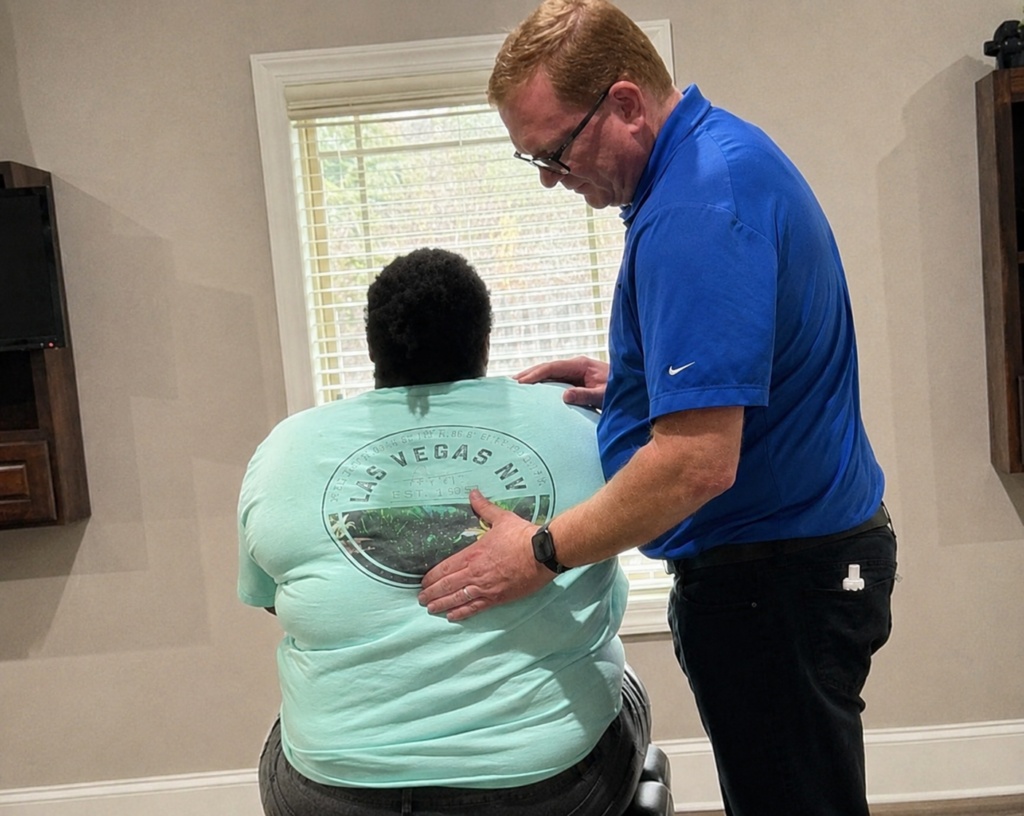
1. Chiropractic Care: One of the most effective treatments for back pain is chiropractic care, which focuses on spinal adjustments and manipulations. By restoring alignment to your spine, we can reduce pressure on nerves and muscles, providing you with relief from pain and discomfort.
This hands-on approach not only helps in alleviating current pain but also plays a significant role in preventing future injuries.
2. Physical Therapy: While I specialize in chiropractic care, I often collaborate with physical therapists to provide a holistic approach to healing. Physical therapy includes tailored exercises and stretches designed to strengthen your back and enhance flexibility.
Together, we can ensure you learn proper techniques that promote long-term health and injury prevention.
3. Massage Therapy: Incorporating therapeutic massage into your recovery can also be beneficial. Massage helps relax tense muscles, improve blood flow to affected areas, and promote overall healing.
It's a wonderful complement to chiropractic adjustments, as it can reduce stress and tension that may contribute to your back pain.
4. Acupuncture: Although I primarily focus on chiropractic adjustments, I recognize the value of acupuncture as part of a comprehensive treatment plan. This traditional Chinese medicine technique involves the insertion of thin needles at specific points in the body to relieve pain.
Many athletes have found success with acupuncture in managing chronic back pain and enhancing their recovery.
Each of these therapeutic options can play a vital role in your journey toward recovery. It's important to consult with me or another healthcare professional to determine which methods are best suited to your unique needs.
Effective Stretching and Strengthening
As your local chiropractor, I want to share some important insights on how you can manage and prevent sports-related back pain through effective stretching and strengthening techniques. Many of my patients are often unaware of how vital these practices are in maintaining a healthy spine.
Incorporating essential stretching techniques into your daily routine can greatly enhance your flexibility and reduce the risk of injury. Stretching helps to relieve tension in the muscles surrounding the spine, promoting better alignment and overall function.
Additionally, focusing on core strengthening exercises is crucial. A strong core supports your back, providing stability and reducing strain during physical activities. By strengthening these muscles, you can significantly lower your chances of experiencing back pain while engaging in sports.
Lastly, implementing post-activity recovery routines can further protect your back. Gentle stretching and proper rest after physical exertion allow your muscles to recover and prevent stiffness, which can lead to discomfort.
Essential Stretching Techniques
As a local chiropractor, I want to emphasize the importance of stretching techniques in maintaining a healthy spine and preventing sports-related back pain.
Many people may not realize how incorporating effective stretches into their daily routine can significantly improve flexibility, posture, and muscle tension.
Here are four essential stretches that I recommend to my patients:
- Cat-Cow Stretch: Begin on your hands and knees, and gently alternate between arching your back up (the cat position) and lowering it while lifting your head and tailbone (the cow position). This dynamic stretch is fantastic for enhancing spinal flexibility and can help alleviate discomfort.
- Child's Pose: Kneel on the ground and sit back onto your heels, extending your arms forward. This gentle stretch is perfect for elongating your spine and easing tension in the lower back, which is often a common area of discomfort.
- Knee-to-Chest Stretch: While lying on your back, bring one knee toward your chest and hold it there. This simple yet effective stretch can relieve tightness in the lower back and enhance overall flexibility, making it a great addition to your routine.
- Seated Forward Bend: Sit with your legs stretched out in front of you and reach toward your toes, holding the position. This stretch targets your hamstrings and lower back, promoting relaxation and improving your overall flexibility.
Incorporating these stretches into your daily routine can be an excellent way to support your spinal health and reduce the risk of injury.
Remember, taking care of your body through natural methods like stretching is an investment in your long-term wellness.
If you have any questions or need personalized guidance, feel free to reach out!
Core Strengthening Exercises
As a local chiropractor, I want to emphasize the importance of core strengthening exercises in maintaining a healthy spine and preventing sports-related back pain.
While stretching is vital for flexibility, a strong core is essential for supporting your spine and ensuring proper posture during any physical activity. When the core is weak, it can lead to imbalances that increase your risk of injury.
Incorporating exercises such as planks, bridges, and bicycle crunches into your routine can help strengthen your core.
Planks are particularly beneficial as they engage multiple muscle groups; I recommend holding the position for 30 seconds to a minute.
Bridges focus on your glutes and lower back, and performing 10 to 15 repetitions can be very effective.
Bicycle crunches are great for targeting your abdominal muscles; aim for 10 to 20 repetitions on each side.
It's crucial to pay attention to your form while performing these exercises to maximize their benefits and reduce the risk of injury.
I suggest starting with two to three sets of each exercise, gradually increasing the intensity as you build strength.
By prioritizing core strengthening, you can enhance your athletic performance and significantly reduce the likelihood of experiencing back pain.
Remember, consistency is vital.
Making these exercises a regular part of your training regimen will lead to a more resilient back and improved overall stability.
As your chiropractor, I'm here to support you on your journey to better health and natural healing.
Post-Activity Recovery Routines
As a local chiropractor, I want to help you understand the importance of a proper post-activity recovery routine for your body, especially in preventing back pain and enhancing your overall athletic performance.
Here are four effective strategies you can easily implement:
- Cool Down: After engaging in sports, it's crucial to spend 5-10 minutes doing light aerobic exercises, such as walking or gentle cycling. This gradual transition helps lower your heart rate and allows your body to shift from high activity to a restful state, promoting better recovery.
- Stretching: Incorporating both dynamic and static stretches into your routine is essential. Focus on areas like your back, hips, and legs to enhance flexibility. Stretches such as the cat-cow and hamstring stretch are particularly beneficial for relieving tension and preventing injuries.
- Strengthening: Post-activity is an excellent time to engage in specific strengthening exercises that support your back. Movements like planks, bridges, and bird-dogs are fantastic for enhancing core stability, which can significantly reduce the risk of future pain and discomfort.
- Hydration and Nutrition: Don't forget to replenish your body with fluids and nutrients immediately after your activity. A balanced intake of protein and carbohydrates plays a vital role in muscle repair and recovery, ensuring your body gets the support it needs to heal effectively.
By incorporating these strategies into your routine, you can help your body recover naturally and maintain optimal health.
If you have any questions or need personalized advice, feel free to reach out!
Lifestyle Adjustments for Recovery
As a local chiropractor, I want to help you understand how making a few lifestyle adjustments can significantly aid in your recovery from sports-related back pain.
One of the first steps is to incorporate proper warm-up techniques before engaging in any physical activity. This practice is crucial, as it can substantially lower your risk of sustaining injuries.
Moreover, I recommend using ergonomic equipment in your daily life. This can involve selecting chairs and desks that support good posture, which in turn helps alleviate strain on your back.
By prioritizing these adjustments, you'll not only enhance your recovery but also promote long-term health and well-being.
Proper Warm-Up Techniques
As a local chiropractor, I want to emphasize the importance of proper warm-up techniques before engaging in any sports activity. Not only do these techniques help prevent back pain, but they also enhance your overall performance.
A well-structured warm-up prepares your body for the physical challenges ahead by increasing blood flow to your muscles and improving flexibility. Here are four effective warm-up techniques that I recommend incorporating into your routine:
- Dynamic Stretching: This involves movements that closely mimic the activities of your sport. Incorporate exercises like leg swings, arm circles, and torso twists to effectively loosen your muscles and joints, making them more resilient to strain.
- Light Aerobic Activity: Engage in 5-10 minutes of light cardiovascular exercise, such as jogging or jumping jacks. This activity raises your heart rate and helps warm up your entire body, preparing it for more intense movements.
- Targeted Mobility Exercises: Focus on exercises that specifically target your back and core, as these areas are critical for stability and support during physical activity. Gentle cat-cow stretches and torso rotations are excellent options to get these muscles ready for action.
- Gradual Intensity Progression: When you start your sports activity, begin at a lower intensity. Gradually increase your pace and effort to allow your body to adapt and minimize the risk of injury.
Incorporating these warm-up techniques into your routine can significantly enhance your athletic performance while reducing the likelihood of back pain.
Ergonomic Equipment Usage
As a local chiropractor, I want to emphasize the importance of using ergonomic equipment, especially for those recovering from sports-related back pain. Ergonomic tools are designed to support your body's natural posture, which can significantly reduce strain on your back during everyday activities.
One of the first things I recommend is investing in an ergonomic chair for your workspace. This type of chair provides essential lumbar support, which helps maintain healthy spine alignment while you sit for extended periods.
When it comes to engaging in sports, utilizing ergonomic gear can truly make a difference in your performance and comfort. Look for athletic shoes that offer excellent arch support and cushioning. Proper footwear is crucial as it absorbs impact and minimizes pressure on your back, contributing to your overall well-being.
Additionally, if you find yourself standing for long periods during practice or workouts, consider using ergonomic mats or pads to reduce fatigue and strain.
We can't overlook the importance of how we interact with our tech devices. Adjusting your workspace with a laptop stand or keyboard tray can position your screen at eye level, which helps prevent neck and back strain.
Incorporating these ergonomic adjustments into your daily routine can lead to a more comfortable experience, allowing your body to heal effectively.
Conclusion
As a local chiropractor, I want to share some valuable insights on how to relieve sports-related back pain through natural healing methods. Understanding the root causes of your discomfort is crucial, as it allows us to take proactive steps to protect your back during physical activities.
One of the key aspects we emphasize in chiropractic care is the importance of using proper techniques while engaging in sports. This not only helps prevent injuries but also promotes optimal spinal health. Additionally, I encourage you to explore various therapeutic options that can aid in your recovery, such as chiropractic adjustments, which can enhance your body's natural healing processes.
Incorporating effective stretching and strengthening exercises into your routine is another essential component of back pain relief. These exercises not only improve flexibility but also build the necessary support for your spine. Moreover, making certain lifestyle adjustments can significantly contribute to your healing journey.
With the right approach and guidance, you can return to the activities you love, free from discomfort. My goal as your chiropractor is to help you achieve lasting relief and empower you with the knowledge to maintain a healthy back.