
Your posture is a fundamental aspect of managing back pain effectively. When your spine is not aligned properly, it can lead to increased discomfort and slow down your recovery process. By recognizing the important link between posture and pain, you can take proactive steps to relieve your symptoms and promote healing.
Many people unknowingly make common posture mistakes that contribute to their back pain. For instance, slouching while sitting or standing can put added strain on your spine. Instead, aim to keep your shoulders back and your head aligned over your pelvis. Simple adjustments like using ergonomic furniture or taking breaks to stretch can make a significant difference.
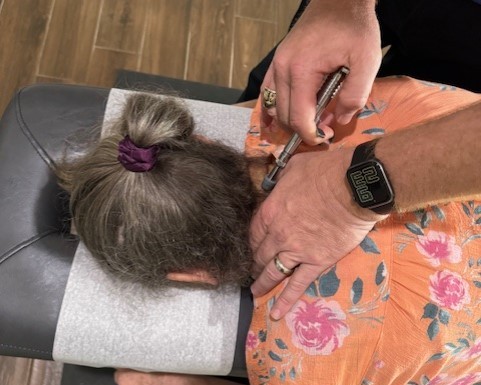
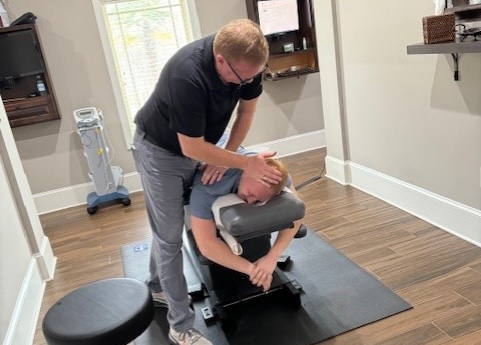
Chiropractic care is an excellent way to address posture-related issues. A chiropractor can help realign your spine, improve your posture, and provide personalized exercises that strengthen the muscles supporting your back. These natural, hands-on techniques not only relieve pain but also enhance your overall well-being.
Here are some general tips to help you improve your posture and support your back health:
- Be Mindful of Your Sitting Position: Keep your feet flat on the ground, your knees at a right angle, and your back supported by a chair that encourages a straight spine.
- Incorporate Stretching into Your Routine: Regular stretching can help relieve tension in your back muscles. Focus on stretches that open up your hips and lengthen your spine.
- Strengthen Your Core: A strong core supports your spine. Include exercises like planks and bridges in your routine to build core strength.
- Adjust Your Workspace: Ensure your computer screen is at eye level and your chair supports your lower back to maintain good posture throughout the day.
- Stay Active: Regular physical activity keeps your muscles flexible and strong. Choose activities that you enjoy to make it easier to stay active.
By making these small adjustments and considering chiropractic care, you can achieve significant improvements in your posture and overall health. Remember, a well-aligned spine is key to a pain-free life. Let’s work together towards your wellness journey!
Understanding Posture and Its Importance
When you think about how your body is aligned, it’s crucial to recognize the importance of posture in maintaining overall health. Good posture means your body is balanced and aligned, which helps support your muscles and joints effectively. When you stand, sit, or move with proper alignment, you reduce strain on your body, allowing it to function efficiently and comfortably.
On the other hand, poor posture can create unnecessary stress on your spine and the surrounding muscles, leading to fatigue and discomfort. This misalignment can affect how your body moves and, over time, result in a range of issues that can impact your daily life.
As a chiropractor, I want to emphasize that maintaining good posture is vital for preventing these problems. Here are some simple tips you can incorporate into your daily routine to help improve your posture and overall well-being:
- Be Mindful of Your Position: Whether you’re sitting at a desk, standing in line, or relaxing on the couch, take a moment to check your alignment. Keep your shoulders back, and your chin tucked in, and try to distribute your weight evenly on both feet when standing.
- Create an Ergonomic Workspace: If you spend a lot of time at a desk, ensure your chair supports your lower back and that your computer screen is at eye level. This will help you maintain a natural posture while working.
- Take Breaks to Move: If you find yourself sitting for long periods, make it a habit to stand up, stretch, and walk around every hour. This will help reduce tension in your muscles and keep your spine healthy.
- Strengthen Your Core: Engaging in exercises that strengthen your core muscles can provide better support for your spine. Consider adding activities like planks or yoga to your routine.
- Seek Chiropractic Care: Regular visits to a chiropractor can help ensure that your spine is aligned and functioning properly. Chiropractic adjustments can alleviate pain and discomfort, promoting natural healing and optimal health.
By making these small but impactful changes, you can enhance your posture, reduce the risk of pain, and support your body’s natural healing processes.
The Connection Between Posture and Back Pain
Poor posture is a major contributor to back pain, particularly for those who spend long hours sitting or standing inappropriately. When you slouch or hunch, you put extra strain on your spine and the surrounding muscles, leading to discomfort, stiffness, and potentially chronic pain over time.
It’s important to understand that your posture affects more than just your back; it plays a crucial role in your overall health. Good posture allows your body to distribute weight evenly, which reduces unnecessary pressure on your spine. By maintaining a neutral spine position, you’re enabling your muscles to function more efficiently, helping to minimize fatigue and discomfort.
As a chiropractor, I encourage you to make small adjustments to your daily habits. For example, when sitting, keep your feet flat on the ground, and make sure your ears are aligned with your shoulders. Being mindful of your posture throughout the day can go a long way in preventing back pain and promoting a healthier spine.
Chiropractic care is an excellent option for addressing posture-related issues. Our approach focuses on natural healing and restoring spinal alignment, which can lead to significant relief from pain and discomfort. By visiting a chiropractor, you can receive personalized guidance and treatments that not only alleviate current pain but also enhance your overall well-being.
Common Postural Mistakes That Worsen Pain
As a local chiropractor, I want to highlight how simple postural habits can significantly impact your back pain. Many people unknowingly slouch in chairs, struggle with poor desk ergonomics, or sleep in positions that exacerbate discomfort.
These common mistakes can be easily addressed, and doing so is a vital step toward finding relief and enhancing your overall wellness.
Here are some simple tips to improve your posture and help alleviate pain:
- Mind Your Sitting Position: When sitting, keep your feet flat on the floor and your knees at a right angle. Use a chair that supports your lower back, and try to keep your shoulders relaxed and back.
- Optimize Your Workspace: Ensure your desk setup promotes good posture. Your computer screen should be at eye level, and your chair should allow you to sit with your hips slightly higher than your knees.
- Adjust Your Sleeping Position: Sleep on your back or side with a supportive pillow that keeps your neck aligned with your spine. Avoid sleeping on your stomach, as this can strain your neck and back.
- Take Breaks and Move: If you’re sitting for long periods, make it a habit to stand up, stretch, and move around every hour. This helps reduce stiffness and promotes spinal health.
- Consider Chiropractic Care: Regular visits to a chiropractor can help you maintain proper alignment, relieve pain, and enhance your overall health. Chiropractic adjustments are a natural way to address misalignments and improve your body’s function.
By making these small changes to your posture and incorporating chiropractic care into your routine, you can take significant steps toward experiencing less pain and achieving optimal health.
Slouching in Chairs
How often do you find yourself sinking into your chair, with rounded shoulders and a hunched back? This slouching position can significantly worsen your back pain and overall health.
When you neglect your posture, you place unnecessary strain on your spine and the surrounding muscles, leading to a range of issues. Here are some common problems that arise from slouching:
- Decreased spinal support, which can lead to discomfort and pain.
- Increased pressure on your intervertebral discs, potentially causing further complications.
- Reduced lung capacity, which can affect your breathing and overall vitality.
- Poor blood circulation, often resulting in fatigue and a lack of energy.
The good news is that chiropractic care offers a natural and effective solution for these issues. By addressing your posture and spinal alignment, we can help alleviate pain and promote better overall health.
Here are some helpful tips to improve your posture and enhance your well-being:
- Sit Up Straight: Make a conscious effort to sit with your back straight and shoulders back. This simple adjustment can have a profound impact on your spinal health.
- Use Supportive Chairs: Opt for chairs that provide good lumbar support. Your lower back should be supported to maintain its natural curve.
- Take Breaks: If you find yourself sitting for long periods, take regular breaks to stand, stretch, and walk around. This helps relieve pressure on your spine and promotes circulation.
- Practice Good Ergonomics: Ensure your workspace is set up to encourage good posture. Your screen should be at eye level, and your feet should rest flat on the ground.
- Stay Active: Regular exercise, including stretching and strengthening routines, can help improve your posture and support your spine.
By incorporating these tips into your daily routine and seeking chiropractic care, you can take significant steps towards achieving optimal health and wellness.
Poor Desk Ergonomics
Many people underestimate the impact of their desk setup on their overall health, especially when it comes to back pain. It’s common to make postural mistakes that can worsen discomfort. For example, if you’re sitting too far from your screen, you might find yourself leaning forward, which can strain your back. A chair that lacks proper lumbar support can lead to slouching or hunching over, further increasing discomfort.
To promote better posture, keep your feet flat on the floor; dangling legs can create tension in your lower back. Position your keyboard and mouse within easy reach to avoid awkward arm positions that can lead to strain. Additionally, ensure your monitor is at eye level to prevent neck strain.
By addressing these ergonomic issues, not only can you alleviate back pain, but you can also create a more comfortable workspace that supports your overall well-being.
Remember, chiropractic care is an excellent option for achieving optimal health and relieving pain naturally. Regular adjustments can help improve your posture, align your spine, and enhance your body’s ability to heal itself.
Embracing these ergonomic tips alongside chiropractic care can lead to a healthier, pain-free life.
Incorrect Sleeping Position
While it might seem harmless, an incorrect sleeping position can significantly worsen back pain. Your sleep posture is crucial for maintaining proper spinal alignment, and certain habits can lead to increased discomfort.
As a local chiropractor, I want to help you understand how to improve your sleep habits for better back health. Here are some common mistakes to avoid:
- Sleeping on your stomach: This position can twist your neck and put unnecessary strain on your spine. Instead, consider sleeping on your back or side for better alignment.
- Using a too-high pillow: A pillow that’s too high can cause neck strain and misalign your spine. Opt for a flatter pillow that supports the natural curve of your neck.
- Curling up in a ball: While it may feel cozy, this position can compress your spine and lead to stiffness. Try to sleep with your legs extended or with a pillow between your knees if you prefer side sleeping.
- Ignoring mattress quality: An unsupportive mattress can significantly contribute to back pain. Invest in a quality mattress that provides the right support for your body.
In addition to these tips, regular chiropractic care can help maintain your spinal health and relieve pain naturally.
How Proper Posture Can Aid in Recovery
Proper posture is a crucial component of your recovery from back pain and overall wellness. When you maintain correct spinal alignment, you can significantly reduce muscle strain, allowing your body to heal more effectively. This is where chiropractic care truly shines.
By focusing on your posture with the guidance of a chiropractor, you not only alleviate pain but also enhance your overall health and well-being.
Here are some simple tips to help you improve your posture and support your recovery:
- Sit Smart: When sitting, ensure your back is straight, shoulders relaxed, and feet flat on the ground. Use a chair that supports your lower back.
- Stand Tall: When standing, distribute your weight evenly on both feet and keep your ears aligned with your shoulders. This helps maintain a healthy spine.
- Mind Your Screen Time: If you spend long hours at a computer, position your screen at eye level to prevent slouching and neck strain.
- Take Breaks: Make it a habit to stand up and stretch every 30 minutes. Simple stretches can relieve tension and improve circulation.
- Strengthen Core Muscles: A strong core supports your spine. Incorporate exercises like planks and bridges into your routine to build strength.
Remember, chiropractic care is the best choice for achieving optimal health and recovery. A chiropractor can provide personalized adjustments and guidance tailored to your unique needs, promoting not just pain relief but also long-lasting wellness.
Embrace the journey to a healthier you by prioritizing proper posture and seeking the benefits of chiropractic care.
Aligning Spine Correctly
When you align your spine correctly, you’re not just easing discomfort; you’re also paving the way for a quicker recovery from back pain. In our practice, we emphasize the importance of proper posture in keeping your spine in its optimal position.
Here are some fantastic benefits of maintaining a correct alignment that you can easily incorporate into your daily routine:
- Reduces pressure on spinal discs: By keeping your spine aligned, you can relieve unnecessary stress on the discs that act as cushions between your vertebrae, helping to prevent pain and injury.
- Enhances blood circulation to muscles: Proper alignment encourages better blood flow, which means your muscles receive the oxygen and nutrients they need to function optimally, aiding in recovery and overall wellness.
- Supports overall body mechanics: When your spine is aligned, your body can move more efficiently. This means less strain on your muscles and joints, allowing you to perform daily activities with ease.
- Boosts your confidence and mood: Good posture can positively impact how you feel about yourself. Standing tall not only helps you project confidence but can also elevate your mood and make you feel more energized.
Incorporating simple habits into your daily life can greatly benefit your spinal health.
Here are a few tips to get you started:
- Practice good posture: Whether sitting, standing, or walking, be mindful of how you hold your body. Keep your shoulders back, and your head aligned over your spine.
- Stretch regularly: Take time to stretch your back and neck throughout the day. Simple stretches can relieve tension and help maintain flexibility.
- Use ergonomic furniture: If you spend long hours at a desk, invest in an ergonomic chair that supports your lower back and encourages correct posture.
- Stay active: Engage in regular physical activity, such as walking or yoga, to strengthen your core muscles and support your spine.
Remember, chiropractic care is a natural and effective way to achieve and maintain optimal spinal health.
Reducing Muscle Strain
Maintaining good posture is crucial not just for keeping your spine aligned, but it also significantly reduces muscle strain during your recovery process. When you sit or stand correctly, you evenly distribute your body weight, which minimizes stress on your muscles and joints. This balance is key to preventing fatigue and allowing your muscles to relax—something that’s essential for healing.
As a chiropractor, I emphasize the importance of good posture in achieving optimal health. By aligning your spine and ensuring that your body is in the right position, you can help your muscles recover more effectively.
Here are some simple tips to improve your posture and reduce muscle strain:
- Be Mindful of Your Posture: Whether you’re sitting at a desk or standing, regularly check in with your body. Keep your shoulders back, your spine straight, and your feet flat on the ground.
- Use Supportive Furniture: When sitting, choose chairs that offer good lumbar support. If you’re working at a desk, consider using a cushion to help maintain the natural curve of your spine.
- Take Frequent Breaks: If you’re sitting for long periods, make sure to get up and move around every 30 minutes. Stretching and walking can help relieve tension and improve circulation.
- Strengthen Your Core: A strong core supports your spine. Incorporate exercises that target your abdominal muscles, as they play a vital role in maintaining good posture.
- Consider Chiropractic Care: Regular visits to a chiropractor can help ensure that your spine is aligned and functioning optimally. Chiropractic adjustments can relieve tension and improve your overall posture, promoting natural healing.
By following these tips and considering chiropractic care as part of your wellness routine, you can effectively reduce muscle strain and promote a healthier, more balanced body.
Exercises to Improve Posture and Relieve Pain
To effectively alleviate back pain, integrating exercises that improve your posture is crucial. By enhancing your posture, you not only relieve discomfort but also strengthen the muscles that support your spine.
Chiropractic care plays a pivotal role in this process, helping to align your spine and optimize your overall health. Here are some simple exercises to get you started on your journey to better posture and pain relief:
- Wall Angels: Stand against a wall with your arms bent at a 90-degree angle. As you slide your arms up and down, keep them in contact with the wall. This exercise helps open up your shoulders and chest, promoting better alignment.
- Plank: Engage your core by holding a plank position. Focus on keeping your spine straight and your shoulders aligned. This exercise strengthens your core muscles, which support your back.
- Cat-Cow Stretch: Get on all fours and alternate between arching your back and rounding it. This stretch promotes flexibility in your spine and can help reduce tension.
- Chest Opener: Stand tall, interlace your fingers behind your back, and gently pull your arms away from your body. This stretch opens up your chest and counteracts the effects of slouching.
Incorporating these exercises into your daily routine can lead to noticeable improvements in your posture and a reduction in back pain.
Remember, regular chiropractic adjustments can further enhance your progress by ensuring your spine is properly aligned. By taking these steps, you’re investing in your health and creating a foundation for a pain-free life.
Always listen to your body, and if you experience any discomfort, consult your chiropractor for personalized guidance.
Ergonomic Adjustments for Better Spinal Alignment
As a local chiropractor, I want to emphasize how important your workspace setup is for your spinal health and overall comfort. Many people don’t realize that simple adjustments can make a big difference in how their body feels throughout the day.
First, let’s talk about your chair. Make sure it’s adjusted so that your feet rest flat on the floor and your knees form a 90-degree angle. Proper support for your lower back is essential, so utilize your chair’s lumbar support or consider using a cushion to help maintain that natural curve in your spine.
Next, it’s crucial to position your computer screen at eye level, about an arm’s length away. This not only helps to prevent neck strain but also encourages a neutral spine position. Your keyboard and mouse should be positioned so that your wrists are straight and your elbows are close to your body. This ergonomic setup is vital in reducing unnecessary stress on your spine.
Additionally, keep items you use frequently within easy reach. This will help you avoid awkward stretching or twisting that can lead to discomfort. By making these small yet significant ergonomic adjustments, you can create a workspace that promotes better spinal alignment and minimizes the risk of back pain.
Remember, these adjustments are just one part of maintaining your overall health. Combining them with regular chiropractic care can enhance your well-being and support your body’s natural healing processes.
Chiropractic care is an excellent choice for pain relief and achieving optimal health. By focusing on your spinal health, you can enjoy a more comfortable and active lifestyle.
Make these changes today, and experience the difference they can make!
Long-Term Benefits of Maintaining Good Posture
Good posture doesn’t just feel better in the moment; it offers long-term benefits that can significantly enhance your overall health and well-being. As a chiropractor, I want to emphasize how being mindful of your alignment can help prevent discomfort and improve your quality of life over time.
Here are some key benefits of good posture and practical tips for maintaining it:
- Reduced Risk of Injury: When you maintain proper posture, your body weight is distributed evenly. This reduces strain on your muscles and joints, which can lower the risk of injuries. Regular chiropractic adjustments can help ensure your spine is aligned, supporting better posture.
- Improved Breathing: Good posture opens up your chest and diaphragm, allowing for deeper, more efficient breaths. This is crucial for overall health. Try to sit or stand tall, and consider incorporating breathing exercises into your daily routine to enhance lung capacity.
- Enhanced Digestion: Sitting or standing upright aids in proper organ alignment, promoting better digestion and absorption of nutrients. Remember to maintain a neutral spine while eating, which can help your digestive organs function better.
- Boosted Confidence: Standing tall not only makes you appear more confident, but it can also influence your mindset, making you feel more empowered. Incorporate posture checks throughout your day—set reminders on your phone or use sticky notes in your workspace to encourage good alignment.
To maintain good posture, consider these simple tips:
- Be Mindful: Regularly check in with your body. Are your shoulders back? Is your chin parallel to the ground?
- Strengthen Core Muscles: Engage in exercises that strengthen your core, as a strong core supports better posture.
- Stretch Regularly: Incorporate stretches into your daily routine to relieve tension in your muscles and promote flexibility.
- Use Ergonomic Furniture: If you spend long hours at a desk, consider ergonomic chairs and desks that encourage good posture.
Chiropractic care is an excellent way to support your journey toward optimal health and wellness. Regular visits can help ensure your spine is aligned, which is key to maintaining good posture and enjoying these long-term health benefits.
Conclusion
To sum it up, maintaining good posture is crucial for effectively managing and treating back pain. By being conscious of your alignment, you can significantly reduce discomfort and support your healing journey. As a chiropractor, I encourage you to incorporate posture-improving exercises into your routine and make ergonomic adjustments in your daily life. These changes can lead to meaningful long-term benefits for your spine and overall health.
Remember, the way you carry yourself affects not only your back but also your general well-being. Prioritizing good posture can help you enjoy a healthier, pain-free life. Here are a few simple tips to help you improve your posture:
- Sit Smart: When sitting at your desk, keep your feet flat on the floor, and your back straight against the chair. Consider using a lumbar roll or cushion for added support.
- Stand Tall: When standing, distribute your weight evenly on both feet and avoid locking your knees. Keep your shoulders back and your head aligned over your spine.
- Stretch Regularly: Incorporate gentle stretches into your day to relieve tension and improve flexibility. Simple neck, shoulder, and back stretches can make a big difference.
- Strengthen Your Core: A strong core supports your spine. Engage in exercises that strengthen your abdominal and back muscles to help maintain good posture.
- Stay Active: Regular physical activity promotes overall health and keeps your muscles strong. Consider activities like walking, swimming, or yoga to keep your body moving.
By focusing on these tips and considering chiropractic care for pain relief and natural wellness, you can take significant steps toward a healthier, pain-free life. Remember, your posture plays a vital role in your recovery, so let’s work together to achieve optimal health!