
As a local chiropractor, I understand that dealing with a sports injury can be a daunting experience. It's essential to recognize that the right recovery techniques can significantly enhance your healing journey. Many patients are unfamiliar with the holistic approaches we offer, which can complement traditional medical treatments.
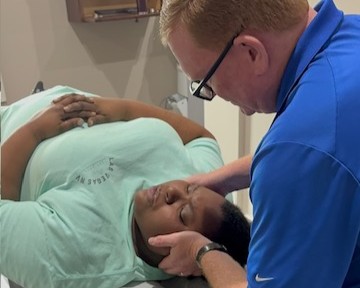
Chiropractic care focuses on restoring balance and function to your body. Techniques such as manual therapy, which involves hands-on adjustments, can alleviate pain and promote healing by improving the alignment of your musculoskeletal system. We also emphasize the importance of targeted exercises tailored to your specific injury, helping to rebuild strength and mobility.
Additionally, don't underestimate the impact of nutrition on recovery. A well-balanced diet can provide the essential nutrients your body needs to heal more effectively. Furthermore, mental health support is vital, as the psychological aspect of recovering from an injury can be just as significant.
But you may wonder, what combination of these techniques will work best for you? Together, we can explore a personalized recovery plan that incorporates chiropractic care, exercise, nutritional guidance, and mental health support, ensuring that you have a comprehensive approach to your rehabilitation. Your journey to recovery is unique, and my goal is to provide you with the tools and guidance needed to return to your active lifestyle.
Understanding Sports Injuries
As a local chiropractor, I understand that sports injuries can be a frustrating hurdle for athletes, whether you're an occasional participant or a seasoned competitor. Gaining insight into your injury is crucial for a successful recovery, and that's where chiropractic care can play an essential role.
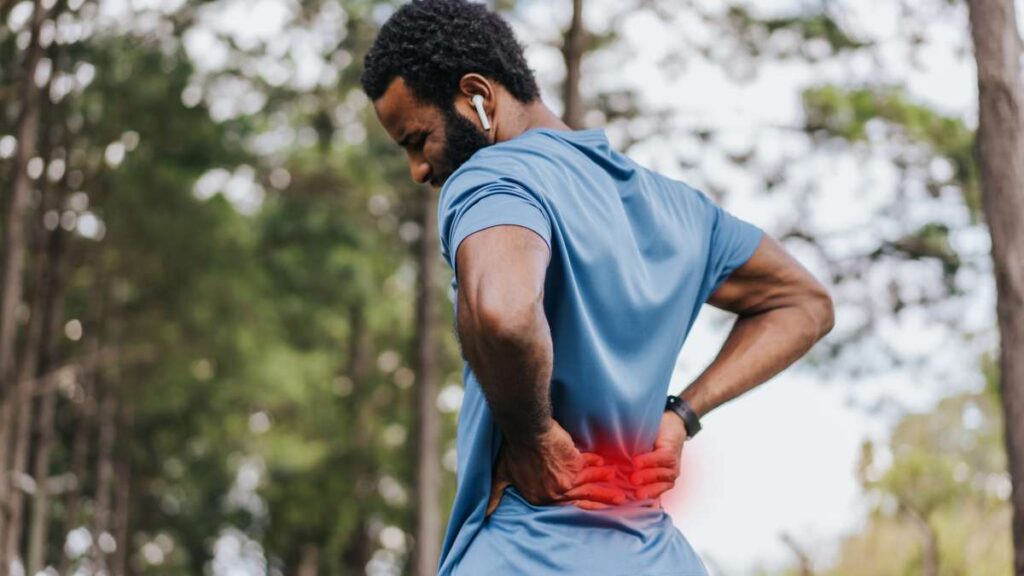
Sports injuries are generally classified into two categories: acute and chronic. Acute injuries strike suddenly during activity, often due to a specific incident—think sprained ankles, fractures, or strains. These injuries typically present immediate pain, along with possible swelling or bruising. Chiropractic care can help alleviate this pain and promote healing through targeted adjustments and therapies.
Chronic injuries, in contrast, develop gradually over time. They often arise from repetitive motions or overuse, such as tendinitis or stress fractures. If you're dealing with persistent pain that doesn't seem to improve, it's vital to listen to what your body is communicating. Ignoring these warning signs can lead to more severe complications later on. Chiropractic adjustments can help restore proper function and alignment, addressing the root cause of the pain rather than just masking it.
Understanding the common causes of sports injuries is also key to prevention. Factors such as poor technique, inadequate warm-up, and lack of conditioning can all heighten your risk of injury. Additionally, be mindful of your equipment; using the right shoes and well-maintained gear is critical for injury prevention. A chiropractor can guide you in choosing the appropriate equipment and provide exercises to enhance your conditioning.
Finally, it's important to remember that each individual's body is unique. What aids one athlete may not yield the same results for another. That's why it's essential to listen to your body and seek guidance from a healthcare professional, like a chiropractor, when necessary.
Importance of Early Intervention
As a local chiropractor, I want to emphasize how crucial early intervention is when it comes to recovering from sports injuries. When you take action promptly, you're not only addressing immediate pain but also preventing complications that could keep you sidelined for much longer. Delaying treatment or ignoring symptoms can lead to chronic issues, which we certainly want to avoid.
It's important to recognize the signs of an injury early on. If you're experiencing persistent pain or noticing swelling, please don't hesitate to seek help. As a chiropractor, I can provide you with a thorough assessment and a personalized recovery plan that aligns with your body's natural healing processes. This proactive approach can help ensure a quicker return to your favorite activities, giving you the confidence to perform at your best.
In addition, early intervention often involves techniques like the RICE method—rest, ice, compression, and elevation. Implementing these strategies right after an injury can greatly reduce swelling and pain, laying the groundwork for a smoother recovery. Chiropractic care can also help enhance blood flow to the injured area, which is essential for healing.
Moreover, addressing your injury early on can provide mental relief as well. Knowing that you're taking the right steps reduces anxiety about your injury and its impact on your performance. It allows you to focus on your recovery instead of worrying about potential long-term consequences.
Physical Therapy Techniques
As a local chiropractor, I want to emphasize the importance of physical therapy techniques in your recovery from a sports injury. Incorporating these methods into your healing process can be incredibly beneficial.
We focus on manual therapy approaches that help alleviate pain and improve mobility. Additionally, we utilize therapeutic exercise regimens tailored to your specific needs, which can enhance your strength and stability.
Moreover, we employ various modalities and specialized equipment designed to promote healing and restore function. Each technique we use targets different aspects of your recovery, ensuring that you regain your strength and mobility in a safe and effective manner.
Embracing chiropractic care and natural healing can set you on the path to a full recovery.
Manual Therapy Approaches
As a local chiropractor, I want to help you understand the significant role manual therapy approaches can play in your recovery from sports injuries. These hands-on techniques are designed to alleviate pain and enhance mobility, and they can be an integral part of your healing process.
In our sessions, I'll utilize specific movements such as joint mobilization and soft tissue manipulation to target the areas affected by your injury. These techniques are effective in reducing muscle tension and increasing blood flow, which can accelerate healing.
You may experience methods like myofascial release, which focuses on relieving tension in the connective tissues, or deep tissue massage, which works on deeper layers of muscle to enhance your range of motion and minimize discomfort.
Additionally, joint mobilization involves gentle movements of your joints to restore proper function and relieve stiffness.
Incorporating manual therapy into your recovery plan can be especially beneficial after intense training sessions or following an injury. It's important to communicate openly with me about your pain levels and progress so that we can tailor the treatment to meet your specific needs.
Remember, consistency is vital; regular sessions can maximize the benefits of our work together, helping you return to your sport feeling stronger and more resilient.
I encourage you to embrace these hands-on techniques as a vital part of your journey toward recovery and improved overall performance. Natural healing through chiropractic care can make a significant difference in your life and athletic pursuits.
Therapeutic Exercise Regimens
As a local chiropractor, I want to emphasize how a well-structured therapeutic exercise regimen can significantly aid in your recovery from sports injuries. These regimens are personalized to address your unique needs, allowing you to restore strength, flexibility, and stability in a natural way. By engaging in specific, targeted exercises, you not only work towards healing the injury but also actively prevent potential future issues.
Begin with gentle movements that focus on improving your range of motion. This foundational step is crucial for your recovery. As you gain confidence and strength, we can gradually incorporate strength training exercises. These will help rebuild the muscles surrounding the injured area, providing essential support to your joints and minimizing the risk of re-injury.
Additionally, balance exercises play a vital role in your recovery; they enhance your proprioception and coordination, ensuring that your body functions optimally during sports activities.
I can't stress enough the importance of consistency in your exercise routine. Establish a regimen that seamlessly fits into your daily life, and be mindful to gradually increase the intensity of your exercises. Always listen to your body; if something doesn't feel right, it's important to stop and reassess rather than pushing through the pain.
Regular check-ins with me, your chiropractor, can help monitor your progress and make necessary adjustments to your exercise regimen, ensuring that you're on the right path to recovery and overall wellness.
Modalities and Equipment Use
As a local chiropractor, I'd like to share how incorporating various modalities and equipment into your recovery plan can significantly enhance your rehabilitation from sports injuries. These natural healing tools can facilitate tissue repair, alleviate pain, and improve your overall function.
One of the effective methods I often recommend is ultrasound therapy. This technique utilizes sound waves to promote tissue healing and reduce inflammation, helping you recover faster.
Additionally, electrical stimulation is another valuable tool that can assist in managing pain and improving muscle activation, making a noticeable difference in your recovery journey. Classic approaches like heat and cold therapy are also beneficial; heat can relieve soreness, while cold therapy effectively reduces swelling.
In addition to these modalities, specialized equipment can play a crucial role in your rehabilitation. Resistance bands and foam rollers are fantastic for enhancing flexibility and strength without putting too much stress on your injured areas.
Aquatic therapy is particularly beneficial as it uses the resistance of water, allowing you to perform exercises with minimal impact, which is ideal for regaining mobility.
It's also important not to underestimate the value of proper footwear and supportive braces. These can provide essential stability and help mitigate the risk of re-injury.
By integrating these modalities and equipment into your recovery plan, you'll be taking a holistic approach that not only accelerates your healing process but also prepares you for a successful return to your sport.
As your chiropractor, I'm here to guide you through this process and ensure you receive the best care possible.
Role of Rest and Recovery
As a local chiropractor, I want to help you understand the vital role that rest and recovery play in healing from sports injuries. Your body has an incredible ability to repair and strengthen itself, but it needs time to do so.
After an injury, your muscles, tendons, and ligaments require adequate recovery to ensure they heal properly. Ignoring this crucial phase can lead to further damage and delay your return to the activities you love.
Here are three essential aspects of rest and recovery that I encourage you to focus on:
1. Sleep: Quality sleep is one of the cornerstones of recovery. When you enter deep sleep, your body naturally releases growth hormones, which are critical for tissue repair and muscle recovery.
I recommend aiming for 7-9 hours of uninterrupted sleep each night to help maximize your healing process.
2. Active Rest: While rest is crucial, complete inactivity isn't always the best approach. Engaging in low-impact activities, such as walking or gentle stretching, can actually improve blood circulation and reduce stiffness.
This method promotes movement in a safe way without putting excessive stress on the injured area, facilitating a smoother recovery.
3. Hydration and Nutrition: Staying properly hydrated and maintaining a balanced diet are key components of your recovery journey. Consuming a diet rich in protein, vitamins, and minerals supports your body's healing processes.
For instance, omega-3 fatty acids can help reduce inflammation, while proteins are essential for rebuilding damaged tissues.
Make sure you're nourishing your body with the right foods to optimize your healing potential.
Incorporating these elements into your recovery routine can significantly enhance your healing process.
If you have any questions or need personalized guidance, feel free to reach out during your next visit. Your journey to recovery is important to us!
Targeted Strengthening Exercises
As your local chiropractor, I want to emphasize the importance of rest and recovery after a sports injury. Once you've given your body the time it needs to heal, it's crucial to shift your focus toward targeted strengthening exercises. These exercises aren't only key for rebuilding strength and stability but also play an essential role in preventing future injuries by addressing specific weaknesses in your body.
I recommend starting with low-impact exercises that gently engage the affected muscles. Using tools like resistance bands or light weights can be very beneficial, as they provide the support needed while helping you gradually increase your strength. For instance, if you've sustained a knee injury, exercises such as leg extensions and hamstring curls can effectively strengthen the muscles surrounding the joint.
Always listen to your body; if you experience pain, it's important to stop and reassess.
As you progress in your recovery, incorporating more functional movements that mimic the actions of your sport can be extremely helpful. This might include balance exercises, such as single-leg stands, or stability training on unstable surfaces like a balance board. These activities can enhance your coordination and proprioception, vital factors in reducing the risk of re-injury.
Establishing a consistent routine is key. Aim to engage in these targeted strengthening exercises two to three times a week. As your strength improves, gradually increase the intensity and complexity of your workouts.
Patience is essential—allow your body the time it needs to adapt to these changes. By focusing on these targeted exercises, not only will you recover more effectively, but you'll also build a stronger foundation for your return to sports.
Cryotherapy and Cold Therapy
As your local chiropractor, I want to share how cryotherapy and cold therapy can significantly aid in your recovery from sports injuries.
These natural healing methods provide a multitude of benefits, including reducing inflammation and accelerating the healing process.
However, it's essential to familiarize yourself with the different techniques available and the potential risks involved.
By understanding these aspects, you can ensure that you use these therapies safely and effectively to support your overall well-being.
My goal is to help you navigate these options and incorporate them into your recovery journey.
Benefits of Cold Treatment
As your local chiropractor, I want to share the benefits of cold treatment, commonly known as cryotherapy or cold therapy, especially for those of you who may be unfamiliar with chiropractic care and natural healing methods.
Cold treatment can be a powerful ally in your recovery journey, particularly if you're dealing with injuries. Here are three key benefits to consider:
- Reduces Inflammation: When you apply cold to an injured area, it constricts blood vessels, which helps to minimize swelling and inflammation. This is crucial after an injury, as it allows your body to focus its energy on healing rather than dealing with excess fluid buildup.
- Alleviates Pain: Cold therapy provides a numbing effect that can temporarily relieve pain. By reducing nerve activity in the affected area, many patients find it easier to manage discomfort, allowing you to engage more effectively in your recovery process.
- Promotes Faster Recovery: By addressing inflammation and pain, cold therapy can help accelerate your overall recovery time. This means you can get back to your regular activities, training, and performance sooner than if you were to forgo this beneficial technique.
Incorporating cold treatment into your recovery routine can significantly enhance your healing process.
As your chiropractor, I encourage you to use this method wisely and in conjunction with other natural healing practices for optimal results. Together, we can work towards a healthier, pain-free life!
Cryotherapy Methods Explained
As a local chiropractor, I want to share some insights on the various cryotherapy methods that can aid in your injury recovery and overall well-being.
Cryotherapy, or cold therapy, is a natural healing technique that involves exposing your body to cold temperatures to help reduce inflammation and alleviate pain.
One of the simplest and most accessible methods is the ice pack treatment. By applying ice packs directly to the injured area for about 15-20 minutes, you can effectively numb pain and constrict blood vessels, which promotes faster healing.
If you're looking for a more comprehensive approach, whole-body cryotherapy might be for you. This method involves stepping into a cryotherapy chamber that exposes your entire body to extremely cold air for a few minutes.
This technique not only stimulates your body's natural healing processes but can also enhance your overall recovery speed.
For those who prefer a targeted approach, cold water immersion is another excellent option. This involves submerging specific body parts or even your whole body in icy water to help reduce soreness and inflammation.
We also have a newer treatment known as cryo-facials, which specifically targets the face. This method helps reduce facial inflammation and supports recovery, making it a popular choice for many of my patients.
Each cryotherapy method has its own unique benefits, so it's essential to understand which one aligns best with your recovery needs.
I encourage you to explore these techniques as part of your natural healing journey and see how they can complement your chiropractic care.
Risks and Precautions
As your local chiropractor, I want to share some important information about cryotherapy, especially for those of you who may not be familiar with this natural healing method.
Cryotherapy can be an excellent tool for injury recovery, but it's crucial to understand the potential risks and take necessary precautions to ensure a safe experience.
- Frostbite: One of the primary concerns with cryotherapy is frostbite, which can occur if the skin is exposed to extreme cold for too long. To prevent this painful condition, it's essential to adhere to recommended session lengths and guidelines. We can work together to determine the right duration for your needs.
- Nerve Damage: Another risk is nerve damage, which can occur with prolonged cold exposure. If you have any pre-existing nerve conditions, it's especially important to be mindful of how long and intensely you engage in cryotherapy. I can help you tailor your sessions to avoid this risk.
- Hypersensitivity: Some individuals may find they've increased sensitivity to cold, leading to discomfort or pain during treatment. If you notice any unusual reactions while undergoing cryotherapy, I encourage you to stop the session and reach out to me. We can discuss your experience and make adjustments as needed.
By understanding these factors, you can make informed decisions about incorporating cryotherapy into your recovery process.
Acupuncture for Pain Relief
As a local chiropractor, I'd like to share some insights on how acupuncture can play a significant role in pain relief, especially for those recovering from sports injuries. This ancient technique involves the insertion of fine needles into specific points on the body, which can stimulate healing and alleviate discomfort.
When you engage in acupuncture, these needles help activate your body's natural healing mechanisms. This can lead to increased blood flow in the injured area, effectively reducing inflammation and speeding up your recovery process. Many athletes have found that acupuncture not only helps to relieve pain but also enhances their overall performance by improving flexibility and reducing muscle tension.
If you're curious about how acupuncture might help with your specific injury, it's important to note that results can differ from person to person. However, numerous studies indicate that acupuncture can effectively lower pain levels and enhance mobility. I recommend consulting with a qualified practitioner who specializes in sports injuries, as they can customize your treatment to meet your unique needs.
Integrating acupuncture into your recovery plan can also work well alongside other therapies, such as chiropractic adjustments or massage. By addressing both the physical and energetic components of pain, acupuncture provides a holistic approach to your healing journey.
Ultimately, if you're on the lookout for a natural, drug-free way to manage pain and support your recovery, acupuncture is certainly worth considering. It's a safe option that typically comes with minimal side effects, making it an attractive choice for many who are working to recover from injuries.
If you have any questions or would like to learn more about how chiropractic care and acupuncture can work together, feel free to reach out!
Nutritional Support for Healing
As a local chiropractor, I want to emphasize the importance of nutritional support in your recovery plan, especially after a sports injury. Your body requires specific nutrients to effectively repair tissues, minimize inflammation, and regain strength. By prioritizing a balanced diet, you can enhance your healing process and return to your favorite activities more quickly.
Here are three key nutritional components to consider:
- Protein: This vital macronutrient plays a crucial role in tissue repair. Include sources such as lean meats, fish, eggs, dairy, legumes, and nuts in your meals. Consuming a protein-rich snack after physical activity can significantly aid in muscle recovery.
- Omega-3 Fatty Acids: These beneficial fats, commonly found in fatty fish like salmon, walnuts, and flaxseeds, are known for their anti-inflammatory properties. Integrating these foods into your diet or considering a high-quality fish oil supplement can be advantageous for promoting healing.
- Vitamins and Minerals: Essential vitamins such as C and D, along with minerals like calcium and zinc, are critical for the healing process. Foods like citrus fruits, leafy greens, dairy products, and fortified cereals can help you meet your nutritional needs.
Additionally, maintaining proper hydration is vital, as water is essential for overall bodily functions.
By combining these nutritional strategies with chiropractic care, you can significantly accelerate your recovery journey. It's important to be mindful of your dietary choices, as a well-rounded diet not only supports muscle recovery but also contributes to your overall health and well-being.
Mental Health and Recovery
As a local chiropractor, I want to emphasize the vital link between mental health and recovery from sports injuries. It's important to understand that when you sustain an injury, the effects extend beyond just your physical body; your mental state can be significantly impacted as well. Feelings of anxiety, frustration, and even depression can emerge, which may hinder your motivation and willingness to engage in rehabilitation.
To support your mental well-being during this recovery phase, I encourage you to explore mindfulness practices. Techniques like meditation and deep-breathing exercises can help you remain centered and focused, mitigating stress and fostering a positive outlook.
Visualization is another effective tool; picture yourself fully healed, back in action, and performing at your peak. This mental imagery can strengthen your belief in the recovery process and enhance your self-confidence.
Open communication about your emotions is crucial. Whether it's discussing your feelings with teammates, coaches, or even a mental health professional, sharing your thoughts can significantly ease your emotional burden. Additionally, surrounding yourself with a supportive network can offer the motivation and encouragement you need during challenging times.
Setting small, attainable goals can also help maintain your spirits throughout the healing journey. Celebrate each achievement, no matter how small, as this not only tracks your progress but also instills a sense of accomplishment.
Lastly, I want to stress the importance of patience with yourself. Recovery is a gradual process, and acknowledging your emotions is an integral part of that journey. By prioritizing your mental health alongside your physical healing, you'll pave the way for a more successful and holistic recovery from your sports injury.
Long-Term Injury Prevention Strategies
As a local Chiropractor dedicated to your health and well-being, I want to share some essential strategies for preventing injuries in the long run.
It's important to understand that taking care of your body can significantly enhance your athletic performance and overall quality of life.
First and foremost, always start with proper warm-up techniques before any physical activity. This prepares your muscles and joints for the demands of exercise.
Additionally, strengthening your core muscles is crucial, as a stable core supports your entire body and can help prevent injuries.
Incorporating regular flexibility exercises into your routine can also work wonders. Flexibility not only improves your range of motion but also reduces the risk of strains and sprains.
By integrating these practices into your lifestyle, you can better protect yourself from injuries and remain active and engaged in your favorite activities.
Remember, chiropractic care can also play a vital role in your journey towards natural healing and injury prevention.
Let's work together to keep you in optimal shape!
Proper Warm-Up Techniques
As a local chiropractor, I often see how crucial it's for athletes and active individuals to prioritize injury prevention, and one of the best ways to achieve this is through proper warm-up techniques.
A well-structured warm-up isn't just a routine; it's a vital step that prepares your body for physical activity and significantly reduces the risk of injuries.
Let me share three key components that should be included in your warm-up routine:
- Dynamic Stretching: Start with dynamic stretches such as leg swings, arm circles, and torso twists. These movements increase blood flow and activate your muscles, setting the stage for the physical demands of your sport.
- Sport-Specific Drills: It's important to incorporate drills that mimic the movements you'll be performing in your sport. For example, if you're a runner, practice short sprints or high knees. This not only warms up your body but also engages the specific muscle groups necessary for your performance.
- Gradual Intensity Increase: Begin your warm-up at a low intensity and gradually increase it. This progressive approach allows your body to adapt smoothly, reducing the risk of strains and sprains.
By integrating these warm-up techniques into your routine, you can enhance your performance while significantly lowering your chances of injury.
Remember, taking the time to warm up properly is just as important as the workout itself, and it's a critical aspect of maintaining your overall health and wellness.
If you have any questions about how chiropractic care can support your athletic endeavors or help you recover from injuries, feel free to reach out!
Strengthening Core Muscles
As a local chiropractor, I want to emphasize the importance of proper warm-up techniques for injury prevention, but I also want to share how strengthening your core muscles can significantly enhance your protection against injuries over time.
A strong core is crucial as it stabilizes your body during various movements, which helps reduce the likelihood of strains and sprains. When your core muscles are well-developed, they play a vital role in distributing forces throughout your body, alleviating stress on your joints and limbs.
To effectively strengthen your core, I recommend focusing on exercises that engage multiple muscle groups. Incorporating planks, bridges, and Russian twists into your routine can be incredibly beneficial.
These exercises not only target your abdominal muscles but also involve your back, hips, and pelvis, creating a balanced and supportive foundation for your body. It's ideal to include core workouts two to three times a week, ensuring you allow for adequate recovery time between sessions.
Additionally, integrating stability ball exercises or resistance training can further enhance your core strength. As you build your core, you'll likely notice improvements in your balance and coordination, which are essential for optimal performance in any physical activity or sport.
Ultimately, a stronger core contributes to better overall body mechanics, reducing your risk of injury and allowing you to perform at your best. I encourage you to prioritize core strength as an essential component of your long-term strategy for injury prevention and overall health.
Regular Flexibility Exercises
As a local chiropractor, I want to emphasize the vital role that regular flexibility exercises play in maintaining your overall health and preventing injuries. Many people may not realize that incorporating flexibility training into your routine can significantly enhance your physical performance while minimizing the risk of injuries.
Here are three important benefits of staying flexible that I often discuss with my patients:
- Improved Range of Motion: Engaging in regular stretching exercises can increase the flexibility of your joints, allowing for a broader range of motion. This enhanced mobility can translate into better performance in daily activities and sports.
- Enhanced Muscle Recovery: Flexibility exercises are beneficial for alleviating muscle tension and boosting blood circulation. Improved blood flow helps your muscles recover more quickly after physical activities, reducing soreness and discomfort.
- Posture and Alignment: Many individuals struggle with tight muscles that contribute to poor posture and alignment. Over time, these issues can lead to chronic pain and injuries. By incorporating flexibility work into your routine, you can help maintain proper posture, which is essential for your body's efficiency and overall well-being.
I encourage you to dedicate some time each week to flexibility exercises, such as yoga, dynamic stretching, or specific muscle stretches. Consistency is crucial.
Conclusion
As your local chiropractor, I want to emphasize the importance of a holistic approach to sports injury recovery. When you experience an injury, it's crucial to combine various techniques for optimal healing. Chiropractic care can play a vital role in this process by helping to realign your spine and joints, which can alleviate pain and improve mobility.
In addition to chiropractic adjustments, incorporating targeted strengthening exercises is essential. These exercises not only help you regain strength but also support your body's natural healing processes. Nutritional support is another key aspect; a well-balanced diet rich in vitamins and minerals can significantly aid recovery.
It's also important to consider your mental health during this time. Stress and anxiety can hinder recovery, so make sure to prioritize rest and relaxation. Remember, early intervention is crucial—addressing your injury promptly can lead to a more efficient recovery.
By embracing these strategies, including chiropractic care, you'll not only recover more effectively but also set the stage for long-term injury prevention and enhanced performance in your sport. I'm here to guide you through this journey toward better health and wellness.