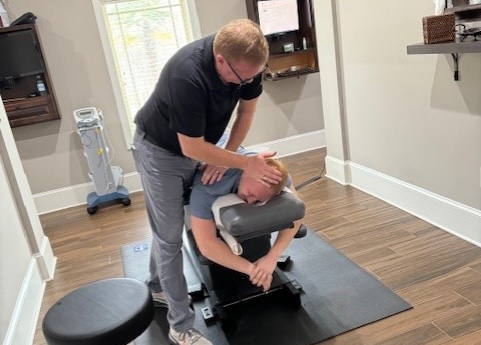

Care plays a crucial role in alleviating migraines by addressing both the physical and emotional dimensions of pain. As a local chiropractor, I emphasize the importance of compassionate support through natural methods like chiropractic adjustments and mindfulness practices, which can significantly enhance your overall wellbeing. Understanding the link between stress, emotions, and migraines empowers you to take charge of your health.
Chiropractic care focuses on aligning the spine, which can help relieve tension and improve your body’s ability to heal itself. By ensuring that your spine is properly aligned, you may find relief from the intensity and frequency of migraine episodes. Here are some strategies you can implement to enhance your care and effectively reduce migraines:
- Schedule Regular Chiropractic Adjustments: Regular visits to your chiropractor can help maintain proper spinal alignment, which is essential for reducing nerve irritation that may trigger migraines.
- Practice Mindfulness and Relaxation Techniques: Incorporate practices such as deep breathing, meditation, or yoga into your daily routine. These techniques can help reduce stress levels and promote relaxation, which may decrease the likelihood of migraines.
- Maintain Proper Hydration: Dehydration can often trigger migraines, so make sure you’re drinking enough water throughout the day.
- Monitor Your Diet: Certain foods can act as migraine triggers. Keeping a food diary can help you identify and avoid these triggers. Focus on a balanced diet rich in fruits, vegetables, whole grains, and lean proteins.
- Get Regular Exercise: Physical activity can help reduce stress and improve overall health. Aim for regular, moderate exercise to help keep migraines at bay.
- Prioritize Sleep: Establish a regular sleep schedule and ensure you’re getting enough restorative rest each night, as sleep disturbances can contribute to migraine episodes.
By incorporating these simple yet effective strategies into your daily life, you can enhance your care and work towards reducing migraine episodes naturally. Remember, chiropractic care is a holistic approach that focuses on your overall health and wellness, making it an excellent choice for those seeking relief from migraines and other pain conditions.
The Connection Between Emotion and Pain Perception
When you experience pain, it’s important to understand that your emotions can greatly influence how you perceive that pain. If you’re feeling anxious or stressed, you may find your pain feels more intense and overwhelming. On the other hand, when you’re relaxed or in a positive mood, pain can seem more manageable. This connection between your emotions and pain perception is significant; your brain interprets signals from your body based on your emotional state.
Recognizing this link can be a key step in taking control of your migraines and overall health. One of the best ways to improve your emotional state is through chiropractic care. By visiting a chiropractor, you can help align your spine and promote better nervous system function, which can lead to reduced stress and improved emotional well-being. This, in turn, can help shift your perception of pain.
In addition to chiropractic adjustments, there are several other strategies you can incorporate into your daily routine to enhance your emotional health and manage pain. Practices such as mindfulness, gentle stretching, and regular physical activity can help reduce stress levels.
Surrounding yourself with supportive people and engaging in activities that bring you joy can also have a positive impact on your emotional state.
Ultimately, understanding the relationship between your emotions and pain can empower you to manage your migraines more effectively. By prioritizing chiropractic care and adopting natural wellness practices, you can work towards achieving optimal health and a better quality of life.
The Role of Stress in Triggering Migraines
Stress plays a significant role in triggering migraines, often due to the release of stress hormones that can increase your pain levels. As a local chiropractor, I want to emphasize the importance of addressing stress not just for migraine relief, but for your overall health and wellbeing.
Chiropractic care can be a powerful ally in managing stress and its physical manifestations, like migraines. Regular spinal adjustments can help improve your nervous system function, reduce tension, and promote relaxation, which may decrease the frequency and intensity of your migraines.
In addition to chiropractic adjustments, incorporating mindfulness practices into your daily routine can be tremendously beneficial. Simple techniques such as deep breathing exercises, gentle stretching, or meditation can help calm your mind and body, providing a natural way to manage stress.
Remember, taking care of your spine is vital for your overall health. Maintaining good posture, staying active, and ensuring you get enough rest are all essential components to achieving optimal wellness.
Stress Hormones and Migraines
Stress can significantly affect your overall health, including the likelihood of experiencing migraines. When your body encounters stress, it releases hormones like cortisol and adrenaline, which can trigger a “fight or flight” response. This response increases your heart rate and causes muscle tension, setting the stage for tension headaches and potentially leading to migraines.
As a chiropractor, I understand the importance of managing stress for the sake of your well-being. Prolonged exposure to these stress hormones can disrupt your sleep patterns and make you more sensitive to migraine triggers. By addressing stress through natural methods, you can help prevent migraines and improve your quality of life.
Here are some tips to manage stress and support your health:
- Chiropractic Care: Regular chiropractic adjustments can help alleviate tension in your muscles and spine, promoting relaxation and reducing the physical effects of stress.
- Mindfulness and Relaxation Techniques: Practices such as deep breathing, meditation, or yoga can help calm your mind and reduce stress levels.
- Exercise: Regular physical activity is a natural way to relieve stress and tension in the body. Aim for activities that you enjoy, whether it’s walking, cycling, or dancing.
- Sleep Hygiene: Establish a regular sleep routine to ensure you get restorative rest. Quality sleep is vital for managing stress and reducing migraine susceptibility.
- Nutrition: Eating a balanced diet rich in whole foods can support your body in handling stress better. Stay hydrated and consider foods that reduce inflammation.
By focusing on natural methods and incorporating chiropractic care into your routine, you can effectively manage stress, reduce the frequency and intensity of migraines, and pave the way for a healthier, more vibrant life.
Coping Mechanisms for Relief
Managing stress is crucial for alleviating migraines, and incorporating chiropractic care can be a powerful part of your wellness journey. By addressing spinal alignment and overall body function, chiropractic adjustments can help reduce stress and tension that may contribute to migraine pain.
Start by identifying your stress triggers, whether they stem from work, personal life, or lifestyle choices. Once you pinpoint these triggers, you can work with your chiropractor to develop strategies tailored to your needs. Techniques such as deep breathing, progressive muscle relaxation, and regular physical activity can complement your chiropractic treatments and help release tension.
Establishing a consistent routine, setting healthy boundaries, and taking regular breaks are also effective ways to manage stress levels. Don’t forget the importance of social support; talking to friends or family can provide comfort and a fresh perspective on your stressors.
Additionally, prioritizing quality sleep and maintaining a balanced diet play a significant role in your overall well-being. These lifestyle choices can enhance the benefits of chiropractic care and ultimately help reduce the frequency and intensity of your migraines.
Mindfulness and Pain Reduction
Incorporating mindfulness into your daily routine can significantly enhance your overall well-being and help manage the impact of stress on conditions such as migraines. Stress is a common trigger for migraines, creating a challenging cycle that can be tough to break. By practicing mindfulness, you can train your mind to focus on the present moment, which allows you to handle stress more effectively.
Simple techniques such as deep breathing, meditation, or gentle yoga can help calm both your mind and body. These practices allow you to respond to daily stressors with more ease, promoting relaxation and reducing tension.
As you cultivate mindfulness, you may start to recognize patterns in your thoughts and feelings that contribute to your migraines. This newfound awareness empowers you to make informed choices that can lessen your overall stress levels, which may help lower the frequency and intensity of your migraines.
Chiropractic care complements these mindfulness practices beautifully. By addressing spinal alignment and overall body mechanics, chiropractic adjustments can enhance your body’s natural ability to heal and function optimally. When your spine is aligned, it can improve the way your nervous system communicates, potentially reducing your susceptibility to stress and tension-related headaches.
Here are some general tips you can take away:
- Practice Deep Breathing: Take a few minutes each day to focus on your breath. Inhale deeply through your nose, hold for a moment, and exhale slowly through your mouth. This can help reduce stress and promote relaxation.
- Engage in Gentle Movement: Incorporate gentle activities like stretching or yoga into your routine. These can help alleviate tension in your body and improve your overall flexibility.
- Stay Hydrated: Drink plenty of water throughout the day. Dehydration can contribute to headaches, so keeping hydrated is vital for your health.
- Visit Your Chiropractor Regularly: Regular chiropractic adjustments can help maintain proper spinal alignment, reduce tension, and support your body’s natural healing processes.
- Prioritize Rest: Ensure you’re getting enough sleep and taking breaks during your day. Rest is essential for managing stress and maintaining overall health.
Compassionate Care: A Key Component of Support
Compassionate care is a vital aspect of managing migraines, as it fosters a supportive environment where you feel understood and valued. Experiencing migraines can be incredibly challenging, and knowing that someone genuinely cares about your well-being can make a significant difference. This type of care builds trust and encourages open dialogue, allowing you to share your feelings and needs more freely.
Here are three ways that compassionate care can support you in your journey to relief, particularly through the lens of chiropractic care:
- Active Listening: When caregivers, including chiropractors, take the time to listen attentively to your concerns, it validates your experience. You aren’t alone in your struggle, and feeling heard can help reduce your sense of isolation when dealing with migraines.
- Empathy: Chiropractors who show empathy towards your pain can provide emotional support, which can be incredibly beneficial. Understanding the stress and anxiety that come with migraines allows them to tailor their approach to help ease your discomfort naturally.
- Encouragement for Self-Care: Chiropractic care emphasizes the importance of self-care practices for overall wellness. By encouraging you to engage in healthy habits—like regular adjustments, proper posture, and stress-reduction techniques—your chiropractor can help you manage migraine symptoms more effectively.
Incorporating compassionate care into your routine can significantly enhance your path toward relief and healing.
Remember, chiropractic care offers a holistic approach to health and wellness, focusing on natural healing methods that can help you achieve optimal health without the need for medications or invasive procedures.
Embrace these practices and consider how chiropractic care can support your journey to a healthier, migraine-free life.
The Effects of Social Support on Migraine Frequency
Social support is vital when it comes to managing migraines and their intensity. Having a network of caring friends, family, or support groups can offer you the understanding and encouragement you need to cope with pain. When you can share your experiences and feelings with those around you, it helps alleviate feelings of isolation and stress—two common triggers for migraines.
One of the great benefits of a supportive circle is that it encourages you to take proactive steps towards your health. Whether it’s seeking chiropractic care or exploring natural healing methods, having someone to lean on can motivate you to make choices that contribute to your well-being.
Moreover, engaging in positive activities with supportive individuals can provide a welcome distraction from pain and create uplifting experiences that enhance your mood. Remember, taking care of your mental health is just as important as addressing physical pain.
At our chiropractic practice, we emphasize the importance of a healthy spine and nervous system for optimal wellness. Regular chiropractic adjustments can help reduce tension in your body, potentially leading to fewer migraine episodes. By focusing on natural healing and healthier living, we aim to empower you to take charge of your health.
Here are some simple tips to incorporate social support into your migraine management plan:
- Connect Regularly: Make it a point to spend time with friends or family who uplift you. This can help you feel more supported.
- Share Your Journey: Talk openly about your migraines with those close to you. This can foster understanding and create a support system.
- Engage in Healthy Activities: Participate in activities that promote relaxation, such as yoga or hiking, with friends or loved ones.
- Consider Chiropractic Care: Regular visits to a chiropractor can help maintain spinal health, which may alleviate migraine triggers.
- Practice Stress-Relief Techniques: Incorporate mindfulness or meditation practices into your routine, possibly with a friend to enhance the experience.
Psychological Strategies for Migraine Management
Effective migraine management often involves exploring natural methods to alleviate pain, and chiropractic care stands out as a powerful option. By integrating chiropractic techniques and psychological strategies into your wellness routine, you can enhance your ability to cope with migraine episodes and potentially reduce their frequency.
- Chiropractic Adjustments: Regular chiropractic care can help align your spine and improve nervous system function, which may reduce the frequency and intensity of migraines. A chiropractor can work with you to identify any misalignments that might be contributing to your pain.
- Mindfulness and Relaxation Techniques: Practicing mindfulness can help you stay present and reduce stress, a common migraine trigger. Techniques like deep breathing or gentle stretching can promote relaxation and support your overall wellness.
- Journaling for Awareness: Keeping a migraine diary can be beneficial for understanding your triggers and patterns. Write down when migraines occur, what you were doing, and how you felt emotionally. This insight can help you and your chiropractor develop personalized strategies to manage your migraines more effectively.
- Staying Hydrated and Nourished: Drinking plenty of water and eating balanced meals can support your body’s natural healing processes. Dehydration and poor nutrition can contribute to migraines, so make it a point to nourish your body with healthy foods and adequate hydration.
- Regular Exercise: Engaging in regular physical activity can help reduce stress and improve circulation, both of which are beneficial for migraine management. Consult with your chiropractor about which exercises are best suited for you.
By embracing chiropractic care and these natural strategies, you can take proactive steps towards achieving optimal health and finding relief from migraines.
Mindfulness and Its Benefits for Migraine Sufferers
Mindfulness can be a powerful tool for managing migraines, and when combined with chiropractic care, it can significantly enhance your journey toward relief. By practicing mindfulness techniques, you can reduce stress and improve your body awareness, allowing you to identify triggers before they escalate into painful episodes.
As a chiropractor, I encourage my patients to incorporate mindfulness into their daily routines. This can be as simple as taking a few moments each day to sit quietly, focus on your breath, and tune into how your body feels. Not only does this help in recognizing potential migraine triggers, but it also promotes relaxation and reduces tension, which can be beneficial for overall spinal health.
In addition to mindfulness, regular chiropractic adjustments can play a vital role in alleviating migraine symptoms. Misalignments in the spine can contribute to tension headaches and migraines, and chiropractic care focuses on correcting these issues naturally. By ensuring that your spine is in alignment, you can help reduce the frequency and intensity of migraine attacks.
Here are some general tips to help you manage migraines more effectively:
- Stay Hydrated: Dehydration can trigger migraines, so make sure you drink plenty of water throughout the day.
- Practice Good Posture: Poor posture can lead to tension in the neck and shoulders. Be mindful of your posture, especially if you spend long hours sitting at a desk.
- Incorporate Gentle Stretching: Regularly stretching your neck and upper back can help relieve tension that may contribute to migraines.
- Manage Stress: Besides mindfulness, consider other stress-relief techniques such as yoga, meditation, or deep breathing exercises.
- Maintain a Consistent Sleep Schedule: A regular sleep routine can help prevent migraines. Aim for 7-9 hours of quality sleep each night.
By integrating mindfulness practices with chiropractic care, you can take significant steps toward achieving optimal health and reducing migraine occurrences.
Mindfulness Techniques Explained
While many migraine sufferers may turn to medication for quick relief, incorporating mindfulness techniques can provide a natural and effective complement to chiropractic care. Practicing mindfulness allows you to stay grounded in the present moment, which can help alleviate the intensity and frequency of migraines.
Here are three simple mindfulness techniques that can enhance your overall wellness and support your journey towards pain relief:
- Deep Breathing: Start by taking slow, deep breaths. Inhale deeply through your nose, allowing your abdomen to rise, then exhale gently through your mouth. This practice calms your nervous system, reduces stress, and helps ease tension in your body, which can contribute to migraine relief.
- Body Scan: Lie down comfortably and take a moment to mentally scan your body from head to toe. Notice any areas where you might be holding tension or discomfort. By bringing awareness to these areas, you can consciously release stress and promote relaxation, which is essential for maintaining spinal health and overall well-being.
- Guided Imagery: Spend a few minutes visualizing a serene place, such as a tranquil beach or a peaceful forest. Engaging your imagination in this way can serve as a powerful distraction from pain, helping to promote relaxation and a sense of calm.
Incorporating these mindfulness techniques into your daily routine can work hand-in-hand with chiropractic care to enhance your migraine management and overall health.
Stress Reduction Strategies
When dealing with migraines, managing stress is crucial for alleviating your symptoms. One wonderful method to help with this is chiropractic care. By addressing any misalignments in your spine, a chiropractor can help improve your overall well-being, reduce tension, and enhance your body’s natural ability to heal.
In addition to chiropractic adjustments, mindfulness practices can also be beneficial. Techniques such as deep breathing and guided meditation allow you to stay present, which can reduce feelings of anxiety and tension.
Progressive muscle relaxation is another technique where you tense and then relax different muscle groups, which can release built-up stress.
Engaging in regular physical activity is important as well. Gentle exercises like walking or yoga not only help alleviate stress but also promote better spinal health.
It’s also essential to take time for hobbies or social activities, as these provide a valuable mental break and can contribute to your overall wellness.
By incorporating these stress reduction strategies alongside chiropractic care into your daily routine, you may notice a significant improvement in the frequency and intensity of your migraines.
Enhanced Body Awareness
Enhancing your body awareness through mindfulness can greatly benefit those suffering from migraines. By tuning into your body, you can identify triggers and symptoms more effectively. Mindfulness encourages you to stay present, allowing you to recognize early signs of a migraine and respond accordingly.
As a chiropractor, I believe that incorporating mindfulness practices into your routine can complement your chiropractic care, supporting your journey toward optimal health and wellness.
Here are three practical ways to practice mindfulness for migraine relief that can work hand in hand with your chiropractic treatment:
- Breathing Exercises: Focus on your breath. Take a moment to inhale deeply through your nose, allowing your abdomen to expand, and then exhale slowly through your mouth. This simple technique can calm your mind and reduce tension, which is essential for alleviating migraine symptoms.
- Body Scans: Regularly check in with different parts of your body. Spend a few minutes noticing any areas of tension or discomfort. This practice not only helps you become more in tune with your body but also aids in identifying potential areas that may benefit from chiropractic adjustments.
- Meditation: Dedicate a few minutes each day to meditate. This can promote relaxation and enhance your connection with your body. Meditation can also help reduce stress, a common trigger for migraines, and can be a wonderful complement to your chiropractic care.
Remember, maintaining an awareness of your body and its signals is crucial for managing migraines effectively. By incorporating these mindfulness techniques into your daily routine, you can enhance your overall wellbeing and potentially reduce the frequency and severity of your migraines.
Chiropractic care, with its focus on natural healing and spinal health, can further support your journey toward a pain-free life.
Building a Supportive Environment at Home
Creating a supportive environment at home can significantly alleviate the discomfort of migraines and promote overall wellness. One of the first steps is to declutter your space. A tidy, organized area helps minimize distractions and reduces stress, which can be beneficial for those prone to migraines.
Consider soft lighting, as harsh lights can act as triggers. Adding blackout curtains can also help by eliminating unnecessary light during a headache, allowing you to find relief.
Designating a quiet zone in your home is essential. This should be a serene space where you can retreat when a migraine strikes, free from noise and disturbances. It’s important to communicate with family members about your need for peace during these times, fostering an environment of understanding and support.
Incorporating soothing scents, such as lavender or eucalyptus, can also enhance your comfort and contribute to a calming atmosphere. Staying hydrated is crucial, as dehydration can worsen headaches. Keep water easily accessible and consider incorporating natural remedies like herbal teas that promote relaxation.
Lastly, while managing migraines at home, remember that chiropractic care can play a vital role in your overall health and wellness. Regular chiropractic adjustments can help alleviate tension in the spine and neck, which may contribute to headache relief.
The Impact of Understanding on Emotional Well-Being
Understanding your migraines can significantly enhance your emotional well-being, especially when coupled with the benefits of chiropractic care. By gaining insight into what triggers your migraines, you empower yourself to take charge of your health and reduce anxiety about potential attacks. This knowledge fosters confidence and encourages you to adopt proactive self-care strategies, all of which can be supported through chiropractic adjustments.
Here are three ways understanding your migraines, alongside chiropractic care, can boost your emotional health:
- Identifying Triggers: By recognizing patterns that lead to your migraines, you can avoid circumstances that may provoke them. Regular chiropractic adjustments can enhance your spinal alignment, which may help reduce the frequency of migraines and lead to less stress and frustration in your daily life.
- Improving Coping Mechanisms: Knowing how to respond to migraine symptoms can make you feel more equipped and less overwhelmed when pain strikes. Chiropractic care focuses on optimizing your nervous system function, which can improve your overall resilience and help you manage pain more effectively.
- Enhancing Communication: As you become more educated about your condition, you can better express your needs to those around you. This can create a more supportive environment, which is essential for your emotional health. Additionally, discussing your migraine experiences with your chiropractor can lead to personalized care strategies that cater to your unique situation.
Communicating Needs: The Importance of Advocacy
While dealing with migraines can feel overwhelming, advocating for your health needs is crucial and can significantly enhance your overall well-being. Clear communication about your symptoms with healthcare providers, friends, and family is essential. By expressing how migraines affect your daily life, you help others understand your situation better, allowing them to provide the support you need.
During your visits to a chiropractor, don’t hesitate to ask questions. It’s your right to understand how chiropractic care can help manage your migraines effectively. Share any known triggers and coping strategies that work for you; this information can be invaluable for your chiropractor in tailoring a treatment plan that supports your unique needs.
Remember, your health is a priority. By standing up for yourself and your wellness journey, you not only improve your care but also educate those around you about the realities of living with migraines. Effective communication fosters understanding, leading to stronger support networks and better outcomes.
In addition to chiropractic adjustments, consider incorporating some general tips into your routine:
- Stay Hydrated: Dehydration can trigger migraines, so drink plenty of water throughout the day.
- Maintain a Consistent Sleep Schedule: Regular sleep patterns can help reduce the frequency of migraines.
- Practice Stress Management: Techniques such as deep breathing, yoga, or meditation can help alleviate tension that may contribute to headaches.
- Maintain a Healthy Diet: Eating balanced meals and avoiding known food triggers can support your overall health and minimize migraine attacks.
Integrating Care Into Migraine Treatment Plans
Integrating various forms of care into your migraine treatment plan can significantly improve your overall health and wellness journey. As a local chiropractor, I believe that chiropractic care is a powerful tool for managing migraines and achieving optimal health naturally. Here are three effective ways to incorporate chiropractic care and other holistic approaches into your migraine management:
1. Chiropractic Adjustments and Lifestyle Changes: Regular chiropractic adjustments can help alleviate tension in your spine and neck, which may contribute to migraine pain.
Pair these adjustments with healthy lifestyle changes—such as staying hydrated, engaging in regular physical activity, and ensuring you get enough sleep—to create a solid foundation for migraine relief.
2. Complementary Therapies and Mindfulness: In addition to chiropractic care, consider integrating complementary therapies like massage or acupuncture, which can promote relaxation and reduce muscle tension.
Also, practice mindfulness techniques such as meditation or gentle yoga. These practices can help lower stress levels, which are common triggers for migraines.
3. Nutritional Guidance: While I specialize in spinal health, it’s important to consider how nutrition can impact your overall well-being.
Keeping a food diary can help you identify potential dietary triggers for your migraines. Focus on a balanced diet rich in whole foods, including fruits, vegetables, and whole grains, to support your body’s healing processes naturally.
By prioritizing chiropractic care and these holistic approaches, you can create a comprehensive plan to manage migraines effectively while promoting overall health.
Conclusion
Incorporating a holistic approach to migraine management can greatly enhance your quality of life, and chiropractic care is a vital part of that journey. By focusing on both the physical and emotional aspects of your health, you can take control of your well-being. Regular chiropractic adjustments can help align your spine, reduce tension, and promote better overall function, which may lead to a decrease in the frequency and intensity of migraines.
In addition to chiropractic care, consider practicing mindfulness techniques such as deep breathing or meditation to help manage stress, which can be a significant trigger for migraines. Surrounding yourself with a strong support system—friends, family, or support groups—can also play a crucial role in your healing process.
Understanding your individual triggers is essential. Keep a migraine diary to track what might be contributing to your pain, whether it’s certain foods, stressors, or environmental factors. This awareness will empower you to make informed choices about your lifestyle.
By embracing a comprehensive care plan that includes chiropractic adjustments, mindfulness practices, and social support, you’ll be taking proactive steps toward relief and achieving a greater sense of well-being. Remember, chiropractic care is a natural and effective way to manage migraines without the need for medications or surgeries. Prioritize your health today for a brighter tomorrow!