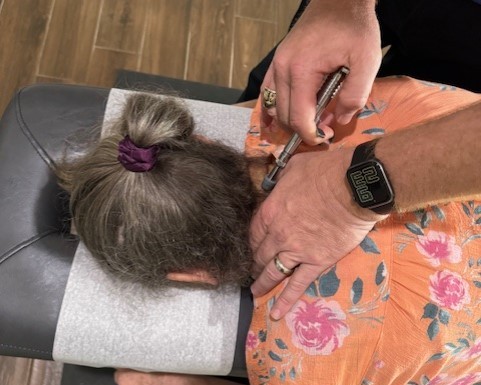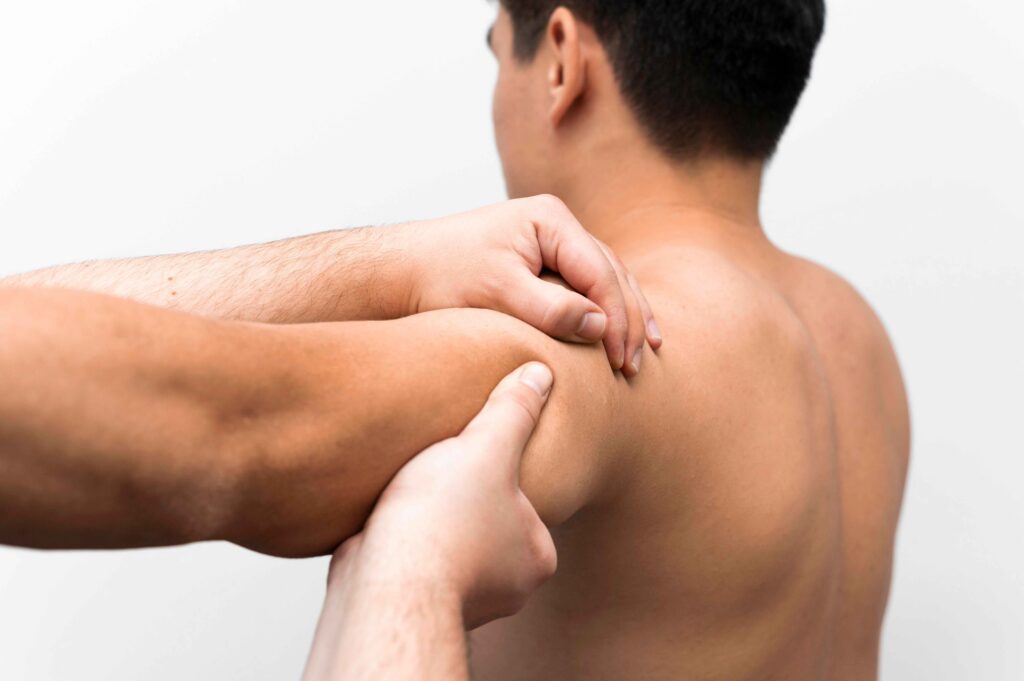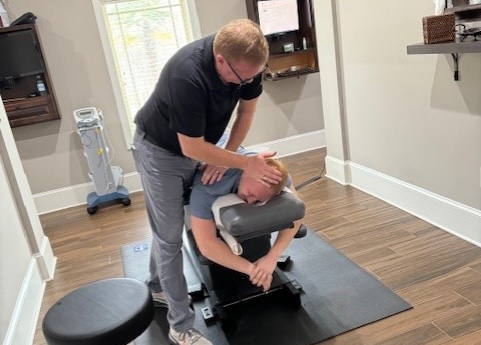

When you experience sports-related pain, it's easy to brush it off as just part of the game, but ignoring those signals can lead to bigger problems down the line. Seeking professional help isn't just about managing discomfort; it's about understanding the root cause and preventing future injuries. By addressing pain early, you not only enhance your recovery but also improve your overall performance. What many athletes don't realize is that the impact of untreated pain goes beyond the physical—there's a psychological aspect that can affect your confidence and enjoyment of the sport.
Understanding Sports-Related Pain
Sports-related pain can feel like a sharp reminder that your body is working hard. It's your body's way of signaling that something might be off, whether you're pushing your limits or recovering from an intense workout. Understanding this pain is important for your overall performance and well-being. When you experience discomfort, it's critical to listen to your body instead of simply pushing through it.
Pain can stem from various sources, including muscle fatigue, overuse, or even improper technique. You might notice that certain activities trigger specific discomfort, which can help you identify the root cause. For instance, if you feel pain during a particular movement, it's worth examining your form and training regimen. Ignoring these signals can lead to more severe injuries down the line.
Recognizing the difference between normal soreness and pain that indicates a potential injury is significant. While it's common to feel sore after a tough workout, sharp or lingering pain could suggest that you're at risk for a more significant issue. It's important to assess your symptoms and their impact on your daily activities.
If you're unsure about the nature of your pain, seeking professional advice can provide clarity. A qualified coach or healthcare provider can help you understand what your body is telling you, allowing you to make informed decisions about your training.
Taking the time to understand sports-related pain can ultimately lead to a more effective and enjoyable athletic experience.
Common Types of Sports Injuries
When you're active in sports, injuries can happen in various forms.
Sprains and strains are common, as are fractures and dislocations, each requiring different approaches to treatment.
Understanding these injuries can help you recognize the signs and seek the right help.
Sprains and Strains Overview
Sprains and strains are among the most common types of injuries that athletes encounter, often resulting from sudden twists or overexertion during physical activity.
A sprain involves the stretching or tearing of ligaments—the tough bands connecting bones at a joint. You might experience a sprain if you land awkwardly after jumping or if your foot rolls while running. Symptoms typically include swelling, bruising, and pain around the affected joint.
On the other hand, a strain affects muscles or tendons, which connect muscles to bones. This can happen from overstretching a muscle or lifting something too heavy. If you've pulled a muscle during a sprint or felt a sharp pain while lifting weights, you may be dealing with a strain.
Both injuries can range from mild to severe, impacting your performance and daily activities.
Understanding the difference between sprains and strains is essential for treatment and recovery. If you suspect you've sustained one of these injuries, it's important to seek help.
Prompt attention can speed up recovery and prevent further complications, allowing you to get back in the game sooner and stronger.
Fractures and Dislocations Types
Fractures and dislocations frequently pose serious challenges for athletes, as they can sideline you for extended periods. Understanding the common types of these injuries can help you recognize symptoms early and seek appropriate treatment.
The most common type of fracture is the simple fracture, where the bone breaks cleanly without damaging surrounding tissues. It's often characterized by sharp pain, swelling, and inability to use the affected limb.
On the other hand, a compound fracture breaks through the skin, posing a higher risk of infection.
Dislocations occur when bones in a joint become displaced. The shoulder dislocation is particularly common in contact sports, causing intense pain and a visible deformity.
Similarly, finger dislocations can happen during activities that involve gripping or catching.
Another significant type of dislocation is the kneecap dislocation, which often results from sudden changes in direction or impact.
If you experience any of these injuries, it's crucial to seek medical help immediately. Prompt treatment can't only alleviate pain but also facilitate a quicker return to your sport.
Don't ignore the signs—taking action now can make all the difference in your recovery.
Risks of Ignoring Pain
Ignoring pain might seem like a minor issue at first, but it can lead to increased injury severity.
Over time, you risk developing chronic pain that affects your everyday life and performance.
Don't underestimate the impact of untreated pain; it can greatly decrease your overall athletic capabilities.
Increased Injury Severity
When it comes to sports, many athletes underestimate the significance of pain, often thinking they can push through it. This mindset can lead to increased injury severity, making a minor issue worse over time. Ignoring pain doesn't just mask the problem; it can escalate an injury from something manageable to a debilitating situation that sidelines you for an extended period.
When you feel discomfort, your body is signaling that something's wrong. If you keep playing without addressing it, you're risking more than just a temporary setback. You might tear a muscle, fracture a bone, or develop a more serious condition that requires extensive rehabilitation. Each time you ignore that pain, you're increasing the chances of a more severe injury.
Seeking help early can make a significant difference. By addressing pain promptly, you can often resolve issues before they escalate. You'll maintain your performance and reduce the risk of long-term damage.
Chronic Pain Development
Neglecting pain can lead to chronic issues that linger long after the initial injury. When you brush off discomfort, your body adapts in ways that could create lasting problems. Ignoring pain may seem easier, but it can trap you in a cycle of ongoing discomfort.
Over time, what starts as a mild ache can spiral into debilitating chronic pain, affecting not just your physical health but your mental well-being too.
Consider these risks of ignoring pain:
- Increased sensitivity: Your body may become more sensitive to pain signals, making everyday activities difficult.
- Altered movement patterns: You might change how you move to avoid pain, leading to other injuries.
- Emotional stress: Chronic pain can contribute to anxiety and depression, impacting your overall life quality.
- Limited mobility: As pain persists, you may find it increasingly hard to engage in your favorite sports or activities.
- Longer recovery time: What could've been a short healing process might turn into a prolonged struggle.
Taking action early can help you avoid these pitfalls and keep you in the game. Don't wait—seek help for your pain.
Decreased Performance Levels
Performance can markedly decline when pain is left unaddressed. You may notice that you struggle to keep up with your usual pace or find it harder to execute those once-fluid movements.
Pain can distract you, preventing you from focusing on your technique or strategy. Instead of pushing through discomfort, you're likely to alter your movements, which can lead to inefficient performance and even more injuries.
Ignoring pain sends a message to your body that you can handle it, but that often leads to a downward spiral. You might push yourself harder, thinking you're building resilience, but in reality, you're risking your long-term athleticism.
Your strength and agility can diminish, and vital skills might start to slip away.
Moreover, the mental toll of competing through pain can sap your motivation and enthusiasm for the sport you love. The joy of competing turns into a struggle, making it hard to enjoy the game.
Seeking help for pain isn't just about physical recovery; it's about preserving your performance levels and ensuring you can participate in the sport you're passionate about for years to come.
Benefits of Early Intervention
Early intervention in sports-related pain can greatly enhance your recovery and overall performance. When you address injuries early, you're setting yourself up for a smoother healing process. Ignoring pain or delaying treatment can lead to more severe injuries, which could sideline you for longer.
By seeking help promptly, you can minimize damage and return to your sport faster.
Here are some key benefits of early intervention:
- Reduced Recovery Time: Catching an injury early often means a quicker return to your regular activities.
- Improved Performance: When you're not dealing with lingering pain, you can perform at your best.
- Prevention of Chronic Issues: Early treatment helps prevent minor injuries from developing into chronic problems that can last for years.
- Better Understanding of Your Body: Working with professionals can teach you more about your body's mechanics, helping you avoid future injuries.
- Enhanced Mental Well-being: Addressing pain early can reduce anxiety related to performance and injury, allowing you to focus on your sport.
Professional Evaluation Techniques
When you experience sports-related pain, professional evaluation techniques are essential for accurately diagnosing the issue. A thorough assessment not only identifies the source of your pain but also helps determine the best course of action for recovery.
Professionals often begin with a detailed history of your symptoms, including when the pain started, its intensity, and any activities that exacerbate it. This information is vital for understanding your specific situation.
Next, you can expect a physical examination. The evaluator will assess your range of motion, strength, and any tenderness or swelling in the affected area. They may also perform specific tests to pinpoint the problem. For instance, if you're experiencing knee pain, the evaluator might assess your stability and alignment to rule out injuries like tears or sprains.
In some cases, imaging techniques such as X-rays, MRIs, or ultrasounds may be necessary. These tools provide a visual representation of your bones and soft tissues, allowing for a more precise diagnosis.
They can reveal fractures, ligament tears, or other underlying issues that may not be evident through physical examination alone.
Treatment Options Available
After you've received a professional evaluation, it's time to explore the various treatment options available for your sports-related pain.
Depending on the severity and type of your injury, you may find different approaches beneficial. It's important to choose a treatment plan that suits your specific needs and lifestyle.
Here are some options you might consider:
- Rest and Ice: Sometimes, the best remedy is simply to give your body a break. Resting the affected area and applying ice can help reduce inflammation and pain.
- Over-the-Counter Pain Relievers: Nonsteroidal anti-inflammatory drugs (NSAIDs) like ibuprofen or naproxen can help manage your pain and swelling effectively.
- Physical Therapy: Working with a physical therapist can provide you with tailored exercises and techniques to strengthen the affected area, improve flexibility, and alleviate pain.
- Massage Therapy: Therapeutic massage can help relieve muscle tension, improve circulation, and promote healing in the injured area.
- Alternative Treatments: Techniques like acupuncture or chiropractic care may also offer relief, depending on your injury and personal preferences.
The Role of Rehabilitation
Rehabilitation plays an essential role in your recovery from sports-related injuries, helping you regain strength, mobility, and confidence. When you experience an injury, it's imperative to engage in a structured rehabilitation program tailored to your specific needs. This process often involves physical therapy, exercises, and sometimes specialized equipment, all designed to promote healing.
Initially, your focus will likely be on reducing pain and inflammation. Your rehabilitation specialist will guide you through gentle exercises that encourage blood flow and start the healing process. As you progress, the intensity of your workouts will increase, allowing you to rebuild muscle strength and restore flexibility.
You'll also learn techniques to prevent future injuries, which can be just as important as recovery. Understanding your body mechanics and how to move safely during sports is essential. Your rehab program may include education about proper warm-up routines, stretching, and cooldowns.
Moreover, staying consistent with your rehabilitation not only aids in physical recovery but also helps you mentally. You'll start to feel more in control of your healing journey, and this empowerment can be a significant motivator in your progress.
Psychological Impact of Pain
Sports-related pain can have a profound psychological impact on athletes, affecting not just their physical performance but also their mental well-being. When you push through pain, it can lead to feelings of frustration, anxiety, and even depression.
You might find that constant discomfort clouds your focus, making it challenging to enjoy the sport you love. Ignoring these feelings doesn't help; in fact, it often makes them worse.
Here are some common psychological effects you might experience:
- Increased Anxiety: Worrying about re-injury or whether you can perform at your best can be overwhelming.
- Loss of Confidence: Persistent pain can shake your belief in your abilities, making you second-guess your skills.
- Isolation: You may feel disconnected from your teammates or fellow athletes, especially if you have to take time off.
- Mood Swings: Pain can lead to irritability and mood changes, impacting your relationships both on and off the field.
- Burnout: The mental strain of dealing with pain can wear you down, making you feel less motivated to train or compete.
Recognizing these psychological impacts is significant. By seeking help for your sports-related pain, you're not just addressing the physical symptoms; you're also taking steps to safeguard your mental health.
Long-Term Performance Benefits
While managing pain might feel like an intimidating task, addressing it effectively can lead to significant long-term performance benefits. When you take the time to understand and treat your sports-related pain, you're not just alleviating discomfort; you're laying the groundwork for improved performance in the future.
First, by addressing pain early, you can prevent more severe injuries from developing. Ignoring that nagging ache can lead to compensatory movements, which often result in additional strains or injuries. By seeking help, you'll learn proper techniques to avoid these pitfalls, ensuring your body stays in peak condition.
Moreover, overcoming pain can enhance your confidence. When you know you're free from injury, you can focus better on your training or game strategy. This mental clarity translates to improved performance, as you're less distracted by discomfort.
Additionally, regular treatment can boost your recovery time between sessions. When you actively manage your pain, you can maintain a consistent training schedule. This consistency is crucial for developing skills, strength, and endurance over time.
Lastly, understanding your body's signals will help you make informed decisions about your training regimen. You'll learn when to push harder and when to rest, optimizing your performance.
Conclusion
Injuries can happen to anyone, but addressing sports-related pain early is essential. By seeking help, you not only prevent minor issues from turning into serious problems but also enhance your performance and confidence. Don't let pain hold you back; get a professional evaluation to understand your condition and explore effective treatment options. Remember, prioritizing your health today leads to a stronger, more resilient you tomorrow. Take the first step—your body will thank you!