
If you’re dealing with neck pain, you’re likely searching for effective ways to find relief. Home techniques can be an excellent starting point, providing practical solutions that seamlessly fit into your daily routine. These methods can help address common issues such as poor posture and muscle tension, allowing you to regain mobility naturally, without the need for medications or invasive treatments.
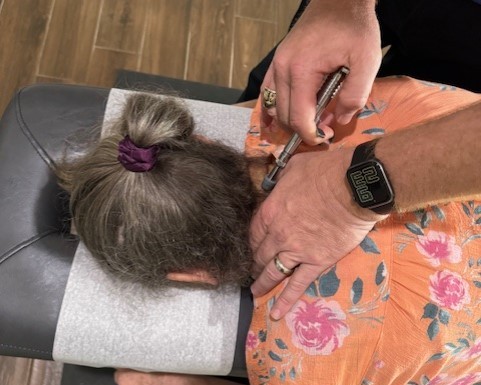
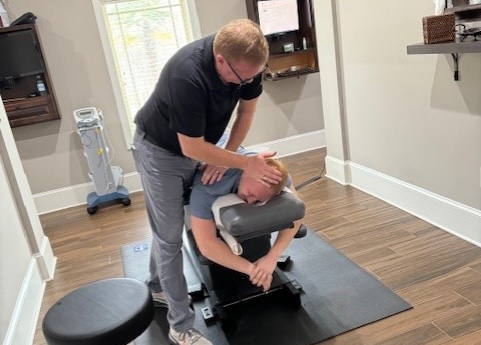
One of the best ways to alleviate neck pain is through chiropractic care. Chiropractors are experts in spinal health and can help identify the root causes of your discomfort. By focusing on spinal adjustments and proper alignment, chiropractic care not only alleviates pain but also promotes overall wellness.
In addition to seeking chiropractic adjustments, there are several home techniques you can incorporate into your daily life for additional relief. Here are some tips:
- Practice Good Posture: Be mindful of your posture, especially when sitting at a desk or using your phone. Keep your shoulders back and your head aligned with your spine.
- Stretch Regularly: Gentle neck stretches can help relieve tension. Try tilting your head side to side and forward and backward to improve flexibility.
- Heat or Cold Therapy: Applying a warm compress or an ice pack to your neck can help reduce inflammation and soothe tight muscles.
- Ergonomic Adjustments: Ensure your workspace is set up to promote good posture. Consider using a chair with proper lumbar support and keeping your computer screen at eye level.
- Stay Active: Regular physical activity can strengthen your neck and back muscles, reducing the likelihood of pain.
Remember, while these techniques can provide relief, visiting your chiropractor should be a key part of your plan. They can tailor a treatment plan specifically for you, addressing the underlying issues that may contribute to your neck pain. By prioritizing chiropractic care, you’re choosing a pathway to not just pain relief but a healthier, more balanced life.
Understanding the Causes of Neck Pain
When you experience neck pain, it’s often due to a combination of everyday habits and underlying health factors. One major contributor is poor posture, especially from spending long hours at a desk or frequently looking down at your phone. This can lead to strain in your neck muscles over time.
Additionally, your sleep position matters; using the wrong pillow can leave you feeling sore and uncomfortable when you wake up. Repetitive motions, like turning your head often, can also create tension that manifests as pain. Injuries, such as whiplash from an accident, can result in chronic discomfort. Other conditions, like arthritis or herniated discs, might further contribute to your neck pain.
Stress and tension can cause muscle tightness, worsening your symptoms. Understanding these causes is crucial for effectively managing your discomfort. Chiropractic care can play a vital role in addressing neck pain naturally. By focusing on spinal health and realignment, a chiropractor can help relieve tension, restore mobility, and promote overall wellness.
Here are some helpful tips to consider for improving neck health:
- Maintain Good Posture: Sit up straight and ensure your workstation is ergonomically set up. Use a chair that supports your back and keep your computer screen at eye level.
- Take Breaks: If you work at a desk, take short breaks to stretch and move around to relieve tension in your neck.
- Choose the Right Pillow: Opt for a pillow that supports your neck properly to maintain alignment while sleeping.
- Stay Hydrated: Drinking plenty of water helps keep your spinal discs hydrated and healthy.
- Practice Relaxation Techniques: Stress management through techniques like deep breathing, yoga, or meditation can help reduce muscle tightness.
By recognizing what triggers your neck pain and incorporating these tips, you can take proactive steps toward relief. Remember, chiropractic care offers a holistic approach to healing, helping you achieve optimal health naturally.
If you’re struggling with neck discomfort, consider visiting a chiropractor to explore how they can help you feel your best.
The Benefits of Home Remedies
Home remedies can be a convenient way to alleviate neck pain, but it’s important to remember that chiropractic care provides a comprehensive approach to achieving long-term relief and overall wellness.
As a chiropractor, I encourage you to consider how these natural remedies can complement the benefits of regular adjustments and spinal care.
Incorporating simple techniques like heat or cold therapy, gentle stretching, and proper posture can enhance your daily routine while supporting the health of your spine. For instance, applying a warm compress can ease muscle tension, while ice can help reduce inflammation.
These methods not only relieve discomfort but can also promote relaxation and decrease stress.
However, it’s essential to recognize that these home remedies shouldn’t replace the valuable insights and adjustments provided by your chiropractor. By regularly visiting a chiropractor, you gain a deeper understanding of your body and how to maintain a healthy spine.
This personalized approach allows you to address the root cause of your neck pain, rather than just the symptoms.
Additionally, chiropractic care empowers you to take control of your health. You can work alongside your chiropractor to develop a tailored plan that suits your individual needs, leading to long-lasting relief and improved overall wellness.
Effective Stretching Techniques
Incorporating effective stretching techniques into your daily routine can significantly enhance neck pain relief and promote overall spinal health. As a chiropractor, I’m dedicated to helping you achieve optimal wellness through natural methods, and stretching is a key component of that.
Start with a simple neck tilt: gently lower your ear toward your shoulder, hold for 15-30 seconds, and then switch sides. This stretch is excellent for releasing tension in the neck muscles, which can often be a source of discomfort.
Next, try the chin tuck. Sit or stand tall, pull your chin straight back, and hold for five seconds. This exercise not only helps strengthen your neck muscles but also improves your posture—an essential aspect of spinal health.
Don’t overlook the importance of shoulder rolls, either! Lift your shoulders toward your ears, then roll them back and down in a circular motion. Repeat this several times to help ease tightness in the upper back and shoulders, which can affect your neck.
Lastly, incorporate a doorway stretch into your routine. Place your arms on either side of a door frame and lean forward gently. This stretch opens up your chest and shoulders, counteracting the forward hunching many of us experience from daily activities such as sitting at a desk.
By incorporating these stretches consistently, you can significantly reduce discomfort and improve your mobility.
Utilizing Heat and Cold Therapy
When it comes to relieving neck pain, heat and cold therapy can be powerful allies in your journey toward wellness. As a local chiropractor, I want to emphasize the importance of understanding how these techniques work, as they can significantly enhance your comfort and support your overall health.
Applying heat to your neck can help relax tight muscles and improve blood flow, which is essential for healing. This warmth can be soothing and can promote a sense of relaxation, making it easier to move and feel more at ease.
On the other hand, cold therapy can effectively reduce inflammation and numb sharp pain, providing immediate relief when you need it most.
Here are some tips to effectively incorporate heat and cold therapy into your daily routine:
- Heat Therapy: Use a warm towel or heating pad on your neck for 15-20 minutes. This can be especially beneficial before stretching or engaging in physical activity, as it helps to loosen tight muscles. You can also take a warm shower to achieve similar effects.
- Cold Therapy: If you’re experiencing acute pain or swelling, apply an ice pack wrapped in a cloth to your neck for about 15 minutes. This can help reduce inflammation and provide quick relief. Remember to give your skin a break between applications to avoid frostbite.
- Listen to Your Body: Pay attention to how your body responds to heat and cold. If one method doesn’t seem to provide relief, don’t hesitate to try the other.
- Combine with Chiropractic Care: The benefits of heat and cold therapy can be amplified when combined with regular chiropractic adjustments. Chiropractic care helps align your spine and improve overall function, which can lead to lasting relief from neck pain.
- Stay Active: Incorporate gentle neck stretches and exercises into your routine to keep your muscles flexible and strong. A chiropractor can guide you on the best movements for your specific needs.
By integrating these simple techniques into your self-care routine, you can take charge of your neck pain and support your journey toward optimal health.
Benefits of Heat Application
Applying heat can significantly alleviate neck pain, especially when used thoughtfully. Heat therapy works by increasing blood flow to the affected area, which helps relax muscles and reduce tension.
Whether you choose a warm towel, a heating pad, or a soothing hot shower, these methods can provide comforting relief. Aim to apply heat for 15 to 20 minutes to help soothe discomfort and enhance your mobility.
Before you start, always test the temperature to ensure it feels comfortable—avoid anything that feels too hot to prevent burns. Regularly applying heat can also help prevent stiffness, making it easier for you to move throughout your day.
For even better results, consider combining heat therapy with gentle stretching. This combination can enhance your neck pain relief efforts and support your journey towards regaining your normal activities more quickly.
Remember, while heat can be effective, chiropractic care is one of the best ways to achieve optimal health and wellness. A chiropractor can help address the underlying issues causing your neck pain and guide you through a personalized treatment plan.
Impact of Cold Therapy
While heat can provide soothing relief, cold therapy is also a vital tool in managing neck pain and promoting overall wellness. Applying a cold pack can help reduce inflammation and numb sharp pain, making it a valuable ally in your recovery journey.
When you experience a flare-up, try placing a cold pack on the affected area for about 15-20 minutes. This method helps constrict blood vessels, decreasing swelling and offering temporary pain relief.
You may notice that cold therapy is especially effective after physical activity or prolonged strain on your neck. Just remember to wrap the ice pack in a cloth to protect your skin from frostbite.
In addition to cold therapy, consider alternating between heat and cold for a balanced approach to your neck pain relief. Heat can help relax muscles and improve circulation, while cold can manage inflammation and numb discomfort.
This combination can promote healing and minimize pain, allowing you to feel more comfortable in your daily activities.
Remember, chiropractic care is an excellent way to address the underlying causes of neck pain and support your body’s natural healing processes. A chiropractor can provide personalized adjustments and guidance to improve your spinal health, enhance mobility, and reduce pain over time.
Embracing these natural methods, along with cold and heat therapy, can lead you toward optimal health and wellness.
Exploring Relaxation and Mindfulness Practices
As you work through the challenges of neck pain, embracing relaxation and mindfulness practices can significantly boost your overall well-being and support your healing journey. These techniques help alleviate stress and tension, allowing your body to recover more effectively.
Here are three practices to consider, along with how chiropractic care can enhance your results:
1. Deep Breathing: Take a few moments each day to focus on your breath. Inhale deeply through your nose, hold for a moment, and exhale slowly through your mouth. This simple practice calms your mind and reduces muscle tension.
When combined with chiropractic adjustments, deep breathing can enhance relaxation and improve spinal alignment, leading to greater relief from pain.
2. Progressive Muscle Relaxation: Tense and then relax each muscle group in your body, starting from your toes and moving up to your neck. This technique fosters awareness of how your body feels and encourages relaxation.
Regular chiropractic visits can help keep your muscles balanced and aligned, making this practice even more effective in relieving discomfort.
3. Mindfulness Meditation: Dedicate some time to sit quietly and observe your thoughts without judgment. This practice helps you remain present and lowers anxiety, which can often contribute to neck pain.
Incorporating chiropractic care into your wellness routine can further support a calm mind and body, as adjustments can improve your overall spinal health and reduce stress.
By integrating these relaxation and mindfulness practices with regular chiropractic care, you can pave the way for a more natural and effective approach to pain relief and wellness.
When to Seek Professional Help
When should you consider seeking professional help for neck pain? If your discomfort persists after trying home remedies for more than a week, it’s wise to consult a chiropractor. Chiropractic care focuses on aligning the spine and can effectively address neck pain.
You should also reach out for help if you experience severe pain, numbness, or tingling that radiates down your arms. These symptoms may indicate that your nervous system needs attention, and a chiropractor can help restore balance and alleviate discomfort.
Additionally, if your neck pain is accompanied by headaches, dizziness, or fever, it’s crucial to get evaluated as these could signify underlying issues that chiropractic care can help address. Never ignore injuries or trauma to your neck, especially if you notice swelling or bruising. A chiropractor can offer gentle and effective treatments to promote healing.
If daily activities are impacted and you find it difficult to move your head, seeking chiropractic evaluation is essential. Remember, it’s always better to be proactive about your health. A chiropractor can provide a thorough assessment, recommend personalized treatments, and guide you on the path to natural healing and wellness.
To support your neck health at home, consider these tips:
- Practice good posture, especially when sitting for long periods.
- Incorporate gentle neck stretches into your daily routine to improve flexibility.
- Use a supportive pillow while sleeping to maintain a neutral spine position.
- Stay hydrated to help keep your muscles and tissues healthy.
Conclusion
Incorporating home techniques for neck pain relief can significantly enhance your comfort and mobility. Understanding the underlying causes of your pain is crucial, as it allows you to address the issue effectively. Simple remedies such as gentle stretching, heat therapy, and relaxation practices can be powerful tools in managing your neck health.
By engaging in regular neck stretches, you can improve flexibility and reduce tension. Applying heat, like a warm compress, can soothe stiff muscles and promote relaxation. Additionally, practicing mindfulness or deep breathing can help alleviate stress, which often contributes to neck discomfort.
Choosing these natural methods empowers you to take control of your well-being without relying on medications. Remember, chiropractic care is also an excellent option for addressing neck pain at its source. A chiropractor can perform adjustments to realign your spine, relieve nerve pressure, and promote healing.
If your pain persists or worsens, consider visiting a chiropractor for a professional evaluation and personalized treatment plan. By prioritizing chiropractic care, you not only seek relief from pain but also invest in your long-term health and wellness.